
Have you ever wondered what signs your body shows when you have gallstones? Knowing the clinical manifestations of cholelithiasis can help you recognize the problem early and seek the right treatment.
This isn’t just medical jargon — it’s about understanding your own health and spotting the warning signals your body sends. Keep reading to discover the key symptoms that could be affecting you and learn how to take control before it gets worse.
Your health matters, and knowing these signs could make all the difference.
Credit: www.droracle.ai
The Burden Of Gallstones
Gallstones cause a significant health burden worldwide. These hardened deposits form in the gallbladder and can lead to pain and serious complications. Many people live with gallstones without symptoms, but others suffer from discomfort and digestive issues. Understanding the burden of gallstones helps in grasping their impact on public health.
Prevalence And Demographics
Gallstones affect millions of people globally. The condition is more common in adults over 40 years old. Women develop gallstones more often than men. Certain ethnic groups show higher rates, such as Native Americans and Hispanic populations. Urban lifestyles and diet changes also influence gallstone prevalence.
Risk Factors And Comorbidities
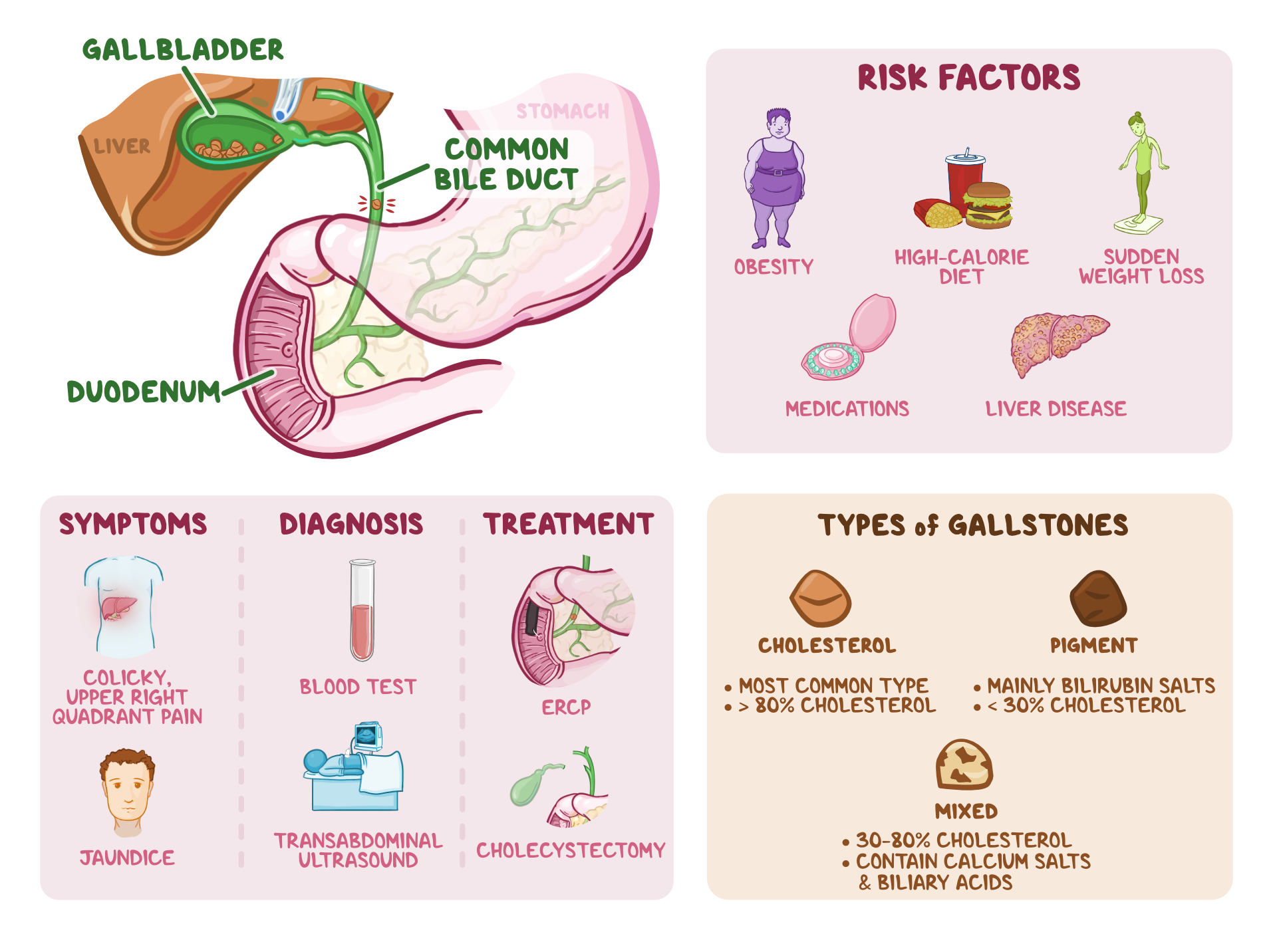
Several factors increase gallstone risk. Obesity is a major contributor. Rapid weight loss can also trigger stone formation. Diabetes and high cholesterol levels link strongly to gallstones. Pregnancy raises risk due to hormonal changes. Family history plays a role in some cases. These conditions often coexist, complicating treatment and management.
Credit: www.osmosis.org
Symptoms And Signs
Recognizing the symptoms and signs of cholelithiasis is crucial for timely diagnosis and treatment. You might experience a range of discomforts that vary in intensity and duration. Knowing what to watch for can help you act before complications arise.
Abdominal Pain And Discomfort
The most common sign of cholelithiasis is abdominal pain, often sudden and intense. This pain usually occurs in the upper right part of your abdomen and can last from a few minutes to several hours.
You may notice the pain worsening after eating fatty meals. Have you ever felt a sharp, stabbing pain just below your ribs that doesn’t go away easily? That’s a warning sign you shouldn’t ignore.
Nausea And Vomiting
Nausea often accompanies the pain and can lead to vomiting. This happens because gallstones can block bile flow, causing your digestive system to react negatively.
These symptoms might make you feel weak or dehydrated. If you find yourself avoiding meals to prevent nausea, it’s time to check with a healthcare provider.
Fever And Chills
Developing a fever with chills can signal an infection related to gallstones. This occurs when a gallstone causes inflammation or blocks the bile ducts, leading to cholecystitis.
Don’t dismiss a fever paired with abdominal pain—it’s a sign your body is fighting an infection. Early treatment is essential to avoid serious complications.
Jaundice And Pruritus
Jaundice, or yellowing of the skin and eyes, happens when gallstones block bile flow into the intestines. Along with this, you might experience pruritus, which is intense itching all over your body.
These signs indicate bile buildup in your bloodstream. If you notice these symptoms, seek medical advice promptly to prevent liver damage.
Complications And Consequences
Cholelithiasis, commonly known as gallstones, can lead to serious health issues if not addressed promptly. Understanding its complications and consequences helps you recognize symptoms early and seek timely care. These complications often escalate quickly, affecting not just your gallbladder but other vital organs too.
Cholecystitis And Gangrene
One common complication is cholecystitis, which is inflammation of the gallbladder caused by blocked bile flow. This condition often results in severe abdominal pain, fever, and nausea. If untreated, the inflamed gallbladder can develop gangrene, a dangerous tissue death that might require emergency surgery.
Have you ever felt a sharp pain after eating fatty food? That could be a sign of cholecystitis flaring up. Acting quickly can prevent gangrene and other severe outcomes.
Bile Duct Obstruction And Infection
Gallstones can move and block the bile ducts, causing a backup of bile. This blockage often leads to jaundice—yellowing of the skin and eyes—and severe infections like cholangitis. Such infections can spread rapidly, putting your life at risk if not treated immediately.
Recognizing symptoms like dark urine, pale stools, or high fever could be a lifesaver. Timely intervention often involves antibiotics or procedures to remove the blockage.
Pancreatitis And Other Systemic Complications
Gallstones can also block the pancreatic duct, causing pancreatitis—painful inflammation of the pancreas. This condition can lead to nausea, vomiting, and intense abdominal pain that radiates to your back. In severe cases, pancreatitis can cause organ failure and require intensive care.
Besides pancreatitis, gallstones may trigger other systemic problems such as sepsis or liver damage. How closely are you monitoring your symptoms? Early detection can prevent these dangerous consequences.
Diagnostic Challenges And Considerations
Diagnosing cholelithiasis can be tricky because symptoms often overlap with other abdominal issues. The presence of gallstones doesn’t always mean symptoms will appear, and sometimes the signs can be subtle or confusing. Understanding the diagnostic challenges can help you and your healthcare provider make better decisions early on.
Imaging Modalities And Accuracy
Ultrasound is usually the first choice for detecting gallstones. It’s quick, non-invasive, and fairly accurate, especially for stones larger than 2mm. However, small stones or those stuck in the bile ducts might be missed.
Other imaging tools like CT scans and MRI can add value but come with higher costs and less sensitivity for small stones. Endoscopic ultrasound (EUS) offers higher accuracy but is more invasive and not always available. Have you ever wondered if relying solely on ultrasound could delay important treatment?
Laboratory Tests And Markers Of Inflammation
Blood tests help assess if there’s inflammation or infection linked to gallstones. Elevated white blood cell counts and liver enzymes can hint at complications like cholecystitis or bile duct obstruction.
However, normal lab results don’t rule out gallstones or early complications. A patient I saw once had intense pain but normal labs and ultrasound; only a careful follow-up revealed the true diagnosis. This shows why labs should be part of a bigger clinical picture, not the sole factor.
Clinical Decision-making And Risk Stratification
Deciding on treatment depends on how severe symptoms are and the risk of complications. Tools like the Tokyo Guidelines provide criteria to classify cholecystitis severity and guide management.
Risk factors such as age, comorbidities, and imaging findings help tailor the approach. Sometimes watchful waiting is best; other times, immediate surgery is necessary. How do you balance the risks of surgery versus the chance of gallstone-related emergencies?
Managing Cholelithiasis And Its Complications
Managing cholelithiasis and its complications requires a clear understanding of available treatment paths. Your approach depends on the severity of symptoms and risk factors for complications. Whether you choose to manage symptoms conservatively or opt for surgery, the goal remains the same: relieve pain, prevent complications, and improve quality of life.
Conservative Management And Expectant Treatment
If your gallstones are not causing severe symptoms, conservative management might be the first option. This includes dietary changes such as reducing fatty foods and eating smaller, more frequent meals. Pain relief with medications and monitoring for any changes or complications are essential parts of this approach.
Expectant treatment means you wait and watch, only intervening if symptoms worsen. Many people live symptom-free with gallstones, so immediate surgery is not always necessary. Are you comfortable with close monitoring, or do you prefer a proactive approach?
Surgical And Interventional Options
Surgery remains the most common and effective treatment for symptomatic gallstones. Laparoscopic cholecystectomy, a minimally invasive removal of the gallbladder, is the standard choice. It offers quicker recovery and fewer complications compared to open surgery.
In some cases, endoscopic or percutaneous interventions may help, especially if stones block the bile ducts. These procedures can relieve obstructions without removing the gallbladder. Knowing the pros and cons of each surgical option helps you make an informed decision about your care.
Emerging Therapies And Preventive Strategies
Research continues to bring new treatment options that could change how cholelithiasis is managed. Oral bile acid pills can dissolve certain types of gallstones, but their use is limited and requires months of treatment. Would you consider a long-term medication if it meant avoiding surgery?
Preventive strategies focus on lifestyle changes like maintaining a healthy weight and balanced diet. Regular exercise and avoiding rapid weight loss can reduce your risk of forming new stones. Preventing complications before they start is always better than treating them later.
Credit: www.osmosis.org
Frequently Asked Questions
What Are The Common Symptoms Of Cholelithiasis?
Cholelithiasis commonly causes abdominal pain, especially in the upper right quadrant. Other symptoms include nausea, vomiting, and indigestion. Some patients may experience jaundice if a stone blocks bile flow. Symptoms often occur after fatty meals.
How Does Cholelithiasis Cause Abdominal Pain?
Gallstones can block the bile ducts, leading to bile buildup. This causes inflammation and intense pain called biliary colic. The pain is usually sudden, sharp, and may radiate to the back or right shoulder.
Can Cholelithiasis Cause Jaundice?
Yes, gallstones may block bile ducts, causing bile to accumulate. This leads to yellowing of the skin and eyes, known as jaundice. It signals a complication requiring medical attention.
Is Nausea A Symptom Of Cholelithiasis?
Nausea often accompanies gallstone attacks due to bile duct obstruction. It may worsen after eating fatty or greasy foods. Nausea helps indicate digestive disturbances linked to cholelithiasis.
Conclusion
Cholelithiasis often shows clear signs in the body. Pain in the upper right belly is common. Nausea and vomiting may also occur. Some people feel bloated or full after eating. Symptoms help doctors find the problem early. Treating cholelithiasis prevents serious health issues.
Knowing these signs helps you seek care fast. Stay aware of your body’s signals. Early action leads to better health outcomes. Keep learning about your health every day.