What Does the Term Manifest Destiny Mean: Unveiling History

Have you ever wondered why the United States expanded so quickly across the continent in the 1800s? The answer lies in a powerful idea called Manifest Destiny.
But what does this term really mean, and why did it shape the future of an entire nation? Understanding Manifest Destiny will give you a clearer picture of American history and the forces that influenced the country’s growth. Keep reading, and you’ll discover the true meaning behind this phrase—and how it still impacts the world today.
Origins Of Manifest Destiny
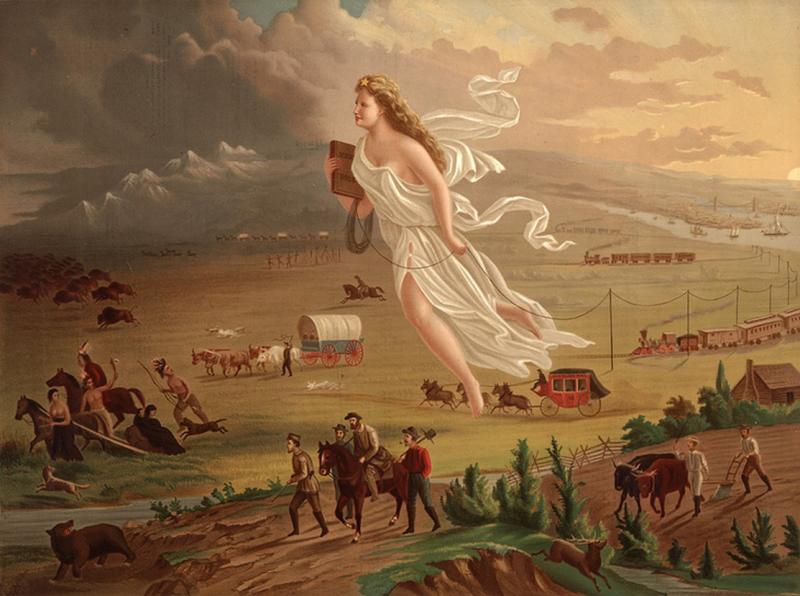
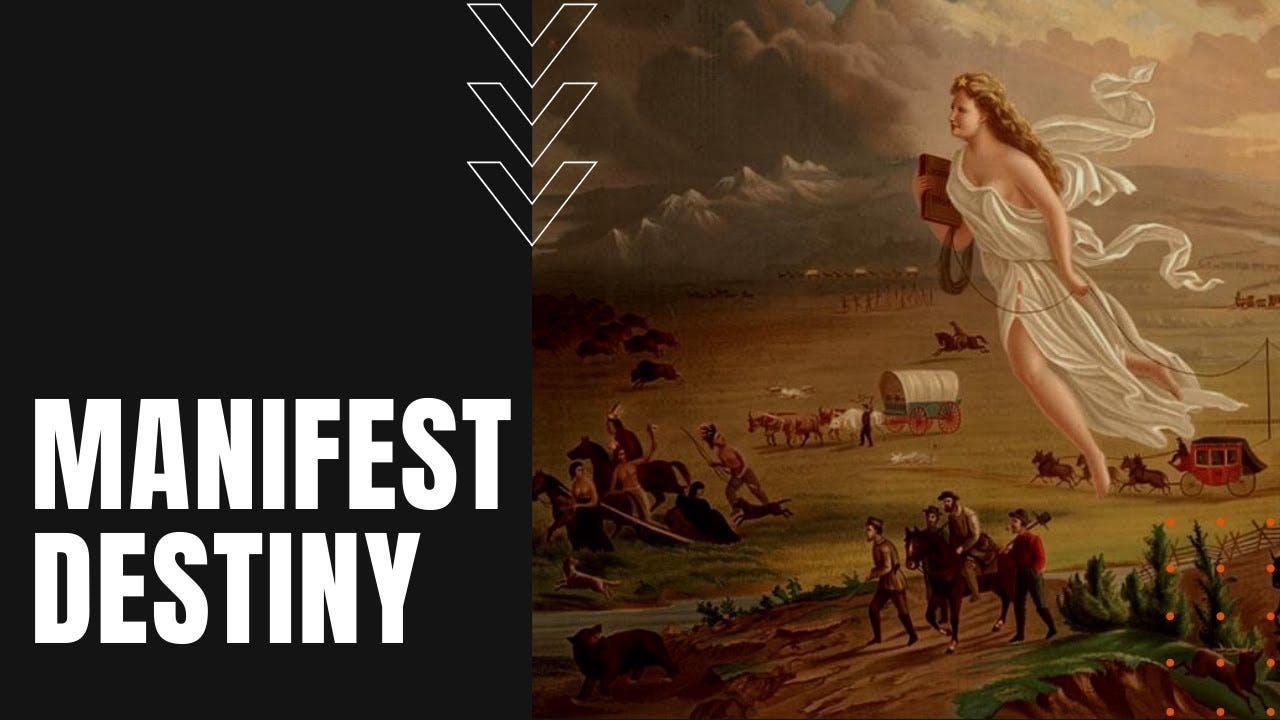
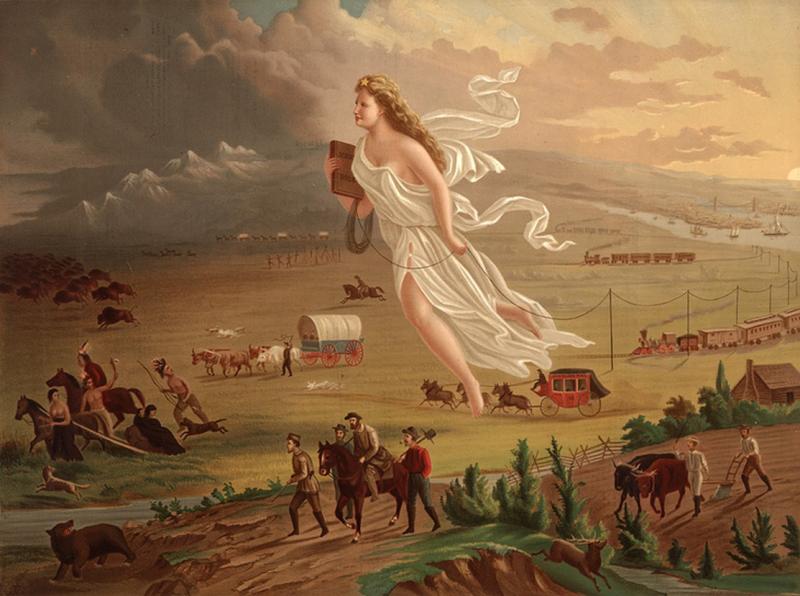
Manifest Destiny means the belief that the United States was meant to expand across North America. It started in the 1800s as a way to justify growth and land claims. Many Americans saw it as a destiny to spread freedom and democracy.
Coining The Term
The phrase “Manifest Destiny” first appeared in 1845. Journalist John L. O’Sullivan used it in an article. He argued that the United States had a divine right to expand. This idea suggested that spreading across North America was both justified and inevitable. The term quickly gained popularity among Americans. It captured the belief that growth was a national duty.
Political Climate In The 19th Century
During the early 1800s, the U.S. was growing fast. Many Americans wanted more land for farming and trade. The government supported expansion to strengthen the nation. There were debates about how far the country should stretch. Some leaders believed in spreading democracy and freedom. Others saw expansion as a way to increase power and wealth.
Tensions rose with other countries over land claims. Conflicts like the Mexican-American War stemmed from this desire to expand. The idea of Manifest Destiny helped justify these actions. It gave Americans a sense of purpose and destiny. This belief shaped U.S. policies and attitudes for decades.
Credit: www.fastcompany.com
Key Beliefs Behind Manifest Destiny
The term Manifest Destiny captures more than just a historical event; it reflects a set of powerful beliefs that shaped a nation’s mindset. Understanding the key beliefs behind Manifest Destiny helps you see why so many Americans felt compelled to expand their territory. These beliefs combined a sense of mission with cultural ideas that justified growth and change.
Expansion As A National Duty
Many Americans believed expanding the country’s borders was not just a choice but a duty. They saw it as their responsibility to spread democracy and freedom across the continent. This belief made expansion seem like a moral mission, something you might personally feel driven to support.
Imagine feeling that your everyday actions contribute to a larger national purpose. This was the mindset that pushed settlers westward, believing they were helping build a better society. Do you think a sense of duty can still influence how people shape the future today?
Cultural And Racial Justifications
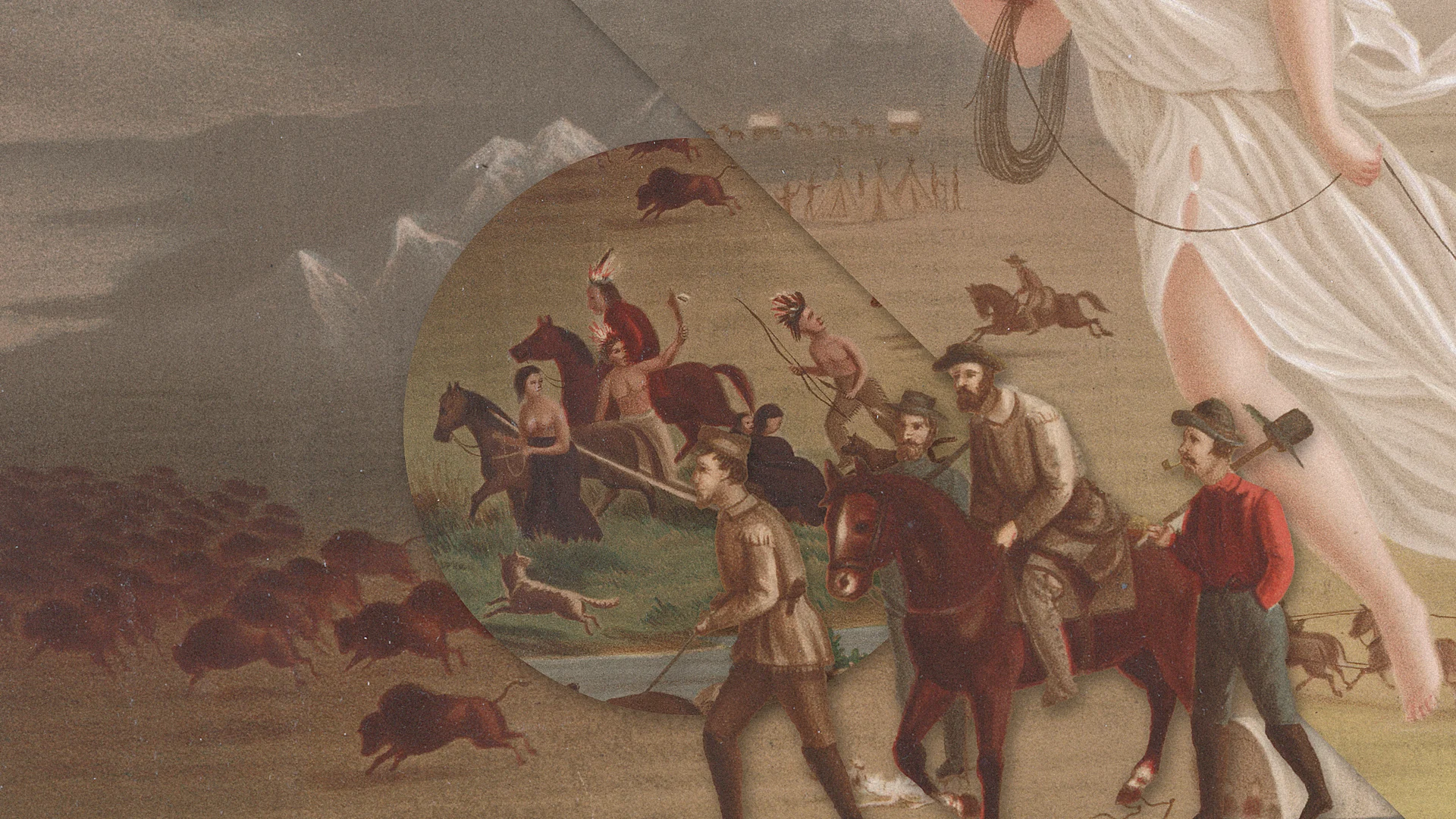
Another key belief was that American culture and race were superior, which many used to justify expansion. People thought it was natural and right for the U.S. to take over lands inhabited by Native Americans and others because they considered their own way of life more advanced.
This belief often led to harsh treatment of indigenous peoples and other groups. Recognizing this helps you understand how ideas about culture and race can impact decisions on a massive scale. How do you think these justifications affected the relationships between different communities then, and now?
Major Events Driven By Manifest Destiny
Manifest Destiny shaped many key events in U.S. history. This belief pushed Americans to expand westward. It influenced politics, wars, and migration. Several major events show how powerful this idea was.
Annexation Of Texas
Texas was once part of Mexico. American settlers moved there and declared independence in 1836. The U.S. debated adding Texas as a state. In 1845, Texas joined the Union. This caused tension with Mexico, which did not accept Texas leaving.
Oregon Trail And Territory
Many settlers traveled west on the Oregon Trail. They sought new land and opportunity. The U.S. and Britain both claimed Oregon Territory. In 1846, they agreed to split the land at the 49th parallel. This gave the U.S. control of present-day Oregon, Washington, and Idaho.
Mexican-american War
The annexation of Texas led to conflict with Mexico. The war lasted from 1846 to 1848. The U.S. won and gained a huge area of land. This included California, Arizona, New Mexico, and others. The Treaty of Guadalupe Hidalgo ended the war and expanded U.S. borders.

Credit: www.facebook.com
Impact On Native American Communities
The term Manifest Destiny carries a heavy legacy, especially for Native American communities. It wasn’t just a political idea; it deeply affected the lives, lands, and cultures of indigenous peoples. Understanding this impact helps you see the real human cost behind the expansionist goals.
Displacement And Conflict
Manifest Destiny pushed settlers westward, often at the expense of Native Americans. Entire tribes were forced off their ancestral lands, sometimes through treaties that were unfair or broken. This displacement led to violent clashes as Native Americans fought to defend their homes.
You might wonder how this affected daily life. Imagine having to leave everything familiar and move to unknown, often harsh territories. Many Native Americans faced starvation, disease, and loss of community during these forced relocations.
The Trail of Tears is a stark example. Thousands of Cherokee were marched hundreds of miles with little food or shelter, leading to massive suffering and death. These events show how Manifest Destiny wasn’t just about land—it was about survival.
Cultural Consequences
The impact went beyond physical displacement. Native American cultures were deeply disrupted. Traditional ways of life, languages, and spiritual practices were often suppressed or lost.
Schools and policies aimed at “civilizing” Native children forced them to abandon their heritage. This cultural erosion created a gap between generations and weakened communal bonds. Have you ever considered how losing a language affects identity and connection?
Many tribes still work hard today to revive their languages and traditions. This struggle shows the resilience of Native communities despite the lasting damage caused by Manifest Destiny. Reflecting on this, you can see why cultural respect matters so much in discussions about history and land.
Economic Motivations And Effects
The concept of Manifest Destiny was fueled heavily by economic goals that shaped the United States’ expansion. Understanding these motivations helps you see how the pursuit of wealth and resources was central to this 19th-century movement.
Land And Resources
Access to vast amounts of land was a major economic driver behind Manifest Destiny. Settlers sought fertile soil for farming, while entrepreneurs eyed timber, minerals, and other natural resources. This rush often led to rapid development but also caused conflicts over land ownership and use.
Think about how the promise of owning land motivated many families to move west. This desire to control valuable resources wasn’t just about survival—it was about building wealth and opportunity for future generations.
Growth Of American Markets
Expanding territory created new markets for American goods and services. Entrepreneurs and manufacturers saw these new regions as places to sell products, leading to a boost in economic activity across the country.
When you consider how infrastructure like railroads grew alongside this expansion, you realize how interconnected the economy became. Markets weren’t just local—they started to link across states, encouraging trade and investment on a much larger scale.
Have you ever thought about how your daily purchases might connect to this history of market growth? The expansion under Manifest Destiny helped lay the groundwork for the nationwide economy you experience today.
Opposition And Criticism
Manifest Destiny was not accepted by everyone. Many people spoke out against it. They had reasons rooted in politics and ethics. Their concerns shaped debates and influenced history.
Political Resistance
Some politicians feared too much power for one nation. They worried about conflicts with other countries. Expansion could lead to war and unrest. Opponents saw Manifest Destiny as a threat to balance. They wanted to protect existing states and borders.
Others worried about new states joining as slave or free. This issue caused deep divisions in the government. Political resistance grew stronger as tensions rose.
Moral And Ethical Concerns
Many people questioned the fairness of taking land from Native Americans. They saw it as unfair and cruel. Forced removal caused suffering and loss of culture. Critics said Manifest Destiny ignored human rights and justice.
Some also believed it promoted arrogance and greed. They thought the idea hurt peaceful relations and respect for others. These concerns created strong ethical debates across the country.
Legacy Of Manifest Destiny Today
The legacy of Manifest Destiny continues to shape how Americans see their country and its role in the world. This 19th-century belief in expanding the nation’s borders left marks that go beyond maps and treaties. Today, its echoes influence politics, culture, and identity in ways you might not expect.
Modern Interpretations
Manifest Destiny is no longer just about land or borders. Many people now interpret it as a symbol of ambition and growth. However, this view also faces criticism for ignoring the consequences faced by Native American communities and other groups.
Some see it as a cautionary tale about unchecked expansion and its costs. Others use it to discuss America’s ongoing role in global affairs. How do you think this historical idea fits into today’s debates over immigration or foreign policy?
- It reminds us to weigh ambition against responsibility.
- It challenges us to recognize diverse perspectives in history.
- It encourages discussion on national purpose beyond just territory.
Influence On American Identity
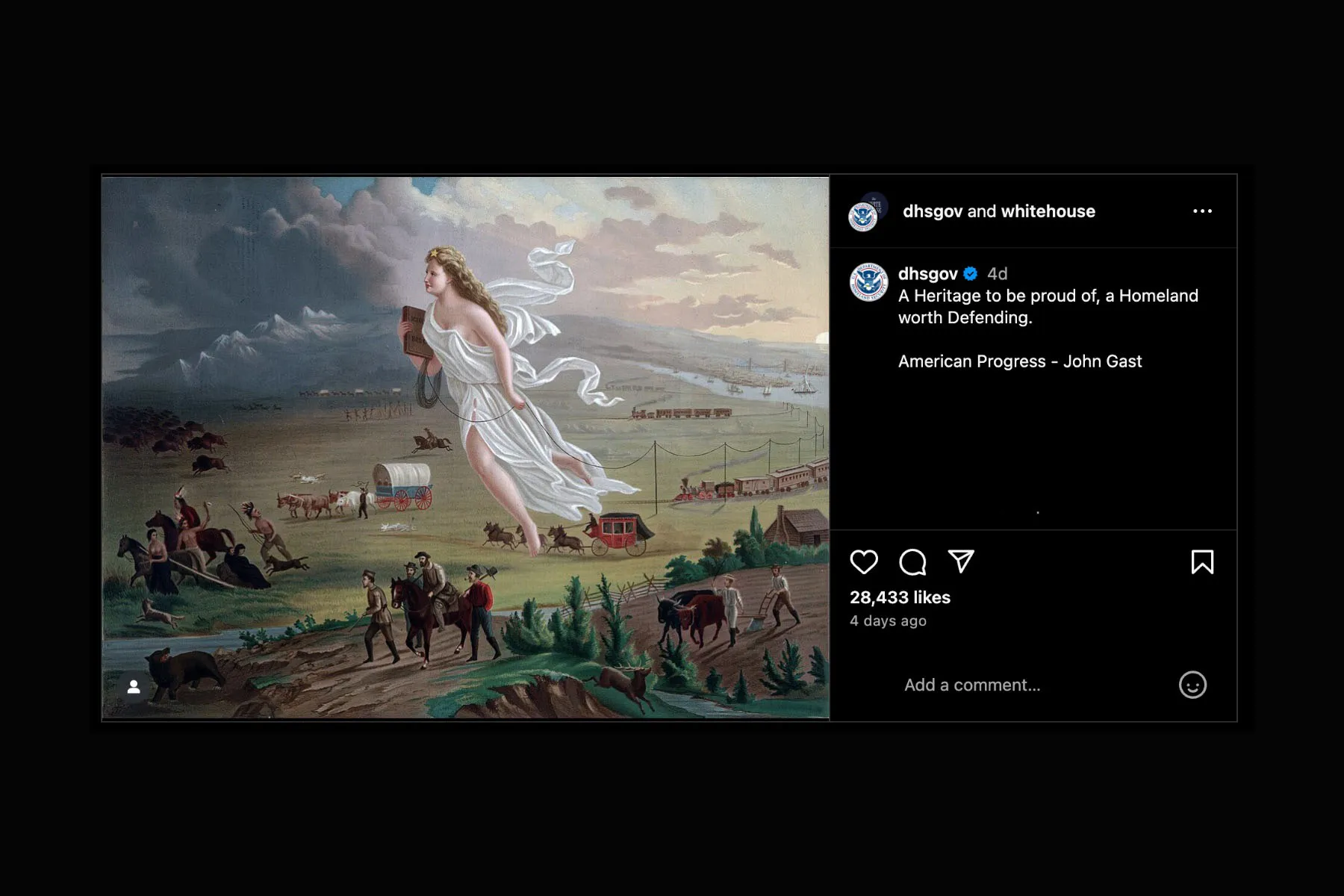
Manifest Destiny helped shape a sense of American exceptionalism—the belief that the U.S. has a unique mission. This idea still influences how many Americans view their country’s future and values.
Your own sense of identity might connect to this history, whether consciously or not. For example, the drive for innovation and opportunity can trace roots back to that era’s mindset. But it also raises questions: whose stories are included when we talk about national progress?
Understanding this influence can help you critically examine your own views about patriotism and progress. It invites you to consider how history shapes your beliefs about what America stands for and where it should go next.
Credit: 19thnews.org
Frequently Asked Questions
What Is The Meaning Of Manifest Destiny?
Manifest Destiny was a 19th-century belief that the U. S. was destined to expand across North America. It justified territorial growth and shaped American policy.
Why Was Manifest Destiny Important In U.s. History?
It fueled westward expansion, leading to new states and increased national power. It also impacted Native Americans and international relations.
How Did Manifest Destiny Affect Native Americans?
It caused displacement and loss of Native lands. Many tribes were forced to move west or faced conflict.
Who Coined The Term Manifest Destiny?
The term was first used by journalist John L. O’Sullivan in 1845. He promoted U. S. territorial expansion as a divine right.
Conclusion
Manifest Destiny shaped America’s growth in the 1800s. It meant expanding land from coast to coast. Many believed it was their right and duty. This idea influenced politics, culture, and conflicts. It affected Native Americans and other groups deeply. Understanding Manifest Destiny helps explain U.
S. History better. The term shows how ideas can drive a nation’s actions. It remains a key part of America’s past.

Similar Posts