What is Clinical Manifestations: A Comprehensive Guide

Have you ever wondered what signs your body shows when something isn’t quite right? Understanding clinical manifestations can help you recognize those early signals your body sends.
These signs and symptoms are crucial clues that tell you and your doctor what’s happening inside. If you want to be more aware of your health and spot issues before they become serious, keep reading. This article will break down what clinical manifestations are and why they matter to you.

Credit: www.mdpi.com
Basics Of Clinical Manifestations
Clinical manifestations are the visible or felt signs and symptoms of a disease or condition. They help doctors understand what is happening inside the body. These manifestations are crucial in medical practice. They guide healthcare providers during diagnosis and treatment. Knowing the basics helps patients and caregivers recognize health changes quickly.
Signs Vs Symptoms
Signs are objective evidence of disease. Doctors or nurses can see or measure them. Examples include rash, swelling, or high blood pressure.
Symptoms are subjective experiences felt by the patient. These cannot be seen or measured directly. Examples include pain, dizziness, and fatigue.
Both signs and symptoms together give a full picture of the illness.
Role In Diagnosis
Clinical manifestations guide doctors in identifying diseases. They help narrow down possible causes. Doctors use them along with tests and history.
Early recognition of signs and symptoms speeds up diagnosis. This can improve treatment success. They also help monitor progress or complications during care.
Common Examples
- Fever: a sign indicating infection or inflammation.
- Cough: a symptom of respiratory issues.
- Swelling: a sign of injury or fluid buildup.
- Fatigue: a symptom linked to many conditions.
- Rash: a visible sign of skin or allergic problems.
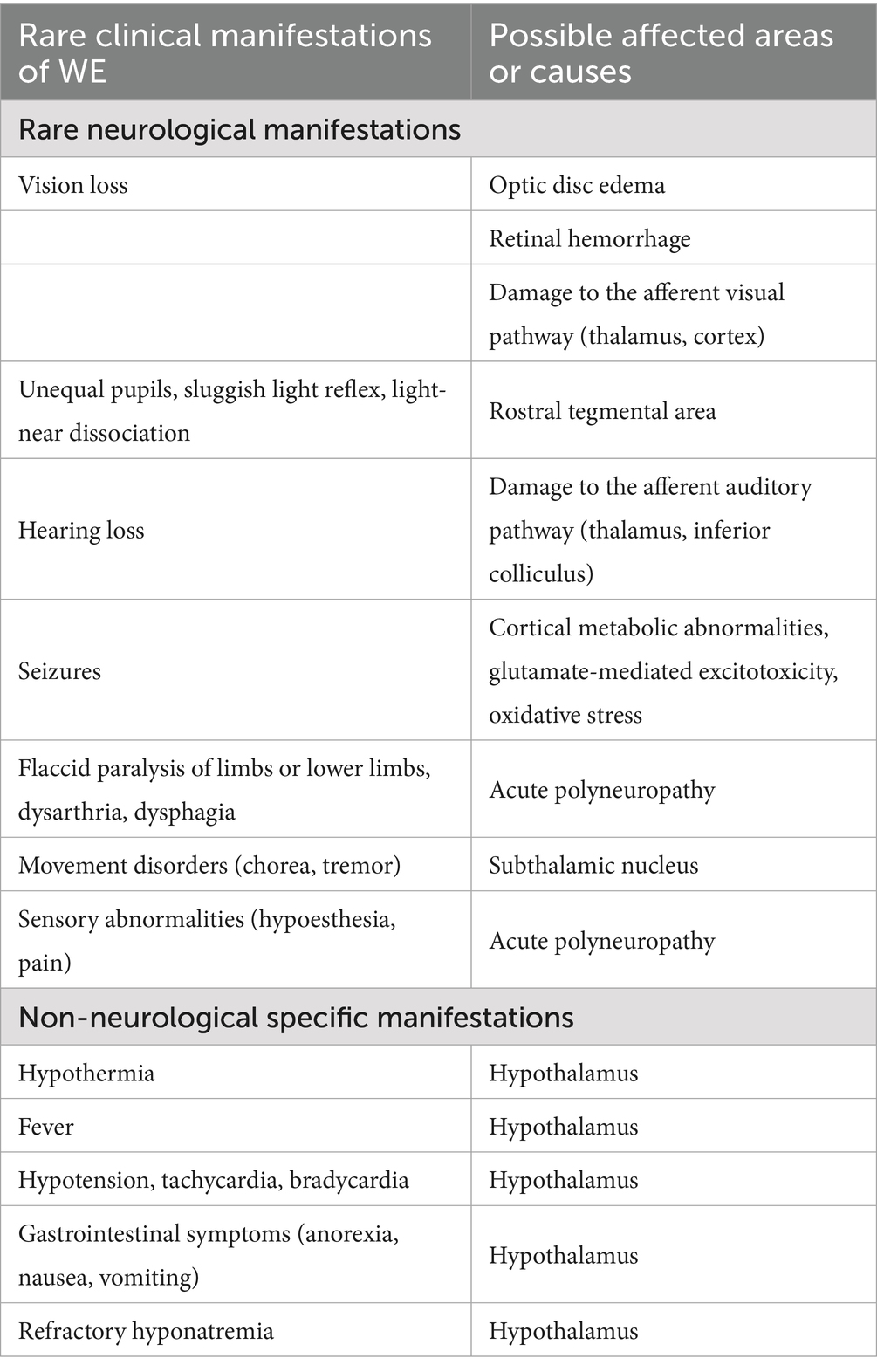
Credit: www.frontiersin.org
Types Of Clinical Manifestations
Clinical manifestations describe the signs and symptoms shown by a patient. These manifestations help doctors understand the disease and its progress. Types of clinical manifestations vary based on how long they last and where they appear in the body.
Acute Manifestations
Acute manifestations appear suddenly and last for a short time. They often signal the start of a disease or injury. Symptoms can be severe but usually resolve quickly with treatment. Examples include fever, pain, or swelling that develops fast.
Chronic Manifestations
Chronic manifestations develop slowly and last a long time. These signs may persist for months or years. They often indicate long-term health problems. Fatigue, joint pain, and ongoing cough are common chronic symptoms.
Systemic Vs Localized
Systemic manifestations affect the entire body or several organs. These symptoms show that the disease spreads beyond one area. Fever, weight loss, and general weakness are systemic signs.
Localized manifestations affect one specific part of the body. The signs stay limited to one area, like redness or pain in one joint. This helps doctors focus treatment on that region.
Factors Influencing Manifestations
Clinical manifestations show how a disease or condition appears in the body. These signs and symptoms vary widely. Several factors influence how these manifestations develop and present in each individual. Understanding these factors helps in better diagnosis and treatment.
Genetic Factors
Genes play a key role in disease expression. Some people inherit traits that increase disease risk. Genetic mutations may change how symptoms appear. Family history often guides doctors in predicting clinical manifestations. Genetic diversity causes variations in disease severity and progression.
Environmental Influences
Surroundings impact the onset and course of diseases. Pollution, climate, and lifestyle affect symptom development. Exposure to toxins or allergens can worsen conditions. Nutrition and living conditions also shape clinical outcomes. These external factors interact with the body’s response to illness.
Age And Gender Impact
Age changes how diseases show up. Children and elderly have different immune responses. Some diseases appear only at certain ages. Gender affects hormone levels, influencing symptoms. Men and women may experience different disease patterns. These differences guide personalized medical care.
Clinical Manifestations In Major Diseases
Understanding clinical manifestations is key to recognizing how diseases affect the body. These manifestations are the signs and symptoms that you can observe or feel, which help in diagnosing major illnesses. Let’s look closely at how these present in some of the most common serious diseases.
Infectious Diseases
Infectious diseases often show clear clinical manifestations that signal your body is fighting an invader. Symptoms like fever, fatigue, and swollen lymph nodes are common across many infections.
Take influenza, for example. You might experience chills, muscle aches, and a persistent cough. These signs are your immune system’s response to the virus.
But did you know that some infections can cause very subtle symptoms initially? Tuberculosis may start with just a mild cough or night sweats, which many overlook.
Pay close attention to any unusual or persistent symptoms, especially if you’ve been exposed to someone sick. Early detection can make a significant difference.
Autoimmune Disorders
Autoimmune disorders confuse your immune system into attacking your own body. This leads to a wide variety of symptoms that can make diagnosis tricky.
For instance, rheumatoid arthritis usually causes joint pain and stiffness, often worse in the morning. You might also notice swelling or warmth in affected areas.
Systemic lupus erythematosus (SLE) can show diverse symptoms like fatigue, skin rashes, and even kidney problems. The range of manifestations means you need to report all symptoms accurately to your healthcare provider.
Have you ever felt unexplained fatigue or joint pain that just won’t go away? It might be worth checking if an autoimmune condition is involved.
Cancer
Cancer’s clinical manifestations depend heavily on its type and location. Some cancers cause noticeable lumps or masses, while others produce systemic symptoms.
For example, lung cancer may present with a persistent cough, chest pain, or shortness of breath. Weight loss and fatigue are common signs that often go unnoticed.
Blood cancers like leukemia often cause symptoms such as frequent infections, bruising, or bleeding easily. These are clues that your blood cells are not functioning properly.
It’s important to monitor any new or unusual symptoms and discuss them with your doctor. Early recognition of these signs can improve your treatment outcomes.
Diagnostic Tools And Techniques
Diagnostic tools and techniques help identify clinical manifestations clearly. They provide key information about a patient’s condition. Doctors use these tools to observe symptoms and signs accurately. The combination of different methods offers a full picture of the health issue. Understanding these tools is crucial for proper diagnosis and treatment.
Physical Examination
Physical examination is the first step in diagnosis. Doctors observe the patient’s body for visible signs. They check vital signs like temperature, pulse, and blood pressure. Palpation helps detect lumps or tenderness. Listening to the heart and lungs reveals abnormal sounds. This hands-on approach provides immediate clues about health problems.
Laboratory Tests
Laboratory tests analyze samples from the body. Blood tests measure cells, chemicals, and markers of disease. Urine tests detect infections or kidney issues. Biopsies examine tissue samples under a microscope. These tests confirm or rule out specific conditions. Results guide doctors to choose the right treatment.
Imaging Studies
Imaging studies create pictures of internal body parts. X-rays show bones and chest structures. Ultrasound uses sound waves to view organs and blood flow. MRI scans provide detailed images of soft tissues. CT scans combine X-rays to form cross-sectional images. These tools reveal hidden problems inside the body.
Challenges In Identifying Manifestations
Identifying clinical manifestations can be tricky. Symptoms don’t always follow a clear pattern, making diagnosis a challenge. You might see signs that don’t fit textbook definitions or symptoms that overlap with other conditions. This can cause confusion and delay proper treatment, which might affect outcomes.
Atypical Presentations
Sometimes, symptoms show up in unusual ways. A patient with a common illness might experience rare or unexpected signs that throw off the diagnosis. For example, a heart attack might present without chest pain, showing only fatigue or nausea instead.
Have you ever noticed how some people feel sick but standard tests say otherwise? This happens because not all clinical manifestations are textbook cases. Being aware of atypical presentations helps you stay alert and question initial assumptions.
Overlapping Symptoms
Many diseases share similar symptoms, which can blur the lines between different diagnoses. Fatigue, fever, or pain are common in multiple illnesses, making it hard to pinpoint the exact cause.
Consider a patient with joint pain and fever—is it an infection, arthritis, or something else? Such overlaps require careful evaluation and sometimes additional tests to distinguish the real problem.
Delayed Manifestations
Some symptoms take time to appear after the initial disease process starts. This delay can mask the connection between cause and effect.
For instance, certain infections might cause symptoms weeks later, leaving you wondering about the original trigger. Being patient and following the symptom timeline closely can reveal these hidden links.
Implications For Treatment And Management
Understanding clinical manifestations is key to effective treatment and management of diseases. These signs and symptoms provide essential clues about a patient’s condition. They guide healthcare professionals in selecting the most suitable treatments. Proper interpretation helps avoid unnecessary procedures and improves patient care quality.
Tailoring Therapy
Clinical manifestations help doctors choose the right therapy for each patient. Treatments can be adjusted based on symptom severity and type. For example, mild symptoms may require simple medication. Severe symptoms might need more aggressive intervention. Personalizing therapy increases the chance of successful outcomes.
Monitoring Progress
Tracking changes in clinical manifestations shows how well treatment works. Improvement or worsening of symptoms informs medical decisions. Regular assessment allows timely adjustments in therapy. This ongoing monitoring reduces complications and supports recovery.
Predicting Outcomes
Certain clinical signs help predict how a disease will progress. Early symptoms may indicate a mild course. Other signs can signal complications or poor prognosis. Understanding these clues aids in planning long-term care. It also prepares patients and families for what to expect.
Credit: naemsp.org
Frequently Asked Questions
What Are Clinical Manifestations In Medicine?
Clinical manifestations are signs and symptoms shown by a patient. They indicate the presence and progression of a disease or condition. These manifestations help doctors diagnose and monitor illnesses effectively.
How Do Clinical Manifestations Help In Diagnosis?
They provide visible or measurable evidence of illness. This helps healthcare providers identify the disease early. Accurate clinical manifestations improve treatment plans and patient outcomes.
Can Clinical Manifestations Vary Between Patients?
Yes, manifestations can differ due to age, genetics, or disease severity. Individual differences affect symptoms and signs, making personalized diagnosis essential.
What Is The Difference Between Signs And Symptoms?
Signs are objective, measurable clinical manifestations. Symptoms are subjective experiences reported by patients. Both are crucial for comprehensive medical evaluation.
Conclusion
Clinical manifestations show how diseases affect the body. They help doctors understand symptoms clearly. Recognizing these signs leads to better care and treatment. Each condition has unique ways it appears. Knowing this helps patients and caregivers stay informed. Always watch for changes in health and report them.
Early attention can prevent serious problems later. Clinical manifestations guide decisions in medicine every day. Stay aware, stay healthy.

Similar Posts