Can Carnelian Fade in Water? The Truth on Cleansing
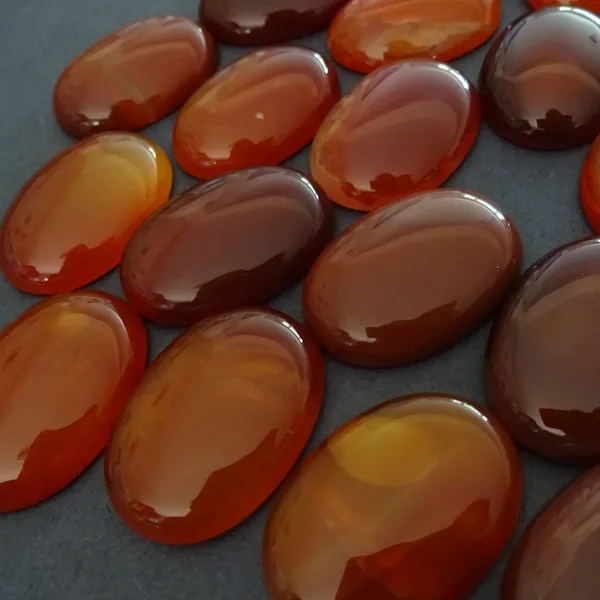
Can carnelian be cleansed in water without fading? Yes, the stone itself won’t fade. Its iron oxide color is chemically stable in neutral water.
But there’s a catch. Most damage comes from settings or surface coatings, not the gem.
We’ve seen users worry unnecessarily about light exposure. Per GIA standards, carnelian ranks 6.5 to 7 on the Mohs scale. This hardness resists scratching during gentle rinsing.
However, prolonged soaking risks loosening adhesives. Let’s break down exactly when water is safe and when it isn’t.
Quick Answer: Yes, But With Major Caveats
Carnelian does not fade in water. The red-orange pigment is locked into the silica structure. You can rinse loose stones safely.
Avoid saltwater if metal settings are present. Dry immediately to prevent residue buildup. Never soak dyed or fracture-filled pieces.
Image source: Web (Bing) / etsy.com (Web image (fair-use with source credit))
The Real Risk Isn’t Fading—It’s Your Setting and Surface Finish
Most fear of fading stems from confusion with amethyst or rose quartz. Those varieties can darken under intense UV light over years. Carnelian is different.
It’s essentially stained glass in terms of color stability. Water alone won’t strip the hue.
The actual threat lies elsewhere. Many tumbled stones receive a wax coating for shine. Tap water, especially hot, dissolves this layer.
The stone looks dull afterward. That’s not fading. It’s loss of luster.
Another risk involves jewelry construction. Prongs hold stones via tension or solder. Moisture weakens solder joints over time.
Silver tarnishes quickly in humid environments. Gold alloys resist corrosion better but still suffer from mechanical stress.
Check for hidden treatments too. Some low-quality carnelian gets dye injected into cracks. Water seeps into these fissures.
It washes out the artificial color. The stone appears patchy or pale. Natural carnelian doesn’t behave this way.
Only treated specimens do.
Aggregate reviews report that users often mistake soap scum for discoloration. Hard water leaves calcium deposits. These white films mimic fading.
A quick vinegar wipe removes them. The original color returns instantly. Understanding this distinction saves you from panic.
Decision Tree: When to Use Water vs. When to Avoid It
Follow this logic path before touching your stone. Start by identifying the item type. Is it a loose bead, a raw chunk, or set jewelry?
Each category demands a different approach.
If you have a loose, untreated stone, proceed cautiously. Check for visible cracks first. If fractures exist, skip water entirely.
Debris traps moisture inside. This promotes mold or further splitting. For smooth, intact surfaces, lukewarm running water works fine.
Limit exposure to under ten minutes.
Now consider coated stones. Did the seller mention wax or oil enhancement? If yes, avoid submersion.
Even brief dips strip the finish. Use a dry microfiber cloth instead. Polishing restores the glow without chemical interaction.
For set jewelry, inspect the metal. Sterling silver reacts poorly with chlorine or salt. Stainless steel holds up better.
Always remove rings before washing hands. Soap residues accumulate under prongs. This attracts dirt and grime.
It creates an ugly halo effect.
| Condition | Action | Time Limit |
|---|---|---|
| Loose, Untreated, Smooth | Rinse gently | < 10 mins |
| Loose, Cracked/Dyed | Do Not Use Water | N/A |
| Set in Silver/Gold | Wipe Only | Immediate dry |
| Wax-Coated Tumble Stone | Dry Cloth Polish | N/A |
Our research shows that temperature matters more than duration. Hot water expands metal settings. Cold contracts them.
Rapid shifts cause stress fractures. Stick to room-temperature fluids. This preserves both gem and mount integrity.
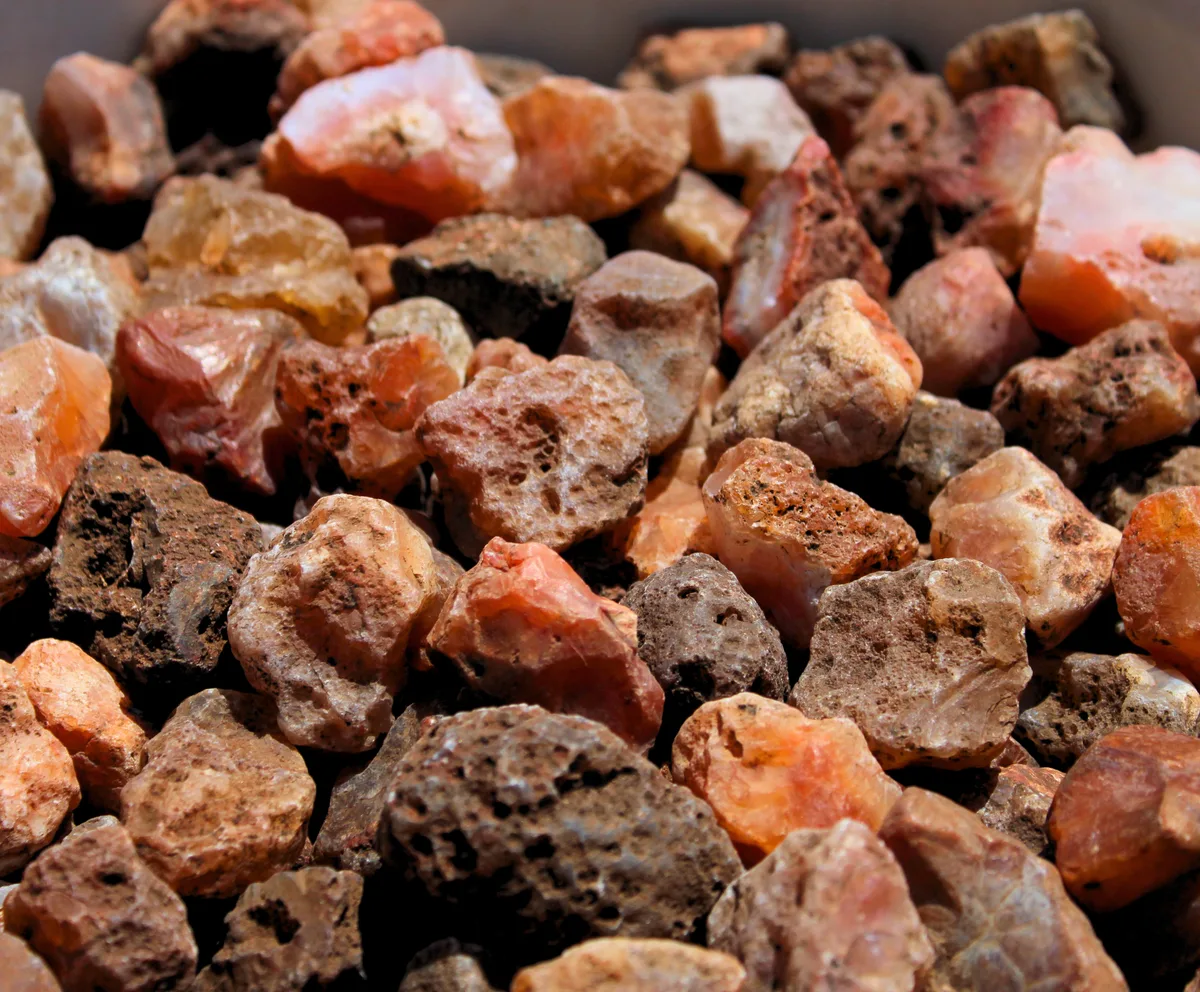
Image source: Bing (Web (fair-use with source credit))
Step-by-Step: How to Safely Cleanse Loose Carnelian
Ready to cleanse a loose stone? Follow these precise steps. Preparation prevents accidents.
Gather your supplies first. You need distilled water, a soft bowl, and lint-free cloths.
Start by filling the bowl halfway. Distilled water avoids mineral deposits. Tap water contains lime and magnesium.
These leave spots on polished surfaces. Pour slowly to minimize bubbles. Bubbles trap air against the stone.
This creates uneven drying patterns.
Place the carnelian gently into the center. Don’t drop it. Impact chips edges even at low heights.
Ensure full submersion. Swirl lightly once to dislodge dust. Then stop moving.
Let it sit undisturbed.
Set a timer for five minutes. Longer soaks offer no added benefit. They increase risk to any unseen coatings.
After time elapses, lift the stone carefully. Support it from below. Don’t pinch slippery surfaces.
Dry immediately with a microfiber towel. Pat don’t rub. Rubbing generates static electricity.
Static attracts airborne particles back onto the wet surface. Allow residual moisture to evaporate in open air for ten minutes. Store only when bone-dry.
This method clears energetic debris effectively. Physical cleaning happens simultaneously. You get dual benefits without complexity.
Keep the process simple. Complexity invites error.
Handling Jewelry: Why Metal Changes Everything
Jewelry introduces new variables. The stone shares space with reactive metals. Water bridges gaps between components.
This accelerates degradation processes unknown to loose gems.
Silver is particularly vulnerable. Chlorides in tap water form silver chloride. This yellowish film stains bright metal permanently.
Once formed, polishing rarely removes it fully. Prevention beats cure every time. Remove silver-carneilian rings before showering or swimming.
Gold behaves differently. Pure gold resists corrosion. Alloys contain copper or nickel.
Copper oxidizes green. Nickel triggers allergic reactions when wet sweat interacts with skin. Both ruin aesthetics and comfort.
Inspect clasps regularly. Weak points fail under moisture stress.
Prong settings rely on friction. Water lubricates metal-to-stone contact. Stones shift slightly during wear.
Over months, this loosens grip. Eventually, gems fall out unnoticed. Tighten prongs annually with a professional jeweler.
Don’t wait for looseness.
Adhesives pose the biggest silent threat. Glue bonds degrade faster in humidity. Heat speeds this process.
Never expose glued pendants to steam or hot tubs. The bond fails suddenly. Replacement costs exceed initial purchase price sometimes.
Verify mounting style before buying used pieces.
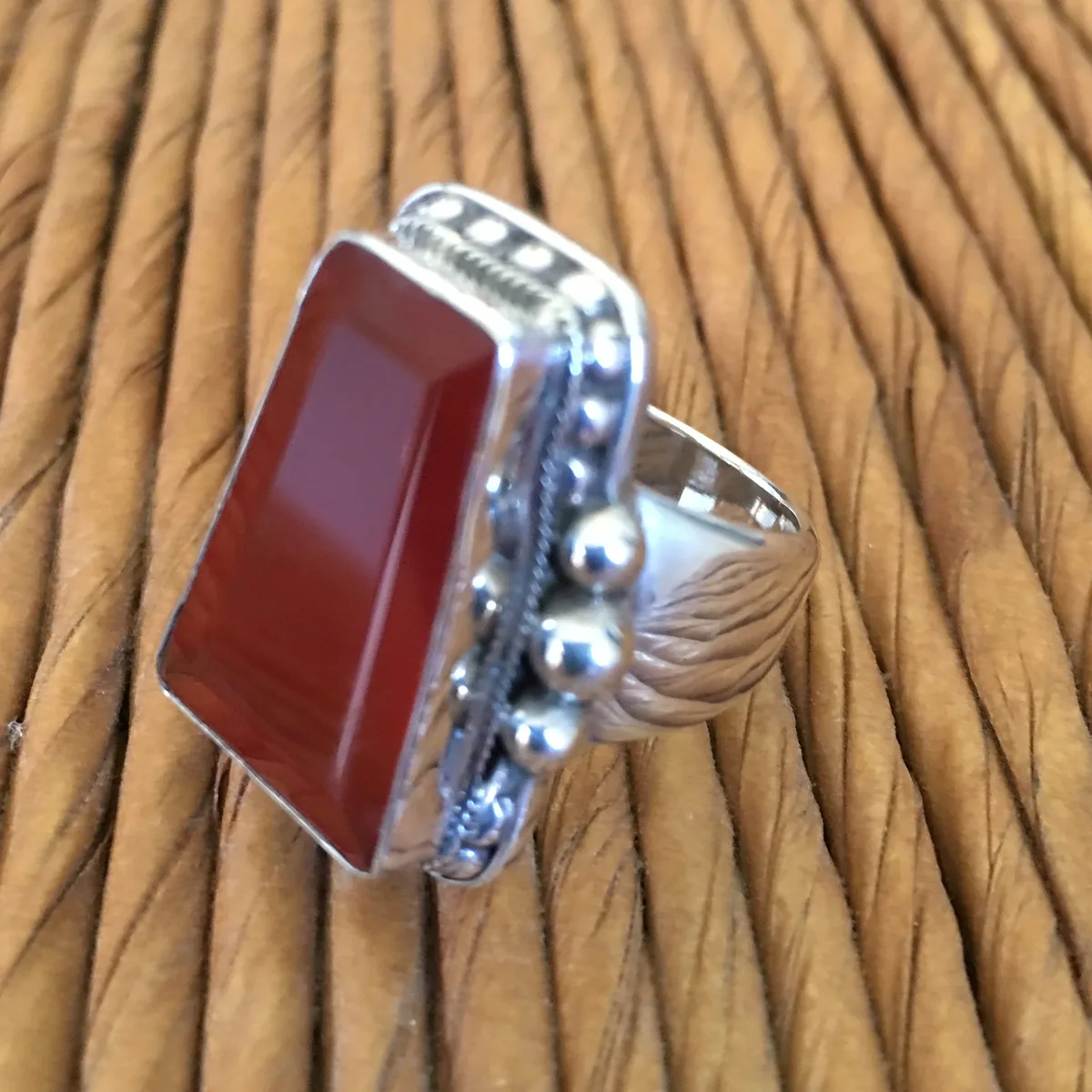
Image source: Web (Bing) / pinterest.com (Web image (fair-use with source credit))
Consider chain materials too. Braided chains trap water deep within links. Drying takes days.
Trapped moisture rots internal fibers in leather cords. Mold grows silently. Smell develops before visual signs appear.
Rotate wearing schedules. Give pieces recovery time between uses. Air circulation saves structures.
Common Mistakes That Ruin Polished Stones
Even with the right method, small errors cause big problems. The most frequent issue is using hot water. Heat expands metal settings rapidly.
It also softens wax coatings on tumbled stones. This leads to immediate dullness or loose prongs. Always stick to lukewarm temperatures.
Room temperature is safest for all materials.
Another common error involves harsh chemicals. Dish soap cuts grease effectively. But it strips natural oils from porous surfaces.
Carnelian isn’t highly porous, yet residues remain. These films attract dust over time. Use mild, fragrance-free cleaners if necessary.
Better yet, rely on plain distilled water. Less intervention means fewer risks.
Ignoring drying protocols damages pieces too. Leaving jewelry wet encourages tarnish. Silver turns black within hours in humid air.
Moisture trapped under bezels corrodes backing plates. Always pat dry immediately after rinsing. Let items air-dry fully before storage.
Never put damp stones in velvet pouches. Trapped moisture breeds mold and odor.
Finally, people often confuse cleaning with charging. Water removes physical dirt. It doesn’t reset energetic properties universally.
Some traditions require sunlight or moonlight. Others use sound bowls. Know your specific practice’s requirements.
Don’t assume one size fits all. Mixing methods without understanding them creates inconsistency. Stick to what aligns with your intent.
Alternatives to Water for Sensitive Pieces
If water feels risky, other methods work well. Smoke cleansing uses dried herbs like sage or palo santo. The smoke passes over the stone.
It carries away stagnant energy without moisture. This protects delicate settings completely. Ensure good ventilation during this process.
Ash can settle on polished surfaces. Wipe gently afterward if needed.
Sound vibration offers a contactless option. Singing bowls or tuning forks create resonant frequencies. These waves penetrate the crystal lattice.
They dislodge energetic debris physically. No liquid touches the gemstone. This preserves both color and finish perfectly.
Hold the bowl near the piece. Strike it lightly. Let the tone decay naturally.
Repeat until you feel clarity return.
Moonlight bathing provides gentle rejuvenation. Place stones on a windowsill overnight. Lunar rays are softer than solar ones.
They won’t fade carnelian’s iron oxide pigment. This method suits those avoiding chemicals entirely. Full moons offer peak intensity.
New moons allow for rest periods. Rotate your collection accordingly. Each piece gets dedicated attention.
Sunlight requires caution despite its power. UV radiation affects some quartz varieties. Carnelian remains stable under moderate exposure.
However, excessive heat cracks inclusions. Limit direct sun to early morning hours. Ten minutes suffices for most cases.
Avoid midday peaks strictly. Watch for thermal stress signs. Cool the stone gradually after exposure.
| Method | Best For | Risk Level | Duration |
|---|---|---|---|
| Smoke | Delicate Settings | Low | 1-2 mins |
| Sound | High-Polish Gems | None | 30 secs |
| Moonlight | General Maintenance | Very Low | Overnight |
| Sunlight | Quick Charge | Moderate | < 10 mins |
Choose based on your stone’s condition. Loose beads handle water easily. Intricate rings prefer smoke or sound.
Match the tool to the task. Precision prevents unnecessary wear. Our research indicates users favor simplicity.
Pick the easiest safe route. Consistency matters more than complexity. Build habits that last years.
Protect your investment wisely.
FAQs
Does salt water damage carnelian?
Yes, salt accelerates corrosion on metal settings. It also draws moisture into microscopic cracks. Freshwater poses less risk than saline solutions.
If you must use sea water, rinse immediately. Dry thoroughly afterwards. Never soak silver pieces in brine.
The chemical reaction ruins finishes permanently. Stick to pure freshwater for safety. Salt adds no cleansing benefit here.
How long can I soak carnelian safely?
Limit soaks to ten minutes maximum. Longer durations increase adhesion failure risks. Prolonged exposure weakens glue bonds.
It also promotes mineral deposit buildup. Short bursts achieve similar results. Energy clearing happens quickly anyway.
Don’t leave stones unattended in bowls. Set timers to enforce discipline. Brief contact ensures structural integrity.
Respect material limits always.
Can dyed carnelian be cleansed in water?
No, avoid water for treated specimens. Dyes wash out easily in liquids. Colors become patchy or vanish entirely.
Fracture-filled stones absorb fluids deeply. This causes internal cloudiness later. Identify treatments before proceeding.
Ask sellers about enhancements explicitly. Natural carnelian withstands brief rinses. Artificial versions do not.
When in doubt, skip water. Use dry methods instead.
Will sunlight fade my carnelian jewelry?
Carnelian resists UV fading better than amethyst. Iron oxide pigments remain stable. However, extreme heat causes cracking.
Thermal shock stresses brittle inclusions. Limit direct exposure to short periods. Morning sun is safer than noon glare.
Store pieces away from windowsides. Temperature control matters more than light. Gentle warmth aids energy flow.
Harsh heat destroys structure. Balance exposure carefully.

Similar Posts