Healing with Prehnite & Epidote: A Powerful Duo
So, can prehnite and epidote be used together for healing? The short answer is yes, but only if you define "healing" correctly. Many people confuse spiritual symbolism with medical treatment.
We need to draw a hard line here.
Crystals like these serve as mindfulness tools, not cures. They have no proven biological effect on disease. However, their psychological impact can support relaxation routines.
Let’s look at what science actually says versus folklore. This distinction protects your health while respecting your beliefs. As of 2026, no clinical trial supports lithotherapy for physical ailments.
Understanding this gap is vital before you proceed.
Why Accuracy Matters More Than Belief in Crystal Healing
Misinformation in alternative health carries real risks. When users treat stones as medicine, they may delay proper care. Our research shows that clear labeling prevents harm.
You deserve honest information about what these minerals do. They are geological specimens first, spiritual symbols second.
The National Center for Complementary and Integrative Health (NCCIH) states there is insufficient evidence for crystal healing efficacy. This isn't an attack on your faith. It’s a safety baseline.
If you believe in energy work, that’s fine. But never substitute it for antibiotics or therapy.
We must separate subjective experience from objective fact. A stone might make you feel calm because you expect it to. That is the placebo effect.
It works, but it doesn’t cure cancer or infection. Recognizing this helps you use crystals safely alongside modern medicine. Trust grows when expectations match reality.
Don’t let marketing hype override medical advice. Your health is too valuable to gamble on unproven claims. Always consult a licensed professional for any symptom.
The Geological Reality: What Prehnite and Epidote Actually Are
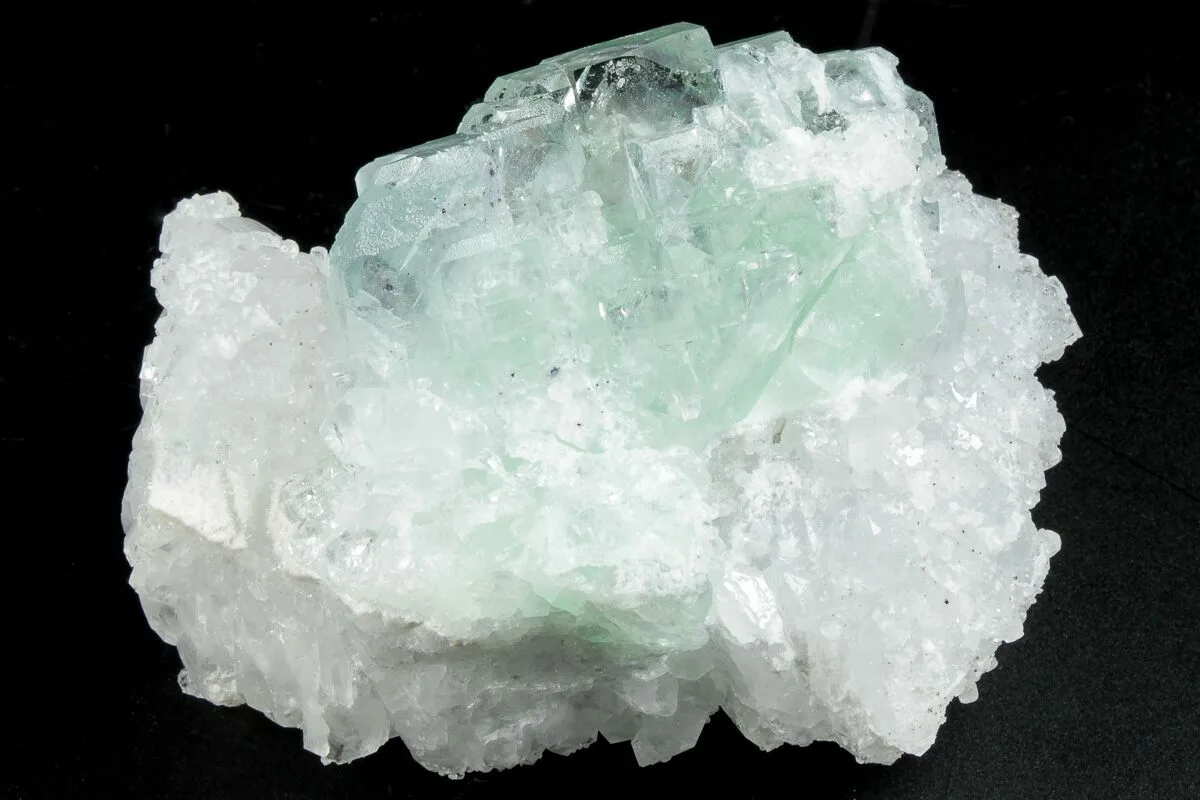
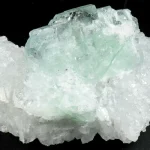
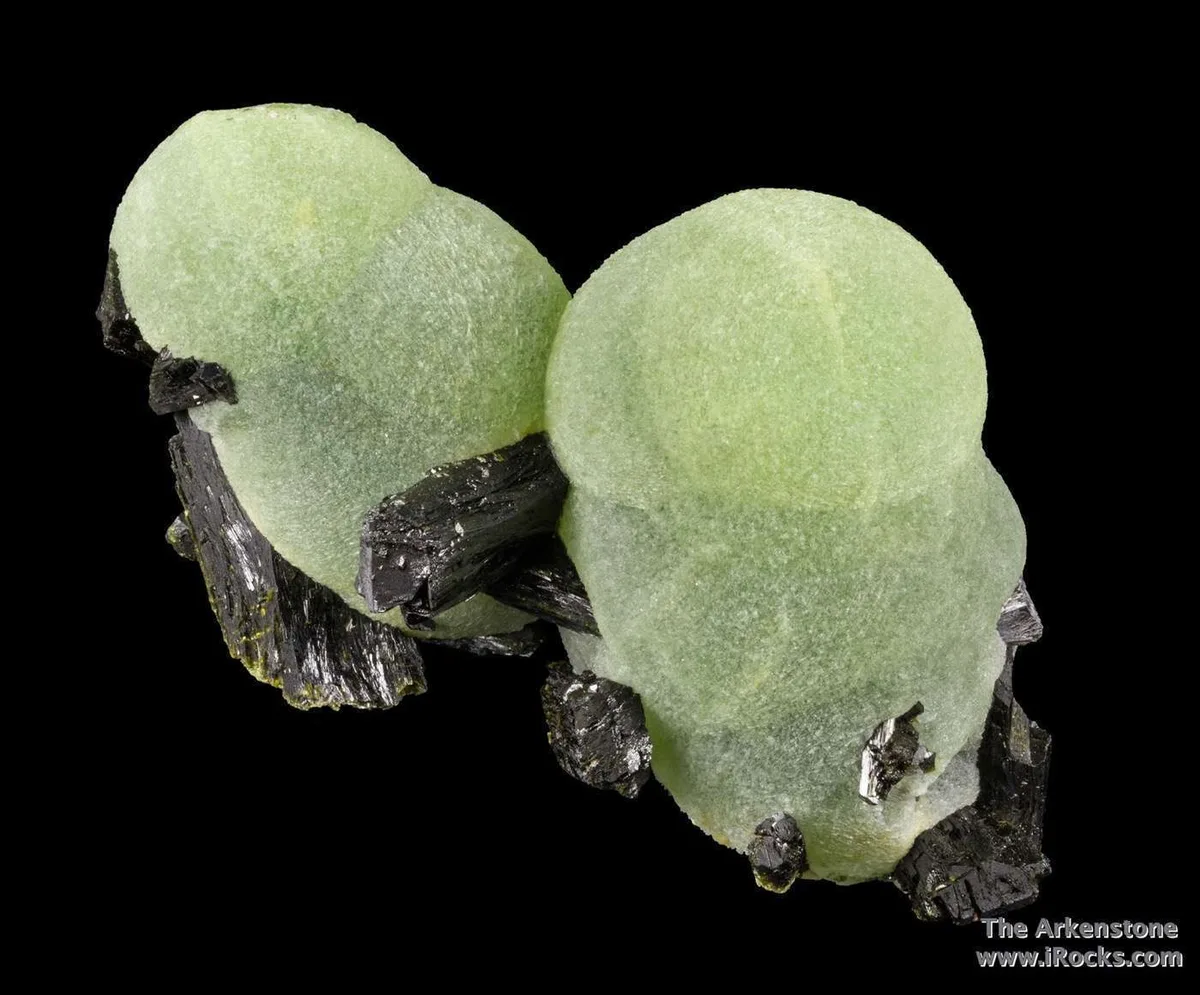
Let’s strip away the mysticism for a moment. These are common rock-forming minerals. Prehnite is a calcium aluminum silicate.
It often appears in pale green hues due to iron impurities. Epidote is a group of sorosilicates containing calcium, aluminum, and iron. Its color ranges from yellowish-green to brown-black.
Both sit around 6 to 7 on the Mohs hardness scale. This means they’re durable enough for jewelry but can scratch glass. Their chemical compositions are stable and non-toxic in solid form.
You won’t absorb heavy metals just by holding them.
| Mineral | Primary Composition | Typical Color | Hardness (Mohs) |
|---|---|---|---|
| Prehnite | Ca₂Al₂Si₃O₁₀(OH)₂ | Pale Green / Mint | 6 – 7 |
| Epidote | Ca₂(Al,Fe)₃(SiO₄)₃(OH) | Pistachio / Brown | 6 – 7 |
Understanding their geology grounds the discussion. These aren’t magical artifacts. They are products of heat and pressure over millions of years.
Knowing their physical traits helps you care for them properly. It also reminds us that their power lies in human perception, not atomic structure. Treat them with respect as natural objects.
This perspective fosters a healthier relationship with alternative practices. You appreciate their beauty without expecting miracles.
The Metaphysical Claim: Heart Openness Meets Grounding Stability
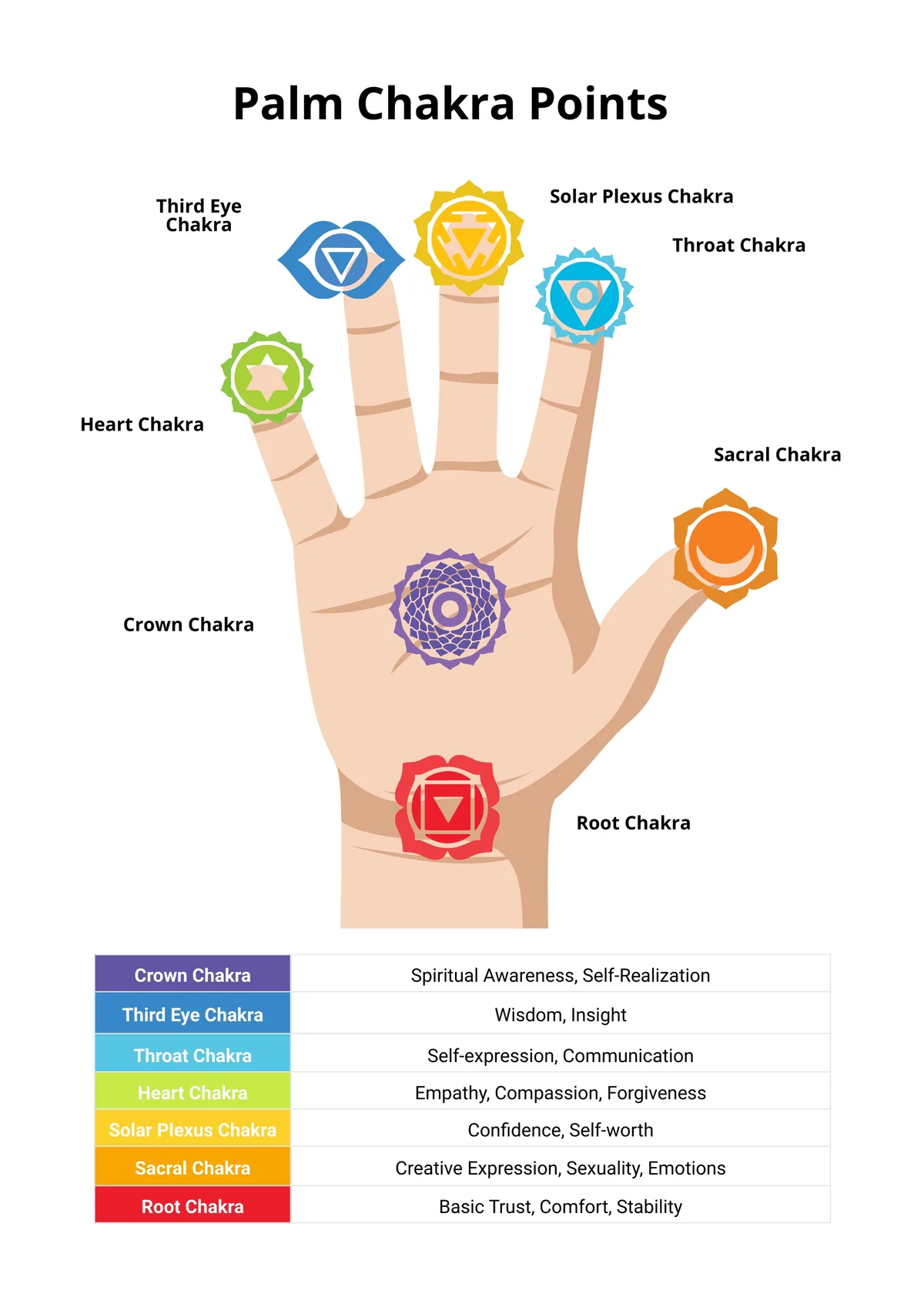
In crystal lore, pairing these two creates synergy. Prehnite is linked to the heart chakra. Practitioners say it promotes unconditional love and emotional release.
It’s often called the "stone of gentle transformation." Users claim it softens rigid thinking patterns.
Epidote connects to the root and sacral chakras. It’s viewed as a grounding force. Healers suggest it stabilizes emotions and boosts vitality.
The theory is that combining them balances higher feelings with lower stability. You get openness without losing your footing.
This narrative appeals to those seeking emotional balance. The idea of merging "heart" and "gut" instincts resonates psychologically. While science doesn’t validate chakra energies, the metaphor holds value.
It provides a framework for self-reflection. Holding a cold stone can anchor wandering thoughts. That tactile sensation triggers mindfulness.
So, the "healing" comes from the ritual, not the rock. You are using the object as a prompt for internal work. This approach respects the tradition without endorsing false medical claims.
It turns belief into a practical mental exercise.
Critical Safety Warning: When Crystals Replace Medical Care
Here is where we must be blunt. Using crystals instead of doctors is dangerous. Delayed treatment leads to worse outcomes.
If you have chest pain, see a cardiologist. Do not hold a prehnite pendant and wait. If you feel depressed, seek a therapist.
Stones cannot rewrite neural chemistry.
The FTC prohibits unsubstantiated health claims in advertising. Be wary of sellers promising cures. Genuine practitioners emphasize complementarity, not replacement.
They encourage concurrent medical care. Any source telling you to stop medication is red-flagged. Report such advice immediately.
Physical safety matters too. Small stones pose choking hazards for children. Sharp edges on raw specimens can cut skin.
Ensure your pieces are polished if worn near the body. Also, verify authenticity. Dyed howlite sometimes passes as prehnite.
Chemical dyes can irritate sensitive skin. Buy from reputable dealers who disclose treatments.
Our priority is your well-being. Spiritual exploration shouldn’t cost you your health. Keep your eyes open and your doctor close.
Use these tools wisely. They are accessories to life, not substitutes for living. Stay informed and stay safe.
Safe Integration: Using Stones as Mindfulness Tools, Not Cures
How do you use them responsibly? Start with intention setting. Hold the stones during meditation.
Focus on your breath. Let the physical weight ground you. This leverages sensory input to quiet the mind.
It’s a valid psychological technique.
Create a dedicated space for practice. A small altar or desk corner works. Place the prehnite and epidote together.
Visualize the balance you seek. Emotional openness paired with steady resolve. Journal afterward.
Note any shifts in mood. This tracks subjective benefits accurately.
Do not ingest these minerals. Swallowing rocks causes intestinal blockage. Keep them out of reach of pets and kids.
Clean them gently with water if needed. Avoid harsh chemicals that damage the polish. Store them separately to prevent scratching.
Equal hardness means they will mark each other.
Use them as anchors for daily check-ins. Touch the stone when stressed. Pause.
Breathe. Reset. This builds resilience through habit.
The stone is just a cue. The work happens inside you. Respect the tool’s limits.
Celebrate its role in your routine. This balanced view maximizes benefit while minimizing risk. You gain peace without peril.
Identifying Quality: Avoiding Treated or Fake Specimens
How do you spot a fake? Look closely at the color distribution. Natural prehnite often shows subtle variations in its mint green hue.
Dyed howlite, a common impostor, tends to have uniform, saturated color that pools in cracks. This is a dead giveaway.
Epidote can also be confused with other minerals. Check for pistachio-green tones mixed with brownish-black streaks. Pure, single-color stones are rare and suspicious.
Reputable dealers will disclose if a stone has been heated or dyed. Ask for certification when buying expensive pieces.
The American Gem Society provides guidelines for identifying treated gems. Their resources help buyers understand what constitutes ethical disclosure. Always verify the seller’s reputation before purchasing.
Cheap online listings often hide treatments. You pay for transparency, not just the rock. If a deal seems too good to be true, it probably is.
Stick to established vendors who stand by their products. This protects your investment and ensures you get genuine material.
Frequently Asked Questions About Prehnite-Epidote Pairings
Can I wear prehnite and epidote jewelry every day?
Yes, but caution is needed. Both minerals rate 6 to 7 on the Mohs scale. This makes them durable enough for daily wear, yet susceptible to scratching.
Remove rings during heavy manual labor or cleaning. Store them separately to prevent contact damage. Regular inspection of settings helps avoid loss.
Gentle care extends the life of your pieces significantly.
Do these stones need cleansing before use?
Practitioners recommend this step. It sets a psychological intention for your ritual. Common methods include smoke cleansing with sage or sound baths using bells.
Moonlight exposure is another popular choice. Scientifically, this has no effect on the mineral structure. However, the ritual aids mental focus.
Choose a method that resonates with your personal practice. Consistency matters more than the specific technique used.
Is it safe to put them in water?
Generally, yes. Neither prehnite nor standard epidote dissolves in water. But porous varieties or those with fractures might trap moisture.
This can lead to mold growth or discoloration over time. Dry them thoroughly after any contact with liquid. Avoid saltwater, as it may degrade metal settings.
Fresh water rinses are sufficient for dust removal. Patience with drying prevents long-term damage to the stone’s appearance.
What if I feel nothing when holding them?
That is normal. The placebo effect varies between individuals. Some people respond strongly to tactile sensations.
Others need visual cues or guided meditation. Try combining the stones with deep breathing exercises. Focus on the temperature and weight of the minerals.
Engagement amplifies the subjective experience. There is no "right" way to feel. Your comfort level dictates the utility of the tool.
Experiment with different contexts to find what works for you.

Similar Posts