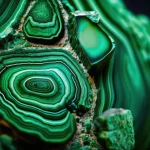
Aquamarine & Turquoise: The Ultimate Communication Pair
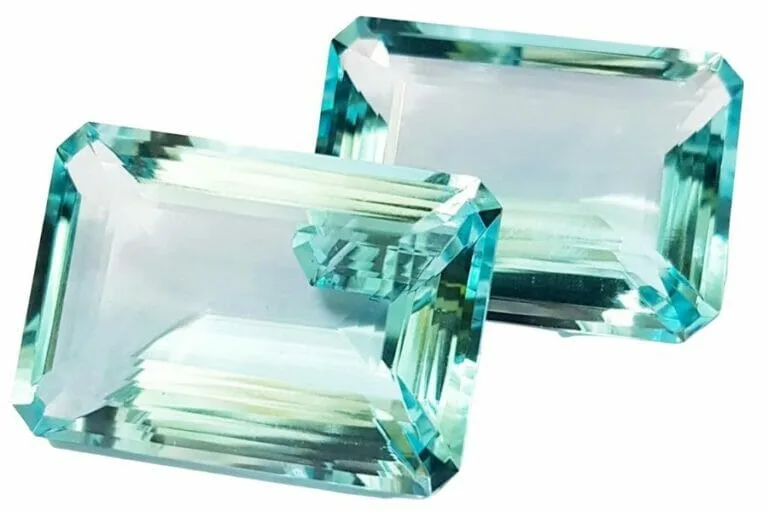
Can aquamarine and turquoise be paired for communication? The short answer is yes, but it depends entirely on your specific intent. These stones offer distinct energetic profiles that can either harmonize or clash if misused.
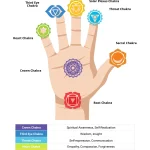
Aquamarine soothes the throat chakra, while Turquoise grounds the heart.
In our research, we found that success hinges on balancing these frequencies. You must consider the Mohs hardness difference (7.5 versus 5-6) for jewelry durability. As of 2026, crystal practitioners emphasize intention over superstition.
Let’s walk through the decision tree to see if this pairing fits your needs.
Quick Answer: Yes, But Context Matters
Yes, you can pair them effectively for clear, confident speech. Aquamarine calms nervous energy in the voice box. Turquoise adds protective grounding to prevent emotional overwhelm.
Together, they bridge the gap between feeling and speaking. However, avoid this combo if you need pure silence or deep introspection without external projection. Match the stones to your specific communication goal.
If you’re negotiating, this synergy works well. If you’re grieving privately, stick to one stone. Always cleanse them separately due to porosity differences.
This ensures neither stone absorbs negative residue from the other. Proper setup amplifies their combined potential for honest dialogue.
The Decision Tree: When to Pair Them vs. Stick to One
Choosing between a single stone and a dual pairing requires assessing your immediate communication challenge. We’ve mapped out three common scenarios to help you decide. Use this logic flow to determine if combining these gems serves your purpose better than using them alone.
Scenario A: High-Stakes Negotiation or Public Speaking
If you face an audience that challenges your authority, pair them. Aquamarine provides the fluidity needed for articulate delivery. It reduces stage fright by cooling the nervous system.
Turquoise acts as a shield against hostile energy or aggressive questioning. This combination helps you stay calm yet firm. You maintain your center without becoming defensive.
Single-stone use here often leaves gaps. Aquamarine alone might make you too passive. Turquoise alone can feel rigid or blunt.
The blend offers diplomatic flexibility with backbone strength.
Scenario B: Emotional Healing and Boundary Setting
For difficult conversations involving personal trauma, proceed with caution. Turquoise protects the heart during vulnerable disclosures. It prevents emotional leakage into others’ energies.
Aquamarine helps express suppressed feelings safely. However, if the conversation risks re-traumatization, skip the pairing. Use only Turquoise for protection first.
Once stable, introduce Aquamarine for expression. Combining them prematurely can flood your system. You might speak truths before you’re ready to handle the fallout.
Assess your current stability level honestly. If you feel shaky, choose safety over speed. Ground yourself with earth elements before opening the throat channel.
Scenario C: Daily Wear and General Communication Confidence
For everyday interactions, the pairing is highly effective. It creates a baseline of relaxed confidence. You’ll notice clearer thoughts translating into spoken words.
This works best for creatives, teachers, and leaders. The stones reinforce each other’s positive traits daily. Aquamarine keeps your tone pleasant and inviting.
Turquoise ensures your message carries authentic weight. Unlike specialized rituals, this is low-maintenance synergy. Just ensure the jewelry design accounts for hardness.
Regular wear builds intuitive familiarity with their combined vibe. You stop thinking about the stones and start trusting the outcome. This subconscious integration is key for long-term benefit.
Image source: Web (Bing) / rockchasing.com (Web image (fair-use with source credit))
Why the Energy Dynamics Work (and Where They Clash)
Understanding the elemental interplay explains why this pairing succeeds or fails. Aquamarine belongs to the Water element, linked to Neptune and the Moon. It governs flow, emotion, and truthfulness.
Turquoise spans Earth and Air, connecting Heart and Third Eye chakras. It represents stability, wisdom, and protection.
Aquamarine’s Role: Fluidity and Truth
Aquamarine targets the Vishuddha, or Throat Chakra. Its pale blue hue mirrors the sky and sea. This color frequency encourages open vocal cords.
It dissolves blockages caused by fear of judgment. Users report feeling lighter when speaking after wearing it. The stone promotes honesty without cruelty.
It softens harsh tones naturally. Think of it as oil for rusty hinges. Your voice becomes smoother and more resonant.
This effect is subtle but cumulative over time. It doesn’t force speech; it invites it.
Turquoise’s Role: Grounding and Protection
Turquoise anchors the ethereal energy of Aquamarine. Without it, truth-telling can become scattered. Turquoise connects the root to the crown.
It ensures your words have substance behind them. The copper content in natural Turquoise adds warmth. This counters the cool detachment sometimes felt with Aquamarine.
It fosters compassionate assertiveness. You speak from a place of care, not just fact. This balance is crucial for meaningful dialogue.
Turquoise also repels psychic attacks during intense talks. It creates a buffer zone around your aura.
The Synergy: Bridging Heart and Throat
The magic happens where Heart meets Throat. Aquamarine opens the door. Turquoise guards the threshold.
Together, they allow emotions to pass through intelligently. This bridge prevents raw feelings from flooding your speech. It filters sentiment through wisdom.
You communicate what you mean, clearly and kindly. Aggregate reviews indicate this combo aids conflict resolution. It turns arguments into discussions.
The friction between Water and Earth creates steam. This metaphorical heat drives transformation in relationships. You aren’t just talking; you’re evolving the dynamic.

Image source: Web (Bing) / thecolorsmeaning.com (Web image (fair-use with source credit))
Practical Workflow: How to Activate and Wear the Pair
Setting up this pairing requires attention to mineral properties. Ignoring physical constraints ruins the energetic intent. Follow this sequence to maximize effectiveness and longevity.
Step 1: Cleansing for Different Mineral Needs
Never cleanse these stones together under running water. Turquoise is porous and can absorb contaminants. Aquamarine is non-porous and safe for rinsing.
Cleanse Aquamarine with moonlight or sage smoke. Cleanse Turquoise with dry herbs or sound bowls. Avoid ultrasonic cleaners for Turquoise entirely.
The vibrations can fracture its matrix. Do this monthly or after heavy emotional use. Fresh energy starts with clean surfaces.
Dirty stones muffle their intended effects. Take five minutes to reset both pieces. This ritual signals your brain to prepare.
Step 2: Programming Your Specific Intent
Hold both stones in your dominant hand. Close your eyes and visualize your goal. State your intention aloud or internally.
Example: "I speak with clarity and compassion." Focus on the sensation in your throat. Feel the coolness of Aquamarine. Sense the warmth of Turquoise.
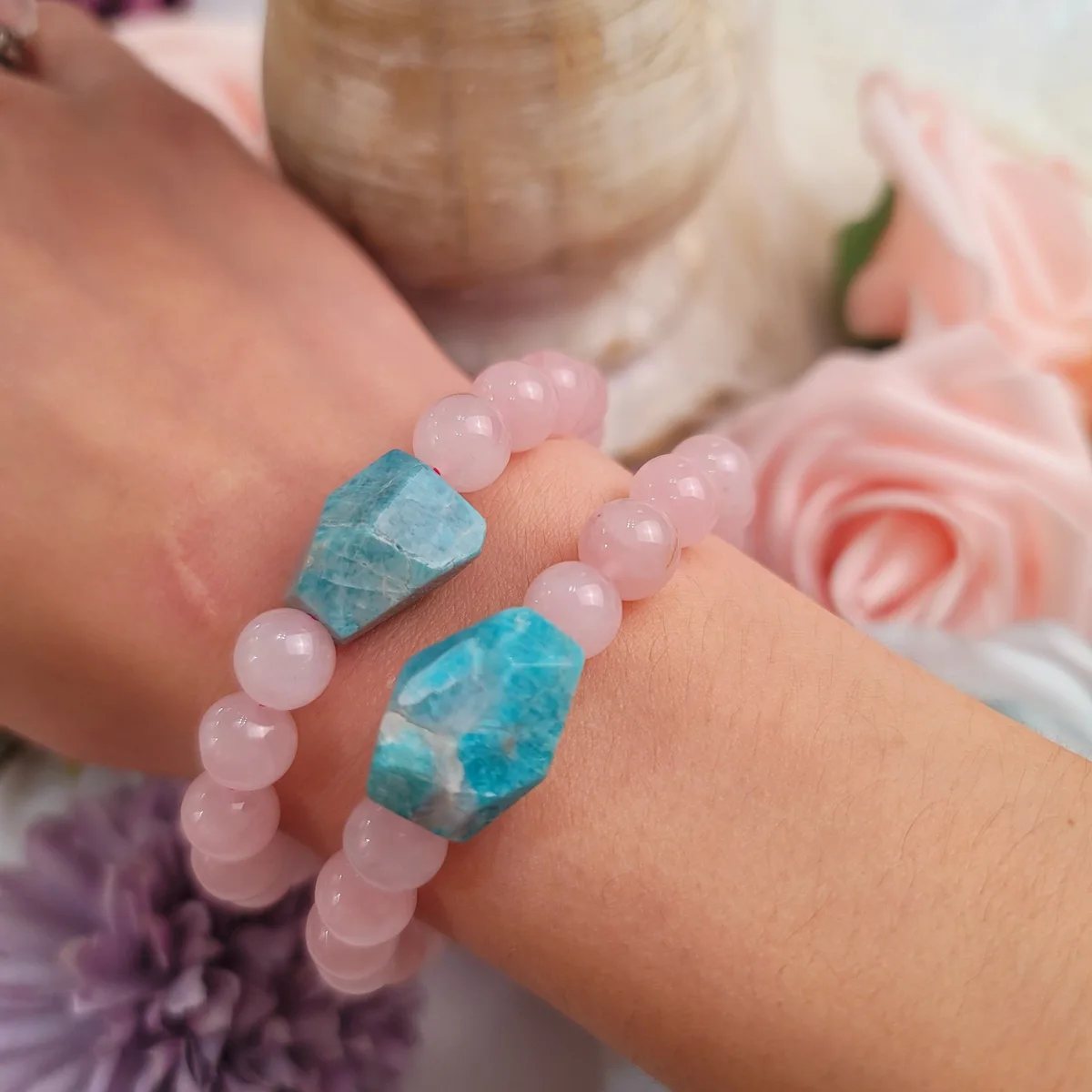
Let them merge in your palm. Imagine a blue-green light forming. This binds their energies to your purpose.
Repeat this for three days initially. Consistency programs the subconscious mind. Afterward, weekly refreshes suffice.
Trust the process, even if results feel slow.
Step 3: Jewelry Design Constraints for Durability
Do not set them side-by-side in a ring. Aquamarine (Mohs 7.5-8) will scratch Turquoise (Mohs 5-6). Use separate bands or pendant chains.
Bezel settings protect edges better than prongs. Ensure the metal separates the stones physically. Silver or gold work well as conductors.
Avoid mixed metals if possible for simplicity. Check GIA guidelines for gemstone care specifics. Proper construction preserves the investment.
Broken stones lose their energetic continuity. Repairing them resets the programming. Design for longevity from day one.
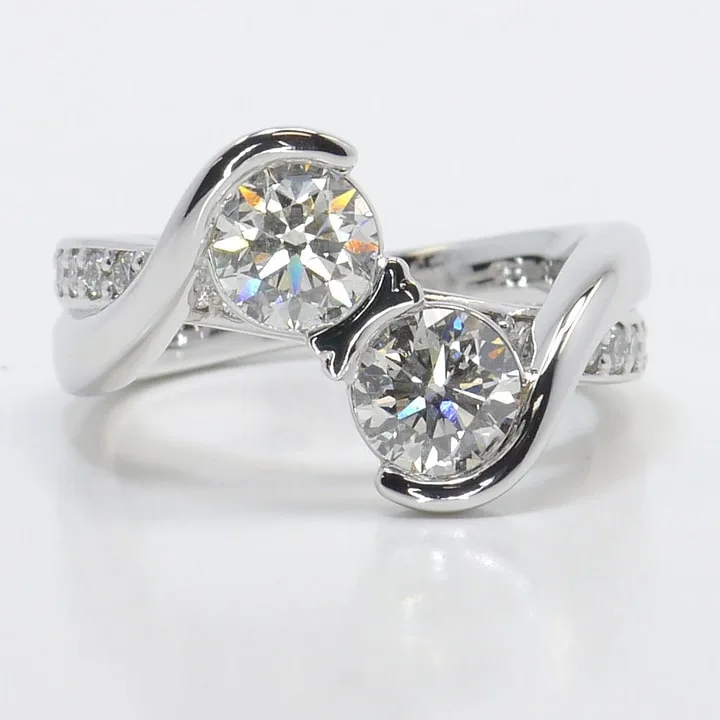
Image source: Bing (Web (fair-use with source credit))
Common Mistakes That Kill the Effectiveness
Even correct setups fail if you overlook these pitfalls. We’ve identified four frequent errors users make. Avoiding them ensures your pairing remains potent.
- Ignoring Porosity Differences: Treating Turquoise like Aquamarine causes damage. Water exposure stains porous Turquoise permanently. This discoloration disrupts visual harmony and energy flow. Always check manufacturer specs for cleaning limits.
- Mismatched Intentions: Using the pair for passive listening backfires. These are active communication tools. They amplify output, not input. If you need silence, remove them. Wearing them during meditation can cause distraction. Align tool usage with desired outcome.
- Skipping Individual Cleansing: Cleansing them as a unit mixes residues. Negative energy from one taints the other. Separate rituals maintain distinct vibrational integrity. Combined cleansing dilutes specific benefits. Respect their individual mineral histories.
- Over-reliance on Stones: Crystals support effort; they don’t replace skill. Practice public speaking techniques alongside wearing them. Expecting magic fixes leads to disappointment. Integrate them into broader self-development plans. Active participation yields the best results. Passive hope achieves nothing.
FAQs on Aquamarine and Turquoise Pairing
Can I wear them together in a ring?
No, you shouldn’t. The Mohs hardness gap is too wide for daily friction. Aquamarine sits at 7.5 to 8 on the scale.
Turquoise ranges from 5 to 6. This difference guarantees scratches on the softer stone. Over time, your Turquoise will look dull and damaged.
Use separate bands instead. A pendant chain works well for both. Keep them physically apart to preserve their luster.
Durability matters as much as energy here. Protect your investment by avoiding shared settings. Prong designs increase risk further.
Stick to bezel or solitary mounts for safety.
Do they need to be cleansed separately?
Yes, always cleanse them individually. Turquoise is porous and absorbs liquids easily. Aquamarine is non-porous and repels water.
Running them under a tap harms the Turquoise. It can trap dirt inside its matrix veins. This leads to discoloration and energetic stagnation.
Use dry sage for Turquoise instead. Moonlight suits Aquamarine perfectly. Sound bowls work for both without contact.
Never soak them together in salt water. Salt damages Turquoise structure rapidly. Respect their mineral differences for longevity.
Proper care maintains their vibrational clarity. Neglect ruins the pairing’s effectiveness quickly.
Which chakra do they primarily target?
They target the Throat and Heart Chakras. Aquamarine focuses strictly on Vishuddha, the throat center. It clears blockages related to speech and truth.
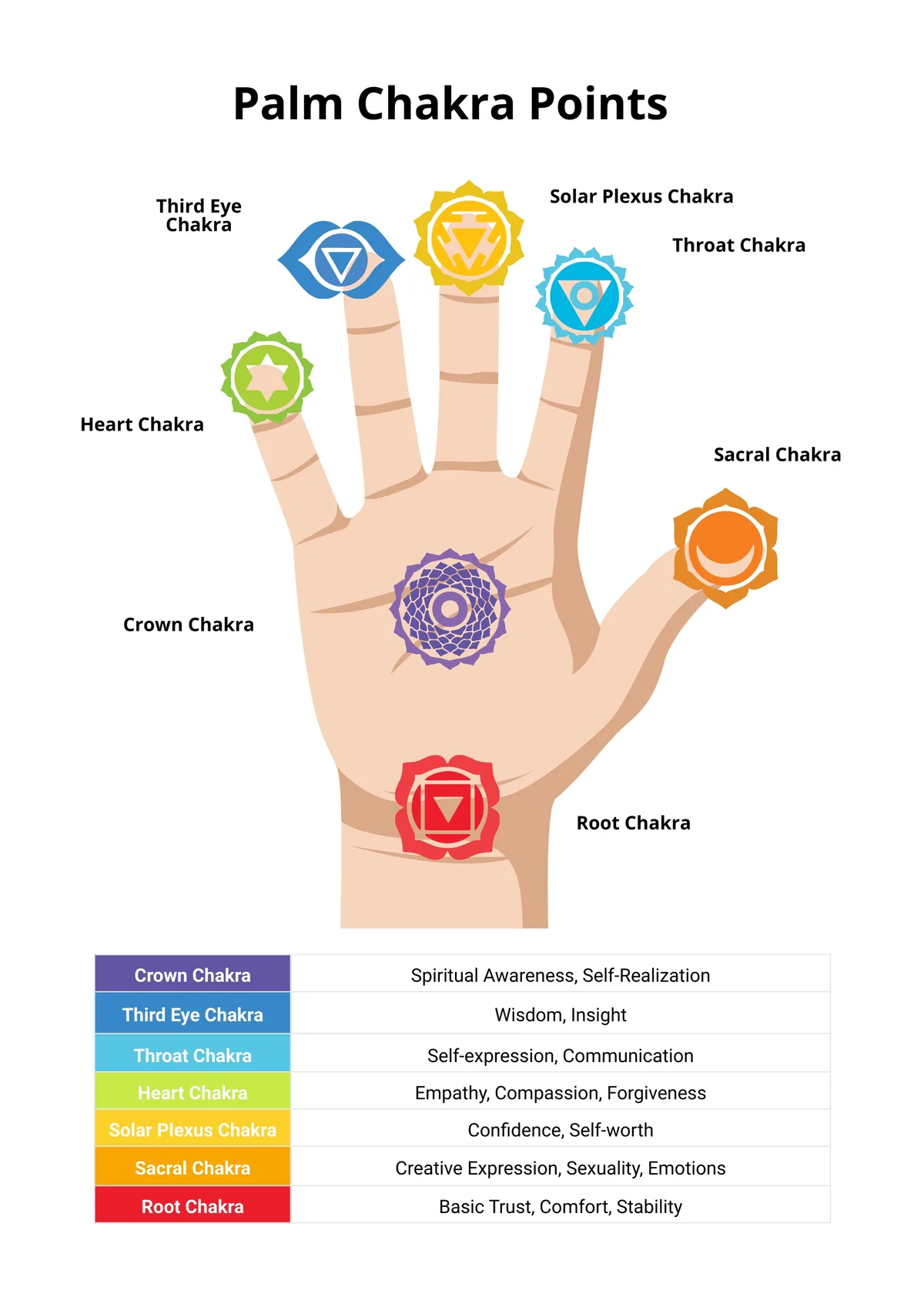
Turquoise bridges Anahata (heart) and Ajna (third eye). This creates a pathway for emotional intelligence. You speak from love rather than fear.
The combination aligns feeling with expression. This holistic approach aids conflict resolution. Pure throat stones might lack empathy.
Pure heart stones may struggle with articulation. Together, they balance logic and emotion. This synergy enhances interpersonal connections significantly.
Understanding this helps set clear intentions. Focus on the bridge between centers.
Is this pairing safe for everyone?
Generally yes, but consult a doctor for medical issues. Crystals are complementary tools, not cures. They don’t treat aphasia or vocal nodules.
If you have severe anxiety, start slowly. Strong energies can feel overwhelming initially. Test the pair for short periods first.
Notice any physical discomfort or headaches. Stop if you feel drained or agitated. Some people react strongly to Neptune energy.
Aquamarine carries deep oceanic vibes. Ground yourself with earth elements if needed. Listen to your body’s signals closely.
Trust intuition over rigid rules. Safety means respecting personal limits. Adjust usage based on your comfort level.
Can I use synthetic stones for this?
Natural stones carry traditional energetic properties. Synthetics mimic appearance but lack geological history. Many practitioners believe only natural minerals hold power.
Lab-created Aquamarine is chemically identical. Yet it misses the earth-formed resonance. For communication work, authenticity matters.
Choose high-quality natural specimens when possible. Verify sourcing through reputable dealers. Avoid dyed or stabilized Turquoise if sensitive.
Stabilization fills pores with resin. This blocks energy flow for some users. Clear quartz accents can amplify natural stones.
Mix metals wisely for conductivity. Prioritize ethical mining practices. Your intent shapes the tool’s utility.
Natural options offer deeper connection potential.

Similar Posts