What is a Manifesto: Unleashing Your Vision
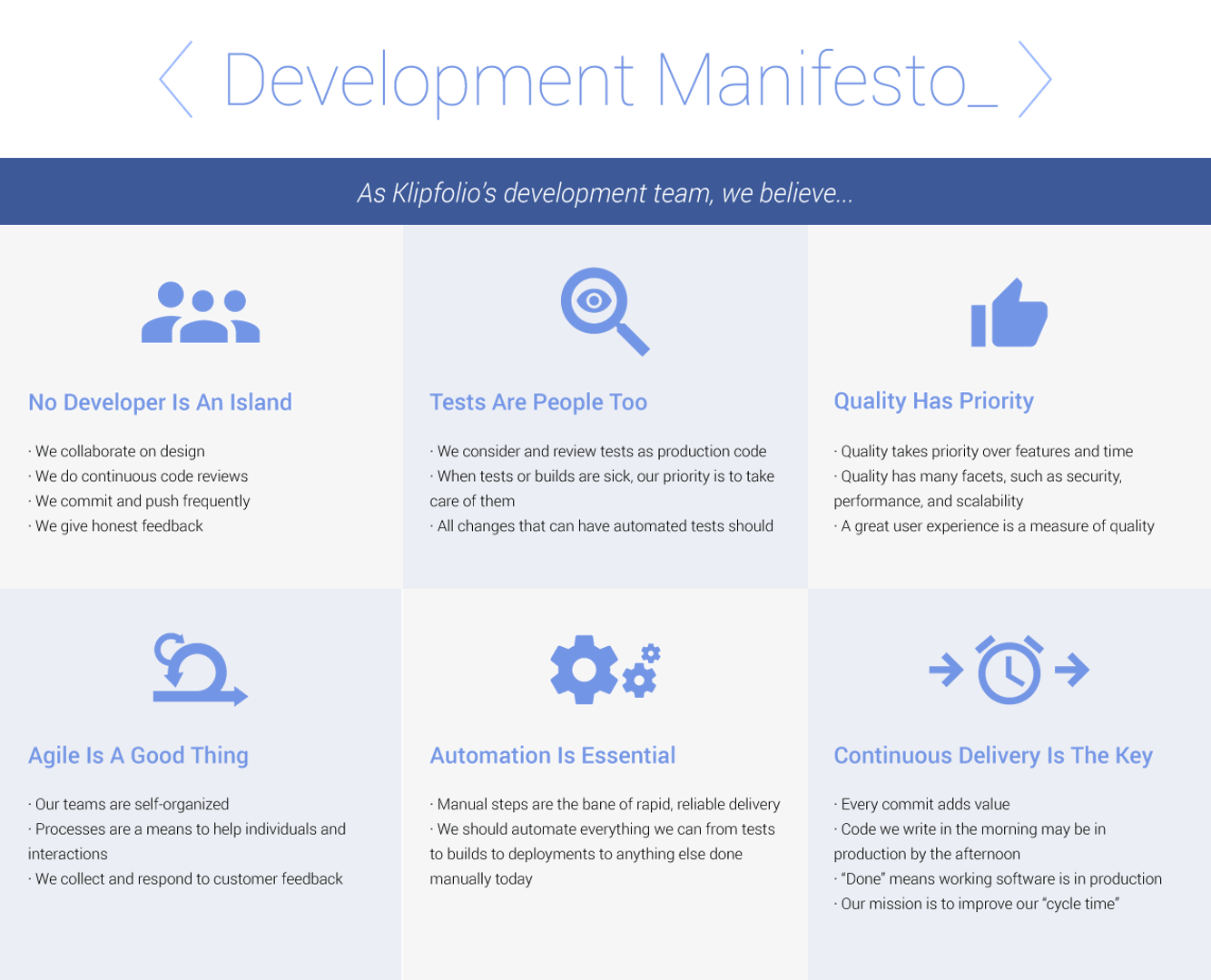
Have you ever wondered why some ideas catch fire and inspire people to take action? The secret often lies in a powerful tool called a manifesto.
But what exactly is a manifesto, and why should you care? Whether you want to rally support for a cause, define your personal mission, or lead a group with clarity, understanding a manifesto can change the way you communicate your vision.
Keep reading, and you’ll discover how a simple statement can ignite passion, build trust, and guide your path to success.

Credit: medium.com
Manifesto Basics
A manifesto is more than just words on paper. It declares beliefs, goals, and plans. It guides actions and inspires others. Understanding the basics helps you see why manifestos matter.
Definition And Purpose
A manifesto is a public statement. It shows ideas and intentions clearly. People or groups use it to share their vision. It explains what they believe and want to change. It helps unite others around a common cause.
Historical Roots
Manifestos have a long past. They appeared in politics, art, and social movements. Early examples include political declarations and revolutionary calls. These documents shaped history by challenging old systems. They gave people a voice to demand change.
Modern Uses
Today, manifestos serve many roles. Companies use them to express values and culture. Activists write manifestos to highlight issues and solutions. Artists publish manifestos to explain new styles or ideas. Manifestos continue to inspire and guide action worldwide.
Crafting Your Vision
Crafting your vision is the heart of writing a manifesto. It sets the direction and shows what truly matters. This vision guides every choice and action. Clarity in vision helps others understand and join your cause.
Identifying Core Beliefs
Start by knowing what you deeply believe. These beliefs form the foundation of your manifesto. They reflect your values and what you stand for. Focus on a few strong beliefs that shape your purpose. Clear beliefs make your message powerful and honest.
Setting Clear Goals
Goals give your vision a target to reach. Define what you want to achieve with your manifesto. Make goals specific and simple to follow. This helps keep your efforts focused and effective. Clear goals inspire action and measure progress.
Expressing Passion
Show your true feelings about your vision. Passion brings energy and life to your words. Use simple, heartfelt language to connect with readers. Passion makes your manifesto memorable and motivating. It invites others to care and act.
Key Elements Of A Manifesto
A manifesto is more than just a statement—it’s a powerful declaration of beliefs and intentions. To make your manifesto truly impactful, it needs certain key elements that grab attention and inspire action. Understanding these elements will help you craft a message that resonates deeply with your audience.
Bold Statements
Bold statements are the backbone of any manifesto. They clearly express your core beliefs without hesitation or doubt. Using strong, confident language helps you stand out and make your message unforgettable.
Think about a time you read something that challenged your thinking. That impact often came from a bold claim that made you pause and reflect. What bold statement could you make that would compel your readers to rethink their views?
Call To Action
A manifesto isn’t just words on a page; it’s a prompt for change. Every manifesto should include a clear call to action that tells your readers what to do next. Whether it’s joining a movement, changing a habit, or spreading the message, your audience needs direction.
Without a call to action, your manifesto risks becoming a passive read. Ask yourself: What specific step do you want your readers to take after they finish reading?
Emotional Appeal
Emotions drive decisions more than facts alone. A manifesto that connects on an emotional level motivates people to care and commit. Use stories, vivid language, and relatable feelings to make your message hit home.
Remember a manifesto that moved you—chances are it stirred emotions like hope, anger, or inspiration. How can you tap into your audience’s emotions to make your manifesto unforgettable?

Credit: kristofberg.medium.com
Manifesto Formats
Manifestos can take many shapes depending on the message you want to deliver and the audience you want to reach. Choosing the right format helps you communicate your core beliefs clearly and powerfully. Understanding different manifesto formats can guide you to present your ideas in the most effective way.
Written Documents
Written manifestos are the classic format. They allow you to explain your ideas in detail and give readers time to reflect. You can use bold headings, bullet points, and numbered lists to make your manifesto easy to follow.
Think about the impact of famous manifestos like The Communist Manifesto or The Declaration of Independence. Their written form made complex ideas accessible and memorable. You can write your manifesto as a pamphlet, booklet, or even a single-page letter.
Visual Manifestos
Visual manifestos use images, colors, and design to express ideas quickly and emotionally. They catch attention and often stick in the mind longer than text alone. Infographics, posters, or even artwork can serve as a powerful way to share your vision.
Have you noticed how some brands use logos and visuals to represent their values? That’s a type of visual manifesto. Using symbols and strong visuals can make your message universal and easier to share.
Digital Presentations
Digital presentations combine text, images, and sometimes video or audio to create an engaging experience. Platforms like PowerPoint, Prezi, or even social media slideshows can help you reach a wider audience online. This format allows you to add animation or interactive elements to keep viewers interested.
Imagine sharing your manifesto in a way that allows people to click through and absorb each point step-by-step. This approach can be especially effective if you want to educate or persuade your audience gradually. It also makes your manifesto easy to update and share across different devices.
Impact And Influence
A manifesto has a powerful impact on people and society. It shapes ideas and guides actions. Its influence can inspire change, unite groups, and spark movements. Understanding this impact helps to see why manifestos matter.
Inspiring Change
Manifestos often call for new ways of thinking. They challenge old beliefs and habits. This can motivate people to act differently. Small steps or big shifts begin with these ideas. Manifestos give people a clear reason to change.
Building Communities
People who share the same values gather around a manifesto. It creates a sense of belonging and purpose. Communities form through shared goals and visions. These groups support each other and grow stronger together. A manifesto helps to connect like-minded individuals.
Driving Movements
Movements start with a strong message. A manifesto provides this message clearly. It directs efforts toward a common goal. Large groups can push for social, political, or cultural shifts. The manifesto acts as a guide and rallying point for action.
Examples To Learn From
Manifestos come in many forms and serve different purposes. Studying examples helps understand how to create your own. They reveal how clear ideas guide actions and inspire others. Here are some notable examples to learn from.
Famous Political Manifestos
Political manifestos outline a party’s goals and promises. They speak directly to voters and shape public policy. For example:
- The Communist Manifestoby Karl Marx and Friedrich Engels set a new political agenda.
- The Declaration of Independenceexpressed a nation’s desire for freedom and justice.
- The Labour Party Manifestoin the UK often highlights social reforms and economic plans.
These documents use clear language to express strong values and commitments.
Corporate Vision Statements
Businesses use manifestos to share their purpose and future goals. Vision statements show what companies stand for and aim to achieve. Examples include:
- Google’s Missionto organize the world’s information and make it accessible.
- Patagonia’s Environmental Commitmentfocuses on protecting nature through business.
- Tesla’s Visionto accelerate the world’s transition to sustainable energy.
These statements inspire employees and customers by showing clear direction.
Artistic And Personal Manifestos
Artists and individuals use manifestos to share beliefs and creative goals. These often challenge norms and invite new thinking. Some well-known examples:
- Futurist Manifestocelebrated speed, technology, and change in art.
- The Surrealist Manifestointroduced ideas about dreams and the unconscious mind.
- Personal Manifestoshelp people define their values and life purpose.
These manifestos encourage bold ideas and personal expression.
Steps To Write Your Own
Writing your own manifesto can be a powerful way to clarify what you stand for and what you want to achieve. It helps you focus your thoughts and communicate your values clearly. The process is straightforward if you break it down into manageable parts.
Brainstorming Ideas
Start by jotting down everything that matters to you. What drives your passion? What principles do you refuse to compromise on?
Don’t worry about order or style yet—just capture raw ideas. Think about moments when you felt strongly about a cause or decision. What made those experiences meaningful?
Ask yourself: If I had to inspire someone with my beliefs in a few sentences, what would I say? This can guide your focus.
Drafting Your Message
Now, shape those ideas into clear, concise statements. Use simple language that anyone can understand.
Write as if you’re talking to a friend who needs to know what you believe and why it matters. Keep your tone confident but approachable.
Try to include specific goals or actions you want to commit to. This makes your manifesto not just a list of beliefs but a call to action.
Refining And Sharing
Review your draft and cut any unnecessary words or vague phrases. Clarity is key; every sentence should have a purpose.
Read it out loud or ask someone you trust for feedback. Fresh eyes can spot parts that are confusing or don’t resonate.
When you’re happy with it, share your manifesto. Post it on your blog, social media, or print it out where you’ll see it daily. How will you remind yourself of these commitments?

Credit: medium.com
Frequently Asked Questions
What Is The Primary Purpose Of A Manifesto?
A manifesto clearly states beliefs, goals, and intentions. It guides actions and inspires others to support a cause or movement.
How Does A Manifesto Differ From A Mission Statement?
A manifesto is bold and passionate, outlining values and vision. A mission statement is concise, focusing on practical objectives and operations.
Why Are Manifestos Important In Politics And Business?
Manifestos build trust by showing clear commitments. They help leaders communicate their vision and rally support from followers or customers.
What Key Elements Should A Powerful Manifesto Include?
A strong manifesto includes core values, clear goals, and a call to action. It connects emotionally and motivates people to engage actively.
Conclusion
A manifesto shares clear ideas and strong beliefs. It guides actions and shows what matters most. People use manifestos to express hopes and plans. Writing one helps focus on goals and values. It can inspire others to join a cause.
A simple manifesto speaks with honesty and heart. Everyone can create a manifesto for their vision. It brings clarity and purpose to any effort. Think of it as a roadmap for your mission. Manifestos make ideas real and easy to follow.

Similar Posts