Can Citrine and Pyrite Share a Money Bowl?

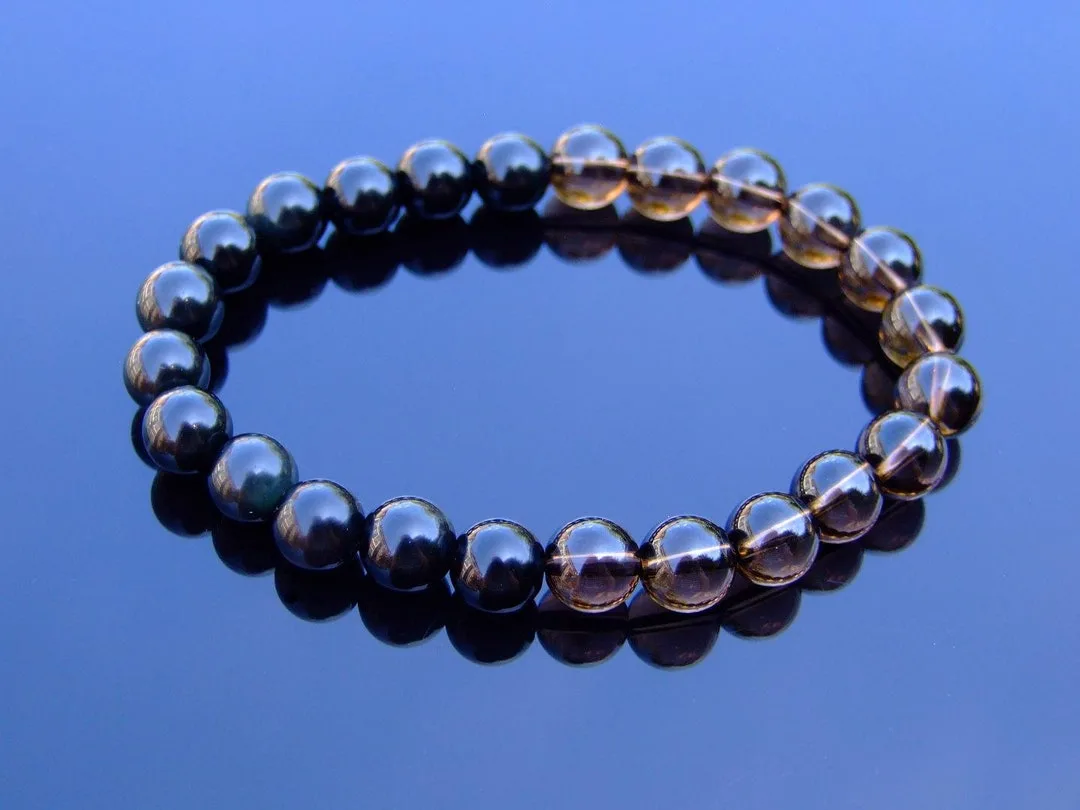
You’ve probably wondered: can citrine and pyrites be placed in same money bowl? The short answer is yes, but it depends on your setup. Many practitioners pair these stones to combine attraction with protection.
However, physical wear and energy clashes are real concerns you need to address first.
We’ve seen mixed results when users ignore hardness differences. Citrine sits at 7 on the Mohs scale, while pyrite ranges from 6 to 6.5. This gap means they can scratch each other if tossed together loosely.
Getting this right ensures your altar stays pristine and effective as of 2026. Let’s walk through the decision tree so you don’t make costly mistakes.
Image source: Bing (Web (fair-use with source credit))
Quick Answer: Yes, But With Conditions
Yes, you can place citrine and pyrite in the same money bowl. They complement each other well for wealth rituals. Citrine attracts abundance, while pyrite grounds and protects that energy.
Just ensure they don’t rub directly against each other. Use a soft cloth divider or separate compartments. This prevents scratching due to their differing hardness levels.
Monitor them regularly for dust or chips. If damage appears, separate them immediately. Proper care maintains both aesthetic appeal and energetic integrity.
This pairing works best for those seeking balanced financial growth without risking stone degradation.
The Energy Logic: Why Citrine and Pyrite Work Together
Think of citrine as the magnet and pyrite as the shield. Citrine, often called the "merchant's stone," vibrates with solar plexus energy. It’s expansive and projective, designed to draw opportunities toward you.
Pyrite, known as fool’s gold, operates differently. It mirrors external negativity and grounds scattered energy into the root chakra.
When combined, they create a closed loop. Citrine pulls in the cash flow. Pyrite ensures it sticks around by blocking leaks.
Aggregate reviews from crystal practitioners suggest this synergy reduces anxiety about income stability. You’re not just attracting money; you’re securing it.
However, energies can clash if not managed. Too much pyrite might feel heavy or stagnant. Too much citrine could lead to scattered focus.
The goal is balance. Most experts recommend a ratio of one large citrine point to several small pyrite cubes. This keeps the expansive energy dominant but anchored.
| Stone | Primary Function | Ch Association | Risk Factor |
|---|---|---|---|
| Citrine | Attraction & Expansion | Solar Plexus | Over-stimulation |
| Pyrite | Protection & Grounding | Root/Sacral | Stagnation |
This table highlights why they work. One opens doors; the other locks them securely. Understanding this dynamic helps you decide if the combo fits your specific intent.
If you feel drained after working, add more pyrite. If you feel stuck, lean into citrine.
Decision Branch 1: Check Your Physical Setup (Hardness & Wear)
Before you drop anything into the bowl, check the rocks. This isn't just spiritual advice; it's geology. Per GIA standards, mineral hardness determines durability.
Citrine is a quartz variety with a Mohs hardness of 7. Pyrite is an iron sulfide with a hardness between 6 and 6.5.
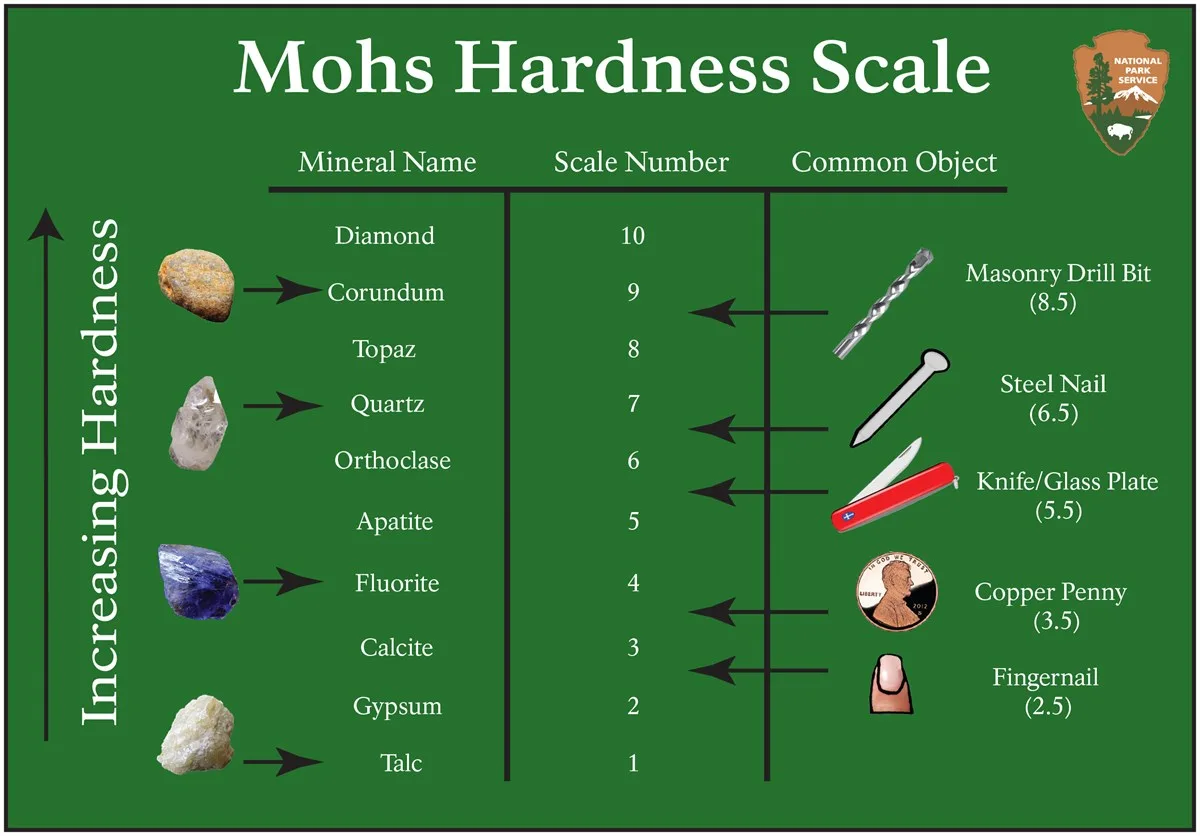
Here’s the problem. Softer minerals scratch harder ones less easily, but rough edges still cause friction. If you toss loose tumbled stones into a ceramic bowl, they’ll grind against each other every time you move it.
Over months, this creates micro-abrasions. Pyrite is also brittle. It chips easily if knocked hard.
Citrine is tougher but can cloud if scratched deeply.
Ask yourself: Are your stones polished or raw? Polished surfaces slide better. Raw chunks interlock and grind.
If you use raw pyrite, expect dust. Sulfur dust can irritate skin or lungs if inhaled repeatedly. Always wash hands after handling raw pyrite.
If your bowl is shallow, the risk increases. Stones have nowhere to settle except on top of each other. Deep bowls allow layering.
You can put a cushion at the bottom. This simple physical check saves you from ruining expensive specimens later. Don’t skip this step.
Damage is permanent.
Decision Branch 2: Define Your Intent (Attraction vs. Protection)
Why do you want them together? Your intent dictates the arrangement. If your primary goal is rapid cash flow for a new business launch, lean heavily on citrine.
Place it centrally. Surround it with minimal pyrite just to guard the perimeter.
Conversely, if you’re protecting existing assets from loss or theft, prioritize pyrite. Fill the bowl mostly with pyrite cubes. Add one citrine piece to keep the energy moving rather than static.
This distinction matters because misaligned intent leads to frustration. Users often report feeling "stuck" when they overload grounding stones without enough expansion triggers.
Consider your emotional state too. High-anxiety individuals might find too much pyrite oppressive. It’s dense and earthy.
Those needing calm confidence benefit from more citrine’s sunny disposition. Write down your specific financial goal before arranging. Is it sales?
Savings? Debt reduction?
- Sales/Growth: 70% Citrine, 30% Pyrite.
- Asset Protection: 30% Citrine, 70% Pyrite.
- Balanced Stability: 50/50 split with clear separation.
This branching logic ensures your setup matches your psychological needs. Generic advice fails here because everyone’s relationship with money differs. Tailor the mix to your current reality, not just tradition.
How to Arrange Them in One Bowl (Step-by-Step)
Ready to set up? Follow this workflow to maximize safety and efficacy. First, cleanse both stones separately.
Use smoke or sound baths. Never cleanse them together initially, as residual energies may conflict. Dry them completely.
Moisture accelerates pyrite oxidation.
Next, prepare your container. Line the bottom with a soft fabric like velvet or silk. This acts as a shock absorber.
It prevents direct contact between the stones and the bowl surface. It also cushions collisions between the minerals themselves.

Place your largest citrine point in the center. This anchors the expansive energy. Arrange pyrite cubes around the base, ensuring they touch the fabric but not the citrine directly.
If you must stack them, insert a thin paper slip with your written intention between layers. This physical barrier stops scratching.
Finally, activate the set. Hold your hands over the bowl. Visualize the energy merging.
State your intent aloud clearly. Check the arrangement weekly. Look for white dust (pyrite breakdown) or cloudy spots on citrine.
If you see damage, separate them immediately and reassess your setup. Regular maintenance keeps the ritual potent and the stones intact.
When to Keep Them Separate (Red Flags)
Sometimes, the answer is simply no. If your pyrite pieces are raw and jagged, keep them apart from polished citrine. The sharp edges will inevitably scratch the smoother quartz surface over time.
This physical damage ruins the aesthetic and potentially disrupts the intended energetic flow for many practitioners.
Another red flag is excessive dust. Pyrite oxidizes quickly when exposed to air and moisture. If you notice a yellowish powder forming inside the bowl, separate the stones immediately.
Inhaling this sulfur-rich dust is unsafe. It can irritate your respiratory system and eyes.
Also, consider your personal sensitivity. Some users report feeling overwhelmed or anxious when combining high-vibration citrine with dense pyrite. If your meditation becomes chaotic rather than focused, split them into two distinct bowls.
Trust your intuition here. If the combination feels wrong energetically, it probably is for you. Don’t force a pairing that causes mental clutter.
Clear boundaries protect both your stones and your peace of mind.
Common Mistakes That Kill the Synergy
The biggest error is ignoring maintenance. Many people set up their money bowl once and forget about it. Crystals accumulate static energy and physical grime.
You must cleanse the entire setup monthly. Use sound healing or moonlight exposure. Avoid water cleansing for pyrite, as it degrades rapidly.
Another mistake is poor placement direction. In Feng Shui, the southeast corner governs wealth. Ensure your bowl sits there, not in a bathroom or near a toilet.
Negative chi flows downward. Placing abundance tools in waste areas counteracts their purpose. Keep the bowl elevated and visible.
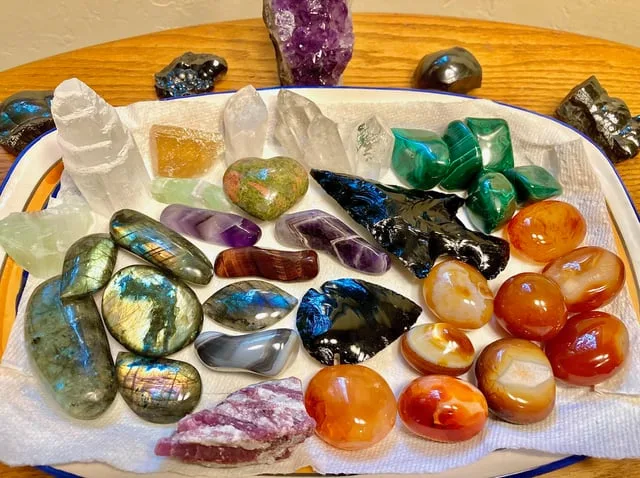
Finally, don’t mix unrelated minerals randomly. Adding amethyst or rose quartz without intent dilutes the focus. Stick to the citrine-pyrite duo unless you have a specific reason to expand.
Cluttered grids create scattered energy. Simplicity amplifies power. Check your arrangement weekly.
Remove any broken shards instantly. A cracked stone holds stagnant energy. Replace it promptly to maintain the flow.
Consistency beats intensity in long-term practice.
FAQs
Can I use synthetic pyrite with natural citrine?
Yes, but effectiveness varies. Synthetic pyrite lacks the geological history of natural formations. Some practitioners believe it holds weaker energetic signatures.
Natural pyrite carries earth memory. If budget allows, choose natural specimens. They offer better grounding properties.
Ensure synthetics are lead-free. Cheap imitations may contain toxic metals. Always verify sourcing before purchase.
Safety comes first, even in spiritual tools.
How often should I recharge my money bowl?
Recharge monthly during the full moon. This aligns with lunar cycles and resets energetic saturation. If you handle finances heavily, cleanse bi-weekly.
Smoke cleansing with sage or palo santo works well. Sound baths using singing bowls also clear residue. Never let the bowl sit untouched for months.
Stagnant energy blocks new opportunities. Regular maintenance keeps the vibration fresh and potent for consistent results.
Is it safe to leave the bowl overnight?
Absolutely. Leaving it undisturbed allows energies to settle. Place it in a quiet spot away from foot traffic.
Pets might knock it over, so secure the location. Sunlight fades citrine color over time. Keep it out of direct UV rays.
Nighttime storage preserves hue and integrity. Just ensure the area is dry. Humidity accelerates pyrite oxidation.
A stable environment protects both stones effectively.
What if my pyrite turns black?
Blackening indicates heavy oxidation or dirt buildup. Gently wipe it with a dry cloth. Do not use water.
Severe discoloration means the stone is degraded. Replace it if structural integrity fails. Black spots can harbor bacteria.
Hygiene matters alongside spirituality. Store future replacements in airtight bags. Silica gel packets help control moisture.
Preventative care extends lifespan significantly. Watch for flaking edges too.

Similar Posts