Can You Cleanse Crystals with Palo Santo Smoke Indoors?
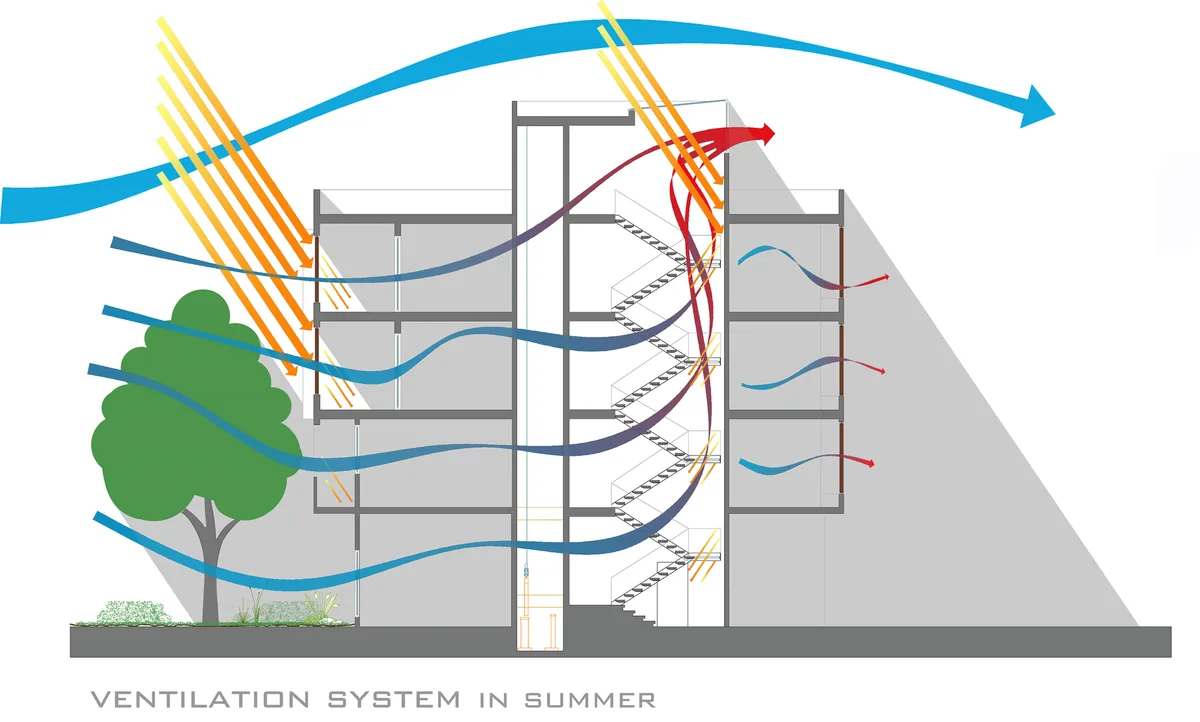
So, can you cleanse crystals with palo santo smoke inside apartment? The short answer is yes, but it’s risky if you ignore ventilation and stone type. Many renters assume burning incense or wood sticks is harmless in a small space.
It isn’t. Palo Santo produces thick, resinous smoke that lingers longer than expected.
You need to manage three variables: airflow, crystal porosity, and fire codes. A standard stick burns for 3 to 5 minutes, releasing particulate matter (PM2.5) that triggers sensitive detectors. Manufacturer specs confirm the ember temperature hits 600°F to 800°F.
Let’s break down exactly how to do this safely without damaging your lease or your gems.
Quick Answer
Yes, you can cleanse crystals with palo santo smoke inside an apartment. You must ensure strong cross-ventilation first. Avoid using this method on porous stones like selenite.
Keep sessions under ten minutes total. Always use a heat-safe holder. Never leave the stick unattended.
Check your lease for open flame bans.
Check Your Apartment’s Fire Safety and Lease Rules First
Before lighting anything, verify your building’s specific restrictions. Most leases prohibit open flames or scented products that trigger alarms. If your contract bans smoking, it likely bans smudging too.
Violating this clause risks fines or eviction notices.
Next, assess your ventilation reality. An apartment with sealed windows relies on HVAC recirculation. This spreads smoke throughout the unit instead of removing it.
You need actual air exchange. Open two windows on opposite sides of the room to create a draft.
Modern photoelectric smoke detectors are highly sensitive to fine particles. They don’t distinguish between cooking smoke and sacred herbs. Aggregate user reviews report frequent false alarms during indoor burning.
To mitigate this, turn off the detector temporarily if local laws allow. Otherwise, keep the burn time minimal.
Also, consider pet safety. Cats and birds have respiratory systems far more sensitive than humans. Essential oils and resins found in Bursera graveolens can be toxic to them.
Ensure pets are in another room with closed doors during the session.
Finally, check insurance policies. Some carriers exclude damage from "negligent acts," including unattended fires. Having a bucket of sand nearby is a smart precaution.
Never use water near electrical outlets or electronics while cleansing.
| Risk Factor | Mitigation Strategy |
|---|---|
| Smoke Detector Alarm | Create cross-breeze; limit burn to <10 mins |
| Lease Violation | Review contract; use alternative methods if banned |
| Pet Toxicity | Isolate pets; ventilate thoroughly after use |
| Fire Hazard | Use ceramic/abalone holders; never leave unattended |
Identify Which Crystals Are Safe for Smoke Cleansing
Not all minerals react well to smoke. Porous stones absorb liquids and gases easily. When you expose them to palo santo resin, the oil seeps into the crystal structure.
This causes permanent staining or cloudiness.
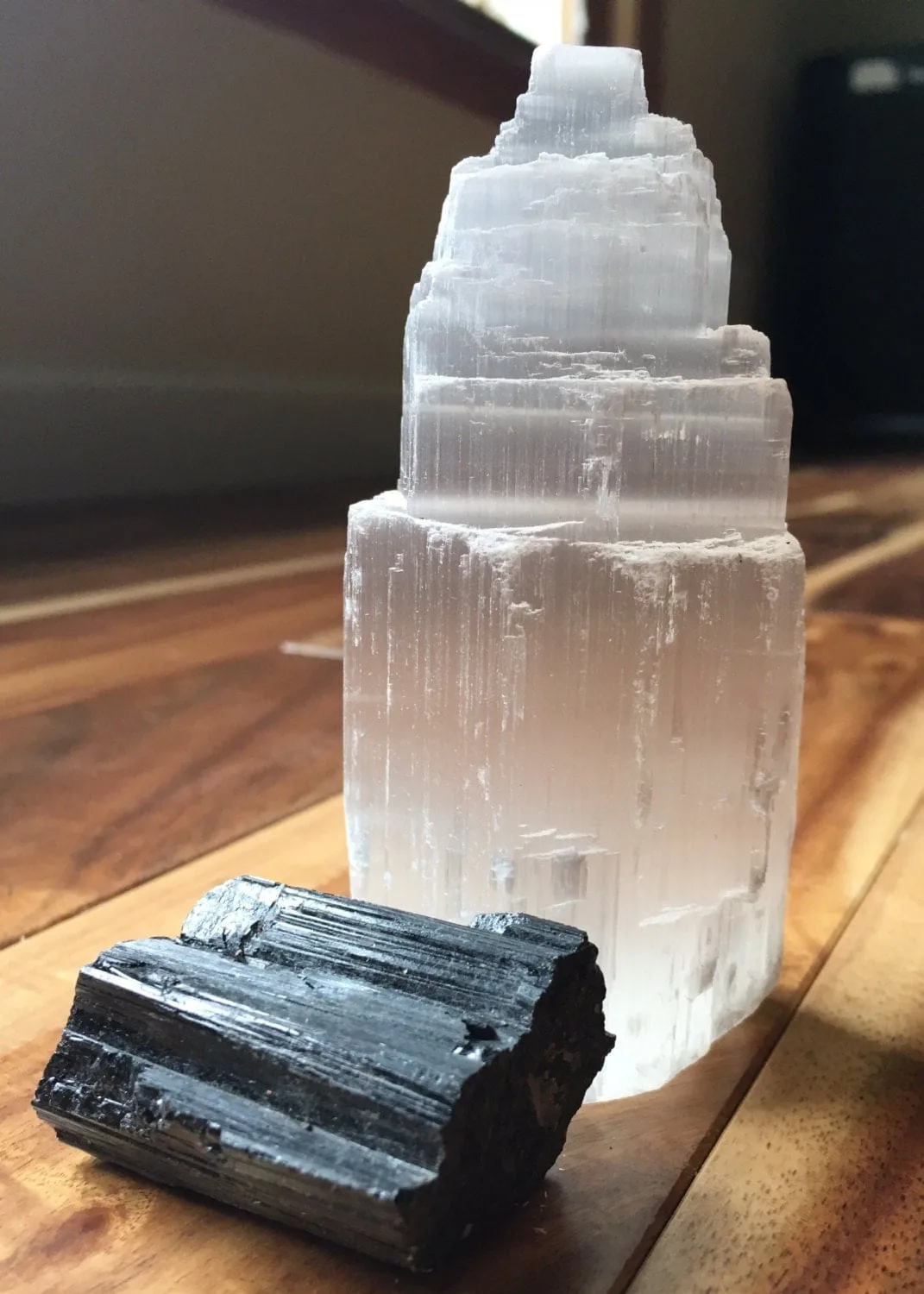
Selenite is the most vulnerable common stone. It dissolves in water and absorbs oils rapidly. Opal, turquoise, and malachite also have high porosity.
Burning smoke over these will ruin their polish and energetic clarity. Manufacturer care sheets explicitly warn against exposing soft, porous gems to combustion byproducts.
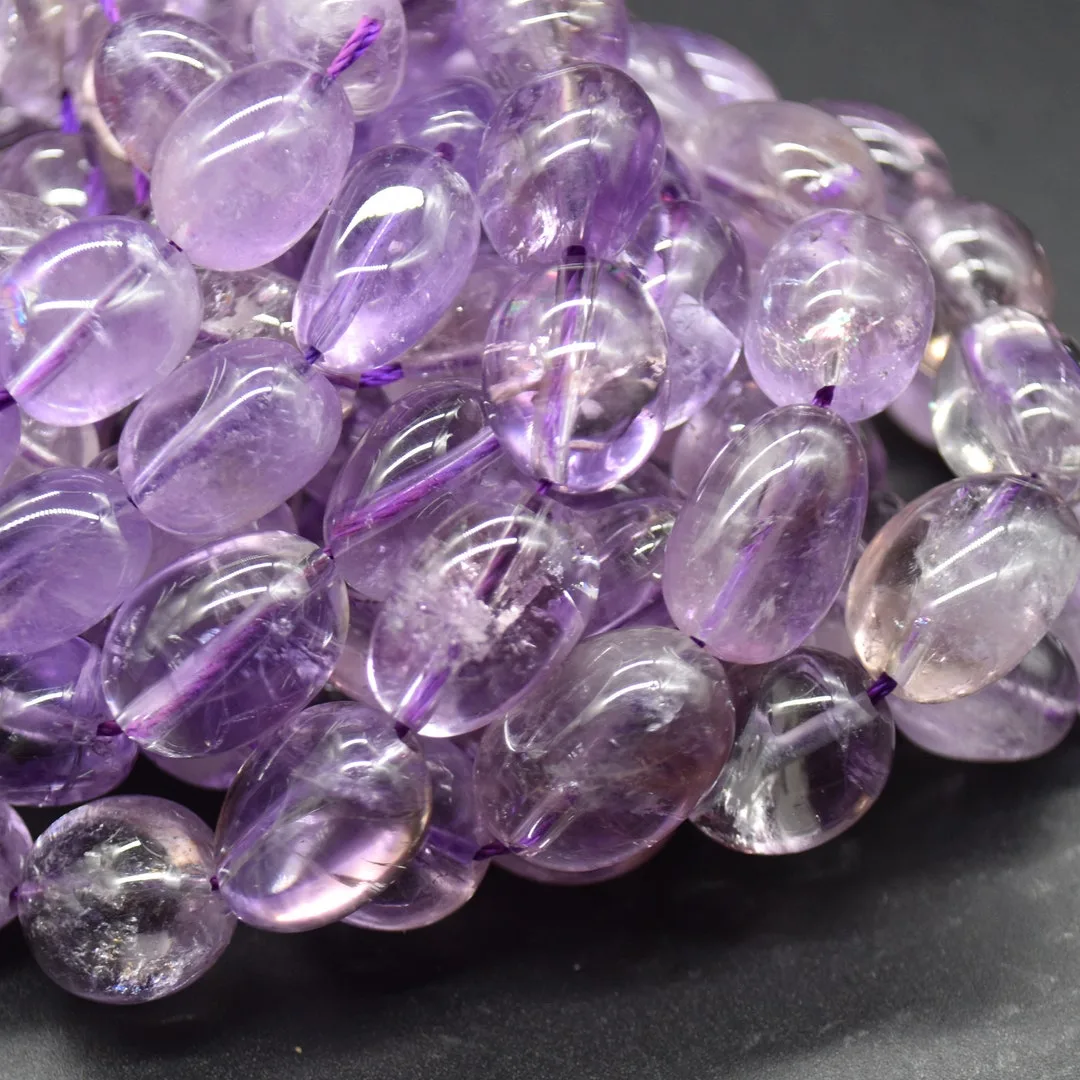
On the other hand, non-porous stones handle smoke beautifully. Clear quartz, amethyst, citrine, obsidian, and hematite have dense molecular structures. They repel moisture and resin.
These varieties can withstand brief exposure without physical degradation.
Here is a quick reference guide for stone compatibility:
| Stone Type | Examples | Smoke Safe? | Reason |
|---|---|---|---|
| High Porosity | Selenite, Opal, Turquoise | No | Absorbs resin/oil permanently |
| Low/Medium Porosity | Jade, Amazonite | Caution | May darken over repeated use |
| Non-Porous | Quartz, Amethyst, Obsidian | Yes | Dense structure repels residue |
If you own a mixed collection, separate them before starting. Place safe stones on a tray. Move delicate ones to a different room.
This prevents accidental exposure. As of 2026, ethical sourcing standards emphasize preserving the integrity of natural minerals. Damaging a stone through improper cleansing wastes resources.
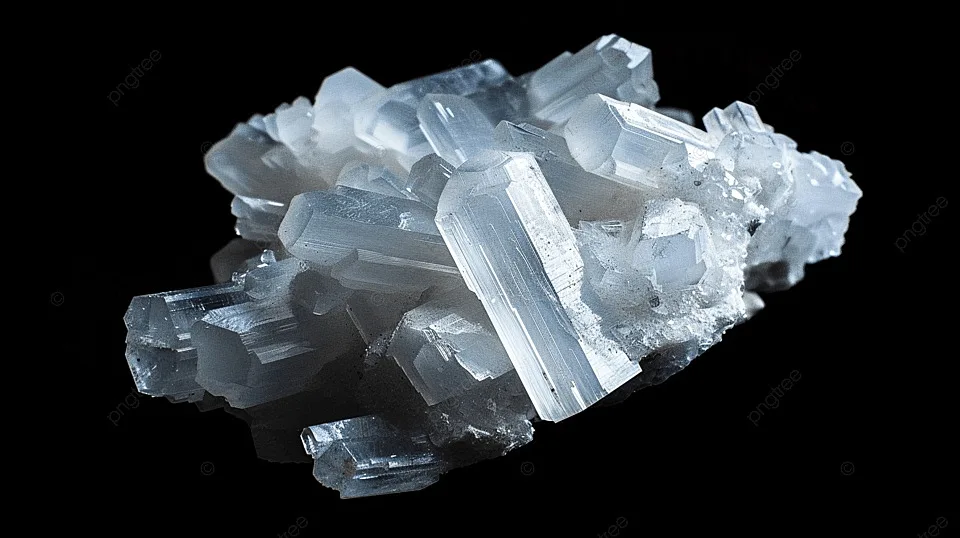
Remember, hardness doesn't equal porosity. Mohs scale measures scratch resistance, not absorption. Even a hard stone like fluorite can be brittle and prone to internal fractures that trap smoke.
Inspect each piece visually. If it looks chalky or matte, treat it as porous.
The Step-by-Step Workflow for Low-Risk Indoor Cleansing
Once you’ve cleared the hazards, follow this precise sequence. Preparation is key to avoiding messes. Start by clearing a flat surface away from curtains, papers, or fabrics.
Upholstery traps odor for days.
Place a heat-proof dish on the table. Ceramic, abalone shell, or copper trays work best. Glass dishes may crack from thermal shock.
Have a snuffer bowl ready for extinguishing the ember. Never blow out the flame directly over your crystals.
Light one end of the palo santo stick at a 45-degree angle. Wait until an ember forms. Blow gently to extinguish the visible flame.
You want glowing coals, not open fire. Hold the stick 2 to 4 inches above the crystal.
Move the stick slowly in a circular motion around the stone. Do not let the ash fall onto the gem. Ash is hot and sticky.
Direct contact creates difficult-to-remove spots. Limit exposure to 10 to 30 seconds per item.
After cleansing, place the stick in the snuffer bowl. Allow it to cool completely before disposal. Seal the ash in a small container.
Throw it in the trash, not the compost. Palo Santo ash contains residual oils that disrupt soil pH.
Open windows wide for at least 15 minutes post-session. Run a fan pointed outward to accelerate air clearance. This reduces PM2.5 levels back to baseline.
Wipe down surfaces if any soot settled nearby.
Common Mistakes That Trigger False Alarms or Damage Stones
The biggest error is poor ventilation planning. People often close interior doors hoping to contain the smell. This concentrates smoke in one area, overwhelming sensors.
Always prioritize cross-ventilation over containment.
Another mistake is holding the stick too close. Enthusiasts sometimes hover the ember directly over the crystal tip. Heat rises.
Intense proximity warms the stone unevenly. Thermal stress can fracture brittle minerals like amethyst or calcite. Maintain that 2-inch buffer zone strictly.
Ignoring the lingering scent is also problematic. Palo Santo has a sweet, citrusy aroma due to limonene. However, it mixes with resin compounds that cling to fabric.
If you skip airing out the room, the smell permeates clothes and bedding. This becomes noticeable to guests and landlords alike.
Using water to extinguish the stick indoors is dangerous. Splashing water near electronics or outlets poses shock risks. Worse, steam carries microscopic resin droplets into the air.
These settle everywhere, creating a sticky film on shelves. Use dry snuffing methods only.
Finally, assuming all "cleansing" works the same way. Some users rub the smoke stick directly on the stone. This transfers tar and carbon deposits immediately.
Never make physical contact between the burning wood and the mineral surface. Hover only.
Better Alternatives When Palo Santo Isn’t Practical Indoors
If your lease forbids burning, or you lack proper ventilation, switch methods. Sound healing offers zero-residue cleansing. Tibetan singing bowls or crystal tuning forks vibrate at frequencies believed to reset energy fields.
There is no smoke, no ash, and no fire risk.
Moonlight charging is another passive option. Leave non-porous crystals on a windowsill overnight during a full moon. This requires no active effort or cleanup.
Note that sunlight fades some stones like amethyst and rose quartz. Stick to lunar cycles for color-sensitive gems.
Running water works for durable, non-porous stones only. Rinse quartz under lukewarm tap water for 30 seconds. Dry immediately with a microfiber cloth.
Never use this method for selenite, halite, or pyrite. Water damages these structures instantly.
Intention setting requires no tools at all. Hold the crystal in your dominant hand. Visualize white light purifying the stone.
State your intent clearly. While subjective, many practitioners find this effective for daily maintenance. It eliminates all physical risks associated with combustion.
For those who still want aromatic benefits, try essential oil diffusers. Use high-quality, pet-safe oils. Diffusers disperse scent evenly without localized heat sources.
Ensure the device is UL-certified for electrical safety. This avoids open flame entirely while maintaining atmospheric freshness.
Frequently Asked Questions About Indoor Smudging
Does palo santo smoke damage air quality?
Yes, it releases fine particulate matter (PM2.5). This irritates lungs and triggers sensitive detectors. Limit sessions to under ten minutes.
Always use strong ventilation to clear the air quickly.
Can I cleanse selenite with palo santo?
No. Selenite is highly porous and soft. It absorbs resin oils permanently.
This causes cloudy spots or structural weakness. Use moonlight or sound bowls for selenite instead.
Will burning palo santo set off fire alarms?
Likely, if ventilation is poor. Modern photoelectric sensors detect small particles. Open windows on opposite sides first.
Keep the flame low and controlled. Never leave it unattended near vents.
How do I remove the smell from curtains?
Airing out isn't always enough. Resins cling to fabric fibers. Wash removable covers immediately after cleansing.
For heavy drapes, consider professional steam cleaning. Or simply avoid burning near textiles altogether.
Is ethically sourced palo santo available?
Yes, look for FSC-certified suppliers. Wild harvesting threatens Bursera graveolens populations. Only buy wood that fell naturally.
Avoid vendors selling freshly cut branches. Support sustainable forestry practices in Ecuador and Peru.
Final Recommendation: When to Choose Smoke vs. Alternatives
Stick to palo santo only if you have cross-ventilation and non-porous stones. The ritual offers traditional benefits but carries real risks. If your apartment lacks proper airflow, skip it.
False alarms cost money and stress. Damaged crystals lose value and aesthetic appeal.
Prioritize safety over tradition here. Sound bowls provide similar energetic resetting without the mess. Moonlight charging works passively for most collections.
These methods protect both your lease and your gems. Reserve smoke cleansing for outdoor spaces or well-ventilated studios.
Check local regulations annually. Fire codes change, especially in high-density housing. Verify your insurance coverage for accidental damage.
Small precautions prevent large headaches later. Your practice should feel peaceful, not precarious. Adapt your routine to fit your living situation.

Similar Posts