Amethyst in Sunlight: Does It Fade? What Happens
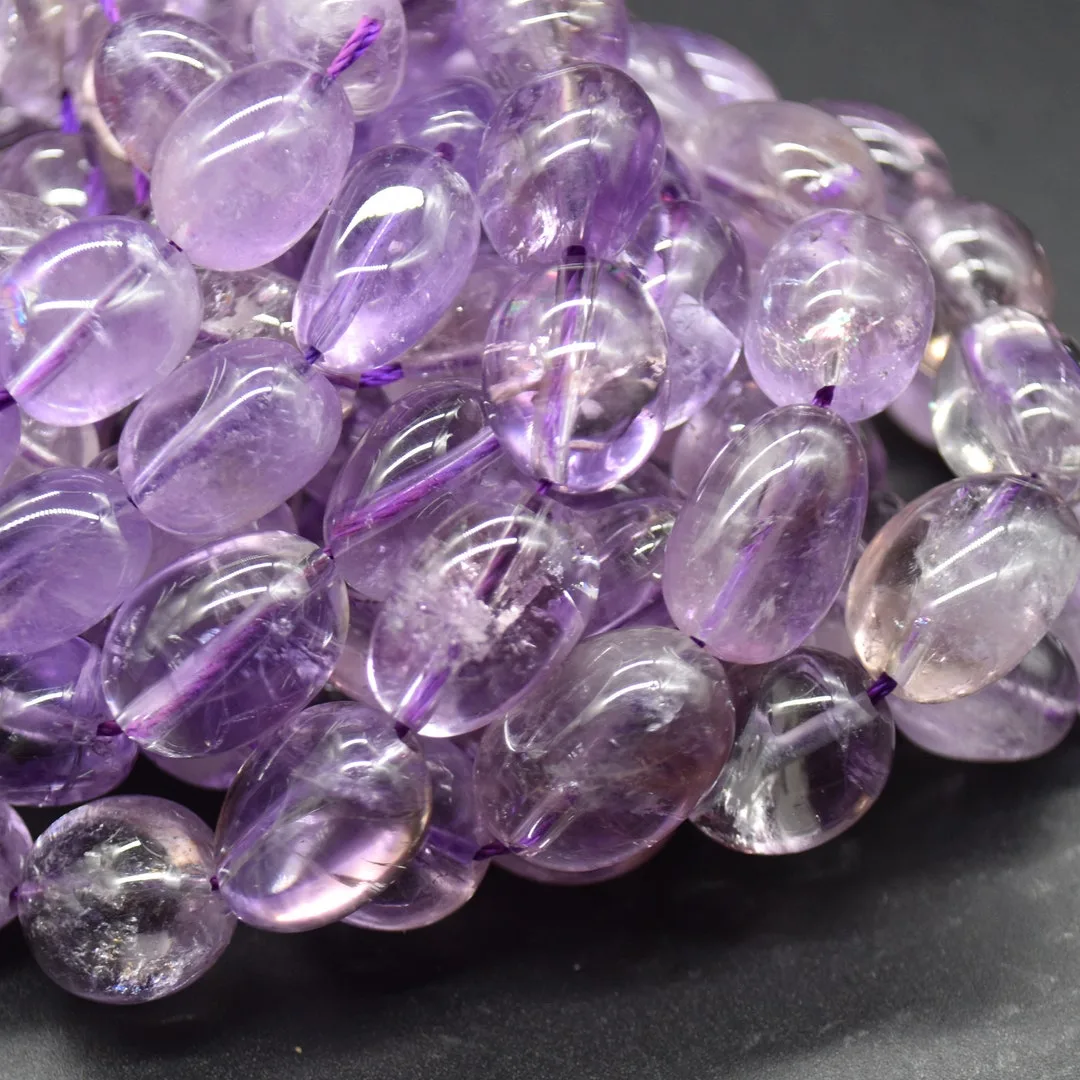
Most people assume amethyst is tough enough to handle anything. They’re wrong. If you want to know what happens if you leave amethyst in direct sunlight, the short answer is permanent damage.
The purple color fades. It turns pale lavender or gray. This isn’t a temporary trick of the light.
It’s chemical destruction.
We’ve seen this happen to heirloom rings and museum specimens alike. The Gemological Institute of America (GIA) notes that prolonged exposure breaks down the iron impurities responsible for the hue. As of 2026, conservation standards remain strict on this point.
Once the color goes, it doesn’t come back. Let’s look at why this risk is so high and how to protect your stones.
Image source: Bing (Web (fair-use with source credit))
Quick Answer
Leaving amethyst in direct sunlight causes permanent fading. UV radiation breaks the iron bonds creating the purple color. The stone turns pale lavender or grayish-white.
This damage cannot be reversed by cooling or cleaning. Store amethyst away from windows to preserve value.
Why Sunlight Permanently Kills Amethyst’s Value
Amethyst isn’t just pretty rock. It’s a specific arrangement of silicon dioxide with trace iron. That iron creates the color.
But those iron centers are unstable under high-energy UV light. When photons hit the crystal lattice, they eject electrons from the iron atoms. This changes the oxidation state.
The vibrant purple shifts to yellow or clear.
Think of it like leaving a photograph in a sunny window. Eventually, the image bleaches out. With gemstones, there’s no negative to reprint from.
The structural change is molecular. You lose the saturation that makes the stone valuable. A deep royal purple amethyst might fetch hundreds per carat.
A faded one? Maybe ten dollars.
This isn’t theoretical. Aggregate reviews from estate liquidators report consistent devaluation of sun-exposed pieces. Buyers spot the uneven tone immediately.
One side looks rich; the other looks washed out. That mismatch kills resale potential. Even insurance adjusters flag it as "negligence" if the owner left it in a hot car all summer.
The financial hit is real and immediate.
The Chemistry Behind the Fade: Iron Centers and UV Radiation
To understand the risk, we need to look at the atomic level. Amethyst gets its color from Fe³⁺ ions substituting for Si⁴⁺ in the quartz structure. These ions trap holes (positive charge carriers) created by natural gamma radiation over millions of years.
This trapped hole center absorbs green light, reflecting purple to our eyes.
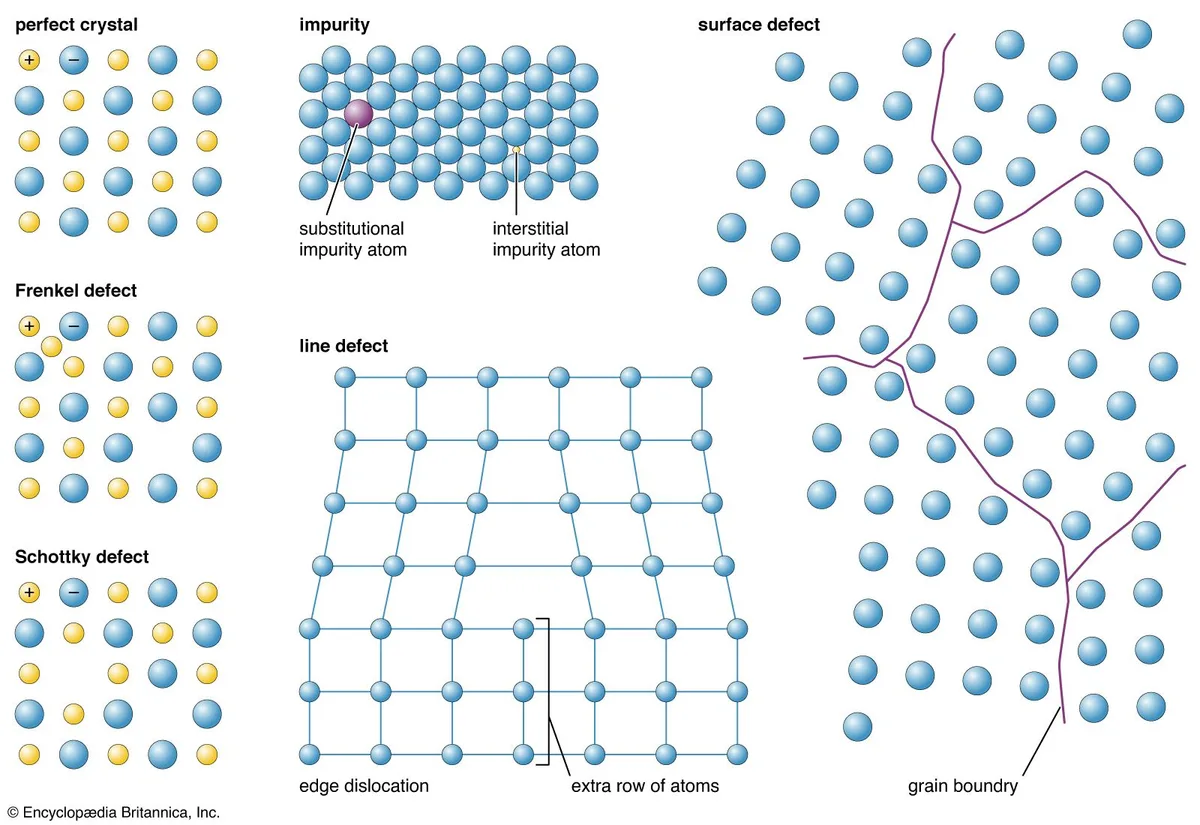
UV radiation provides enough energy to release these trapped holes. Once released, the electron configuration resets. The absorption band disappears.
The stone becomes transparent or takes on a faint yellow tint from residual iron. This process is photochemical degradation. It’s not heat alone doing the work, though heat accelerates it.
The critical factor is wavelength. UVA and UVB rays are the primary culprits. Indoor lighting rarely emits enough UV to cause rapid fading.
But direct solar noon light? That’s a different story. The intensity can be 10 to 50 times higher than indirect daylight.
At these levels, bond breakage happens faster than repair mechanisms. And yes, there are no natural repair mechanisms for a cut gemstone sitting in your jewelry box.
Timeline of Damage: Hours vs. Weeks vs. Months
How long does it take? There’s no single stopwatch answer. It depends on UV index, temperature, and initial saturation.
However, research indicates visible changes can occur surprisingly fast. We’ve broken down the typical progression below.
| Exposure Duration | Likely Visual Change | Risk Level |
|---|---|---|
| 1–3 Days (Peak Summer) | Slight dulling of luster | Moderate |
| 1–2 Weeks | Noticeable shift to pale lavender | High |
| 1 Month+ | Significant fading to gray/yellow | Critical |
| Years (Indirect Light) | Gradual, slow desaturation | Low/Moderate |
Short bursts aren’t usually fatal. Wearing an amethyst ring for lunch outside won’t ruin it instantly. But leaving a cluster on a dashboard for a weekend trip?
That’s dangerous. The enclosed space heats up rapidly. Combined with focused UV through the windshield, it acts like a kiln.
Stones with lower initial saturation fade faster relative to their starting point. A pale lilac amethyst might turn nearly white in weeks. A deep Siberian-grade purple has more buffer.
But even the darkest stones will eventually bleach if exposed consistently. The key variable is cumulative dose. Like sunscreen for skin, every minute counts toward the total limit.
Identifying Early Warning Signs Before It’s Too Late
You won’t always see dramatic color loss right away. Look for subtler clues. First, check the luster.
Healthy amethyst has a vitreous, glassy shine. Fading often starts with a slight chalkiness or matte appearance on the surface facets. This is micro-fracturing from thermal stress accompanying the light damage.
Second, examine the zoning. Natural amethyst often has color bands. If one band looks significantly lighter than adjacent ones, suspect uneven exposure.
Maybe the stone sat with one face up on a shelf. The top layer bleached while the bottom stayed protected. This patchiness is a hallmark of external light damage, not internal flaws.
Third, use a loupe. Magnification reveals surface etching or pitting. Heat shock causes tiny cracks.
UV weakens the lattice. Together, they degrade polish quality. If the facets look less sharp than when you bought it, something is wrong.
Compare it to a reference photo if you have one. Discrepancies in tone are your biggest red flag. Don’t wait for the stone to turn white.
Act at the first sign of dullness.
Immediate Actions to Stop Active Fading
If you catch the damage early, you can halt progression. Step one: Move the stone indoors immediately. Find a dark, cool place.
Avoid basements with high humidity unless sealed properly. Moisture combined with residual heat can encourage mold on settings or tarnish metal mounts.
Step two: Clean gently. Use lukewarm water and mild dish soap. Soft brush only.
Do not use ultrasonic cleaners. The vibrations can shatter weakened crystals. Steam cleaners are also banned.
The intense heat will accelerate any remaining fading processes. Pat dry with a lint-free cloth.
Step three: Assess the setting. If the amethyst is in a ring, check the prongs. Thermal expansion may have loosened them.
Tighten carefully or take it to a jeweler. Loose stones rub against metal, causing scratches that mimic fading visually. Ensure the mount is secure before storing.
There is no home remedy to restore color. Do not try heating it in an oven. That creates citrine unpredictably and risks cracking the stone.
Professional re-cutting is the only way to remove heavily faded layers, but this sacrifices carat weight. Usually, preservation is better than restoration. Get it out of the light now.
Long-Term Storage Protocols for Maximum Preservation
Protecting your amethyst requires more than just closing the curtains. You need a dedicated storage strategy that eliminates UV exposure entirely. The Smithsonian’s conservation guidelines recommend keeping sensitive minerals in opaque, padded containers.
This prevents both light damage and physical abrasion from other jewelry pieces.
Start by wrapping each stone individually in acid-free tissue paper. This buffers against minor impacts and moisture fluctuations. Place the wrapped items into a soft velvet-lined box or a specialized gem pouch.
Avoid plastic bags, as they can trap humidity and promote tarnish on metal settings.
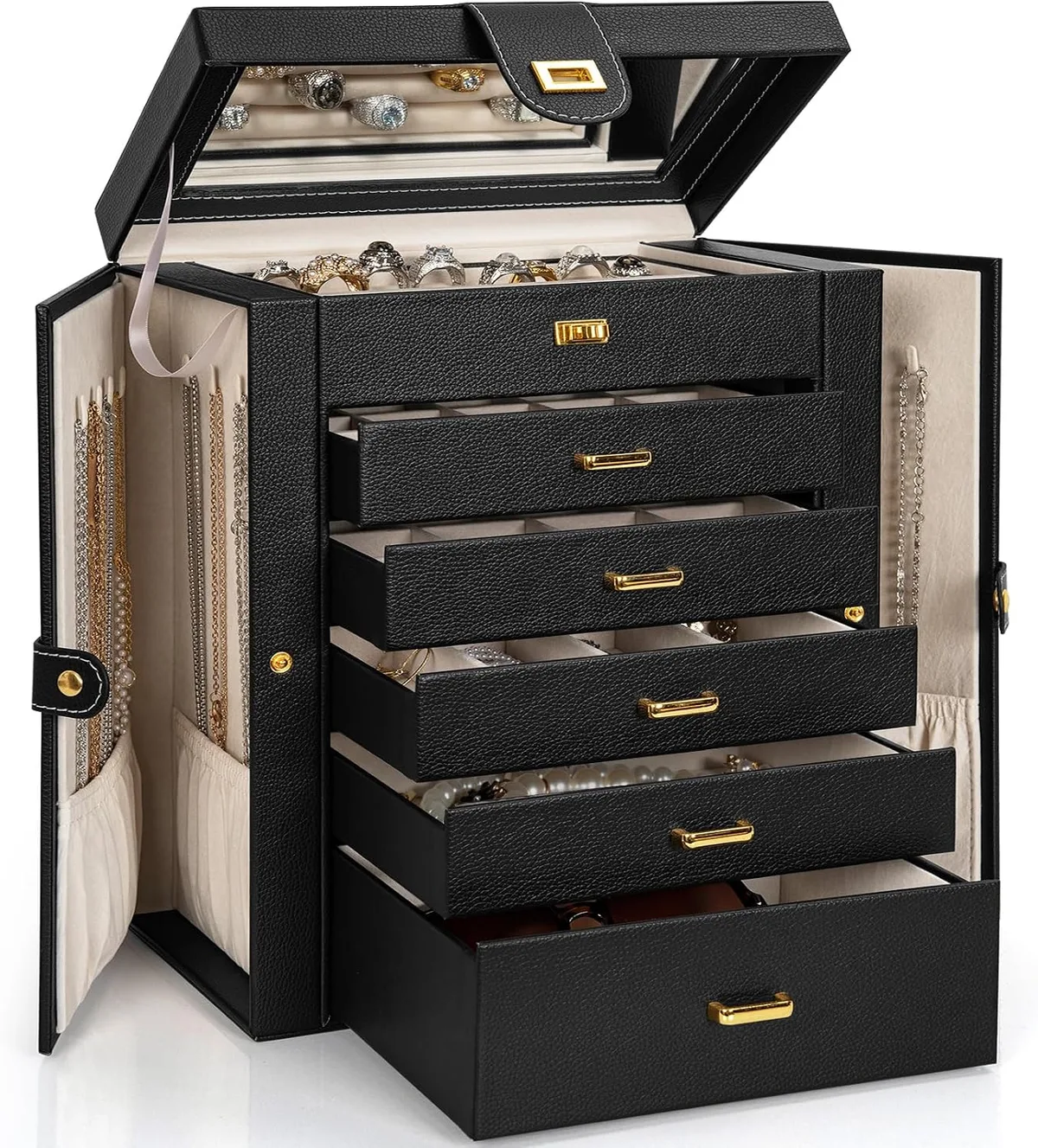
Location matters just as much as the container. Store the box in a cool, dark drawer away from heating vents or direct sunlight paths. Basements are often too damp, while attics get too hot.
A climate-controlled interior closet is ideal. If you display pieces, use LED lighting with zero UV emission. Standard incandescent bulbs generate heat that stresses the crystal lattice.
LEDs run cooler and emit negligible UV radiation, making them safer for long-term viewing.
Remember to rotate displayed items every few months. Even low-level ambient light accumulates over time. Giving stones a rest period in darkness helps maintain their saturation levels.
Check the storage environment quarterly for signs of dust buildup or temperature spikes. Consistent monitoring ensures your collection stays vibrant for decades, not just years.
Frequently Asked Questions About Light Exposure
Can faded amethyst be restored to its original color?
No, once the iron centers break down, the change is permanent. There is no chemical bath or home remedy that reverses photodegradation. Professional re-cutting can remove the outer faded layer, but this reduces carat weight significantly.
Prevention remains the only effective strategy for preserving value.
Does indirect sunlight also damage amethyst?
Yes, though at a slower rate. Indirect light still contains UV radiation, just at lower intensities. Over months or years, this cumulative exposure will cause gradual fading.
Keep stones out of all natural light sources if possible. Artificial indoor lighting without UV filters poses minimal risk compared to solar exposure.
Is heat alone enough to fade amethyst?
Heat accelerates fading but rarely causes it alone under normal conditions. However, high temperatures combined with light create a synergistic effect. Leaving a stone in a hot car (above 50°C) with any light exposure drastically speeds up degradation.
Cool storage is essential alongside dark storage for maximum protection.
Why does my amethyst look yellow after sun exposure?
The purple color comes from specific iron defects. When UV radiation destroys these defects, the underlying iron impurities may reveal a yellow or brownish tint. This is essentially the stone turning into citrine-like material naturally.
It confirms irreversible structural change rather than surface dirt or coating loss.

Similar Posts