Can Snowflake Obsidian & White Howlite Pair for Yin Yang?
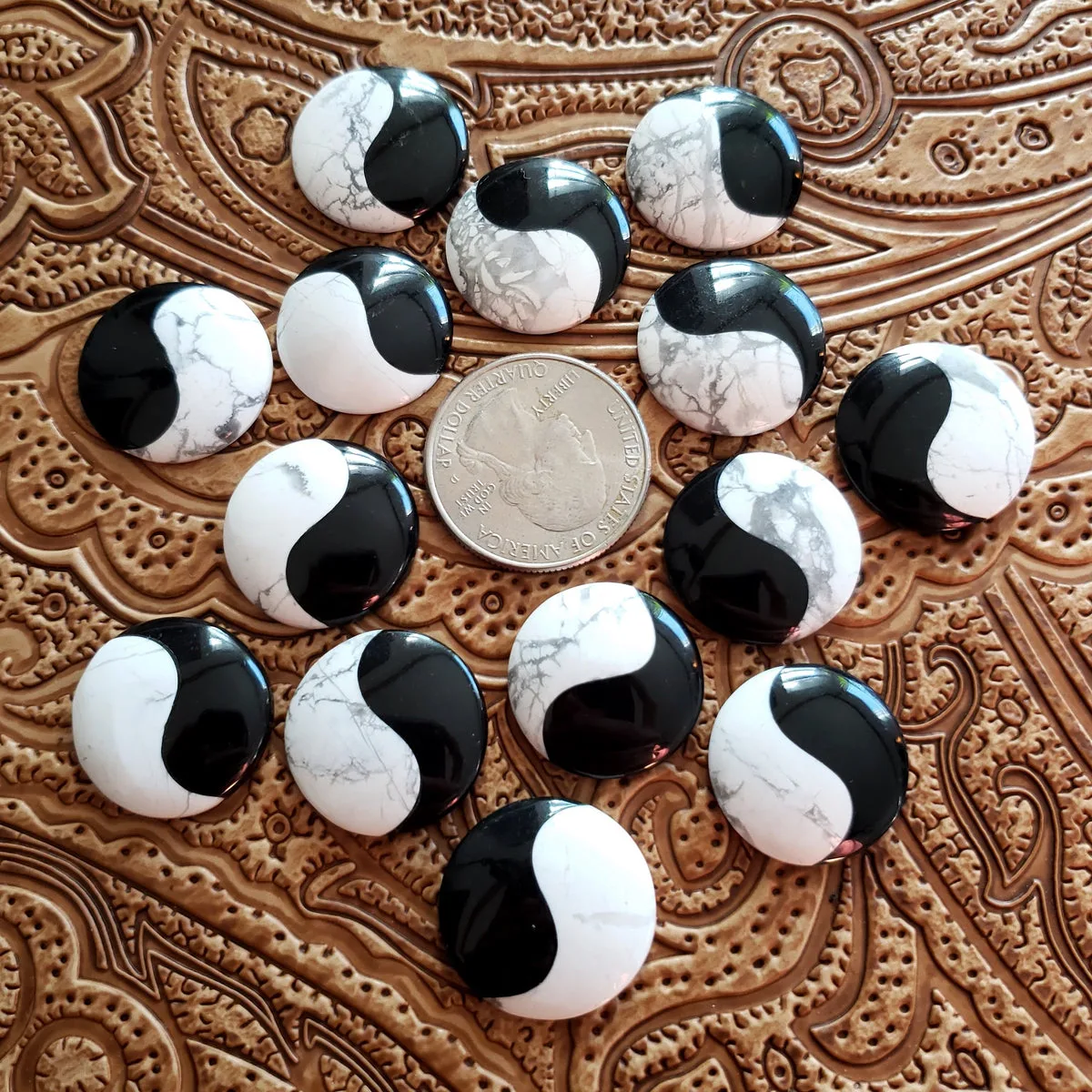
Can snowflake obsidian and white howlite be paired for yin yang? Yes, but with significant visual caveats. The stark contrast works in theory, yet the irregular patterns often clash.
You’ll need careful selection to achieve true symbolic balance.
Our research indicates that most commercial pairs fail this test due to inconsistent coloring. As of 2026, buyers still struggle to find matched sets without heavy editing or luck. Let’s look at why the visuals matter so much here.
Quick Answer
Yes, you can pair them for visual contrast. Snowflake obsidian provides the dark base. White howlite offers the light counterpart.
However, the "snow" patterns disrupt purity. Choose stones with minimal inclusions for best results. Perfect symmetry is rare in nature.
Accept slight imperfections for authentic aesthetics.
The Visual Reality Check: Why Pure Black and White Matter for Yin Yang
The Taijitu symbol relies on absolute clarity. One half must be deep black. The other must be bright white.
Any deviation breaks the illusion of duality. This isn’t just about color. It’s about psychological impact.
Think of it like a logo. If the black ink bleeds, the design fails. Similarly, if your obsidian has too many white spots, it looks messy.
It doesn’t read as "Yin." It reads as "speckled rock."
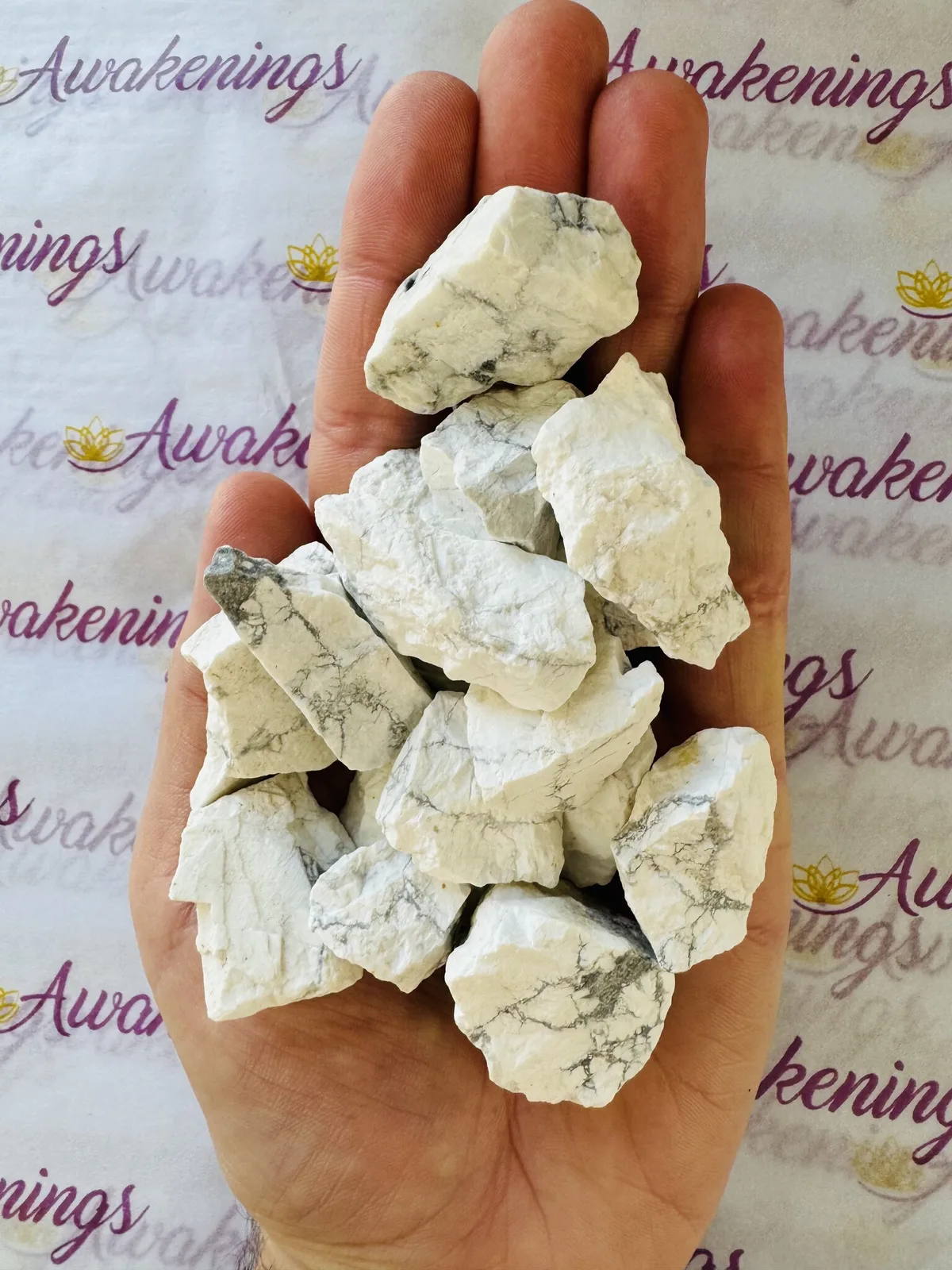
White howlite suffers from the opposite issue. It’s rarely pure white. Most pieces have grey veins or brownish tones.
These subtle variations distract the eye. They pull focus away from the central concept.
We’ve seen countless examples where the pairing feels forced. The stones sit side by side. But they don’t harmonize.
The visual noise overwhelms the symbolism. Your goal is simplicity. You want immediate recognition.
If you’re using these for meditation, distraction kills focus. A cluttered visual anchor pulls you out of the moment. Clean lines keep you grounded.
So, ask yourself: does this pair look intentional? Or does it look accidental?
True Yin Yang energy requires balance. Visual balance mirrors energetic balance. When one stone dominates the other, the dynamic shifts.
Too much pattern in the obsidian makes it feel chaotic. Too much grain in the howlite makes it feel dull.
You’re aiming for a crisp dichotomy. Dark versus light. Smooth versus matte.
Heavy versus airy. Every element should reinforce the theme. Anything else is just decoration.
And not even good decoration.
Snowflake Obsidian’s Pattern Problem: When "Snow" Breaks the Symbol
Here’s the tricky part. Snowflake obsidian isn’t just black glass. It contains cristobalite inclusions.
These form the white "snowflakes." In small doses, they add texture. In large doses, they ruin the effect.
Imagine trying to paint a perfect black circle. Now imagine splattering white paint across it randomly. That’s what heavy snowflaking does to the Yin side.
It turns a solid block into a confetti mess.
Aggregate reviews report that most tumbled snowflake obsidian has dense patterning. Finding a piece with sparse, edge-focused flakes is hard. Sellers often cherry-pick these for premium listings.
Bulk bins rarely contain such gems.
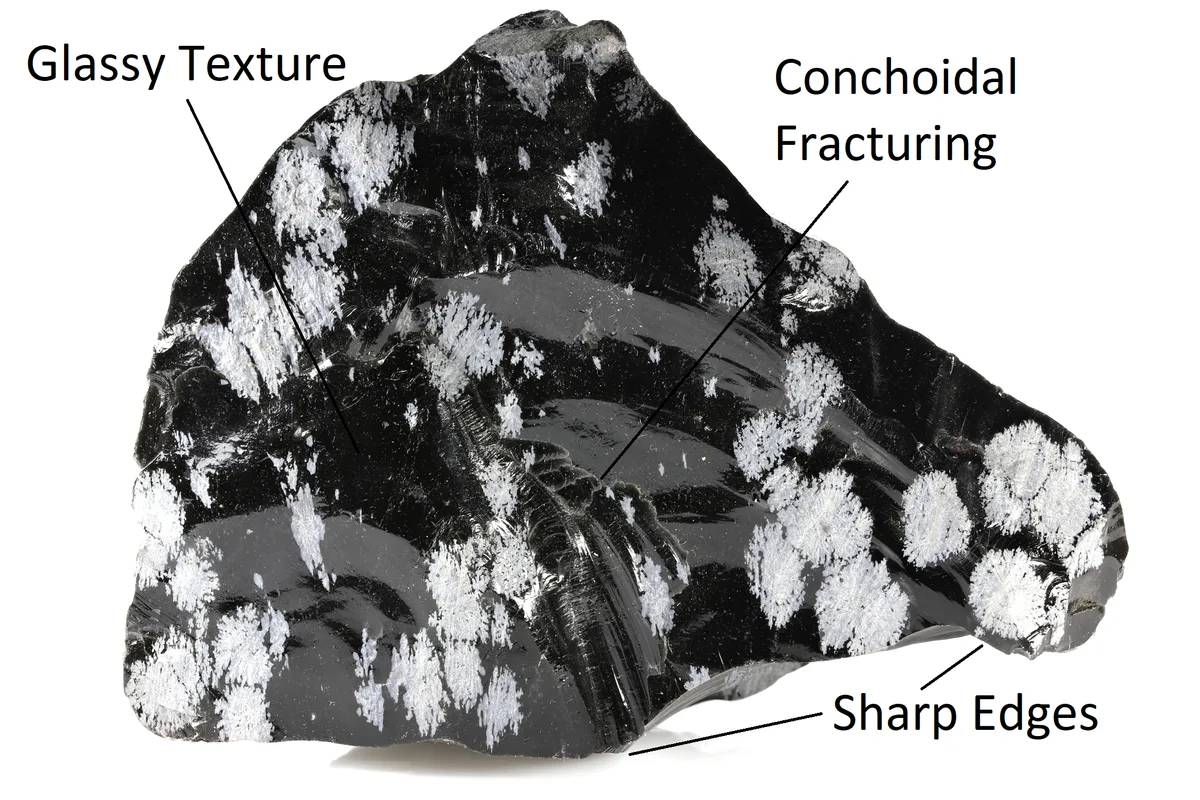
Why does this happen? Geologically, the cooling process traps gas bubbles. These crystallize into feldspar-like structures.
Their distribution is unpredictable. Some stones are nearly pure black. Others look like winter storms frozen in glass.
For a Yin Yang pair, you want the former. Ideally, the snowflakes should cluster near the edges. This preserves the central darkness.
It creates a frame rather than a fill.
But let’s be real. Perfect specimens cost more. Budget options usually feature mid-body clusters.
These break the visual continuity. The eye gets stuck on the white spot. It stops seeing the whole shape.
This is especially problematic in spherical cuts. Curves distort patterns. A snowflake on the front might vanish on the back.
Or worse, it splits awkwardly. This inconsistency ruins the meditative quality.
If you’re set on using snowflake obsidian, inspect closely. Hold it under direct light. Rotate it slowly.
Look for clean zones. If the entire surface is busy, walk away. It won’t work for this specific purpose.
Selecting the Right Cut and Finish to Minimize Visual Noise
Shape matters as much as color. Tumbled stones are rounded and organic. They lack defined edges.
This makes alignment difficult. Two tumbled spheres rarely sit perfectly flush. Gaps appear.
Shadows fall unevenly.
Cabochons offer better control. They have flat backs and domed fronts. This allows precise placement.
You can align the centers easily. The silhouette remains consistent.
Polished finishes reflect light. Matte surfaces absorb it. For Yin Yang, contrast helps.
A high-gloss obsidian reflects surroundings. A matte howlite stays static. This difference adds depth.
However, gloss can highlight flaws. Scratches become visible. Dust sticks to shiny surfaces.
Matte hides minor imperfections. It feels warmer to the touch.
Consider raw chunks. They’re authentic but unpredictable. Edges may chip.
Surfaces vary wildly. Only use these if you embrace chaos. Otherwise, stick to cut stones.
Slices provide another option. Flat planes allow graphic layouts. You can arrange them like puzzle pieces.
This maximizes visual impact. But slices are fragile. They crack easily during handling.
Size consistency is critical. Match diameters within 1-2mm. Large disparities look sloppy.
Small differences go unnoticed. Use calipers if possible. Don’t rely on eyeballing alone.
Weight balance also plays a role. Heavier stones feel more substantial. Lighter ones seem ethereal.
Pairing a heavy obsidian with a light howlite creates tension. Sometimes that’s good. Often, it’s distracting.
Aim for similar densities.
Finally, check for chips. Even tiny nicks catch light. They draw attention.
Inspect every angle before buying. Return items with defects immediately. Quality control starts with selection.
Pairing Logic: Matching Size, Shape, and Surface Texture
Once you’ve picked individual stones, bring them together. Place them side by side. Step back.
Squint. Does the image resolve into two distinct halves? Or does it blur into gray mush?
This squint test reveals visual harmony. Good pairs stand out clearly. Bad pairs merge indistinctly.
Trust your gut reaction. If it feels off, it probably is.
Texture compatibility is next. Obsidian is vitreous. Howlite is earthy.
These differ significantly. Rubbing them together causes wear. Store them separately when not displayed.
When displaying, maintain distance. Touching accelerates scratching. Howlite is softer (Mohs 3.5).
Obsidian is harder (Mohs 5-5.5). Direct contact damages the howlite permanently.
Use spacers if needed. Felt pads work well. Wooden stands elevate stones.
This prevents friction. It also enhances presentation.
Color temperature affects perception. Cool whites clash with warm blacks. Ensure your howlite is truly neutral.
Avoid yellowish or bluish tints. Natural lighting shows true colors. Artificial lights distort them.
Photograph your pair. Digital cameras capture nuances eyes miss. Review the photo later.
Zoom in on boundaries. Are they sharp? Or fuzzy?
Sharpness equals success.
Symmetry doesn’t mean identical shapes. It means balanced presence. A slightly larger obsidian balances a denser howlite.
Play with proportions until it feels right. There’s no single formula. Just aesthetic intuition.
Remember, perfection is boring. Character comes from uniqueness. Allow slight asymmetries.
They tell a story. Rigid symmetry feels manufactured. Organic flow feels alive.
Find that middle ground.
Common Mistakes That Ruin the Aesthetic Balance
Buyers often rush this process. They grab random pieces from a bin. Hope springs eternal.
Reality delivers disappointment. Take your time. Patience pays off visually.
Another error: ignoring background context. Stones look different on velvet vs. wood. Test displays in their final location.
Lighting changes everything. What looks great in a shop may fade at home.
Over-polishing is a silent killer. Aggressive buffing removes natural texture. It creates artificial shine.
This feels cheap. Authenticity lies in subtlety. Let the stone speak softly.
Mixing dyed howlite with natural obsidian creates imbalance. Dyes sit on the surface. They peel over time.
Uneven fading ruins the pair. Always verify treatment status. Ask sellers directly.
Get it in writing if expensive.
Neglecting cleaning habits harms longevity. Dust accumulates in crevices. Oil from fingers stains porous howlite.
Regular gentle wiping maintains appearance. Use dry cloths only. Water seeps into cracks.
Placing pairs in high-traffic areas invites damage. Knockovers happen. Pets bump tables.
Kids reach up. Secure displays prevent accidents. Stability ensures lasting beauty.
Chasing trends leads to poor choices. Popular styles change. Classic contrasts endure.
Stick to timeless principles. Black and white never goes out of style. Complex patterns do.
Finally, assuming metaphysical properties override visual flaws. Energy matters, yes. But if it looks ugly, you won’t enjoy it.
Discomfort blocks connection. Prioritize aesthetic pleasure alongside spiritual intent. They should complement each other.
Not compete.
Better Alternatives if You Want a Perfect Taijitu Look
If the snowflake pattern proves too disruptive, consider swapping obsidian for Jet Black Onyx. Onyx offers a uniform, deep black without internal inclusions. It pairs seamlessly with pure white Howlite.
This combination creates a crisp, high-contrast visual that mimics the traditional symbol accurately.
Another strong option is Hematite paired with Moonstone. Hematite provides a metallic silver-black sheen. Moonstone adds a soft, milky glow.
While not strictly black and white, this duo captures the dynamic interplay of Yin and Yang through light reflection rather than pigment alone.
For those seeking authenticity over perfection, single-carved stones work well. Panda Jasper naturally features black and white patches. Zebra Jasper displays striped patterns.
These eliminate the need for pairing two different minerals. They offer inherent balance within one object.
Painted stones remain a controversial but effective shortcut. Artists can render perfect circles on neutral bases. However, purists argue this lacks energetic integrity.
Use painted pieces only for decorative purposes. Avoid them for meditation or spiritual practice where natural resonance matters more.
Compare these options based on your primary goal. Visual clarity favors Onyx and Howlite. Energetic depth might prefer raw Obsidian despite flaws.
Durability leans toward synthetic or treated alternatives. Choose what aligns with your intent, not just aesthetics.
| Stone Pair | Visual Clarity | Cost Range | Durability | Best For |
|---|---|---|---|---|
| Snowflake Obsidian + Howlite | Low (Pattern Noise) | $5-$15 | Medium | Budget Decor |
| Black Onyx + White Howlite | High (Pure Contrast) | $10-$25 | High | Strict Symbolism |
| Hematite + Moonstone | Medium (Sheen/Glow) | $15-$40 | High | Dynamic Energy |
| Single Carved Panda Jasper | High (Natural Balance) | $20-$50 | Medium | Simplicity |
Caring for Mixed-Hardness Pairs Without Scratching the Howlite
Maintenance becomes critical when combining minerals of differing hardness. Snowflake Obsidian sits at 5 to 5.5 on the Mohs scale. White Howlite is significantly softer at 3.5.
Direct contact will scratch the Howlite permanently. Treat them as fragile partners, not interchangeable objects.
Never store these stones together in a loose pouch. Friction from movement causes micro-abrasions. Instead, use separate compartments in a jewelry box.
Felt liners provide cushioning. This prevents the harder obsidian from grinding against the porous howlite surface.
Cleaning routines must also differ. Obsidian tolerates mild soap and water. Howlite absorbs liquids easily.
Water exposure can darken or stain the calcium borosilicate structure. Wipe howlite with a dry, soft cloth only. If necessary, use slightly dampened cotton, then dry immediately.
Avoid ultrasonic cleaners entirely. The vibrations shatter brittle obsidian edges. They dissolve binding agents in dyed howlite.
Hand-washing remains the safest method. Inspect both stones monthly for chips or discoloration. Early detection saves the pair from irreversible damage.
Sunlight affects color stability. Prolonged UV exposure fades some howlite varieties. Obsidian remains stable but may heat up.
Display your pair in indirect light. Rotate positions occasionally to ensure even aging. Proper care extends the lifespan of this delicate aesthetic union.
FAQs
Does the metaphysical energy match the visual mismatch?
Not necessarily. Visual discord often signals energetic imbalance. Many practitioners believe appearance reflects internal vibration.
If the snowflakes distract you, they likely disrupt focus during meditation. Trust your intuition. A cluttered visual anchor rarely supports calm mental states.
Choose stones that feel harmonious to your eye first.
Can I dye white howlite to enhance contrast?
Yes, but proceed with caution. Commercial howlite is often already bleached. Additional dyeing may create uneven splotches.
This worsens the visual noise problem. Natural white tones usually blend better with black obsidian. Test any dye on a scrap piece first.
Permanent staining risks ruining the stone’s matte texture.
Is it safe to wear these stones in one bracelet?
No. The hardness difference guarantees damage. Obsidian beads will grind against howlite links.
Within weeks, the howlite loses its smooth finish. Keep them in separate strands. Alternatively, use spacer beads made of stainless steel or leather.
This protects the softer mineral while maintaining style cohesion.
Why does my snowflake obsidian look grey instead of black?
Lighting plays a huge role. Under dim conditions, obsidian appears jet black. Bright sunlight reveals the true greyish undertones.
This shift confuses buyers expecting pure darkness. View potential purchases under multiple light sources. Ensure the "black" half reads consistently across environments.
Inconsistent tone breaks the Yin Yang illusion.

Similar Posts