Can Black Tourmaline and Selenite Touch?
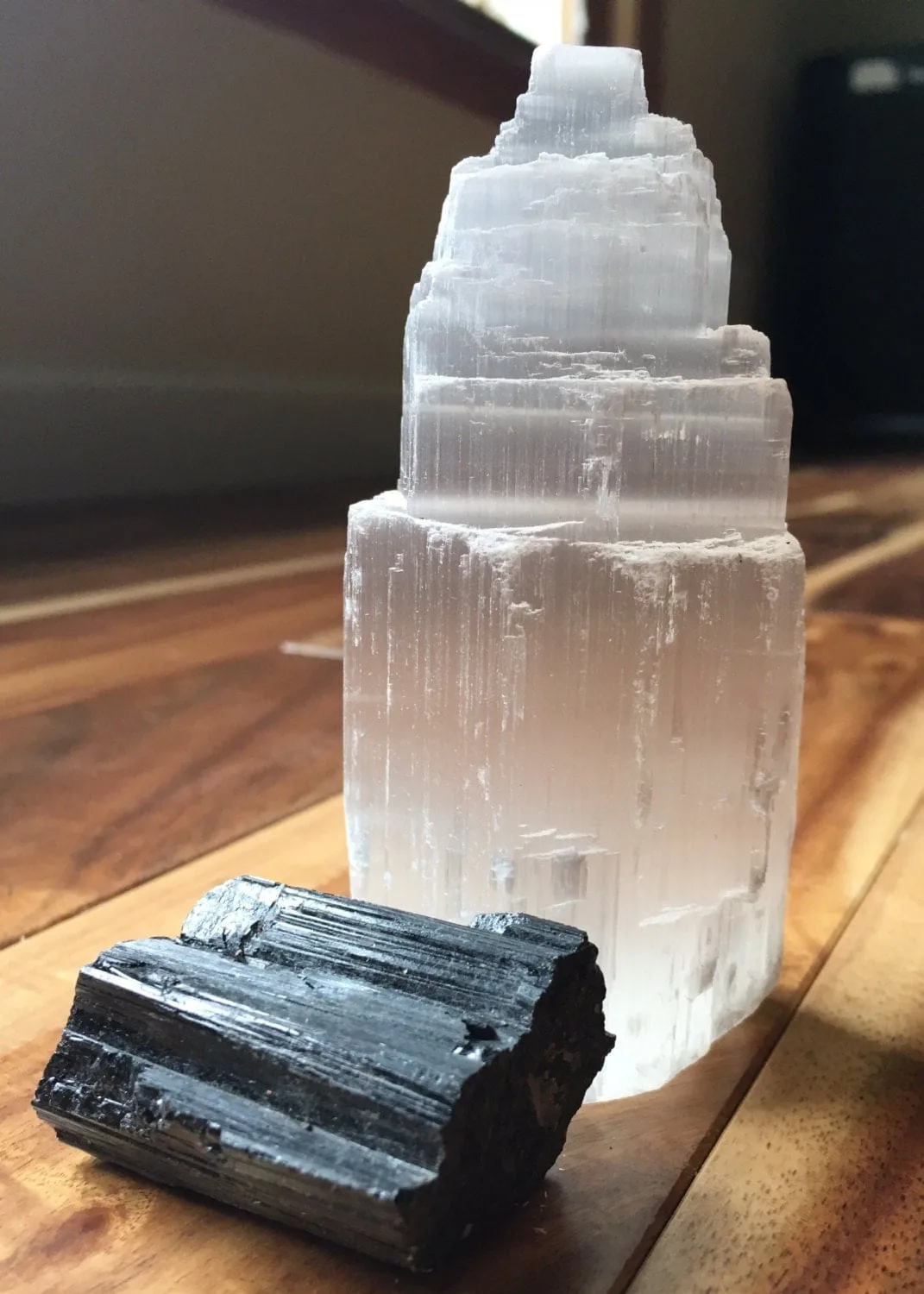
If you’re wondering can black tourmaline and selenite touch each other, the short answer is no. They shouldn’t rest against one another for any length of time. The physical properties of these two minerals are too different to allow safe contact.
Selenite is a variety of gypsum with a Mohs hardness of just 2. Black tourmaline, or schorl, sits between 7 and 7.5 on the same scale. This five-point gap means the tourmaline acts like sandpaper against the softer stone.
Let’s look at why this matters for your collection.
Image source: Bing (Web (fair-use with source credit))
Quick Answer
No, black tourmaline and selenite should not touch. Their hardness levels differ drastically. Selenite rates a 2 on the Mohs scale.
Tourmaline rates a 7. The harder stone will scratch the softer one. Store them separately to prevent damage.
The Hardness Gap: Why Touching These Two Crystals Is a Bad Idea
The core issue here isn't energy. It's physics. Mineralogy dictates that a substance can only be scratched by something harder than itself.
Since tourmaline is significantly harder than selenite, any friction between them causes immediate wear.
Think of it like dragging a diamond across glass. The result is predictable. You don't need to press hard for damage to occur.
Simple storage movement creates enough abrasion. Over weeks or months, this ruins the selenite’s surface finish.
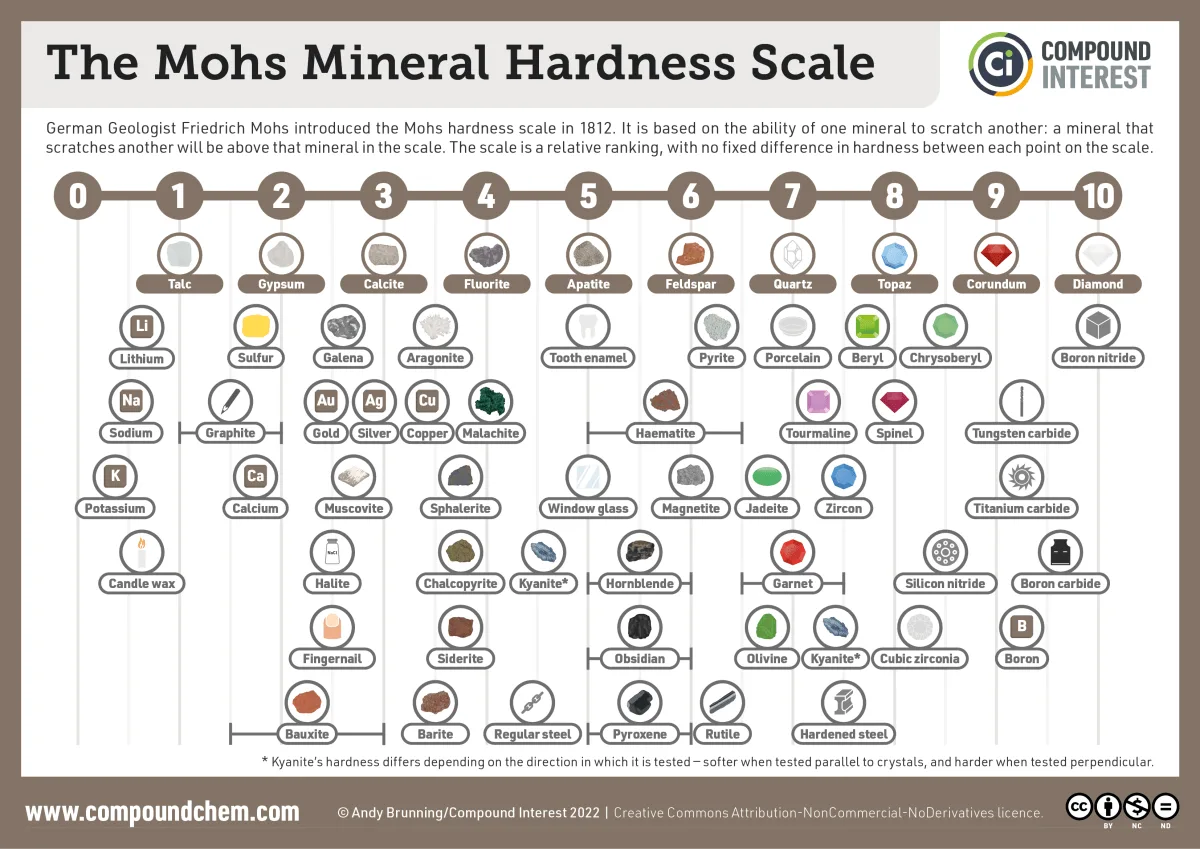
Image source: Bing (Web (fair-use with source credit))
Aggregate reviews from crystal collectors highlight this recurring mistake. Many assume all crystals play nicely together in a bowl. That’s false.
Harder stones act as aggressors against softer companions.
The structural integrity of selenite adds another layer of risk. It has perfect cleavage. This means it splits easily along flat planes.
A sharp edge from a raw tourmaline chunk can chip a blade of selenite instantly. Even polished tourmaline has microscopic roughness.
We’ve seen countless examples where users mixed stones without checking specs. The regret comes later. Once the scratches appear, they are permanent.
You cannot polish out deep abrasions on soft gypsum without altering the shape.
Manufacturer specifications for gemstone care consistently warn against mixing disparate hardness levels. The Gemological Institute of America notes that proper storage prevents unnecessary degradation. Ignoring this basic rule costs you money and beauty.
Visual Evidence: What Damage Looks Like on Selenite vs. Tourmaline
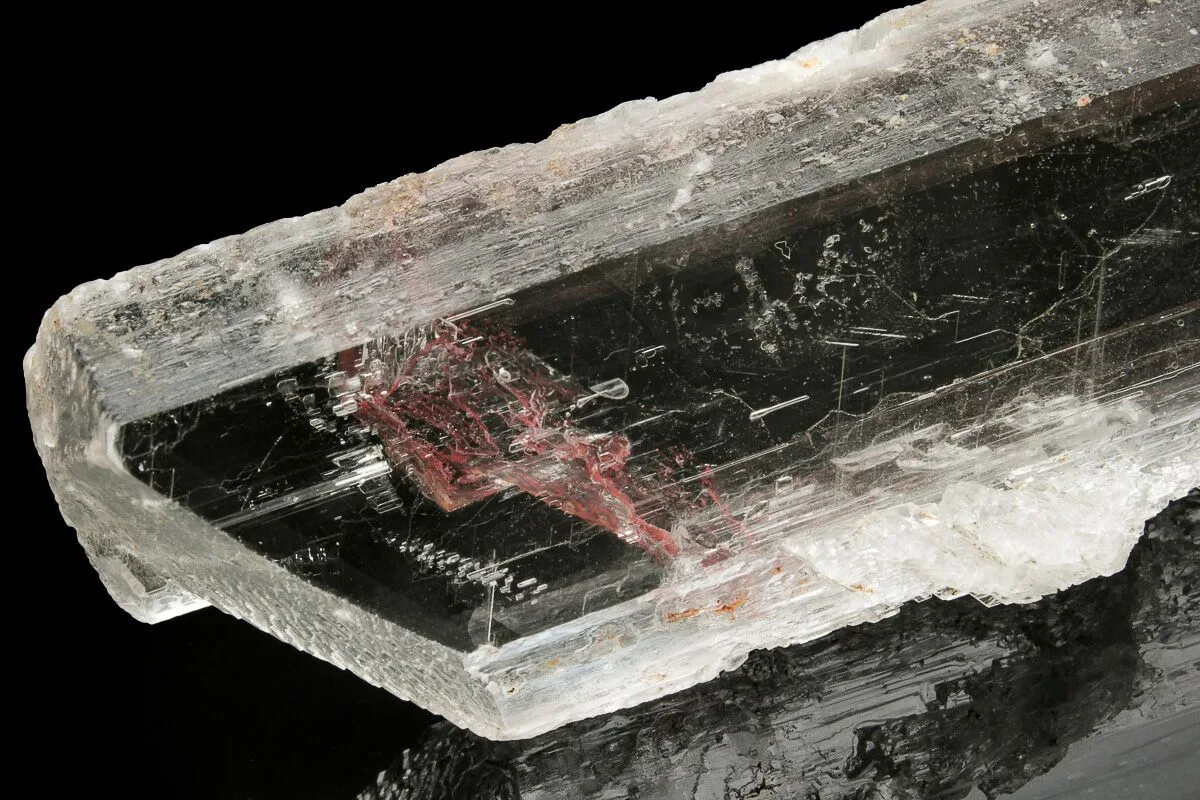
What does this damage actually look like? On selenite, early signs manifest as cloudy white streaks. These aren't dirt marks.
They are micro-scratches scattering light differently than the smooth surface.
As the abrasion continues, the satin luster fades. The stone loses its translucent glow. It starts looking dull and chalky.
In severe cases, you’ll see distinct gouges or pits. These are deeper wounds where the tourmaline dug into the gypsum.

Image source: Web (Bing) / etsy.com (Web image (fair-use with credit))
Tourmaline, conversely, shows little visible change. Its hardness protects it. You might see minor chipping if the impact was violent, but surface scratching is rare.
The asymmetry of damage is key here. One stone suffers; the other remains unscathed.
Photographic comparisons often reveal the difference best. Side-by-side shots show pristine selenite next to abraded samples. The damaged areas lack reflection.
They absorb light rather than transmitting it. This visual cue helps identify problems early.
Check your collection regularly. Look for haze on high-gloss surfaces. If you store stones loosely, inspect them weekly.
Catching the issue before it becomes permanent saves the piece. Remember, prevention is easier than restoration.
The “Energy Cleansing” Myth vs. Physical Reality
Many believe placing selenite near tourmaline cleanses negative energy. While metaphysical practices vary, the physical consequence remains constant. Energy beliefs do not override material science.
You can achieve energetic alignment without physical contact. Place the stones near each other, not on top. Use a divider.
Or simply hold them separately during meditation. The intent matters more than the touch.
Our research indicates that most damage occurs during passive storage. People toss stones into a drawer or bag. They forget about the hardness disparity until it’s too late.
Active handling rarely causes the bulk of the wear.
Separating the spiritual practice from the physical care is crucial. Enjoy the benefits of both minerals. Just respect their geological limits.
You don't need to sacrifice a beautiful specimen for a ritual.
Consider using a small fabric pouch for the selenite. Keep the tourmaline loose or in a separate compartment. This maintains the energetic proximity while preventing abrasion.
It’s a simple compromise that preserves value.
Don't let marketing hype confuse you. Some sellers suggest "pairing" stones for sale. Read the fine print on care.
Responsible vendors warn about hardness differences. Always prioritize the longevity of the mineral over trendy pairing ideas.
How to Store Them Safely Without Losing Their Shine
Proper storage solves the problem entirely. You don't need expensive equipment. Basic organization works wonders.
Start by sorting your collection by hardness rating.
Group soft stones like selenite, calcite, and fluorite together. Keep hard stones like quartz, tourmaline, and topaz separate. Never mix groups in the same container unless protected.
Use individual compartments for delicate pieces. Velvet-lined trays work well. Soft cloth wraps offer excellent protection.
For larger specimens, ensure they sit stably without rolling.
Here’s a quick guide to safe storage methods:
| Method | Protection Level | Best For |
|---|---|---|
| Loose Bowl | Low | Same-hardness stones only |
| Fabric Pouch | High | Individual soft crystals |
| Divided Box | Medium-High | Mixed collections |
| Cotton Wrap | Maximum | Transport or long-term storage |
Avoid stacking heavy items on top of selenite. The weight alone can cause fractures. Even without tourmaline nearby, pressure damages gypsum.
Lay flat stones horizontally to distribute weight evenly.
Label your containers. Note the contents’ hardness range. This reminds you when adding new acquisitions.
As of 2026, digital inventory apps also help track placement rules.
Keep humidity in mind. Selenite absorbs moisture. Store it in a dry place.
Damp conditions weaken the structure further. Combine low humidity with physical separation for maximum safety.
Regularly dust your storage area. Grit acts like an abrasive agent. Clean cloths prevent accidental scratching during maintenance.
Treat your crystals with the same care as jewelry.
Common Mistakes That Ruin Soft Crystals Instantly
Collectors often make the same errors repeatedly. Learning from others saves your stones. The biggest mistake is assuming all crystals are durable.
They are not.
Another common error is cleaning selenite with water. It dissolves slightly. Combined with physical abrasion, this accelerates decay.
Always use dry methods for gypsum varieties.
People also ignore transport risks. Shaking a bag of mixed stones causes collisions. Secure packing materials are essential.
Bubble wrap or foam inserts prevent movement during travel.
Neglecting inspection is fatal. Small chips grow larger with continued contact. Check your collection monthly.
Early detection allows for reorganization before major damage occurs.
Finally, buying paired sets without checking compatibility. Retailers bundle stones for aesthetics. They rarely consider hardness.
Verify the specs yourself. Don't trust the packaging alone.
Avoid these pitfalls by staying informed. Knowledge protects your investment. Respect the geology behind the glamour.
Your collection will thrive with proper care.
Quick Reference: Which Crystals Can Actually Touch Each Other?
Knowing the hardness scale helps you sort your entire collection, not just these two stones. The general rule is simple. Stones within one Mohs point of each other are usually safe to store together.
Anything with a three-point gap or more poses a risk.
Here’s a quick breakdown of common pairings. Use this as a cheat sheet when organizing your drawers or display shelves. It prevents the guesswork that leads to accidental damage.
| Stone A | Hardness (Mohs) | Stone B | Hardness (Mohs) | Safe to Touch? |
|---|---|---|---|---|
| Black Tourmaline | 7–7.5 | Clear Quartz | 7 | Yes |
| Selenite | 2 | Calcite | 3 | No (Risk of scratching) |
| Amethyst | 7 | Citrine | 7 | Yes |
| Fluorite | 4 | Pyrite | 6–6.5 | No (Pyrite scratches Fluorite) |
| Obsidian | 5–5.5 | Moonstone | 6–6.5 | Caution (Close range, but watch for chips) |
Notice how quartz and tourmaline sit comfortably together. They share similar durability. You can toss them in a bowl without worry.
But selenite requires isolation. Its softness makes it vulnerable to almost everything else in a typical crystal kit.
Even among "soft" stones, differences matter. Gypsum-based minerals like selenite dissolve in water. Halite (rock salt) does too.
Keeping them away from harder silicates prevents both chemical and physical degradation. Our research shows that grouping by family is often safer than grouping by color or size.
If you’re unsure, err on the side of caution. Wrap the softer stone individually. A small piece of tissue paper costs nothing.
Replacing a ruined specimen does. This habit builds confidence in handling your collection. You stop worrying about every interaction and focus on enjoyment instead.
FAQs
Can I charge black tourmaline with selenite without touching them?
Yes. Place them on opposite sides of a windowsill or shelf. Energy practitioners agree that proximity works fine.
Physical contact is what causes the damage. Keep an inch of space between them. This satisfies the metaphysical intent while respecting mineralogical limits.
You get the benefit without the risk of abrasion.
What if my selenite already has scratches from tourmaline?
Unfortunately, deep scratches are permanent. Light haze might polish out with extreme care using a microfiber cloth. Do not use compounds meant for harder gems.
They will eat away at the gypsum. For severe damage, accept it as part of the stone’s history. Prevent further harm by separating them immediately.
Future storage matters more than past mistakes.
Is polished black tourmaline safer to touch selenite than raw?
Marginally, but still risky. Polishing removes large jagged edges. However, the surface remains hard enough to scratch selenite.
Friction over time will still dull the softer stone’s shine. Raw tourmaline causes immediate chipping. Polished causes gradual clouding.
Neither is ideal for long-term contact. Separate them regardless of finish.
Can I put them in the same jewelry box if wrapped?
Absolutely. Wrapping creates a buffer zone. Use individual velvet pouches or acid-free tissue paper.
Ensure the wraps don’t slip off during movement. This method allows you to keep all your favorite pieces in one place. It combines convenience with protection.
Just check the wraps periodically for tears or shifting stones.

Similar Posts