Can You Wear Rose Quartz and Amethyst Together?
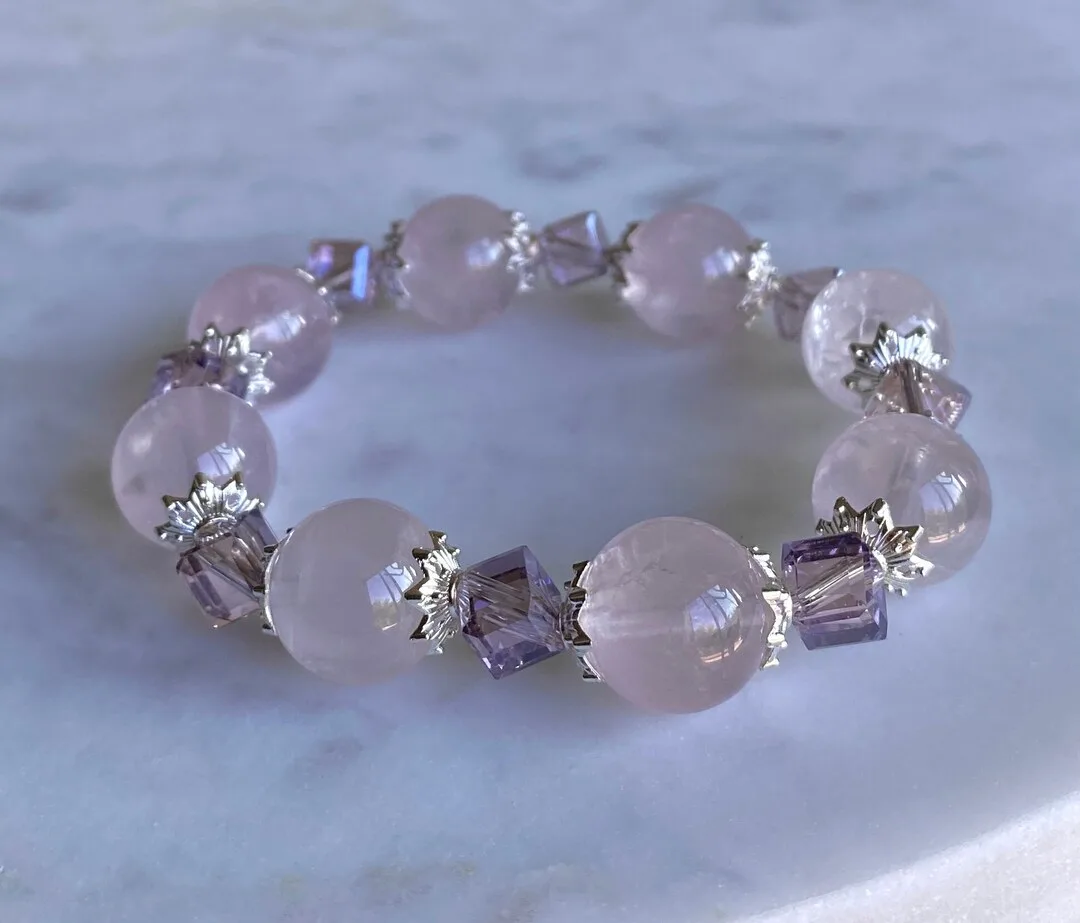
So, can rose quartz and amethyst be worn together? The short answer is yes. You won’t face any physical danger or immediate ruin by stacking these two popular stones in a single piece of jewelry.
Many people pair them for their complementary pastel aesthetics and blended spiritual intentions. However, the details matter more than the simple yes-or-no verdict.
We need to look at both the mineralogical facts and the metaphysical frameworks you’re using. As of 2026, most jewelers treat this combination as standard practice. But if you care about longevity or specific energetic alignment, there are nuances to consider.
Let’s break down exactly how to wear them safely and effectively based on your personal goals.
Image source: Bing (Web (fair-use with source credit))
Quick Answer
Yes, you can wear rose quartz and amethyst together. They share the same Mohs hardness rating of 7. This means neither stone will scratch the other easily.
Visually, pink and purple create a harmonious color palette. Spiritually, they combine heart-opening and intuition-enhancing properties. Just ensure your setting protects the edges from external impacts.
Yes, But Here’s the Catch: Hardness vs. Intent
Most worry about scratching when mixing gemstones. That fear makes sense if you’re pairing diamond with opal. But here, we’re dealing with siblings in the quartz family.
Both rose quartz and amethyst are varieties of silicon dioxide. They possess identical structural integrity on the surface.
The real catch isn’t physical damage. It’s conflicting intent. Rose quartz targets the emotional body.
Amethyst targets the mental and spiritual bodies. If your goal is pure relaxation, wearing both might feel overwhelming. Some users report feeling "scattered" when combining high-frequency intuitive stones with grounding love stones.
You have to ask yourself what you want from the jewelry. Are you dressing for style? Or are you curating an energy tool?
If it’s style, ignore the metaphysics. If it’s energy, define your primary intention first. Don’t assume that more crystals equal better results.
Sometimes, simplicity works best.
The Physical Reality: Why Scratching Isn’t Your Biggest Worry
Let’s look at the science. The Mohs Scale measures relative hardness against ten reference minerals. Quartz sits firmly at number 7.
This places it well above glass (5.5) but below topaz (8) or corundum (9). Since both stones are quartz, they rate equally.
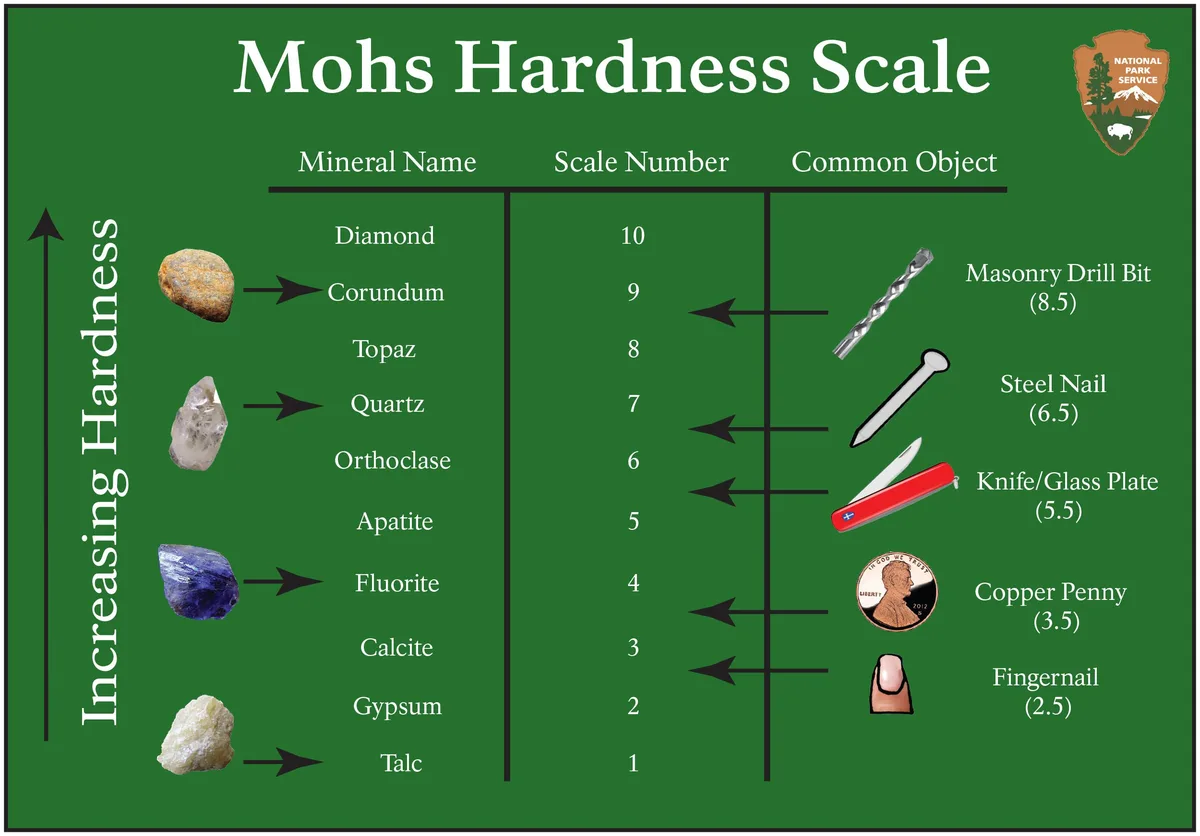
Equal hardness means mutual resistance. Neither stone acts as a file against the other. You can rub them together without worrying about micro-abrasions forming overnight.
This is great news for bracelet stacks where beads constantly touch.
However, shared hardness doesn’t mean indestructibility. Both stones have perfect conchoidal fracture patterns. A hard knock against a doorframe can chip either one.
The risk comes from external objects, not internal friction. Always check your settings. Prong settings offer less protection than bezel settings.
For daily wear, prioritize secure mounting over loose tumbles.
| Factor | Rose Quartz | Amethyst | Risk Level Together |
|---|---|---|---|
| Mohs Hardness | 7 | 7 | Low (No mutual scratching) |
| Fracture Type | Conchoidal | Conchoidal | Moderate (Impact sensitive) |
| Stability | Stable | Stable | High (Chemically inert) |
| Cleaning Method | Mild soap | Mild soap | Same routine applies |
Source data aligned with GIA Gemological Standards.
Decision Branch 1: Are You Prioritizing Aesthetics or Energy?
This is the fork in the road. Your choice dictates how you layer the stones. If you choose aesthetics, focus on cut and color saturation.
If you choose energy, focus on placement and cleansing.
For aesthetic-driven wearers, match the cuts. Pair faceted amethyst with faceted rose quartz. Mixing raw chunks with polished gems often looks disjointed unless done intentionally for boho styles.
Stick to consistent metal tones too. Sterling silver highlights the cool purple of amethyst. Yellow gold warms up the pink of rose quartz.
Choose one metal to avoid visual clutter.
For energy-focused practitioners, separation matters. Do not mix them in the same strand if you intend to use them for distinct meditations. Keep them on different wrists.
Left hand receives energy; right hand projects it. Try wearing amethyst on the left for intake of calm. Wear rose quartz on the right for projecting compassion outward.
This workflow prevents energetic muddling.
Ask yourself: Will I take this off before bed? If yes, aesthetics win. If no, durability and comfort become the priority.
Loose beads snag on sheets. Secure chains stay put. Decide your lifestyle compatibility first.
Decision Branch 2: Matching Chakras Without Clashing Vibes
In traditional chakra systems, these stones occupy different zones. Rose quartz connects to the Heart Chakra (Anahata). Amethyst links to the Crown (Sahasrara) and Third Eye (Ajna).
This vertical spread covers the upper torso and head.
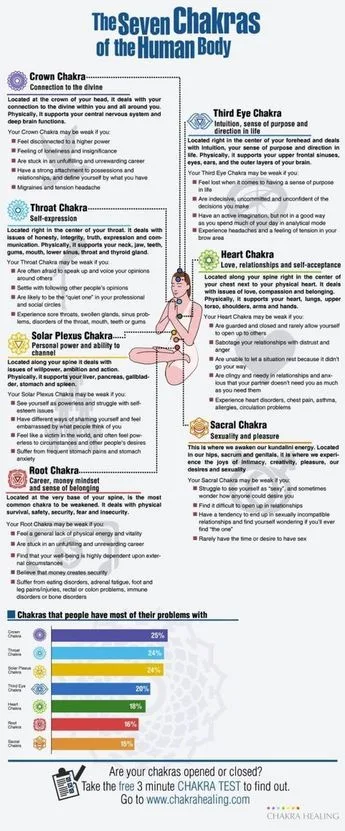
Some healers argue this creates a bridge. Love flows upward into wisdom. Wisdom descends into compassionate action.
This synergy supports emotional intelligence. You feel understood while staying grounded in empathy.
Others warn of dissociation. If you lean heavily into amethyst’s dreamy state, you might detach from physical reality. Adding rose quartz anchors you back to human connection.
It balances the ethereal nature of purple with the tangible warmth of pink.
Watch your reaction during the first week. Do you feel calm and connected? Or do you feel foggy and detached?
If you experience brain fog, remove the amethyst temporarily. Keep only the rose quartz until clarity returns. Personal response trumps theoretical doctrine.
Trust your own sensory feedback over generic blog advice.
Practical Workflow: How to Wear Them Together Safely
Start with a clean slate. Wash both stones in lukewarm water with mild soap. Dry them completely before assembly.
Moisture trapped in settings causes metal corrosion over time. This simple step extends the life of your jewelry significantly.
Next, choose your configuration. Bracelets offer constant contact between beads. Rings allow you to stack bands separately.
Necklaces keep stones distant from each other. For maximum energetic blending, bracelets work best. For distinct purposes, separate rings are superior.
Inspect your clasps regularly. Rose quartz and amethyst can be heavy depending on size. Weak clasps lead to lost gems.
Check tension monthly. If a clasp feels loose, take it to a jeweler immediately. Don’t wait for it to fail during wear.
Finally, establish a cleansing routine. Smoke cleansing (sage or palo santo) works for both. Sound bowls also reset their vibrational state.
Avoid saltwater baths for long periods. Salt can dull the polish on softer varieties of rose quartz. Moonlight is gentlest and effective for both stones.
| Method | Frequency | Best For | Risk Factor |
|---|---|---|---|
| Running Water | Weekly | Quick dust removal | None |
| Moonlight | Monthly | Energetic reset | None |
| Sage Smoke | Bi-weekly | Deep clearing | Scent sensitivity |
| Sunlight | Rare | Amethyst only | Fading risk for Rose Quartz |
Note: Direct sunlight fades amethyst purple over months. It turns yellowish-brown. Keep combined pieces out of prolonged sun exposure to preserve color integrity.
Common Mistakes That Ruin Both Stones and Meaning
Ignoring impact resistance is mistake number one. People assume hardness equals toughness. It doesn’t.
Drop a bracelet on tile, and you’ll crack the stone regardless of Mohs rating. Always remove jewelry before gym sessions or manual labor. Sweat also degrades certain metal alloys used in cheap settings.
Another error is mixing synthetic and natural stones without knowing. Lab-created amethyst has different thermal properties. It expands faster than natural quartz when heated.
If you resize a ring containing both, heat stress may cause fractures. Inform your jeweler if any stones are lab-grown.
Many users forget about nickel allergies. Sterling silver is safe. But white gold often contains nickel.
If you have sensitive skin, opt for platinum or high-karat yellow gold. Irritation ruins the wearing experience faster than chipped stones. Test small areas first if you’re unsure of your metal tolerance.
Lastly, don’t force a spiritual narrative that doesn’t fit. If you feel nothing special, stop pretending. The placebo effect requires belief.
If you’re skeptical, wear them purely as fashion accessories. There’s no shame in aesthetic appreciation alone. Authenticity matters more than performative spirituality.
FAQs on Rose Quartz and Amethyst Pairing
Can I sleep with rose quartz and amethyst jewelry?
Yes, but comfort varies. Large beads press against skin. Thin chains tangle in hair.
Amethyst promotes restful dreams for many. Rose quartz soothes emotional turbulence. If you find yourself tossing and turning, remove the pieces.
Your sleep quality takes precedence over crystal beliefs.
Does rose quartz fade when worn with amethyst?
No, not because of proximity. Rose quartz fades due to UV light exposure. Amethyst also fades under strong sun.
Wearing them together indoors poses zero fading risk. Store both away from windows when not in use. This preserves their vibrant pink and purple hues indefinitely.
Which hand should I wear the combination on?
Left hand receives energy; right hand projects it. Wear amethyst on the left for calming intake. Wear rose quartz on the right for compassionate output.
If combining them in one piece, place it on your dominant hand. Most people default to the non-dominant side for receiving benefits. Adjust based on personal intuition.
Are there zodiac signs that shouldn’t wear this combo?
Traditional astrology rarely forbids specific pairings. However, some practitioners advise caution for Scorpios with intense amethyst usage. They claim it amplifies obsessive tendencies.
Others suggest Pisces benefit greatly from the blend. These views vary widely. Trust your own astrological chart interpretation over generalized internet rules.
Practical Workflow: How to Wear Them Together Safely
Start with a clean slate. Wash both stones in lukewarm water with mild soap. Dry them completely before assembly.
Moisture trapped in settings causes metal corrosion over time. This simple step extends the life of your jewelry significantly.
Next, choose your configuration. Bracelets offer constant contact between beads. Rings allow you to stack bands separately.
Necklaces keep stones distant from each other. For maximum energetic blending, bracelets work best. For distinct purposes, separate rings are superior.
Inspect your clasps regularly. Rose quartz and amethyst can be heavy depending on size. Weak clasps lead to lost gems.
Check tension monthly. If a clasp feels loose, take it to a jeweler immediately. Don’t wait for it to fail during wear.
Finally, establish a cleansing routine. Smoke cleansing (sage or palo santo) works for both. Sound bowls also reset their vibrational state.
Avoid saltwater baths for long periods. Salt can dull the polish on softer varieties of rose quartz. Moonlight is gentlest and effective for both stones.
| Method | Frequency | Best For | Risk Factor |
|---|---|---|---|
| Running Water | Weekly | Quick dust removal | None |
| Moonlight | Monthly | Energetic reset | None |
| Sage Smoke | Bi-weekly | Deep clearing | Scent sensitivity |
| Sunlight | Rare | Amethyst only | Fading risk for Rose Quartz |
Note: Direct sunlight fades amethyst purple over months. It turns yellowish-brown. Keep combined pieces out of prolonged sun exposure to preserve color integrity.
Common Mistakes That Ruin Both Stones and Meaning
Ignoring impact resistance is mistake number one. People assume hardness equals toughness. It doesn’t.
Drop a bracelet on tile, and you’ll crack the stone regardless of Mohs rating. Always remove jewelry before gym sessions or manual labor. Sweat also degrades certain metal alloys used in cheap settings.
Another error is mixing synthetic and natural stones without knowing. Lab-created amethyst has different thermal properties. It expands faster than natural quartz when heated.
If you resize a ring containing both, heat stress may cause fractures. Inform your jeweler if any stones are lab-grown.
Many users forget about nickel allergies. Sterling silver is safe. But white gold often contains nickel.
If you have sensitive skin, opt for platinum or high-karat yellow gold. Irritation ruins the wearing experience faster than chipped stones. Test small areas first if you’re unsure of your metal tolerance.
Lastly, don’t force a spiritual narrative that doesn’t fit. If you feel nothing special, stop pretending. The placebo effect requires belief.
If you’re skeptical, wear them purely as fashion accessories. There’s no shame in aesthetic appreciation alone. Authenticity matters more than performative spirituality.

Similar Posts