What is Manifesto: Unveiling Its Purpose and Impact
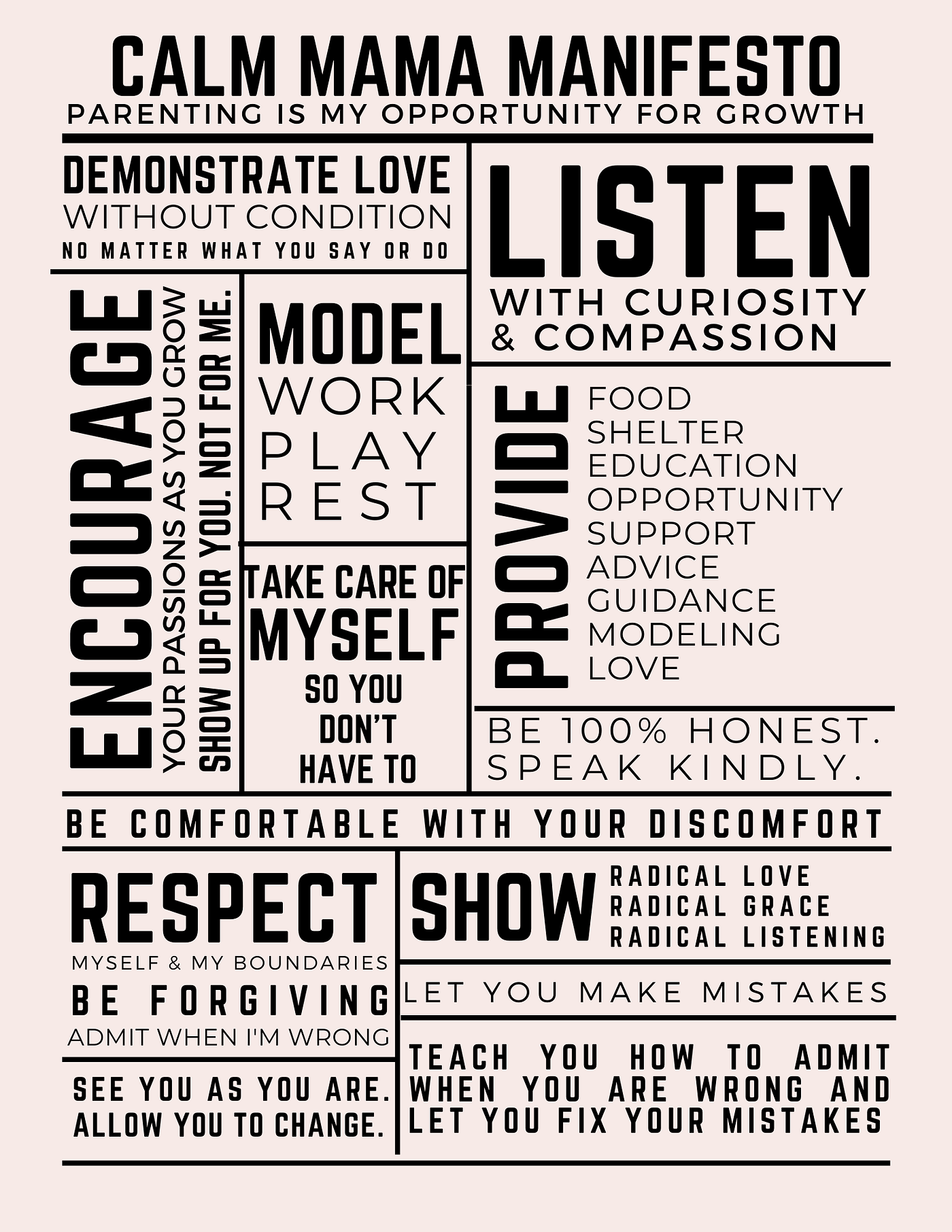
Have you ever wondered what makes a group or movement truly stand out? The answer often lies in one powerful tool: a manifesto.
But what exactly is a manifesto, and why should you care about it? Whether you’re leading a project, starting a business, or simply trying to express your beliefs clearly, understanding what a manifesto is can change the way you communicate your ideas.
You’ll discover the key elements that make a manifesto effective and how it can help you inspire others and make your vision impossible to ignore. Keep reading to unlock the secrets behind crafting a manifesto that speaks directly to your audience—and to yourself.

Credit: www.instagram.com
Manifesto Basics
Understanding the basics of a manifesto is essential if you want to create one that truly resonates with your audience. A manifesto is more than just a statement; it’s a powerful tool that outlines beliefs, goals, and intentions in a clear and passionate way. Let’s break down what makes a manifesto effective and where it all began.
Definition And Origins
A manifesto is a public declaration of principles, intentions, or views, often related to political, social, or artistic movements. It aims to inspire, challenge, and guide both the creator and the audience. The word itself comes from the Latin manifestum, meaning “clear” or “obvious.”
Manifestos have a long history, dating back to the early political documents and revolutionary writings. One famous example is the 1848 Communist Manifestoby Karl Marx and Friedrich Engels, which shaped political thought worldwide.
Have you ever thought about how a few strong words can spark major change? That’s the power packed into a manifesto.
Key Characteristics
- Clarity:A manifesto is straightforward and easy to understand. It leaves no room for confusion about what the creator stands for.
- Passion:It carries an emotional drive that motivates action. Without passion, a manifesto feels flat and uninspiring.
- Purpose:Every manifesto has a clear goal or mission. Whether it’s to shift public opinion or rally supporters, its purpose is non-negotiable.
- Conciseness:It’s usually brief but powerful. Long-winded explanations dilute the impact.
- Call to Action:Most manifestos end by urging readers to think differently, join a cause, or change behavior.
Think about your own beliefs or goals. How would you express them in a way that’s both clear and compelling? Crafting a manifesto forces you to focus on what truly matters to you and communicate it boldly.
Purpose Of A Manifesto
A manifesto serves a clear and powerful purpose. It is more than just words on a page—it shapes how you communicate your core beliefs and goals. Understanding its purpose helps you create a message that resonates and inspires action.
Expressing Vision And Values
A manifesto lets you clearly state what you stand for and what you aim to achieve. It puts your vision and values front and center, making them easy to understand for everyone. When you write your manifesto, think about what truly drives you and your mission.
Have you ever felt stuck trying to explain your ideas? A manifesto cuts through confusion by offering a focused, simple statement of intent. This clarity helps others see your passion and commitment instantly.
Mobilizing Support
One of the most important roles of a manifesto is to rally people around a cause. It acts as a call to action that encourages others to join your journey. When people connect with your values, they are more likely to support and spread your message.
Consider how successful movements use manifestos to build communities. Your manifesto can do the same by creating a shared sense of purpose. Ask yourself: who do you want to inspire, and how can your words motivate them?
Driving Change
A manifesto is a tool for pushing forward real change. It doesn’t just describe what you want—it challenges the status quo and invites others to help make a difference. Your manifesto should be bold enough to shake things up but clear enough to guide action.
Think about the last time you were moved to act by a clear, passionate message. That feeling is what your manifesto should create. Use it to set goals, outline steps, and keep momentum alive as you work toward your vision.
Types Of Manifestos
Manifestos come in different forms, each serving a unique purpose and audience. Understanding the types of manifestos helps you see how they communicate ideas and inspire action. Whether you’re crafting one for your business, community, or creative project, knowing these categories can guide your approach effectively.
Political Manifestos
Political manifestos outline a party’s goals, values, and plans if elected. They focus on policies, social change, and governance, aiming to convince voters to support a cause or candidate. Think about how election campaigns use manifestos to create trust and clarity—what promises would you want to see in one?
These documents often list specific actions, such as improving education or healthcare. They are direct and clear to help voters understand what changes to expect. Crafting a political manifesto requires honesty and a strong connection with the audience’s needs.
Artistic And Cultural Manifestos
Artistic manifestos challenge traditional ideas and push creative boundaries. They express a group or individual’s vision for art, culture, or society. Imagine a manifesto as a bold statement that sparks new ways of thinking or creating.
Many famous art movements, like Surrealism or Futurism, had manifestos explaining their goals and styles. If you’re involved in creative work, writing a manifesto can clarify your purpose and set you apart. What beliefs about art or culture do you want to stand for?
Corporate And Brand Manifestos
Corporate and brand manifestos define a company’s mission, values, and identity. They serve as a guide for employees and a promise to customers about what the brand represents. You might have noticed how some brands share their manifesto to build loyalty and trust.
These manifestos focus on the company’s commitment to quality, innovation, or social responsibility. Writing one helps align your team and attract customers who share your values. What story does your brand want to tell, and how will it inspire others?

Credit: kristofberg.medium.com
Crafting An Effective Manifesto
Crafting an effective manifesto requires careful thought and clear expression. It should state your core beliefs and goals in a way that everyone can grasp. A strong manifesto connects with readers on a personal level. It motivates them to join your cause or support your vision. Focus on clarity, emotion, and action to create a compelling message.
Clear And Concise Messaging
Keep your message simple and direct. Use short sentences that explain your ideas clearly. Avoid complex words or long paragraphs. Each statement should reflect your main values and goals. Readers should understand your purpose without confusion. A clear manifesto builds trust and credibility.
Emotional Appeal
Speak to the feelings of your audience. Share stories or ideas that inspire hope and passion. Use words that create a sense of belonging or urgency. Emotional appeal helps people connect with your message deeply. It makes your manifesto memorable and powerful.
Call To Action
End your manifesto with a clear call to action. Tell readers what you want them to do next. This could be joining a movement, supporting a cause, or changing a habit. A strong call to action turns words into real impact. It motivates readers to take part and make a difference.
Impact Of Manifestos
Manifestos have the power to shape societies and change the course of history. They act as a rallying cry, a clear statement of beliefs and goals that inspire action. Understanding their impact reveals why they remain a vital tool for expressing collective vision and driving change.
Historical Examples
Some manifestos have left a lasting mark on history. The Communist Manifestoby Karl Marx and Friedrich Engels challenged existing economic systems and influenced political ideologies worldwide. Similarly, the Futurist Manifestopushed the boundaries of art and culture in the early 20th century, encouraging people to embrace technology and reject the past.
These documents didn’t just state ideas—they sparked debates and movements that reshaped societies. Have you ever thought about how a few pages could change the world?
Influence On Movements
Manifestos often serve as the foundation for social and political movements. They give people a shared language and purpose. Take the Declaration of Sentimentsfrom the women’s rights movement in 1848; it helped unify activists and clarify their demands for equality.
When you align your goals with a manifesto, you join a larger force with clear direction. This connection can fuel momentum and keep movements focused, even through challenges.
Modern-day Relevance
Today, manifestos still play a crucial role. Startups and organizations use them to define their mission and values, making their intentions transparent to customers and employees. Online communities and social campaigns release manifestos to rally support and outline future plans.
Writing or engaging with a manifesto can help you clarify your own purpose and inspire others to take part in your vision. What would your manifesto say about your goals and values?
Challenges And Criticisms
Manifestos can inspire and guide movements, but they also face several challenges and criticisms. Understanding these issues helps you create a stronger, more effective manifesto. Let’s look at some common pitfalls and how to handle them.
Misinterpretation Risks
One major challenge is that your manifesto might be misunderstood. People often interpret statements differently based on their own experiences and beliefs. This can lead to confusion or even conflict.
Think about a time when you shared your vision with a group, and they took away something you didn’t intend. How did that affect your goals? Clear, simple language and specific examples reduce this risk.
Overuse And Dilution
Manifestos lose power when they become too common or vague. If every organization publishes one without real commitment, readers start ignoring them. You want your manifesto to stand out, not blend in.
Have you ever seen a manifesto that sounded impressive but lacked real action? That’s the problem with overuse—it waters down the message. Focus on authenticity and follow-through to keep your manifesto meaningful.
Balancing Idealism And Pragmatism
It’s tempting to write a manifesto filled with big dreams, but ignoring practical steps can hurt your credibility. A manifesto should inspire and also offer a realistic path forward.
Ask yourself: Are your goals achievable? How will you measure progress? Striking this balance helps your manifesto motivate without setting impossible expectations.
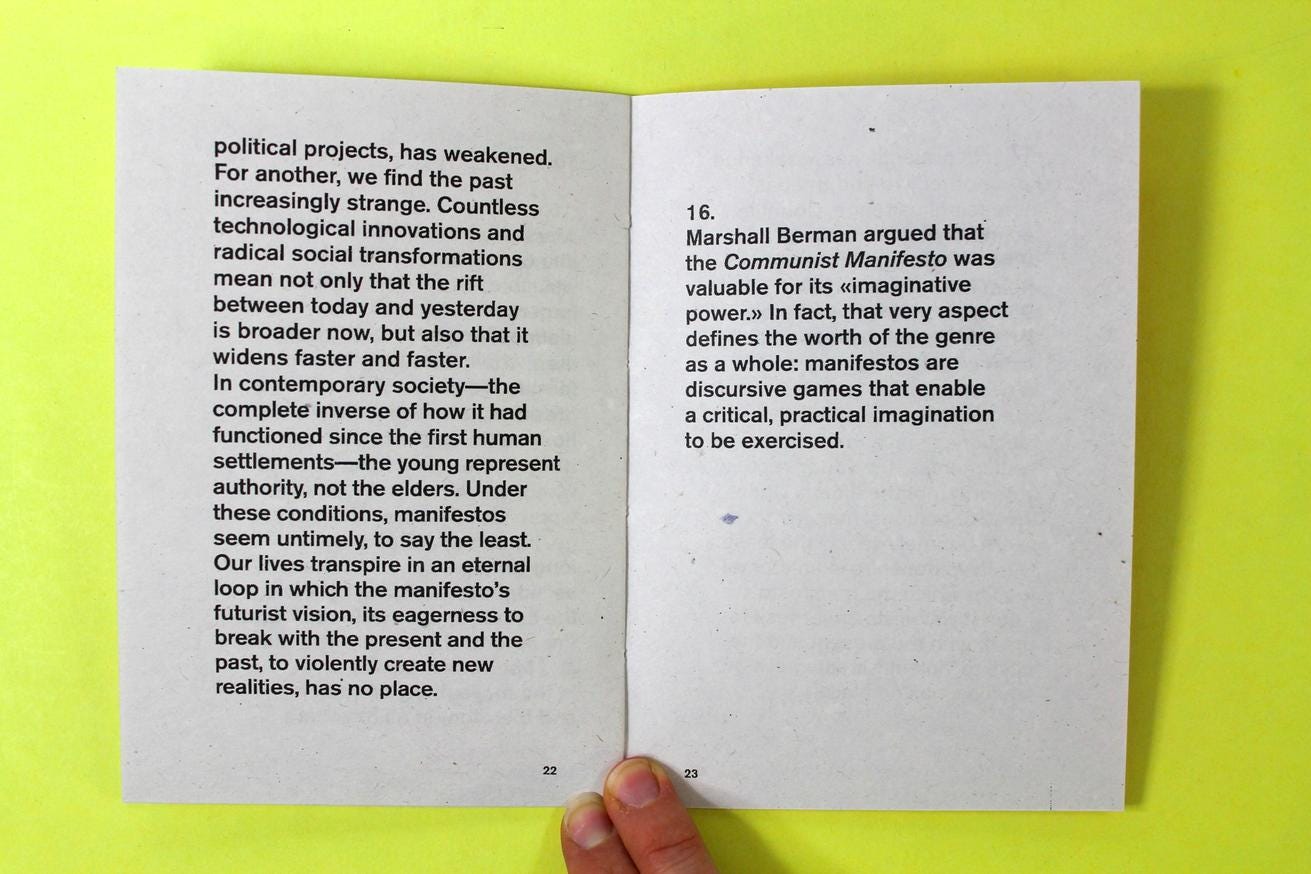
Credit: medium.com
Frequently Asked Questions
What Is A Manifesto In Simple Terms?
A manifesto is a public declaration of beliefs, goals, or intentions. It outlines a person’s or group’s vision and plans. Manifestos often aim to inspire action or change. They are common in politics, art, and social movements.
Why Are Manifestos Important In Society?
Manifestos clearly communicate values and objectives to the public. They help unify supporters around common goals. Manifestos also hold leaders accountable for their promises. They inspire change by spreading ideas and motivating action.
How Does A Manifesto Differ From A Mission Statement?
A manifesto is more passionate and visionary than a mission statement. It focuses on bold goals and principles. A mission statement is concise and practical, describing purpose and operations. Manifestos aim to inspire, while mission statements guide daily work.
Who Writes A Manifesto And Why?
Individuals, political parties, or organizations write manifestos to share their vision. They want to connect with supporters and gain trust. Manifestos help clarify goals and strategies. They also serve as a promise to act on stated principles.
Conclusion
A manifesto shares clear ideas and strong beliefs. It helps people understand what matters most. Writing one can guide your actions and choices. It shows your values and goals in simple words. A good manifesto inspires and brings focus. Anyone can create one to express their vision.
Think of it as a roadmap for your purpose. Keep your message honest and easy to follow. Manifestos connect people through shared ideas and hope. They make your voice heard in a powerful way.

Similar Posts