When Was Manifest Destiny Coined: Historical Insights

Have you ever wondered when the term “Manifest Destiny” first came into use? Understanding the origin of this powerful phrase can change the way you see a key chapter in American history.
It’s more than just words—it shaped the mindset of a nation and influenced decisions that still impact us today. If you want to uncover the story behind this famous phrase and why it mattered so much, keep reading. Your curiosity about history is about to be rewarded.

Credit: www.aspendailynews.com
Origins Of Manifest Destiny
Manifest Destiny is a phrase tied to a specific time in American history. It describes the belief that the United States was meant to expand across the continent. This idea shaped the country’s policies and actions in the 1800s. Understanding its origin helps explain why it became so powerful and influential.
The term “Manifest Destiny” was first used in the 1840s. It captured a mix of ambition, nationalism, and a sense of divine right. To fully grasp this, we need to look at the early 19th century and the political atmosphere of the 1840s.
Early 19th Century America
After the American Revolution, the young nation began to grow. People moved westward, seeking land and new opportunities. The Louisiana Purchase doubled the country’s size. Settlers pushed beyond the Mississippi River, facing challenges but driven by hope.
This expansion was seen as natural and necessary. Many Americans believed their culture and government should spread. The idea of “Manifest Destiny” rose from this belief. It gave a name to the feeling that growth was both justified and inevitable.
Political Climate Of The 1840s
The 1840s were a time of intense debate and change. The U.S. faced questions about slavery, territory, and power. Political leaders used Manifest Destiny to rally support for expansion. They argued it was the nation’s duty to spread freedom and democracy.
During this decade, the U.S. acquired Texas, Oregon, and California. These moves were driven by the belief in Manifest Destiny. The term itself was popularized by journalist John L. O’Sullivan in 1845. He wrote that it was America’s “manifest destiny to overspread the continent.”
Coining The Term
The phrase “Manifest Destiny” carries a powerful weight in American history, but when and how did it first come into use? Understanding the origin of this term reveals much about the mindset and motivations driving 19th-century expansion. It wasn’t just a catchy slogan; it was a deliberate expression that shaped policies and attitudes.
John L. O’sullivan’s Role
John L. O’Sullivan, a journalist and editor, played a key part in bringing the phrase “Manifest Destiny” into the public eye. He believed that the United States was destined to expand across the continent. This idea wasn’t just about land—it was about spreading certain values and a way of life.
O’Sullivan wrote passionately about this belief, framing it as a moral obligation. His writings gave a name and a purpose to what many Americans felt but hadn’t clearly defined. Have you ever thought about how a single person’s words can change the course of a nation?
First Published Usage
The first known appearance of “Manifest Destiny” was in 1845, in an article by O’Sullivan. He used it to describe the annexation of Texas and the broader goal of expanding U.S. territory. This was more than just political commentary; it was a call to action.
This publication helped spread the term quickly, turning it into a rallying cry for expansionists. It connected with many who saw America’s growth as inevitable and justified. What does it say about your own beliefs when a phrase captures your vision so completely?
Manifest Destiny In Politics
Manifest Destiny was more than a phrase; it shaped American politics deeply. The idea pushed leaders to expand the nation’s borders aggressively. It became a guiding belief for many politicians in the 19th century. This belief influenced laws, debates, and political strategies. Manifest Destiny gave direction and purpose to political agendas.
Expansionist Policies
Politicians used Manifest Destiny to justify land growth. They supported policies that added territories to the United States. The government encouraged settlers to move westward. Laws like the Homestead Act made land available cheaply. Expansionist policies also led to conflicts with Native Americans and other nations. These policies reflected the belief that the U.S. had a right to spread across the continent.
Influence On Presidential Campaigns
Presidential candidates often spoke about Manifest Destiny during campaigns. They promised to grow the country and protect American interests. James K. Polk, a key figure, made expansion a top goal. Campaign speeches highlighted the idea of spreading democracy and freedom. Voters supported candidates who embraced Manifest Destiny. The phrase helped shape public opinion and election results.
Impact On Territorial Expansion
Manifest Destiny had a strong impact on the growth of the United States. It fueled the desire to expand the country’s borders westward. This belief made Americans push for new lands and territories. The idea shaped many important events that changed the map of the nation forever.
Annexation Of Texas
Texas was once part of Mexico. American settlers moved there and wanted independence. The idea of Manifest Destiny encouraged the U.S. to accept Texas as a state. Annexing Texas caused tensions with Mexico. It was a key step in expanding U.S. territory.
Oregon Trail And Territory
The Oregon Trail was a path many settlers used to move west. The U.S. wanted to claim the Oregon Territory, shared with Britain. Manifest Destiny pushed leaders to negotiate and settle the border. This secured land from the Pacific Northwest for America.
Mexican-american War
The Mexican-American War began after Texas joined the U.S. The conflict helped the U.S. win large areas of land. These included California, Arizona, and New Mexico. The war showed the power of Manifest Destiny in shaping the nation’s borders.
Cultural And Social Effects
The cultural and social effects of Manifest Destiny shaped the United States in profound ways. This idea didn’t just move borders; it shifted lives, beliefs, and communities. Understanding these effects helps you see how history still echoes in today’s society.
Native American Displacement
Manifest Destiny led to widespread displacement of Native American tribes. As settlers moved west, indigenous peoples were pushed from their ancestral lands. This forced relocation caused loss of homes, culture, and traditional ways of life.
Many tribes faced violent confrontations or were moved to reservations with poor resources. Imagine losing your home and heritage overnight—that’s what countless Native Americans experienced. This displacement disrupted social structures and caused long-term trauma that affects communities even now.
Public Opinion And Media
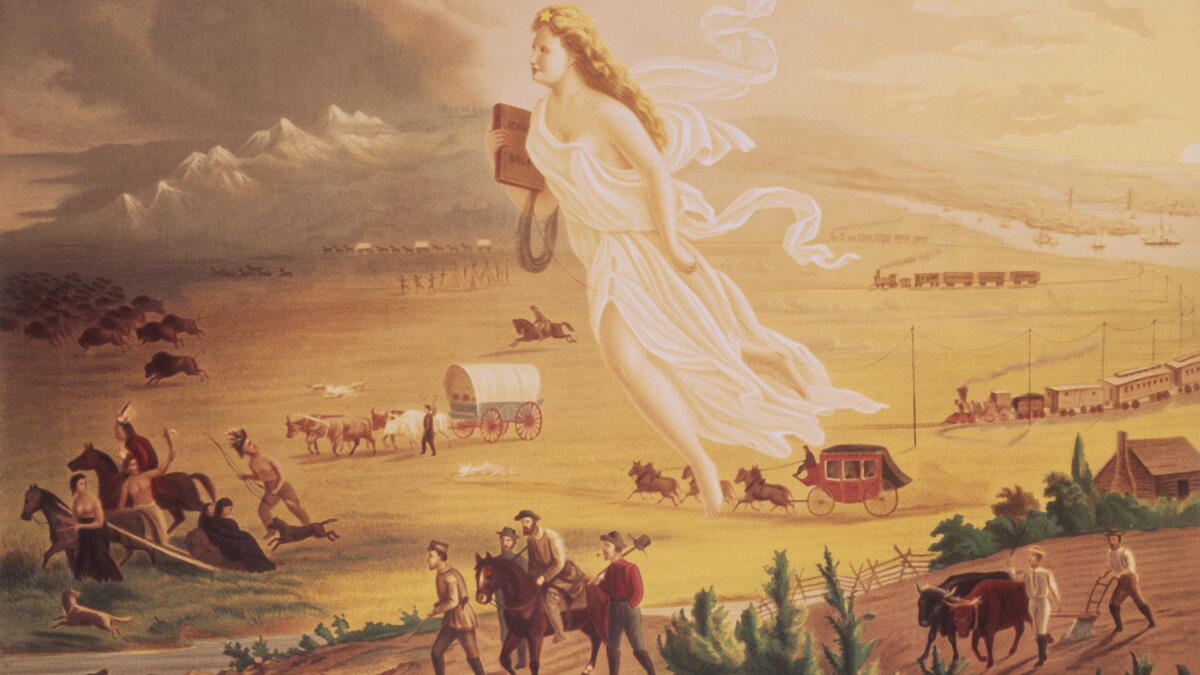
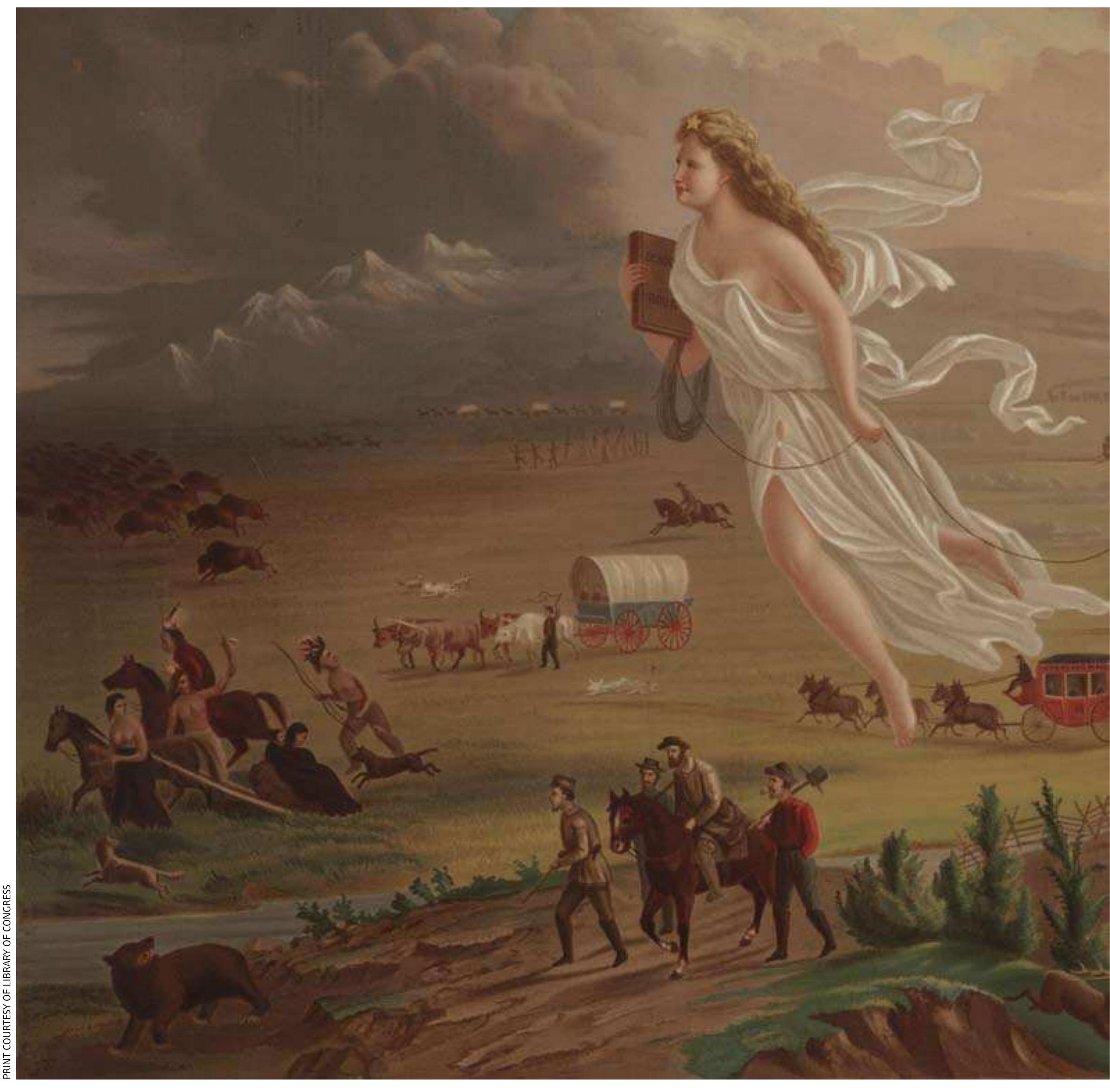
Media played a crucial role in shaping public opinion about Manifest Destiny. Newspapers and pamphlets often glorified westward expansion as a noble mission. They used powerful images and stories to persuade readers that expansion was both inevitable and righteous.
This influence encouraged many to support government policies that favored expansion despite the human cost. When you read old headlines or political cartoons from the time, you see how media shaped beliefs and justified actions. Have you ever noticed how media today can still shape your views on important issues?
Credit: www.latimes.com
Legacy Of The Term
The term “Manifest Destiny” carries a strong legacy in American history. It shaped the nation’s growth and identity during the 19th century. Beyond its historical use, the phrase influences how people view expansion and national purpose today.
Its legacy sparks debate and reflection on the values and actions tied to America’s growth. Understanding this legacy helps explain ongoing discussions about culture, politics, and history in the United States.
Modern Interpretations
Today, Manifest Destiny is seen in different ways. Some view it as a symbol of ambition and progress. It represents the drive to explore and settle new lands.
Others see it as a story of opportunity and growth. It reflects the American spirit of adventure and determination. In schools and media, the term often appears when discussing U.S. history and identity.
Criticism And Controversy
Manifest Destiny also faces strong criticism. Many argue it justified unfair treatment of Native Americans. It led to wars and displacement of indigenous people.
Critics say the term supports ideas of racial superiority and imperialism. It symbolizes the darker side of expansion, including greed and violence.
These debates continue to shape how Americans remember their past. They push for a more honest and inclusive historical narrative.
Credit: www.academia.edu
Frequently Asked Questions
When Was The Term Manifest Destiny First Used?
The term “Manifest Destiny” was first coined in 1845 by journalist John L. O’Sullivan. He used it to describe the belief that the U. S. was destined to expand across North America. This idea influenced American expansionism in the mid-19th century.
Who Popularized The Phrase Manifest Destiny?
John L. O’Sullivan popularized the phrase in 1845 through his article in the United States Magazine and Democratic Review. He argued that American expansion was both justified and inevitable. His words helped shape public opinion on westward expansion.
What Does Manifest Destiny Mean Historically?
Historically, Manifest Destiny means the belief in the U. S. right and duty to expand westward. It reflected ideas of American exceptionalism and destiny. This belief justified territorial acquisitions and had lasting effects on U. S. history.
How Did Manifest Destiny Impact U.s. Expansion?
Manifest Destiny motivated the U. S. to acquire territories like Texas, Oregon, and California. It encouraged settlement and conflicts like the Mexican-American War. The doctrine shaped America’s borders and growth during the 19th century.
Conclusion
Manifest Destiny was first coined in 1845 by John O’Sullivan. The term captured the belief that the United States should expand westward. This idea shaped much of America’s history and growth. It influenced politics, culture, and conflicts in the 19th century.
Understanding when Manifest Destiny was named helps us see its impact clearly. The phrase reminds us how powerful ideas can drive a nation’s path. Manifest Destiny remains a key part of American history today.

Similar Posts