Who Coined the Term Manifest Destiny: Unveiling History

Have you ever wondered where the powerful idea of Manifest Destiny began? This phrase shaped a whole era in American history, influencing decisions and changing lives.
But who actually came up with the term that captured such a bold vision? Understanding this can change the way you see the past—and even the present. Keep reading, and you’ll discover the story behind the words that helped define a nation’s future.
Origins Of Manifest Destiny
The term “Manifest Destiny” shaped America’s 19th-century expansion. It described the belief that the United States was meant to spread across the continent. This idea influenced politics, culture, and society deeply.
Understanding the origins of Manifest Destiny helps explain how this belief started and who first used the term. It reveals the early American mindset about growth and destiny.
Early Influences On The Idea Of Expansion
Before the term existed, many Americans believed in expanding westward. They saw it as a way to spread democracy and freedom. This belief grew from earlier ideas about the country’s mission.
John L. O’sullivan And The Coining Of The Term
In 1845, journalist John L. O’Sullivan first used the phrase “Manifest Destiny.” He wrote about the United States’ right and duty to expand. His words caught the public’s attention and shaped national policy.
The Political Climate That Supported Manifest Destiny
During the 1840s, the U.S. faced debates over territory and slavery. Many politicians embraced Manifest Destiny to support territorial growth. This helped fuel wars and treaties that increased U.S. land.

Credit: hyperallergic.com
John L. O’sullivan’s Role
John L. O’Sullivan played a key role in shaping American history with the term “Manifest Destiny.” His writings helped spread the idea that the United States was meant to expand across the continent. O’Sullivan’s words stirred strong feelings and changed how many Americans saw their country’s future. Understanding his role gives us a clearer picture of this important moment in history.
Background Of John L. O’sullivan
John L. O’Sullivan was a journalist and editor in the 1800s. He worked for several newspapers and magazines. O’Sullivan was known for his strong views on politics and America’s growth. He believed the United States had a special mission. His writing style was clear and persuasive. He aimed to inspire people to support expansion.
First Use Of The Term
O’Sullivan first used the term “Manifest Destiny” in 1845. He wrote it in an article about Texas joining the United States. The phrase described the belief that America had a clear right to expand west. O’Sullivan said this expansion was both obvious and meant to happen. His phrase quickly caught on and spread in newspapers and speeches.
Influence On Public Opinion
O’Sullivan’s phrase shaped how Americans thought about their country. It made many people believe expansion was a duty. The idea helped gather support for moving west. It also justified actions like war and settlement. Leaders and citizens used “Manifest Destiny” to explain their goals. O’Sullivan’s words gave a strong voice to America’s ambitions.
Political Context In The 1840s
The 1840s were a turbulent time in American politics, marked by rapid change and intense debate. The nation was grappling with its identity and future direction as it expanded westward. Understanding the political context of this decade helps you see why the term Manifest Destinyresonated so strongly with many Americans.
Expansionist Sentiments
People in the 1840s believed the United States had a special mission to spread across the continent. This feeling was not just about land; it was tied to ideas of culture, government, and economic opportunity.
Many Americans saw expansion as inevitable and even necessary. It was a way to strengthen the nation and fulfill what they thought was their destiny. Have you ever wondered how your own views on growth and opportunity might be shaped by the times you live in?
Key Political Figures
Several leaders helped shape and popularize the idea of Manifest Destiny. One of the most important was John L. O’Sullivan, a journalist who first used the term in 1845. He wrote passionately about America’s “divine right” to expand westward.
President James K. Polk also played a crucial role. His policies aggressively promoted territorial growth, including the annexation of Texas and the push for Oregon Territory. These actions reflected and fueled the expansionist mood of the era.
Manifest Destiny And U.s. Policy
The idea of Manifest Destiny quickly influenced government decisions. It justified wars, treaties, and purchases that added millions of square miles to the U.S.
The Mexican-American War (1846-1848) was a direct result of this expansionist policy. The war ended with the Treaty of Guadalupe Hidalgo, which handed over vast new territories to America.
Thinking about your own goals, how often do you weigh the risks and rewards before making big moves? The leaders of the 1840s were making similar calculations on a national scale.
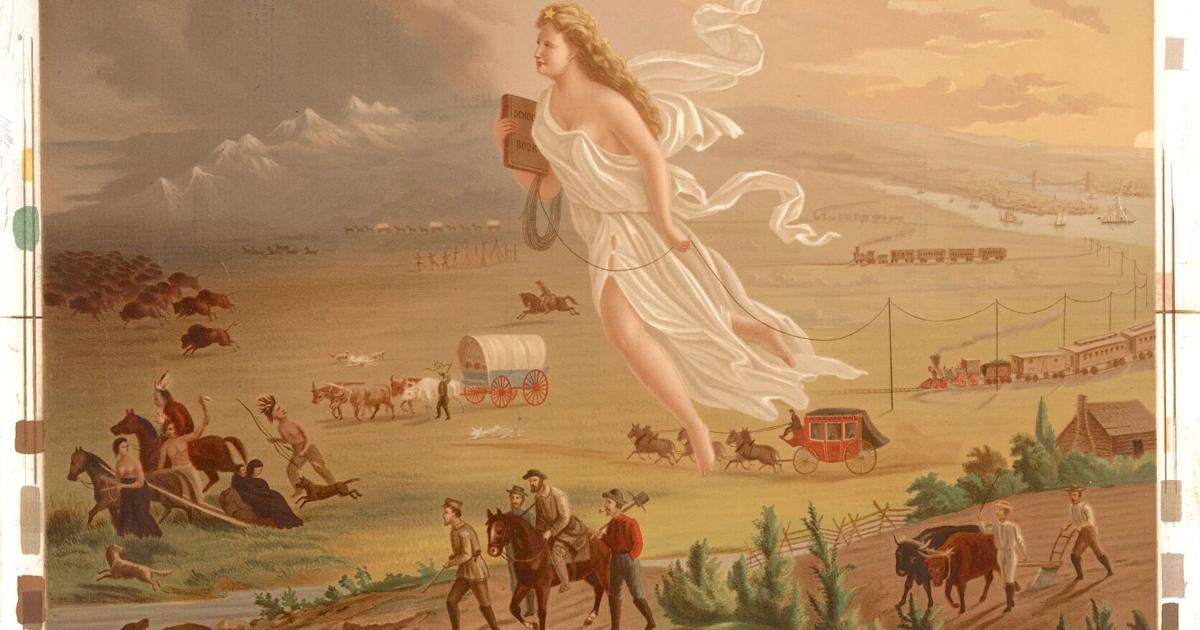
Credit: www.aspendailynews.com
Cultural And Social Impact
The term “Manifest Destiny” shaped more than just political agendas; it deeply influenced the culture and society of America. Understanding its cultural and social impact helps you see how this idea molded the nation’s identity, affected countless lives, and echoed through art and storytelling. Let’s explore how these effects still resonate with you today.
Effect On American Identity
Manifest Destiny gave Americans a strong sense of purpose. It fueled a belief that expanding across the continent was not just a goal but a destiny. This idea boosted national pride and shaped the way Americans saw themselves—as pioneers and leaders of progress.
However, this belief also created a sense of superiority. It encouraged many to think their culture and way of life were meant to spread, often overlooking the complexities of other peoples and places. Ask yourself: How does this historical mindset influence your view of national identity now?
Impact On Native Americans
The expansion justified by Manifest Destiny had devastating effects on Native Americans. Lands were taken, cultures disrupted, and populations displaced or destroyed. You can’t ignore that this belief directly contributed to suffering and loss for indigenous communities.
Understanding this impact challenges you to rethink the legacy of American growth. How might acknowledging these harsh realities change your perspective on U.S. history? Recognizing these consequences is a step toward a more honest and inclusive view of the past.
Manifest Destiny In Literature And Media
Writers and artists of the 19th century captured the spirit of Manifest Destiny in powerful ways. Stories of adventure, discovery, and conquest filled books, paintings, and newspapers. These cultural works shaped public opinion and made the idea feel like an exciting, unavoidable future.
Even today, movies and books revisit these themes, sometimes glorifying expansion and other times questioning its morality. Have you noticed how these portrayals affect your understanding of American history? Reflecting on these narratives can help you see the difference between myth and reality.
Legacy Of The Term
The term “Manifest Destiny” has left a lasting mark on American history and culture. It shaped the nation’s view of expansion and progress for generations. Understanding its legacy helps you see how ideas from the past still influence today’s discussions about identity and policy.
Modern Interpretations
Today, many people see Manifest Destiny as a complex and layered idea. Some view it as a symbol of ambition and growth, highlighting the pioneering spirit that pushed the United States westward.
Others interpret it as a cautionary tale about overreach and the consequences of unchecked expansion. You might notice how this term appears in debates about immigration and national borders, showing its ongoing relevance.
Have you ever wondered how a phrase from the 1800s still shapes political and social conversations? Reflecting on Manifest Destiny helps you understand the roots of many modern American attitudes.
Controversies And Criticisms
Manifest Destiny also carries a heavy burden of controversy. It justified actions that led to the displacement and suffering of Native American communities and other groups.
Critics argue that it promoted a form of cultural arrogance and entitlement, masking the harsh realities of conquest with a sense of divine right. This makes you question how history is told and whose stories are prioritized.
When you think about the term’s legacy, it challenges you to confront uncomfortable truths about power, justice, and historical memory. How does this affect your view of American history?

Credit: www.facebook.com
Frequently Asked Questions
Who Coined The Term Manifest Destiny?
The term “Manifest Destiny” was coined by journalist John L. O’Sullivan in 1845. He used it to describe the belief in the United States’ destiny to expand westward across North America.
When Was The Term Manifest Destiny First Used?
John L. O’Sullivan first used the term “Manifest Destiny” in 1845. He introduced it in an article advocating the annexation of Texas and westward expansion.
What Did Manifest Destiny Mean Originally?
Originally, Manifest Destiny meant the belief that the U. S. was destined to expand across the continent. It justified territorial growth and American exceptionalism during the 19th century.
How Did John L. O’sullivan Influence U.s. Expansion?
O’Sullivan’s phrase popularized the idea that U. S. expansion was justified and inevitable. This belief fueled policies like annexation and the Mexican-American War.
Conclusion
The term “Manifest Destiny” came from John L. O’Sullivan in 1845. It showed the belief that the United States should expand across the continent. This idea shaped much of American history and politics. Understanding who coined the term helps us see how people thought then.
It also explains why the country grew quickly. The phrase still matters when we study America’s past. It reminds us of the hopes and challenges of that time. Knowing this helps us learn from history and think about the future.

Similar Posts