Who Wrote the Communist Manifesto: Unveiling the Authors

Have you ever wondered who wrote the Communist Manifesto and why it still sparks debates today? Understanding the minds behind this powerful document can change how you see history, politics, and the world around you.
You’ll discover the real authors and the story behind their groundbreaking ideas. Keep reading, because what you learn here might surprise you and give you a fresh perspective on a text that shaped the course of history.

Credit: books.apple.com
Origins Of The Manifesto
The origins of the Communist Manifesto reveal much about the forces that shaped this powerful political document. Understanding the backdrop against which it was written helps you appreciate why its ideas struck a chord and continue to influence debates today.
Historical Context
The Communist Manifesto was published in 1848, a year marked by widespread social unrest across Europe. Industrialization was transforming economies, creating stark gaps between wealthy factory owners and poor workers.
Many people faced harsh working conditions, long hours, and little political power. This growing inequality sparked demands for change, setting the stage for revolutionary ideas. Have you noticed how economic shifts in your lifetime have affected social attitudes? The 19th century was no different.
Political Climate In 1848
Europe in 1848 was a powder keg of political tension. Monarchies and aristocracies struggled to maintain control while liberal and socialist movements gained momentum.
Mass protests and uprisings erupted in cities like Paris, Vienna, and Berlin. The ruling classes feared losing their power, while many common people hoped for democracy and workers’ rights.
This volatile atmosphere pushed thinkers like Karl Marx and Friedrich Engels to write the Communist Manifesto. They wanted to provide a clear analysis and call to action for the working class. What role do you think political unrest plays in sparking new ideas today?

Credit: www.amazon.com
Karl Marx’s Role
Karl Marx’s role in writing the Communist Manifesto was central and transformative. His ideas and vision shaped the text into a powerful call for social change. Understanding his background and thought process helps you grasp why the manifesto still resonates today.
Early Life And Influences
Karl Marx was born in 1818 in Trier, Germany. His early education exposed him to philosophy, history, and economics, which laid the groundwork for his later ideas.
Marx was deeply influenced by the political unrest and social inequalities of his time. You might find it interesting that his experiences with poverty and political exile fueled his passion for justice. These personal challenges gave him a unique perspective on the struggles faced by the working class.
Philosophical Contributions
Marx’s philosophical ideas combined elements from German philosophy, British political economy, and French socialism. He introduced the concept of historical materialism, which explains how economic forces shape societies.
This theory challenges you to think about history differently—not as a series of random events but as a process driven by class struggles. Marx’s focus on the conflict between capitalists and workers remains a key lens for analyzing social issues today.
Writing Process
The Communist Manifesto was co-written with Friedrich Engels, but Marx drove the writing process. He carefully structured the manifesto to outline the problems of capitalism and propose revolutionary solutions.
Marx’s writing was clear and direct, aiming to reach a broad audience. If you’ve ever tried to write about complex ideas, you know how hard it is to keep language simple and powerful. Marx managed to do just that, making his message accessible and compelling.
Friedrich Engels’ Role
Friedrich Engels played a crucial role in the creation of the Communist Manifesto. His ideas and support helped shape the work alongside Karl Marx. Engels was not just a co-author but a close collaborator and friend. His contributions went beyond writing, influencing both the content and the spread of the manifesto.
Background And Partnership With Marx
Engels came from a wealthy family but shared Marx’s vision for social change. They met in the 1840s and quickly became intellectual partners. Both critiqued capitalism and its effects on workers. Their partnership combined Marx’s theory with Engels’ practical experience. Together, they formed a powerful team to challenge existing social orders.
Financial Support
Engels provided critical financial help to Marx. Marx struggled with money for most of his life. Engels’ income from his family’s business funded Marx’s research and writing. This support allowed Marx to focus on developing his ideas. Without Engels’ backing, the Communist Manifesto might not have been completed.
Collaborative Efforts
The Communist Manifesto was a joint effort by Engels and Marx. They shared drafts and discussed each chapter in detail. Engels contributed both ideas and writing skills. Their collaboration made the manifesto clear and powerful. Their teamwork ensured the message reached a wide audience.
Joint Authorship Dynamics
The Communist Manifesto stands as a product of true collaboration. Karl Marx and Friedrich Engels combined their talents and ideas to create this influential work. Their joint authorship reveals a dynamic partnership shaped by clear roles, shared beliefs, and constant communication.
Division Of Labor
Marx and Engels split their tasks to work efficiently. Marx focused on the economic and philosophical parts. Engels contributed with historical examples and social analysis. This clear division helped them cover many aspects in detail. It made the writing process faster and more organized.
Shared Ideologies
Both believed in the need for social change. They agreed that capitalism created inequality and exploitation. Their similar views made their writing powerful and consistent. This unity of thought gave the manifesto a strong, clear message. They aimed to inspire workers worldwide to unite and act.
Correspondence And Revisions
They kept in close contact during the writing process. Letters exchanged ideas and draft changes often. Engels reviewed Marx’s drafts and suggested improvements. Marx welcomed feedback and revised his work carefully. This back-and-forth sharpened the manifesto’s arguments and style.
Impact And Legacy
The Communist Manifesto, written by Karl Marx and Friedrich Engels, left a deep mark on history. Its ideas challenged the existing social order and inspired many political movements. The impact and legacy of this text continue to be felt across the world today.
Immediate Reception
The manifesto spread quickly among workers and intellectuals. It sparked debates about class struggle and capitalism. Some governments saw it as a threat and banned it. Despite this, it gained followers who wanted change.
Global Influence
Its ideas influenced revolutions and political systems worldwide. Countries like Russia, China, and Cuba built governments based on its principles. Labor movements and socialist parties grew stronger. It shaped global discussions about equality and justice.
Modern Interpretations
Today, scholars and activists revisit the manifesto’s themes. They debate its relevance in today’s economy and society. Some see it as a call for fairness, others as a historical text. Its legacy sparks ongoing talks about wealth and power.
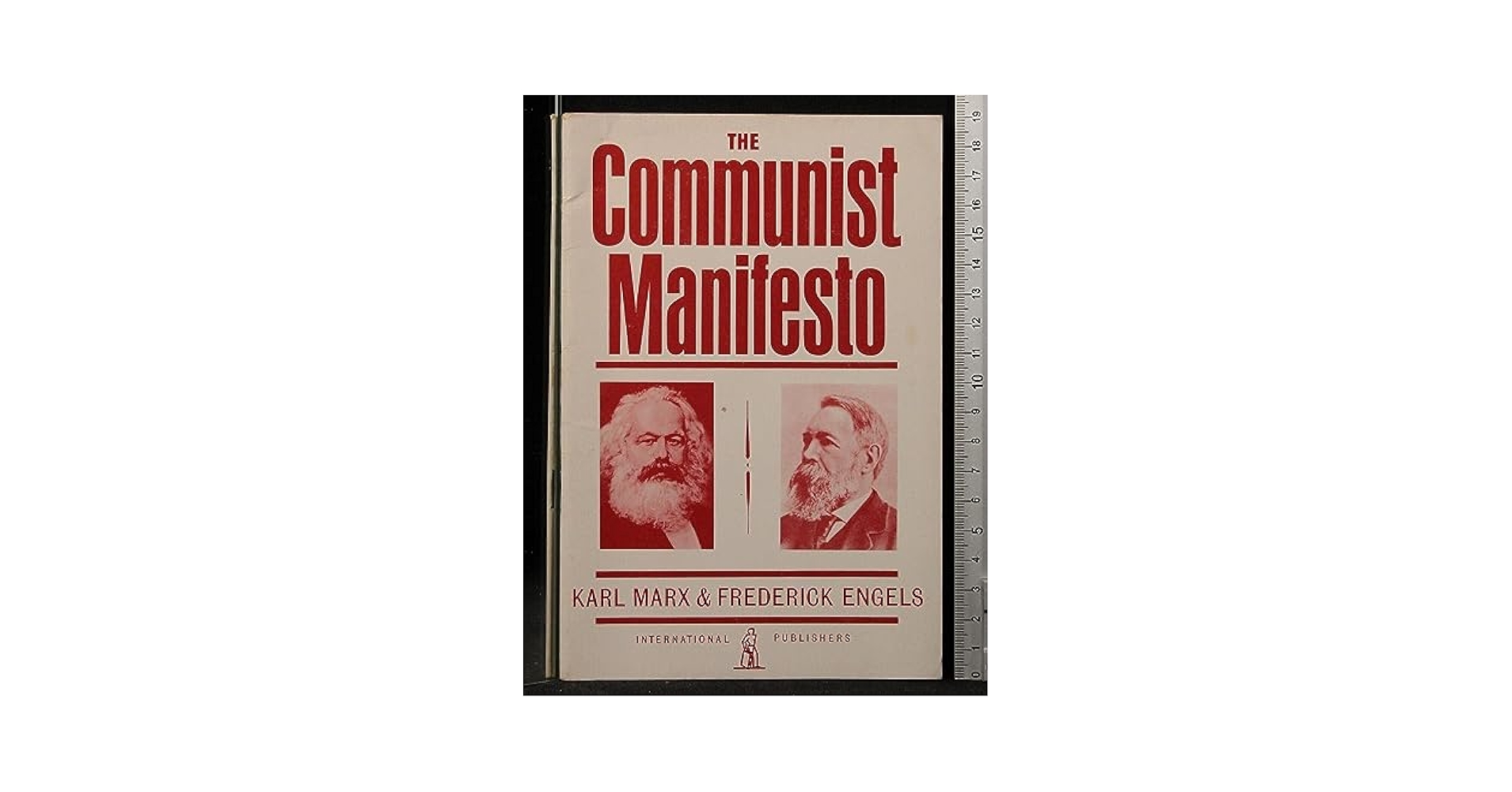
Credit: www.amazon.com
Frequently Asked Questions
Who Were The Authors Of The Communist Manifesto?
The Communist Manifesto was written by Karl Marx and Friedrich Engels in 1848. They co-authored this influential political pamphlet.
When Was The Communist Manifesto Published?
The Communist Manifesto was first published on February 21, 1848. It marked a key moment in socialist and communist history.
What Is The Main Purpose Of The Communist Manifesto?
The manifesto aims to outline the goals of communism and advocate for the working class revolution.
How Did Marx And Engels Collaborate On The Manifesto?
Marx wrote the majority of the text, while Engels contributed research and editing support.
Conclusion
Karl Marx and Friedrich Engels wrote the Communist Manifesto together. They shared ideas about class struggle and society change. Their work shaped many political movements worldwide. Understanding who wrote it helps grasp its message better. The manifesto still influences debates about economics and power today.
Knowing its authors brings clarity to its meaning. It remains a key text in history and politics.

Similar Posts