Are Gift Cards Taxed: Uncover the Hidden Truth
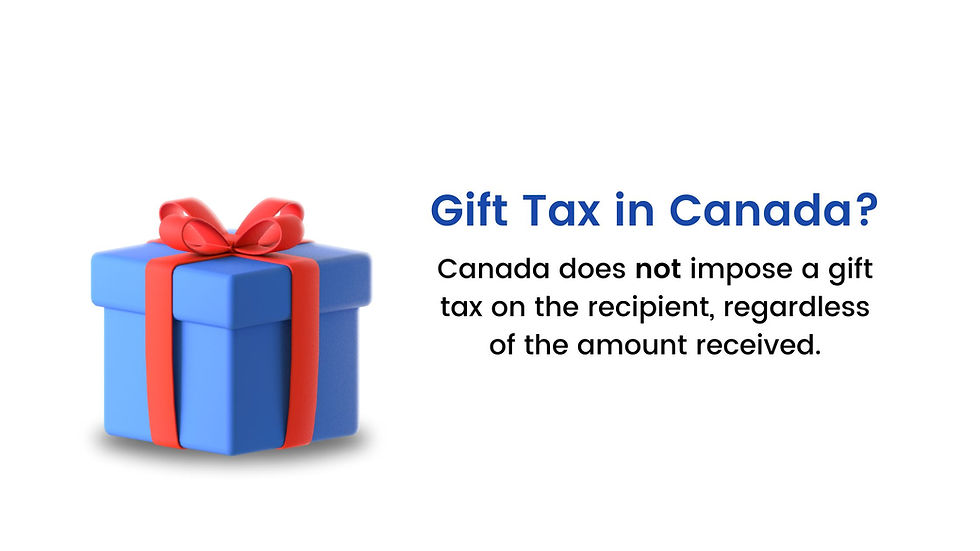
Are you wondering if gift cards come with hidden tax surprises? Whether you’re giving one or receiving one, knowing how taxes work with gift cards can save you from unexpected costs and confusion.
You’ll discover exactly when gift cards are taxed and what that means for your wallet. Keep reading to clear up the mystery and make smarter decisions with your gift card spending.
Gift Card Basics
Understanding the basics of gift cards is essential before diving into their tax implications. Gift cards have become a popular choice for gifts and rewards, but many people don’t realize how they actually function. Knowing the types and mechanics of gift cards can help you make smarter decisions about using or giving them.
Types Of Gift Cards
Gift cards come in various forms, each with its own features and limitations. The most common types include:
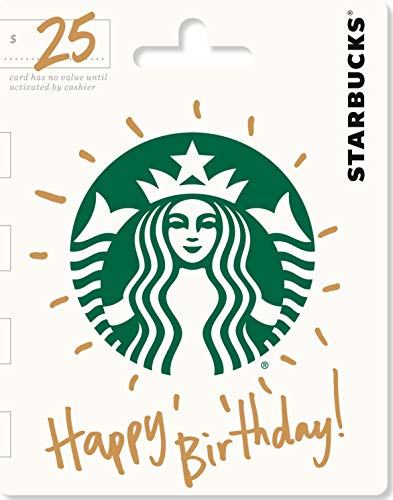
- Store-Specific Gift Cards:These cards can only be used at a particular retailer or brand. For example, a Starbucks gift card can only be redeemed at Starbucks locations.
- General-Purpose Gift Cards:Often issued by major credit card companies like Visa or Mastercard, these cards can be used almost anywhere that accepts those payment methods.
- Digital Gift Cards:Delivered via email or an app, these are convenient for last-minute gifts and can sometimes be used online or in-store.
Have you ever wondered why some gift cards have expiration dates or fees? These rules often depend on the type of gift card and the issuer’s policies.
How Gift Cards Work
Gift cards store a prepaid value that you can spend later, much like cash. When you buy a gift card, you are essentially loading money onto it for future use.
When you use a gift card, the purchase amount is deducted from the card’s balance. If your purchase exceeds the balance, you usually pay the difference with another payment method.
One thing I learned the hard way is that some gift cards lose value over time due to inactivity fees. Checking the terms before buying or using a gift card can save you from unexpected charges.

Credit: x.com
Tax Rules On Gift Cards
Understanding tax rules on gift cards helps avoid surprises during purchases or redemptions. Gift cards themselves usually do not carry a tax at purchase. The tax rules focus more on how and when the gift card is used. Knowing the difference between tax on purchase and tax on redemption is essential for both buyers and sellers.
Tax On Purchase Vs. Tax On Redemption
Gift cards bought with money are generally not taxed at the time of purchase. The buyer pays the face value of the card without any added sales tax. Tax applies later, when the gift card is used to buy goods or services. At redemption, the merchant collects sales tax on the items bought with the card. This means the tax depends on what is purchased, not on the gift card itself.
Sales Tax Implications
Sales tax rules vary by state and country. Some states require sales tax at the point of gift card sale, but most do not. Usually, sales tax is charged only when the card is used for a taxable item. Non-taxable items bought with gift cards remain tax-free. Businesses must track gift card redemptions carefully. This helps ensure the correct sales tax is collected and reported to tax authorities.
Gift Cards As Income
Gift cards might seem like simple presents, but they can carry tax implications you might not expect. When gift cards are given in certain situations, the IRS may consider them as income. Understanding when this happens helps you avoid surprises during tax season.
When Gift Cards Count As Taxable Income
Gift cards you receive as a reward, prize, or bonus at work usually count as taxable income. For example, if your employer gives you a gift card for excellent performance, the value is treated like wages. This means it’s subject to income tax and must be reported.
On the other hand, gift cards given as genuine gifts from family or friends generally aren’t taxable. The key difference lies in the source and purpose of the gift card. If it’s a reward for services or work, it’s income. If it’s a personal gift, it usually isn’t.
Reporting Gift Cards On Taxes
If you receive gift cards as income, you need to report their value on your tax return. Employers often include this amount in your W-2 form under wages. If you earn gift cards through contests or freelance work, you might receive a 1099 form instead.
Keep good records of any gift cards you get related to work or business. Note the value and source so you can accurately report it. Ignoring this can lead to penalties or extra tax bills later.

Credit: community.shopify.com
Gift Card Expiration And Fees
Gift card expiration and fees often confuse buyers and recipients. Understanding these factors helps avoid losing money. Expiration dates limit how long you can use the card. Fees might reduce the card’s value over time. Both elements can affect the card’s overall worth and tax implications.
Impact On Taxation
Expired gift cards usually do not generate taxable income. Fees charged over time may reduce the card’s balance. This reduction can affect the taxable amount for the seller. Buyers rarely pay taxes on gift cards themselves. Taxes often apply when the card is used to buy goods or services.
State Laws On Expiration
Many states regulate gift card expiration and fees. Some states ban expiration dates entirely. Others limit fees to a small monthly amount after a period. Retailers must follow state laws for valid expiration and fees. Checking local rules helps consumers protect their gift card value.
Business Use Of Gift Cards
Gift cards have become a popular tool for businesses to engage customers, reward employees, and manage expenses. Using gift cards strategically can benefit your business financially, but it’s important to understand how the tax rules apply. Knowing whether you can deduct the cost or if certain uses trigger taxable events helps you avoid surprises during tax season.
Tax Deductions For Businesses
Businesses can often deduct the cost of gift cards as a business expense. This typically applies when gift cards are purchased for promotional purposes or as part of customer rewards. However, the key is to keep clear records showing the business reason behind the purchase.
For example, if you give a gift card to a customer as part of a marketing campaign, you can usually count that as a deductible advertising expense. But if you buy gift cards for personal use or for an owner’s benefit, the IRS may disallow the deduction. Are you tracking how each gift card purchase relates to your business goals?
Gift Cards As Employee Rewards
Using gift cards as rewards for employees can boost morale and productivity. But from a tax standpoint, these rewards are often considered taxable income for the employee. This means you may need to report the value of the gift card on the employee’s W-2 form.
Small gift cards given occasionally might qualify as de minimis fringe benefits and be excluded from taxable income. Still, it’s crucial to understand the thresholds and keep documentation. Have you clarified with your accountant how to handle these rewards on your payroll?
Common Misconceptions
Many people have wrong ideas about gift cards and taxes. These wrong ideas can cause confusion about what to expect. Understanding the facts helps avoid surprises during tax season.
Some believe gift cards never have tax implications. Others think recipients have no tax duties. Let’s clear up these common myths.
Gift Cards Are Always Tax-free
Not all gift cards are free from taxes. Sometimes, taxes apply based on how you get or use the card. For example, if a business gives a gift card to an employee, it may count as income. This income could be taxable. Also, buying a gift card usually does not have sales tax. But spending it might trigger tax on the purchased goods.
Tax Responsibilities For Recipients
Recipients may have tax duties depending on the gift card source. Gift cards from employers can be taxable income. Personal gifts usually are not taxed. If you sell or exchange a gift card, tax rules might apply. Tracking how you received the card helps know if you owe tax.
Tips To Avoid Tax Issues
Understanding how to handle gift cards for tax purposes can prevent unexpected issues. Careful planning and good habits reduce tax risks. Following simple tips helps keep everything clear and correct.
Keeping Records
Save all receipts and transaction details for each gift card purchase. Keep track of the card’s value and usage dates. Store emails or printed confirmation slips in one place. Clear records make tax reporting easier and more accurate.
Consulting Tax Professionals
Talk to a tax expert about your gift card transactions. They explain rules and help with complex cases. Professionals ensure you follow the law and avoid mistakes. Getting advice early saves time and stress later.

Credit: www.facebook.com
Frequently Asked Questions
Are Gift Cards Subject To Sales Tax?
Generally, gift cards themselves are not subject to sales tax. Sales tax applies when the card is redeemed for goods or services. The retailer charges tax based on the purchase price of the item bought with the gift card.
Is Income Tax Owed On Gift Card Value?
Usually, gift cards received as gifts are not considered taxable income. However, if you receive a gift card as payment for work or services, it is taxable income. Report such earnings on your tax return.
Do Businesses Pay Tax On Sold Gift Cards?
Businesses do not pay tax when selling gift cards. Sales tax is collected only when the card is used to purchase taxable goods or services. This ensures tax is paid at the point of sale.
Are Promotional Gift Cards Taxed Differently?
Promotional gift cards are treated like regular gift cards for tax purposes. No tax is charged when receiving the card. Sales tax applies only when the card is redeemed for taxable items.
Conclusion
Gift cards usually are not taxed when you buy them. Taxes often apply when you use the card to buy things. Different states or countries have their own rules about taxes. It helps to check local tax laws before using a gift card.
Understanding this can save you money and avoid surprises. Keep your receipts and track your spending. This way, you know exactly how taxes affect your purchases. Knowing these facts makes using gift cards easier and clearer.

Similar Posts