How Does Lactose Intolerance Manifest: Symptoms Revealed
Have you ever felt uneasy or uncomfortable after drinking milk or eating dairy products? You might be experiencing lactose intolerance, a common condition that affects how your body digests lactose, the sugar found in milk.
But how exactly does lactose intolerance show up in your body? Understanding the signs and symptoms can help you take control of your health and avoid discomfort. Keep reading to discover how lactose intolerance manifests and what you can do to manage it effectively.
Causes Of Lactose Intolerance
Lactose intolerance can catch many by surprise, especially when you start feeling uneasy after enjoying a dairy treat. Understanding what causes this condition helps you manage it better and avoid discomfort. The root causes vary, but they all boil down to how your body processes lactose, the sugar found in milk.
Lactase Deficiency
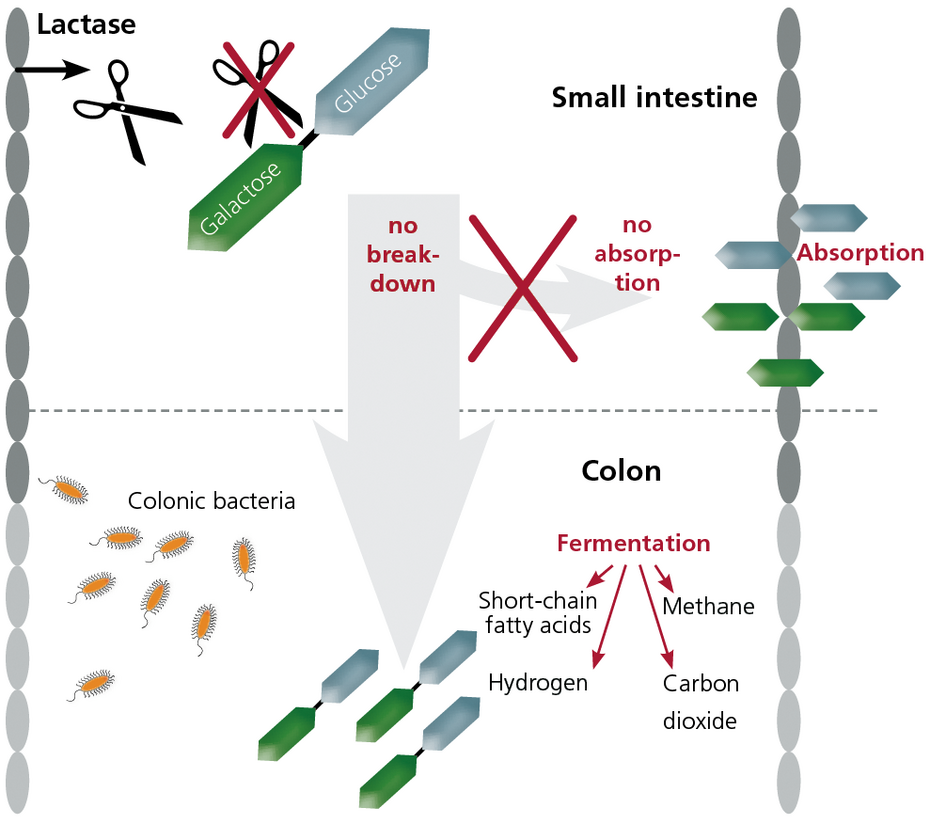
Lactase is an enzyme in your small intestine that breaks down lactose into simpler sugars your body can absorb. If your body produces less lactase than needed, lactose remains undigested and ferments in your gut, causing bloating, cramps, and gas.
You might notice these symptoms intensify after consuming milk or cheese. This deficiency often develops gradually, which means you may not realize it until dairy starts causing discomfort regularly.
Genetic Factors
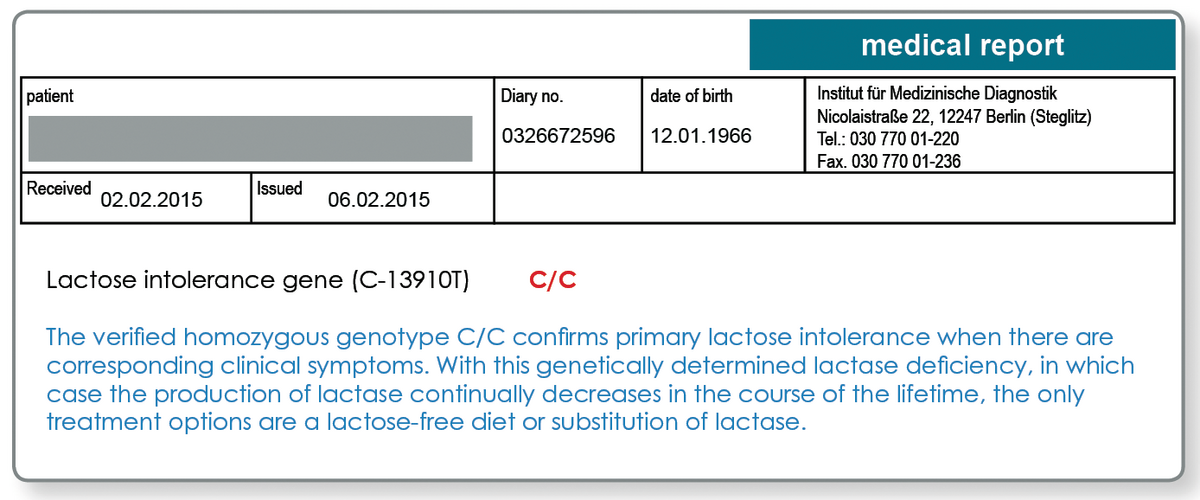
Your genes play a big role in determining how much lactase your body produces throughout life. Many people inherit a natural decline in lactase production after childhood, especially those from East Asian, African, or Native American backgrounds.
Knowing your family’s history with lactose intolerance can give you early clues. If your parents or siblings experience digestive issues with dairy, you might want to watch your dairy intake closely.
Secondary Lactose Intolerance
Sometimes, lactose intolerance isn’t due to genetics but results from an injury to the small intestine. Conditions like celiac disease, Crohn’s disease, or infections can reduce lactase production temporarily or permanently.
This type of intolerance can improve once the underlying condition is treated. Have you ever noticed that your lactose sensitivity changes with your gut health? It’s a sign your body’s enzyme levels might be fluctuating.

Credit: www.discovermagazine.com
Common Symptoms
Lactose intolerance often shows through a set of common symptoms. These symptoms appear after consuming dairy products. They result from the body’s difficulty in digesting lactose, a sugar found in milk. Recognizing these signs helps in managing the condition effectively.
Digestive Discomfort
Digestive discomfort is one of the earliest signs. It includes stomach pain and cramps that occur soon after eating dairy. The discomfort can vary from mild to severe. This happens because undigested lactose ferments in the gut, causing irritation.
Bloating And Gas
Bloating occurs when gas builds up in the intestines. This gas is produced by bacteria breaking down lactose. The feeling of fullness and tightness in the belly is common. Bloating often causes visible swelling of the abdomen.
Diarrhea And Nausea
Diarrhea is a frequent symptom and happens due to excess water in the intestines. Nausea may also occur, sometimes leading to vomiting. These symptoms can cause dehydration if they persist. They signal the body’s effort to rid itself of undigested lactose.
Symptom Onset And Duration
Understanding when and how lactose intolerance symptoms appear can help you manage your diet better. The onset and duration of symptoms vary widely, making it important to recognize your body’s specific reactions. Let’s look closer at how timing and individual differences affect what you experience after consuming dairy.
Timing After Dairy Consumption
Symptoms typically start between 30 minutes and 2 hours after eating or drinking dairy products. This happens because your body struggles to break down lactose, leading to discomfort fairly quickly. You might notice bloating, cramps, or diarrhea appearing within this window, but sometimes it can take longer.
Think about the last time you had milk or cheese. Did your stomach start to feel uneasy right away, or did symptoms creep in later? Tracking this timing can help you predict and avoid uncomfortable episodes.
Variability Among Individuals
Not everyone experiences lactose intolerance the same way. Some people have mild symptoms that fade quickly, while others face intense discomfort lasting several hours. Your gut health, the amount of lactose consumed, and even stress levels can influence how you feel.
Imagine two friends eating the same ice cream, but one feels fine and the other feels sick. This difference highlights how unique your body’s response can be. Paying attention to your personal limits allows you to enjoy dairy in ways that suit you best.
Severity Levels
Lactose intolerance symptoms vary widely among individuals. Severity levels depend on how much lactose the body can digest. Some experience only mild discomfort, while others have more intense reactions. Understanding these levels helps manage the condition better.
Mild Symptoms
Mild symptoms often appear after consuming small amounts of lactose. Common signs include:
- Bloating
- Mild stomach cramps
- Gas or flatulence
- Soft stools or mild diarrhea
These symptoms usually start within 30 minutes to 2 hours after eating dairy. They tend to be manageable and do not interfere much with daily activities.
Severe Reactions
Severe reactions occur when lactose intake exceeds the body’s ability to digest it. Symptoms can be intense and uncomfortable, such as:
- Strong abdominal pain
- Frequent diarrhea
- Nausea and vomiting
- Severe bloating and gas
These reactions may require medical attention or dietary changes. They can disrupt daily life and cause dehydration if untreated.
Symptoms In Different Age Groups
Lactose intolerance symptoms vary across different age groups. The body’s ability to digest lactose changes over time. This causes different signs and discomfort levels in children, teens, adults, and seniors. Understanding these differences helps in managing symptoms better.
Children And Teens
In children and teens, lactose intolerance often shows as stomach pain. After consuming dairy, they may experience:
- Bloating and gas
- Diarrhea
- Nausea
- Cramping
These symptoms can make eating dairy foods uncomfortable. Some children may avoid milk products, risking calcium deficiency. Teens might also feel tired or irritable after eating lactose.
Adults And Seniors
Adults and seniors tend to have more noticeable symptoms. The body produces less lactase enzyme with age. This leads to:
- Severe bloating
- Frequent diarrhea
- Intense abdominal cramps
- Nausea or vomiting
Older adults might also face weight loss or malnutrition if symptoms persist. They often need to limit dairy or take enzyme supplements to ease symptoms.
Credit: www.imd-berlin.de
Complications From Untreated Lactose Intolerance
Untreated lactose intolerance can lead to several health problems beyond just stomach discomfort. Ignoring symptoms often causes more serious issues over time. The body struggles to absorb key nutrients, and daily life can become difficult. Understanding these complications helps highlight the importance of managing lactose intolerance properly.
Nutritional Deficiencies
Lactose intolerance makes digesting dairy hard. Dairy products provide important nutrients like calcium and vitamin D. Without these, bones become weak and brittle. People may also miss out on protein and other vitamins found in dairy.
Long-term lack of calcium can cause osteoporosis. This condition makes bones fragile and prone to fractures. Vitamin D deficiency can lead to muscle weakness and other health problems. Avoiding dairy without finding alternatives increases these risks.
Impact On Quality Of Life
Living with untreated lactose intolerance affects daily comfort. Symptoms such as bloating, cramps, and diarrhea can appear after meals. This discomfort often causes embarrassment and anxiety in social settings. People may avoid dining out or social gatherings.
Fatigue and poor nutrient absorption can lower energy levels. This reduces the ability to work, study, and enjoy hobbies. Constant worry about symptoms affects mental well-being. Proper management improves both physical health and lifestyle quality.
Differentiating Lactose Intolerance From Other Conditions
Understanding the difference between lactose intolerance and other digestive or allergic conditions is crucial for managing your symptoms effectively. Many people confuse lactose intolerance with other issues because the symptoms often overlap. By knowing the key differences, you can avoid unnecessary restrictions and seek the right treatment.
Irritable Bowel Syndrome
Irritable Bowel Syndrome (IBS) shares many symptoms with lactose intolerance, such as bloating, gas, and abdominal pain. However, IBS is a broader condition triggered by various factors like stress, certain foods, or hormonal changes, not just lactose.
Unlike lactose intolerance, IBS symptoms may include constipation or diarrhea without a clear link to dairy intake. If you notice your symptoms occur even after eating non-dairy foods, IBS might be the cause. Have you tracked your meals and symptoms to spot any patterns beyond dairy?
Milk Allergy
Milk allergy is often mistaken for lactose intolerance but involves an immune reaction to milk proteins, not the sugar lactose. Symptoms can include hives, wheezing, or even anaphylaxis, which are not typical in lactose intolerance.
Milk allergy symptoms usually appear quickly after consuming milk, whereas lactose intolerance symptoms tend to develop gradually. If you experience skin rashes or breathing difficulties after dairy, consider consulting an allergist. How would your approach to dairy change if you found out it’s an allergy, not intolerance?
Credit: www.droracle.ai
Frequently Asked Questions
What Are Common Symptoms Of Lactose Intolerance?
Lactose intolerance symptoms include bloating, diarrhea, gas, and stomach cramps. These occur after consuming dairy products due to the body’s inability to digest lactose properly.
How Soon Do Lactose Intolerance Symptoms Appear?
Symptoms usually appear 30 minutes to 2 hours after consuming lactose-containing foods or drinks. The timing varies based on individual digestion speed and lactose amount consumed.
Can Lactose Intolerance Cause Nausea Or Vomiting?
Yes, some people experience nausea or vomiting along with other digestive symptoms. These occur because undigested lactose irritates the gastrointestinal tract.
How Is Lactose Intolerance Diagnosed?
Doctors diagnose lactose intolerance through breath tests, stool acidity tests, or by observing symptom improvement after eliminating lactose from the diet.
Conclusion
Lactose intolerance shows up in clear, common ways. Stomach pain, bloating, and diarrhea often follow eating dairy. These symptoms help identify the condition early. Managing what you eat reduces discomfort and improves life. Avoiding milk and dairy products usually helps a lot.
Some people use lactase supplements to digest lactose better. Understanding your body’s signals leads to smarter food choices. Pay attention to how you feel after meals. This knowledge keeps your digestion calm and healthy.

Similar Posts