Is Manifesting a Sin? Uncover the Truth Behind It
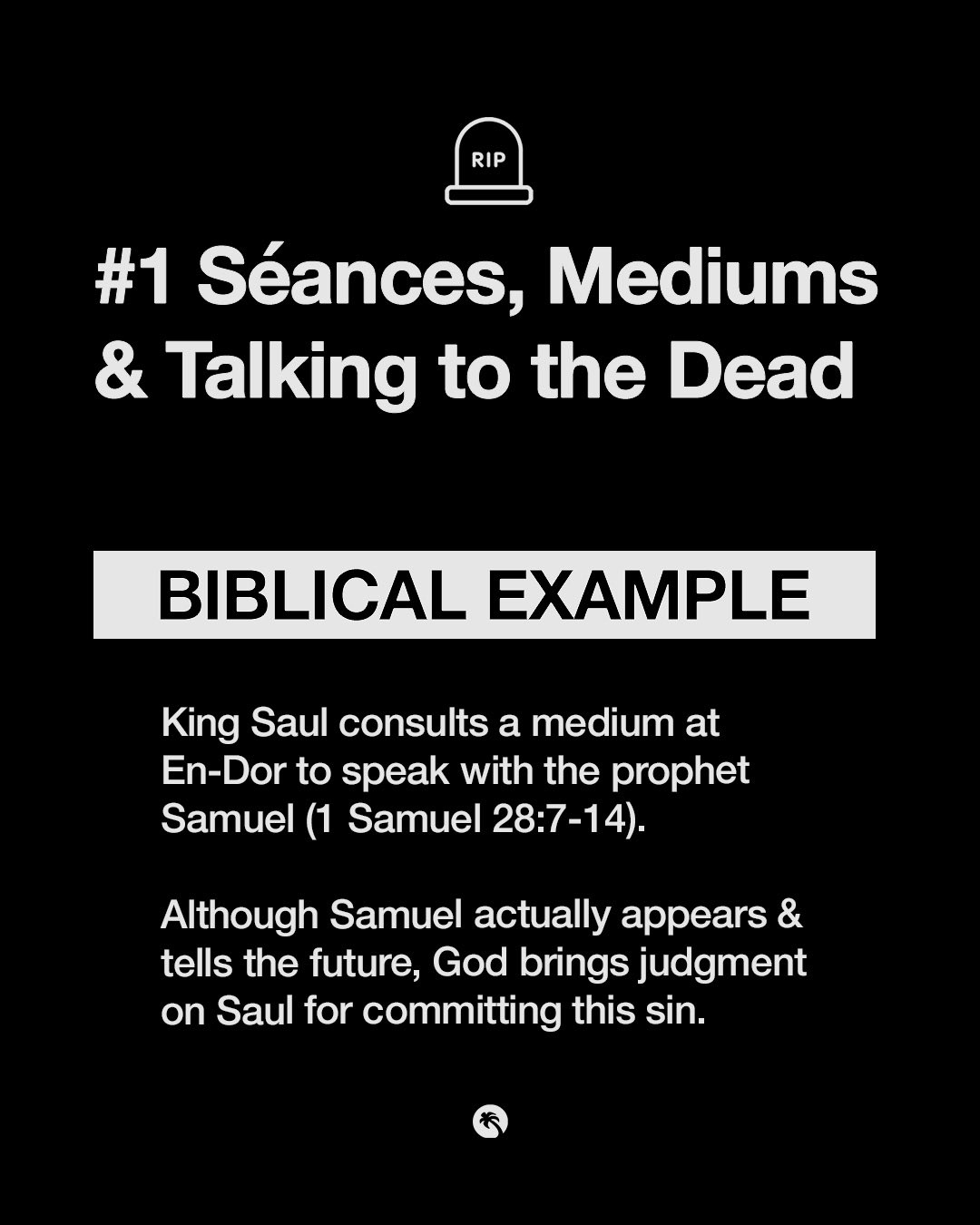
Have you ever wondered if manifesting is actually a sin? Maybe you’re curious but also a bit unsure if using the power of your thoughts to attract what you want goes against your beliefs.
This question might be on your mind because you want to stay true to your values, but also want to explore new ways to improve your life. You’ll discover the truth about manifesting and how it fits with different views on right and wrong.
By the end, you’ll feel clearer and more confident about whether manifesting is something you can embrace or avoid. Keep reading—you might be surprised by what you learn.
Manifesting: Concept And Origins
Manifesting has gained a lot of attention in recent years as a way to attract goals and desires into your life. But before deciding whether manifesting is a sin or not, it’s important to understand what the concept really means and where it originated. This helps you see it clearly, separate facts from myths, and form your own opinion based on knowledge rather than assumptions.
Historical Background
The idea of manifesting isn’t new. It dates back to ancient spiritual traditions and philosophies that believed your thoughts and intentions could influence reality. For example, in Hinduism and Buddhism, the power of the mind and intention plays a crucial role in shaping one’s life experiences.
In the early 20th century, the New Thought movement popularized similar ideas in the West. Writers like Wallace Wattles and Napoleon Hill emphasized the connection between your mindset and success. This historical context shows manifesting as more than just a modern trend—it’s rooted in long-standing beliefs about the mind’s power.
Modern Interpretations
Today, manifesting often involves visualization, affirmations, and setting clear intentions to achieve specific goals. Many people use it as a tool for self-improvement and motivation rather than purely spiritual practice.
You might wonder, does focusing your energy on what you want conflict with religious teachings? Opinions vary widely depending on how manifesting is understood and practiced. Some see it as positive thinking and goal-setting, while others worry it might encourage reliance on self rather than faith.
Have you ever tried to manifest something and noticed how your mindset shifted? That personal experience can reveal how powerful your thoughts really are in guiding your actions and outcomes.
Credit: m.youtube.com
Religious Perspectives On Manifesting
Manifesting, the practice of turning thoughts into reality, raises questions in many religions. Each faith views it through its own lens, reflecting beliefs about fate, free will, and divine power. Understanding these perspectives helps clarify whether manifesting aligns with or opposes religious teachings.
Christianity And Manifesting
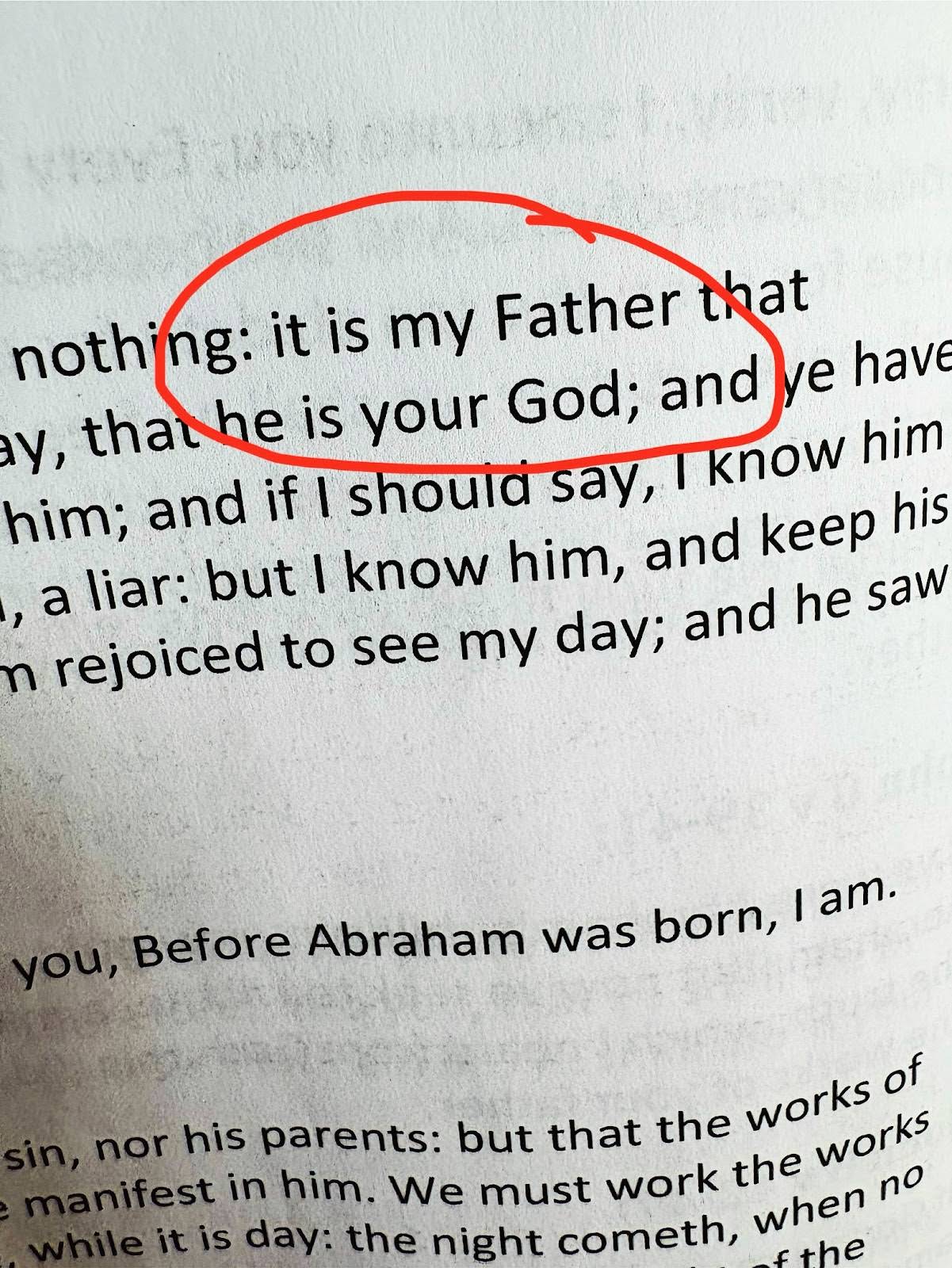
Christianity often warns against relying solely on personal power to change reality. The Bible emphasizes faith in God’s will over human desires. Prayer is encouraged, but it focuses on seeking God’s guidance, not commanding outcomes. Some Christians see manifesting as close to idolatry, putting self above God. Others believe positive thinking can coexist with faith if it trusts God’s plan.
Islamic Views
In Islam, everything happens by Allah’s will. Muslims pray and ask for blessings but accept God’s decisions. Manifesting is viewed cautiously, as it might imply controlling fate. Islamic teachings stress surrender to Allah’s wisdom. Some scholars say manifesting is fine if it means hoping and working hard, not demanding specific results.
Hinduism And Spiritual Practices
Hinduism embraces the idea of karma and energy affecting life outcomes. Manifesting aligns with many Hindu beliefs about intention and cosmic law. Practices like meditation and mantras aim to focus the mind and attract positive energy. It often includes respecting dharma, or righteous living, as part of manifesting true desires. Hinduism sees manifesting as a spiritual tool rather than a sin.
Buddhist Approach
Buddhism teaches detachment from desires to end suffering. Manifesting can conflict with this if it increases craving or attachment. Yet, Buddhism also values mindfulness and positive intentions. Some Buddhists use visualization to cultivate compassion and peace, not material gain. The goal is balance, avoiding harm from excessive wanting while fostering inner growth.
Ethical Considerations
Considering the ethical side of manifesting opens up important questions about your intentions and the effects of your desires. It’s not just about thinking positively but also about how these thoughts align with your sense of right and wrong. Let’s look closely at the moral landscape surrounding manifesting and how it might influence your values.
Moral Implications
Manifesting often involves focusing your energy on achieving certain outcomes. But what happens if those outcomes come at the expense of others? You need to ask yourself whether your goals respect other people’s rights and freedoms.
For example, if you wish to succeed in a way that undermines someone else’s opportunity, is that ethical? Manifesting should not be a tool to manipulate or harm. Instead, it should encourage positive growth that benefits not only you but also those around you.
- Are your desires aligned with fairness and honesty?
- Do your goals promote kindness or cause harm?
- Is your manifesting practice aware of its impact on the community?
Impact On Personal Values
Your personal values act as a compass, guiding the choices you make. Manifesting can either strengthen these values or challenge them depending on your approach. When your desires clash with what you believe is right, it creates an internal conflict.
Think about a time when you wanted something badly, but it didn’t feel quite right. That feeling is your values signaling a need to reconsider. Align your manifesting with what truly matters to you—this keeps your actions authentic and meaningful.
Ask yourself:
- Does what I want support my long-term sense of integrity?
- Am I being true to myself, or am I chasing something because of external pressures?
- How will achieving this goal shape the person I want to become?
Psychological Insights
Psychological insights offer a clear view of how manifesting affects the mind. Manifesting involves focusing thoughts and beliefs on desired outcomes. This focus can change feelings, motivation, and behavior. Understanding these effects helps us see manifesting beyond spiritual or moral debates.
Manifesting And Mental Health
Manifesting can impact mental health in many ways. Positive thinking often reduces stress and anxiety. It encourages hope and resilience during tough times. Setting clear goals through manifesting can improve focus and self-confidence. Yet, unrealistic expectations may lead to disappointment and frustration. Balance is key to keeping mental health strong.
Self-fulfilling Prophecies
Self-fulfilling prophecies show how beliefs shape reality. When people expect success, they act confidently and work harder. This behavior increases chances of success. On the other hand, negative beliefs can lower effort and cause failure. Manifesting taps into this power of belief. It can create a cycle where thoughts influence outcomes.
Manifesting In Popular Culture
Manifesting has become a hot topic in today’s culture, sparking curiosity and debate. It’s no longer just a spiritual or self-help concept; it’s everywhere—in movies, social media, and conversations. Understanding how manifesting is portrayed can help you decide what it really means for you and whether it aligns with your values.
Influence Of Media
Movies and TV shows often show manifesting as a magical power or a secret to success. This portrayal can make it seem simple and effortless, but real life usually requires consistent effort alongside positive thinking.
Social media platforms amplify this by sharing quick tips and success stories. You might see posts claiming that just thinking about your dreams will make them come true. But have you noticed how often these stories skip the hard work behind the scenes?
When you watch or read these portrayals, ask yourself: Is this realistic? What part of manifesting is being left out? This critical thinking helps you avoid unrealistic expectations.
Celebrity Endorsements
Many celebrities openly talk about manifesting, praising it as a key to their achievements. Their large followings mean their beliefs influence countless fans worldwide.
Take Oprah Winfrey, for example. She often discusses the power of intention and visualization. Yet, she also stresses discipline and resilience as essential parts of her journey.
On the other hand, some celebrities might promote manifesting without mentioning the challenges they faced. This can create a one-sided view. When you see these endorsements, consider how much effort and setbacks might be hidden behind the success.
How do you feel about following advice that comes from famous people? Does their lifestyle match your reality? Reflect on these questions before fully embracing manifesting as they describe it.

Credit: x.com
Manifesting: A Scientific Viewpoint
Manifesting often sparks debates about its reality and effects. Science seeks to understand if manifesting truly influences life outcomes. This viewpoint explores manifesting through scientific ideas and research.
Law Of Attraction: Evidence And Criticism
The Law of Attraction claims thoughts attract similar results. Positive thinking should bring positive experiences. Some studies link optimism with better health and success.
Critics say the Law lacks strong scientific proof. It may oversimplify complex life events. Believing solely in thoughts might ignore action and effort.
Cognitive Behavioral Approaches
Cognitive Behavioral Therapy (CBT) focuses on changing thoughts to change behavior. It shows how mindset affects emotions and actions. CBT helps people set goals and work toward them.
This method supports part of manifesting’s idea: thoughts influence outcomes. Unlike pure manifesting, CBT requires active steps. It combines thinking patterns with real-world changes for success.
Manifesting Vs. Prayer
Manifesting and prayer both involve focusing on desires or needs. They offer ways to seek change or guidance. Yet, they differ in approach and belief systems.
Comparative Analysis
- Manifesting relies on positive thinking and visualization.
- Prayer is a communication with a higher power or deity.
- Manifesting often involves setting clear intentions and expecting outcomes.
- Prayer includes faith, worship, and asking for help or blessings.
- Manifesting emphasizes personal power to shape reality.
- Prayer expresses humility and trust in divine will.
- Both aim to improve life but through different spiritual paths.
Cultural Significance
Prayer has deep roots in many religions worldwide. It connects people to their faith and community. It often follows rituals and sacred traditions.
Manifesting is linked to New Age and self-help movements. It focuses on mind power and energy flow. It appeals to people seeking control over their destiny.
Some cultures see prayer as essential and sacred. Manifesting is sometimes viewed as modern or secular. Both reflect human hope and desire for a better life.
Personal Experiences And Testimonials
Personal experiences and testimonials offer a real glimpse into how manifesting impacts people’s lives. These stories show the variety of outcomes manifesting can have, revealing both its potential and its limits. Hearing directly from individuals can help you decide whether manifesting fits into your own belief system and goals.
Success Stories
Many people share powerful stories where manifesting helped them achieve specific goals—like landing a dream job or improving relationships. One person described visualizing their ideal career daily and then receiving an unexpected job offer that matched their vision perfectly.
Another shared how focusing on positive affirmations helped attract better friendships and a sense of belonging. These stories often include simple but consistent practices, such as journaling intentions or repeating affirmations every morning.
Could adopting a small daily ritual focused on what you want change your mindset and outcomes? These success stories suggest it might be worth trying, especially if you pair manifesting with clear action steps.
Challenges And Misconceptions
Not all experiences with manifesting are positive. Some people report frustration when their desires don’t materialize as expected. This can lead to doubts about whether manifesting is genuine or even ethical.
A common misconception is that manifesting means you don’t have to work hard or take responsibility for your actions. This misunderstanding can cause disappointment if you expect instant results without effort. Another challenge is feeling guilty or believing manifesting is a sin because of cultural or religious beliefs.
One individual shared struggling with guilt over manifesting because they thought it was selfish, but later realized it was about focusing on personal growth and positive change. How do you reconcile your beliefs with the idea of manifesting? Reflecting on this question might help you find a balanced approach that feels right to you.
Future Of Manifesting
The future of manifesting is a topic that invites curiosity and reflection. As more people explore this practice, its meaning and role continue to shift. Manifesting is not just a trend; it reflects deeper human hopes and desires. Understanding where manifesting is headed helps us see its place in modern life and culture.
Evolving Beliefs
Beliefs about manifesting are changing with time. More people see it as a tool for positive thinking and personal growth. Some view it as a spiritual practice, while others treat it as a simple mindset shift. Science and psychology also play a role in shaping these views. The idea of manifesting may become more inclusive and less tied to any one belief system.
Potential Impact On Society
Manifesting could influence society in many ways. It may encourage people to focus on their goals and take action. This focus can lead to improved motivation and mental health. On the other hand, some worry it might cause unrealistic expectations. Society might need to balance belief in manifesting with practical efforts and support systems.

Credit: www.tiktok.com
Frequently Asked Questions
Is Manifesting Considered A Sin In Religion?
Manifesting is not inherently a sin in most religions. It depends on one’s beliefs and intentions behind manifesting desires. Some view it as positive thinking, while others may see it conflicting with faith in divine will.
Can Manifesting Conflict With Christian Beliefs?
Some Christians believe manifesting may conflict with trusting God’s plan. Others see it as aligning thoughts with God’s blessings. It varies among denominations and personal interpretations.
Does Manifesting Involve Worshiping False Powers?
Manifesting focuses on mindset and intention, not worship. It is about positive focus, not idolizing powers or beings. Intent matters more than the practice itself.
How To Manifest Without Feeling Guilty About Sin?
Focus on positive intentions and ethical goals. Align manifesting with your faith and values. Avoid selfish or harmful desires to maintain a guilt-free approach.
Conclusion
Manifesting itself is not a sin. It depends on your beliefs and actions. Using positive thoughts can help you stay hopeful. But never harm others or ignore real work. Faith and kindness matter most in any path. Choose what feels right for your heart.
Stay open, but think carefully. Your mindset shapes your life every day. Manifest with good intentions and respect for others. This way, you keep peace within yourself and the world.

Similar Posts