What Does the Word Manifest Mean: Unveiling Its Secrets

Have you ever wondered what it truly means to manifest something? Maybe you’ve heard the word tossed around in conversations about dreams, goals, or even everyday wishes.
But what does the word manifest actually mean, and how can understanding it change the way you think and act? You’ll discover the real meaning behind manifest and how it can help you turn your ideas into reality. Keep reading—you might be closer to making your desires come true than you realize.
Origins Of Manifest
Understanding the origins of the word manifestcan deepen your grasp of its meaning and how it fits into everyday language. The word carries a sense of clarity and obviousness, but this clarity has roots stretching back centuries. Let’s take a closer look at where manifestcomes from and how its meaning has shifted through time.
Etymology And Historical Use
The word manifestderives from the Latin manifestus, which means “caught in the act” or “obvious.” It combines two parts: manusmeaning “hand” and festus, related to “struck” or “made.” The idea was something so clear it was as if you caught it with your own hand.
Historically, manifestappeared in legal and formal documents to describe evidence or proof that was clear and undeniable. It wasn’t just about being visible but about something being unquestionably true. Have you ever noticed how legal language often uses words with deep historical roots like this?
Evolution Over Time
Over the centuries, the meaning of manifestexpanded beyond legal contexts to everyday language. It came to describe anything easily seen or understood, not just proof or evidence. This shift made the word more versatile and common in daily conversations.
In modern usage, manifestcan function as an adjective, verb, or noun. For example, as a verb, it means “to show” or “to display.” You might say your confidence manifests in your posture. This flexibility shows how language adapts to fit our needs.
Next time you hear or use the word manifest, think about its journey from a term tied to physical proof to a broad concept about making things clear. What other words do you use daily that have such interesting histories?

Credit: www.instagram.com
Manifest In Everyday Language
Understanding the word manifestin everyday language helps you communicate more clearly and effectively. It’s a term that pops up in conversations, writing, and even in how you describe your experiences. Grasping its common uses makes it easier to spot when someone uses it and to use it yourself in the right context.
Common Meanings
The word manifestcan mean something that is clear or obvious. When something is manifest, it is easy to see or understand without much effort.
It can also be used as a verb, meaning to show or display something clearly. For example, feelings, qualities, or signs can manifest themselves in actions or expressions.
- As an adjective: “Her joy was manifest in her smile.”
- As a verb: “He manifested great skill during the competition.”
Examples In Sentences
Seeing how manifestfits into sentences helps you use it naturally. Here are some examples that you might relate to:
- “The problems with the project became manifest after the first review.”
- “You can manifest your goals by working steadily towards them.”
- “His frustration manifested as impatience with the team.”
- “The benefits of exercise manifest in better health and energy.”
Have you noticed moments when something was obvious but you didn’t name it as manifest? Paying attention to these moments sharpens your awareness. How could using this word change the way you describe your daily experiences?
Manifest In Psychology
The word manifestin psychology refers to something that is clear and obvious, often related to thoughts, feelings, or behaviors that are directly expressed or observed. It contrasts with underlying or hidden meanings that might not be immediately apparent. Understanding how manifest elements work can give you insight into your own mind and actions.
Conscious Vs Unconscious
In psychology, the term manifest often distinguishes between what is consciousand what is unconscious. Your conscious mind includes everything you are aware of—your thoughts, feelings, and perceptions right now. The unconscious contains deeper, hidden parts of your mind that influence your behavior without you realizing it.
What you see on the surface, like your spoken words or actions, is the manifest part of your consciousness. Meanwhile, your unconscious motives and desires remain latent but still shape how you respond to situations. Have you noticed how sometimes you react without fully understanding why? That’s the unconscious at work, while the manifest is what you actively experience.
Manifest Content In Dreams
Dreams provide a classic example of manifest content in psychology. This is the actual storyline, images, and events you remember after waking up. It’s the surface level of your dream—what your mind shows you directly.
Behind that lies the latent content, which holds the hidden meanings, feelings, or desires your unconscious mind wants to express. You might dream about flying, but that manifest image could symbolize a deeper wish for freedom or escape. When you reflect on your dreams, try to separate what you see (manifest) from what it might mean (latent). This practice can reveal a lot about your inner world.

Credit: www.facebook.com
Manifest In Spirituality
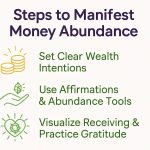
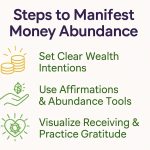
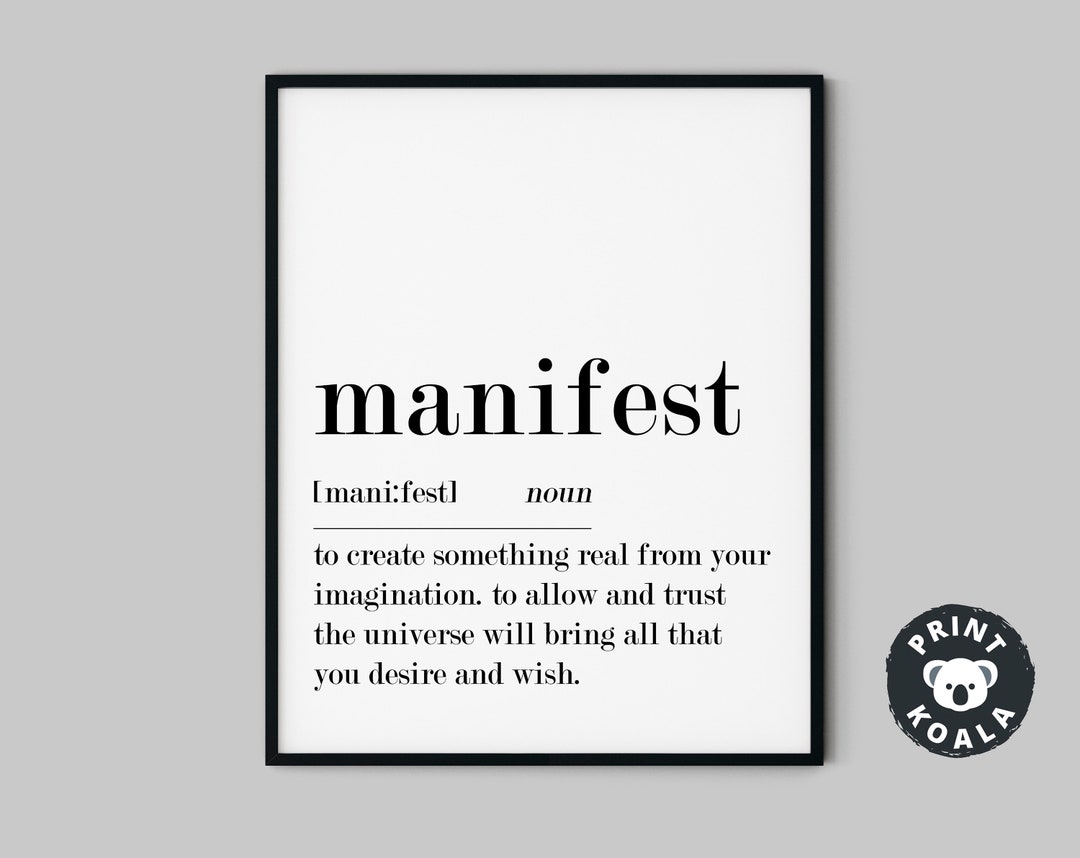
Manifest in spirituality means bringing thoughts and desires into reality. It involves using the mind and spirit to create a life you want. Many believe it connects deeply with energy and the universe’s flow.
Spiritual manifestation is about more than just wishing. It requires focus, belief, and alignment with your inner self. This process helps turn ideas into physical form through intention and positive energy.
Law Of Attraction
The Law of Attraction states that like attracts like. Positive thoughts bring positive experiences, and negative thoughts bring negative ones. This law suggests your mindset shapes your reality.
Believing in your goals and feeling good about them attracts similar energy. The universe responds to the frequency of your thoughts. This makes your desires more likely to appear in your life.
Techniques For Manifesting
- Visualization: Picture your goal clearly in your mind. Imagine the details and emotions.
- Affirmations: Repeat positive statements about your desires daily. This strengthens belief.
- Gratitude: Feel thankful for what you have and what is coming. Gratitude raises your energy.
- Journaling: Write down your goals and feelings. This helps clarify and focus your intent.
- Meditation: Quiet your mind to connect with your inner self and the universe.
Manifest In Business And Logistics
In business and logistics, the word “manifest” refers to a detailed list of goods or cargo. It helps track items during shipping or storage. A manifest ensures clear communication and smooth operations. It reduces errors and saves time.
Shipping Manifests
A shipping manifest lists all items on a shipment. It includes details like quantity, description, and destination. Carriers use it to check cargo before transport. Customs officials review it for imports and exports. This document helps avoid lost or misplaced goods. It also speeds up delivery and handling processes.
Inventory And Documentation
Manifests support inventory management by recording every item. Businesses use manifests to update stock levels accurately. They serve as proof of goods received or sent. This documentation is vital for audits and compliance. It keeps records organized and easy to access. Clear manifests help prevent inventory mistakes and theft.
Credit: www.etsy.com
Common Misconceptions
Many people misunderstand the word manifest. It is often used incorrectly in daily conversations and media. These misunderstandings create confusion about what manifest truly means.
Misuse In Popular Culture
Popular culture often links manifest to wishful thinking. People say you can manifest anything just by thinking about it. This idea suggests that thoughts alone create reality instantly.
This view ignores the effort and action needed to achieve goals. Manifest is not magic or a shortcut to success. It is more about making things clear and visible.
Clarifying The True Meaning
To manifest means to show or become clear. It refers to making something obvious or real. Manifest can describe feelings, ideas, or results that appear clearly.
For example, a person’s hard work can manifest in good grades or success. Manifesting involves effort, intention, and visible outcomes. It is a process, not just a simple thought.
Frequently Asked Questions
What Does The Word Manifest Mean In Simple Terms?
Manifest means to show or display something clearly. It often refers to making an idea or feeling visible or real.
How Is Manifest Used In Everyday Language?
In daily use, manifest means to prove or reveal something clearly. For example, feelings can manifest through actions or expressions.
What Is The Origin Of The Word Manifest?
Manifest comes from Latin “manifestus,” meaning obvious or caught in the act. It has been used in English since the 1600s.
Can Manifest Relate To Personal Goals Or Dreams?
Yes, manifest often refers to making goals or dreams real through focused intention and positive action.
Conclusion
The word “manifest” shows how thoughts turn into real things. It means making ideas clear or visible. People use it in many ways, like showing feelings or proving facts. Understanding this word helps in daily talks and writing. It also helps in learning new words and their uses.
Now, you know what “manifest” means and why it matters. Keep using new words to grow your language skills. Simple words can express big ideas clearly.

Similar Posts