What was the Meaning of Manifest Destiny: Unveiling History
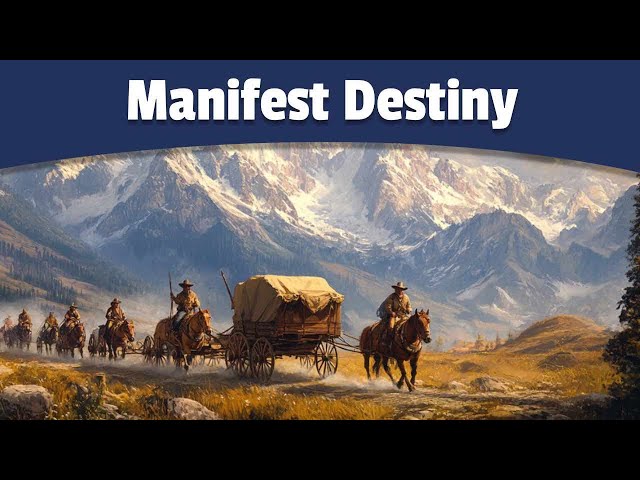
Have you ever wondered why the United States expanded across the continent in the 1800s? The term “Manifest Destiny” holds the key to understanding this important part of American history.
But what exactly did Manifest Destiny mean, and why did it matter so much? You’ll discover the true meaning behind this powerful idea and how it shaped the nation’s growth. Keep reading to uncover the story that changed America forever—and see why it still matters to you today.
Origins Of Manifest Destiny
The origins of Manifest Destiny lie deep in the early 19th century. This belief shaped America’s growth and identity. It was more than just a goal to expand land. It reflected a national mission and a sense of destiny. Understanding its roots helps explain why Manifest Destiny became so powerful.
Early 19th Century Context
In the early 1800s, the United States was a young country. It had just doubled its size with the Louisiana Purchase. Many Americans believed the nation was destined to stretch across the continent. They saw expansion as a way to spread freedom and democracy. The frontier was seen as a place of opportunity and hope.
The population was growing fast. Settlers moved westward in search of land and wealth. The government encouraged this movement. New territories were added, and the country’s borders pushed further west. This period set the stage for the idea of Manifest Destiny to take hold.
Political And Social Influences
Politicians used Manifest Destiny to promote growth and national pride. Leaders argued that America had a special role to play in the world. They believed the country should spread its values and system of government.
Social ideas also played a role. Many Americans thought they had a duty to civilize and educate Native Americans and others. This belief justified expansion and sometimes led to conflict. The idea of Manifest Destiny mixed hope, pride, and a strong sense of mission.

Credit: www.instagram.com
Key Figures Behind The Movement
The movement of Manifest Destiny was shaped by powerful individuals who believed in the United States’ right and duty to expand westward. These key figures influenced public opinion, policy, and the nation’s direction. Understanding who they were helps you see how ideas turned into action and changed history.
Prominent Politicians
Politicians played a central role in pushing Manifest Destiny forward. President James K. Polk, for instance, was a strong advocate for expansion. He led the country during the Mexican-American War, which resulted in the U.S. gaining vast territories in the West.
Senator Thomas Hart Benton also championed westward expansion. His speeches and policies encouraged settlers to move and claimed the land as part of America’s future. These leaders didn’t just talk—they acted, shaping laws that opened the way for new states.
Influential Writers And Thinkers
Writers and thinkers helped spread the idea of Manifest Destiny through powerful words. John L. O’Sullivan, a journalist, famously coined the term “Manifest Destiny.” His essays argued that America had a divine mission to spread democracy and civilization across the continent.
Other intellectuals, like newspaper editor Horace Greeley, urged citizens to “Go West, young man.” Their writings inspired many to take risks and move toward new opportunities. Have you ever wondered how much a single idea can influence millions of people? These voices proved it can change a nation’s path.
Territorial Expansion And Impact
The idea of Manifest Destiny was more than just a slogan; it was a driving force behind the United States’ rapid growth in the 19th century. This belief pushed the nation to expand its borders westward, shaping the country’s geography and its future. Understanding the territorial expansion and its impact helps you see how America transformed politically, economically, and socially during this period.
Annexation Of Texas And Oregon
The annexation of Texas in 1845 was a bold move that sparked tensions with Mexico. Texas had declared independence from Mexico years earlier, but joining the U.S. added fuel to an already volatile situation. At the same time, the Oregon Territory became a focus of American interest, with settlers eager to claim the land.
Negotiations with Britain over Oregon resulted in a peaceful agreement, setting the boundary at the 49th parallel. This showed that expansion could happen through diplomacy as well as conflict. How do you think these early acquisitions shaped America’s approach to growth?
Mexican-american War
The annexation of Texas led directly to the Mexican-American War (1846-1848). This conflict was a pivotal moment, as the U.S. military pushed deep into Mexican territory. Many Americans saw the war as a way to fulfill Manifest Destiny, but it also raised serious questions about justice and the cost of expansion.
During the war, you can imagine the uncertainty faced by soldiers and civilians alike. The outcome resulted in a vast new territory for the United States, but at what price? Consider how war and politics intertwined to reshape the continent.
Acquisition Of California And Southwest
The Treaty of Guadalupe Hidalgo ended the war and handed over California and much of the Southwest to the U.S. This acquisition opened new opportunities, including access to the Pacific Ocean and rich natural resources. California’s Gold Rush soon after accelerated migration and economic growth.
Owning this land meant the U.S. controlled vital trade routes and had room to grow its population and industry. Think about how this expansion affected the people living there, from Native Americans to settlers. What challenges do you see arising from such rapid change?
Cultural And Ideological Justifications
The idea of Manifest Destiny was more than just politics or land expansion. It had deep cultural and ideological roots. Many Americans believed their nation had a special role in the world. These beliefs shaped how they saw expansion across the continent. Understanding these justifications helps explain why Manifest Destiny gained such strong support.
Beliefs In American Exceptionalism
Americans thought their country was unique and better than others. They believed the U.S. had a mission to spread freedom and democracy. This idea is called American exceptionalism. People felt the United States would bring progress to new lands. They saw expansion as a duty, not just a choice. This belief gave a sense of purpose and pride.
Role Of Religion And Race
Religion played a big role in justifying Manifest Destiny. Many Americans believed God supported their expansion. They thought it was their divine right to take over the land. Religion also helped shape ideas about race. Some believed white Americans were superior. This belief justified taking land from Native Americans and others. It created a sense of moral duty to civilize new territories.
Controversies And Opposition
Manifest Destiny sparked many heated debates and strong opposition. It was not just about expanding land. It involved complex issues that divided people deeply. These controversies shaped the future of the United States and affected many lives.
Debates Over Slavery
One major controversy was whether new lands would allow slavery. Many feared expanding slavery would increase tensions between North and South. Some wanted new territories to be free states. Others pushed for the right to own slaves. This debate increased conflict and helped lead to the Civil War.
Native American Displacement
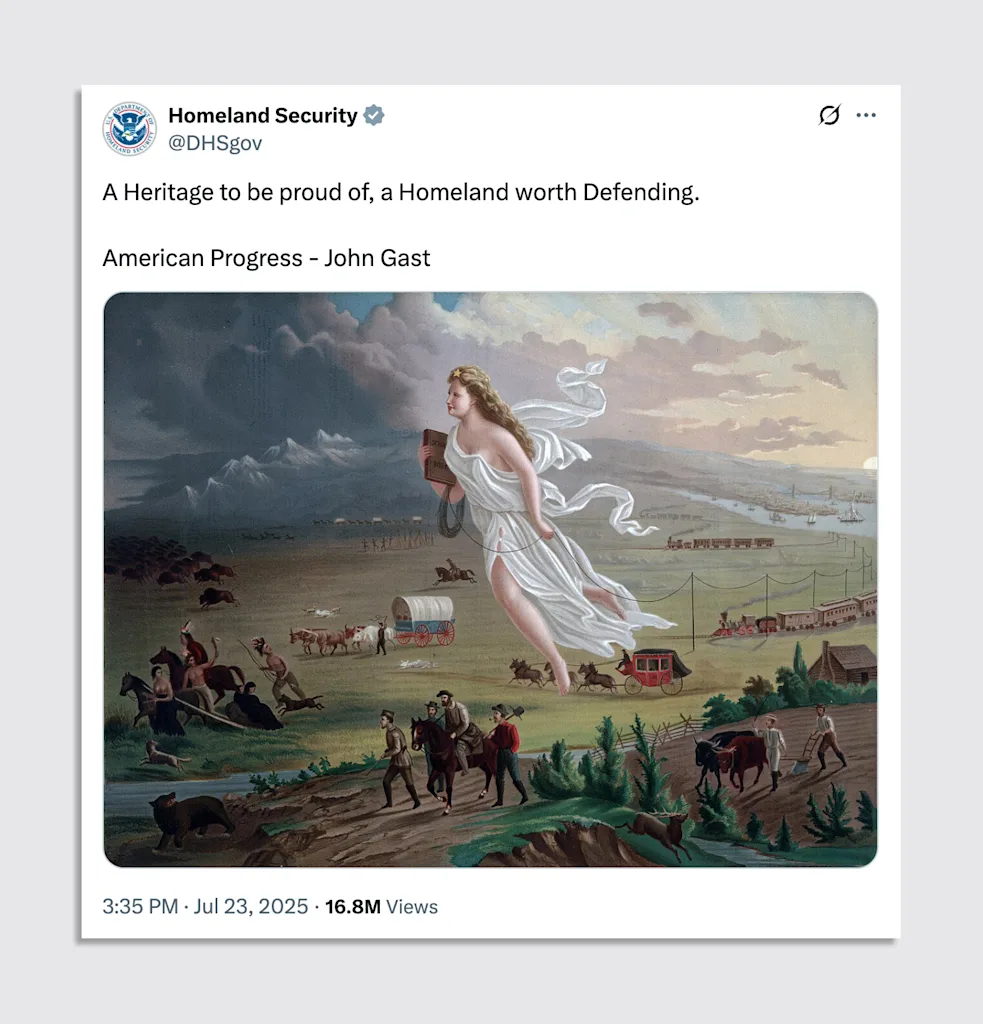
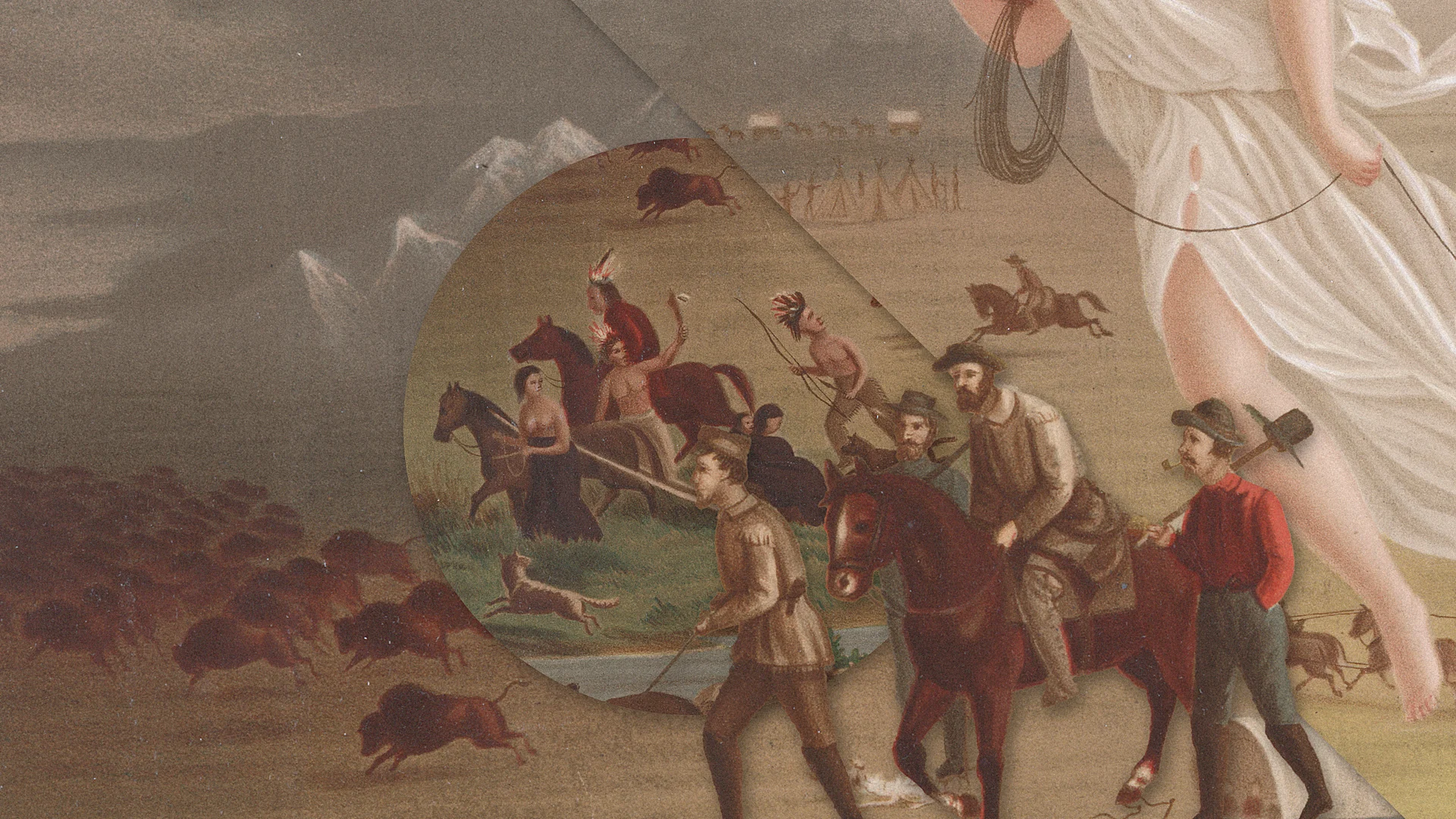
Manifest Destiny meant taking land from Native American tribes. Many Native groups were forced to leave their homes. They faced violence, loss of culture, and harsh living conditions. This caused great suffering and long-lasting harm to Native peoples. Some Americans opposed this treatment and spoke out against it.
Criticism From Within And Abroad
Not all Americans supported Manifest Destiny. Some saw it as greedy and unjust. They worried about war and moral costs. People in other countries also criticized the U.S. for pushing into lands controlled by others. This opposition showed that Manifest Destiny was far from a simple or accepted idea.
Credit: www.fastcompany.com
Legacy Of Manifest Destiny
The legacy of Manifest Destiny remains deeply woven into the fabric of the United States. It shaped more than just the map; it influenced the nation’s values, culture, and how Americans see themselves today. Understanding this legacy helps you see why the echoes of that era still matter in modern America.
Long-term Effects On U.s. Geography
Manifest Destiny drastically expanded the U.S. territory, adding millions of square miles through acquisitions like the Louisiana Purchase, Texas Annexation, and the Oregon Territory. This growth created the continental United States as you know it now.
But this expansion also meant new challenges. It shifted power balances and led to conflicts over land and resources, especially with Native American tribes and Mexico. Have you ever wondered how different the U.S. would look if this expansion hadn’t happened?
Influence On American Identity
Manifest Destiny gave many Americans a sense of purpose—a belief in progress and destiny. This mindset encouraged ideals like freedom, opportunity, and innovation, which still influence American culture.
At the same time, it fueled controversy and division, raising questions about morality and justice. You might ask yourself: how does this history affect the way Americans view their country and its values today?
Modern Interpretations
Today, Manifest Destiny is seen through many lenses. Some view it as a story of growth and ambition, while others focus on its darker consequences, including displacement and violence against indigenous peoples.
These perspectives invite you to think critically about progress and its costs. How do you balance pride in national growth with the need for historical honesty?
Credit: www.fastcompany.com
Frequently Asked Questions
What Is The Meaning Of Manifest Destiny?
Manifest Destiny was the 19th-century belief that the U. S. was destined to expand across North America. It justified territorial growth and influenced American policies.
Why Was Manifest Destiny Important In U.s. History?
It shaped U. S. expansion, promoting settlement and economic growth. It also intensified conflicts with Native Americans and other nations.
How Did Manifest Destiny Affect Native Americans?
It led to displacement and loss of Native American lands. Many tribes faced forced relocation and cultural disruption due to expansion.
Which Territories Were Acquired Through Manifest Destiny?
The U. S. gained Texas, Oregon, California, and the Southwest. These acquisitions fulfilled the goal of continental expansion.
Conclusion
Manifest Destiny shaped America’s growth and spirit. It meant expanding land and power. Many believed it was their fate to spread west. This idea affected people’s lives and the nation’s future. It brought hope but also caused conflicts. Understanding Manifest Destiny helps us see history clearly.
Its impact still influences the country today. A simple phrase, with a deep and lasting meaning.

Similar Posts