What was the Purpose of Manifest Destiny: Unveiling Its True Impact

Have you ever wondered why the United States stretched its borders all the way to the Pacific Ocean? The answer lies in a powerful idea called Manifest Destiny.
This belief shaped the nation’s growth and changed the course of history. But what was the real purpose behind it? Understanding this can give you a clearer picture of how America became the country it is today. Keep reading, and you’ll discover the surprising reasons that drove millions to move west and how this idea still influences us now.

Credit: hyperallergic.com
A Nation On The Move
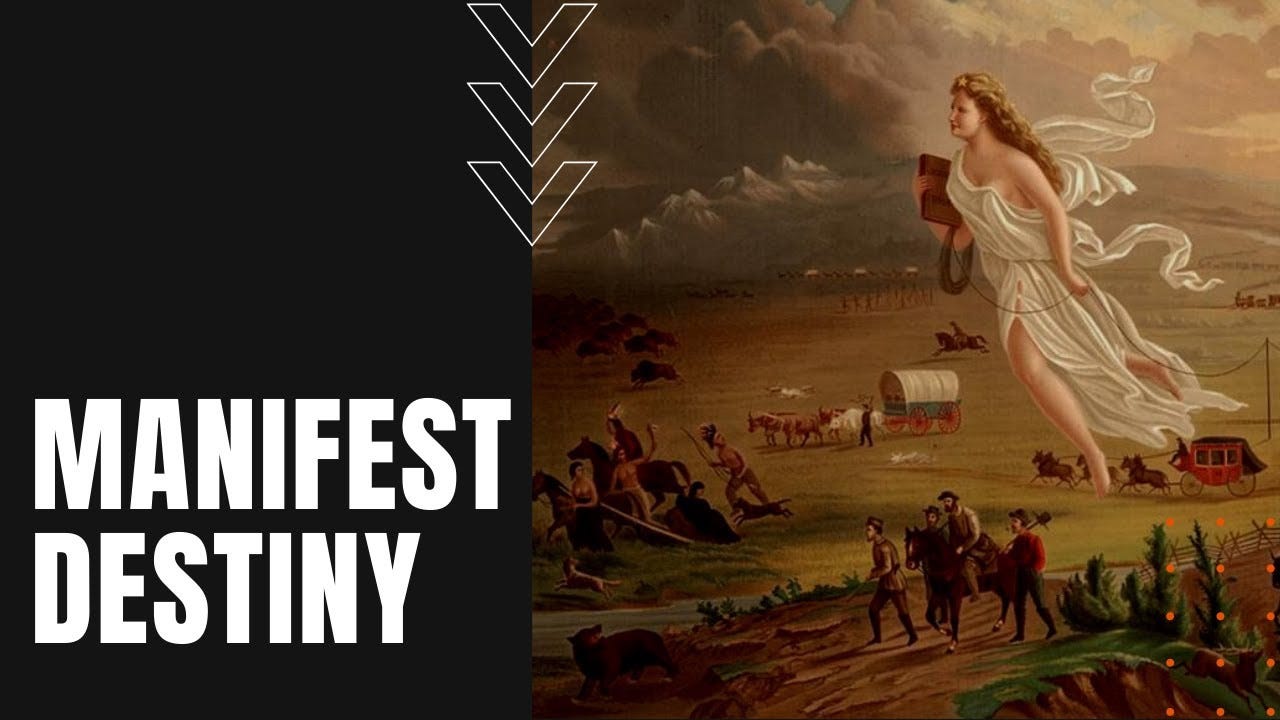
The idea of Manifest Destiny captured the spirit of a country eager to grow and explore new frontiers. It wasn’t just about land; it was about a belief that the United States was meant to stretch from coast to coast. This sense of purpose drove many Americans to move westward, shaping the nation’s identity and future.
The Emergence Of Manifest Destiny In American Culture
Manifest Destiny emerged in the 1840s as a powerful idea that expansion was not only good but inevitable. It reflected a mix of national pride and a belief in progress. Newspapers, speeches, and everyday conversations spread this mindset, encouraging people to see westward expansion as their destiny.
This belief influenced more than just politics—it affected everyday Americans’ choices. Families packed up, hoping for new opportunities on the frontier. You might wonder, how did this idea shape the way people viewed their own futures?
Key Players And Influencers
Several figures pushed Manifest Destiny into the spotlight. President James K. Polk was a major force, promoting territorial expansion through policies and negotiations. Writers and politicians like John L. O’Sullivan coined the term and helped spread the idea in popular culture.
These leaders didn’t just talk about expansion; they made decisions that changed the map. Their actions had real consequences for millions, including Native American tribes and settlers. How would you feel if you were caught between these sweeping changes?
Expansion And Empire
The idea of Expansion and Empire was central to the purpose of Manifest Destiny. It was more than just moving westward; it was about establishing a powerful nation stretching from the Atlantic to the Pacific. This vision shaped the United States’ growth and its role on the world stage, but it also brought complex challenges and consequences.
The Westward Expansion And Its Consequences
Westward expansion pushed Americans into new territories, promising opportunity and land. Settlers hoped to build farms, towns, and businesses in these vast, open spaces. However, this movement also sparked conflicts over resources and governance, changing the landscape forever.
Have you ever thought about how quickly new places become part of a country? The speed of expansion often left little time to consider the impact on existing communities and the environment. This rush sometimes led to violence and long-term disputes.
Manifest Destiny And The American Indian
The expansion came at a heavy cost for Native American tribes. As settlers moved west, they encroached on lands that indigenous people had lived on for centuries. This resulted in forced removals, broken treaties, and violent clashes.
Imagine your home being taken away without your consent. Many Native Americans faced this reality as their cultures and ways of life were threatened. Understanding this aspect helps you see that Manifest Destiny was not just about growth but also about loss.
The Role Of Slavery And The Debate Over Expansion
The question of whether new territories would allow slavery created deep divisions in the country. Each new state added to the Union forced a debate over the balance of power between free and slave states. This issue fueled tensions that eventually led to the Civil War.
You might wonder how land and slavery are connected. The answer lies in political power and economic interests, as controlling more land meant controlling more resources and influence. This debate shows how expansion was tied to the nation’s most pressing moral and political challenges.
A Divided Nation
The idea of Manifest Destiny promised growth and opportunity, but it also exposed deep cracks in the American nation. As the country expanded westward, the question of how to manage new territories stirred fierce debates. These conflicts revealed how divided the nation truly was, challenging the unity many assumed was unshakable.
The Mexican-american War And The Acquisition Of New Territories
The Mexican-American War was a direct result of Manifest Destiny’s drive to expand U.S. borders. The victory added vast lands including California and Texas to the United States. But this new land brought uncertainty about the future of slavery and governance.
Imagine owning a piece of land but not knowing the rules you must follow. That’s what many Americans felt as the government struggled to decide how to integrate these territories. This uncertainty became a breeding ground for political conflict.
The Fugitive Slave Act And The Rise Of Anti-slavery Sentiment
The Fugitive Slave Act intensified divisions by forcing citizens in free states to help capture escaped slaves. This law angered many Northerners and pushed more people to speak out against slavery. It made the issue impossible to ignore, turning it into a national crisis.
Think about being asked to act against your moral beliefs because of the law. Many Northerners experienced this, which led to increased support for abolition. This law didn’t just enforce slavery; it fueled resistance and activism.
Sectionalism And The Growing Tensions
As new territories were added, the balance between free and slave states became a major concern. This balance was crucial to both sides, and any shift sparked fierce arguments. Sectionalism grew, dividing the country into North and South with little middle ground.
Have you ever felt torn between two sides of an argument with no clear solution? This was the reality for many Americans. The growing tensions set the stage for the conflict that would eventually lead to the Civil War.
Unpacking The Legacy
Manifest Destiny aimed to expand the United States across North America. It promoted growth, opportunity, and a belief in spreading democracy. Many saw it as a mission to shape the nation’s future and culture.
The Impact On Native American Communities
Manifest Destiny led to major changes for Native American tribes. Their lands were taken, forcing many to move. This caused loss of homes, culture, and resources. Conflicts and wars broke out as settlers pushed west. Native communities faced hardship and displacement. The effects are still felt in many areas today.
The Role Of Manifest Destiny In Shaping American Identity
Manifest Destiny shaped how Americans saw themselves. It created a strong belief in expansion and progress. People felt it was their duty to spread their culture. This idea built a sense of national pride and purpose. It also influenced politics and policies for decades. The vision of a growing nation became central to the American story.
Critical Perspectives And Modern-day Relevance
Many now question the idea of Manifest Destiny. It caused harm to many groups and ignored others’ rights. The story of expansion is not simple or only positive. Today, people reflect on its impact honestly. Understanding this helps with current issues like land rights and equality. The legacy of Manifest Destiny still affects American society and values.
Myths And Misconceptions
The idea of Manifest Destiny often brings to mind a straightforward story of progress and expansion. Yet, many popular beliefs about it are far from the full truth. Understanding the myths and misconceptions helps you see how complex and contested this chapter of history really was.
Debunking The Myth Of A Peaceful Expansion
Many think Manifest Destiny was a peaceful movement, driven by settlers seeking new opportunities. The reality was often violent and forceful. Land was taken through wars, treaties imposed under pressure, and conflicts that displaced thousands.
Consider the Mexican-American War, which was largely driven by the desire to expand U.S. territory. This war resulted in significant loss of life and land for Mexico, challenging the idea that expansion was simply natural or benign.
The Forgotten History Of Mexican And Native American Resistance
Stories about Manifest Destiny rarely highlight the resistance from those whose lands were invaded. Mexican citizens, Native American tribes, and other groups fought back fiercely against U.S. expansion.
For example, Native American leaders like Tecumseh and groups such as the Apache fiercely defended their territories. Ignoring these struggles distorts your understanding of how contested this era truly was.
The Complexities Of A Divided Nation
Manifest Destiny didn’t unite the nation as often portrayed. Instead, it deepened divisions, especially over the issue of slavery in new territories. Some saw expansion as a way to spread slavery, while others wanted to prevent it.
This split contributed to tensions leading up to the Civil War. Reflect on how expansion affected political debates and your view of the United States as a whole during that time.

Credit: www.facebook.com
Credit: pastorbhart.medium.com
Frequently Asked Questions
What Was Manifest Destiny’s Main Goal?
Manifest Destiny aimed to expand the United States from coast to coast. It was driven by the belief in American cultural and racial superiority. This ideology justified the westward territorial expansion during the 19th century. It played a crucial role in shaping American history and its geographical boundaries.
Why Did Manifest Destiny Emerge?
Manifest Destiny emerged from a mix of economic needs and cultural beliefs. Americans sought new land for farming and resources. It was fueled by the idea of spreading democracy and capitalism. This belief system encouraged the nation to expand its territories westward.
How Did Manifest Destiny Affect Native Americans?
Manifest Destiny led to the displacement of many Native American tribes. As settlers moved west, Native lands were seized. It resulted in forced relocations, such as the Trail of Tears. The expansion caused significant loss of culture and life among Native American communities.
Was Manifest Destiny Universally Accepted?
Manifest Destiny faced opposition and criticism, particularly from abolitionists and Native Americans. Many saw it as a justification for imperialism and slavery. Some Americans believed the policy was morally wrong. Despite opposition, it remained a powerful force in U. S.
politics.
Conclusion
Manifest Destiny aimed to expand the United States across North America. It pushed for new lands and opportunities for settlers. This idea shaped the country’s growth and future. Many believed it was their duty to spread freedom and culture. The movement also brought conflicts and challenges with native peoples.
Understanding its purpose helps explain America’s history and changes. Manifest Destiny was more than land—it was a vision for the nation’s path forward.

Similar Posts