Which is a Manifestation of Right Sided Heart Failure: Key Signs Explained
Are you wondering how to recognize the signs of right-sided heart failure? Knowing the key manifestations can help you take control of your health early.
Right-sided heart failure affects your body in specific ways that you might notice every day. If you’re curious about what symptoms to watch for, this article will guide you through the most common and important signs. Understanding these symptoms can make a big difference in managing your condition and improving your quality of life.
Keep reading to discover what right-sided heart failure looks like and what it means for you.

Credit: www.tiktok.com
Causes Of Right Sided Heart Failure
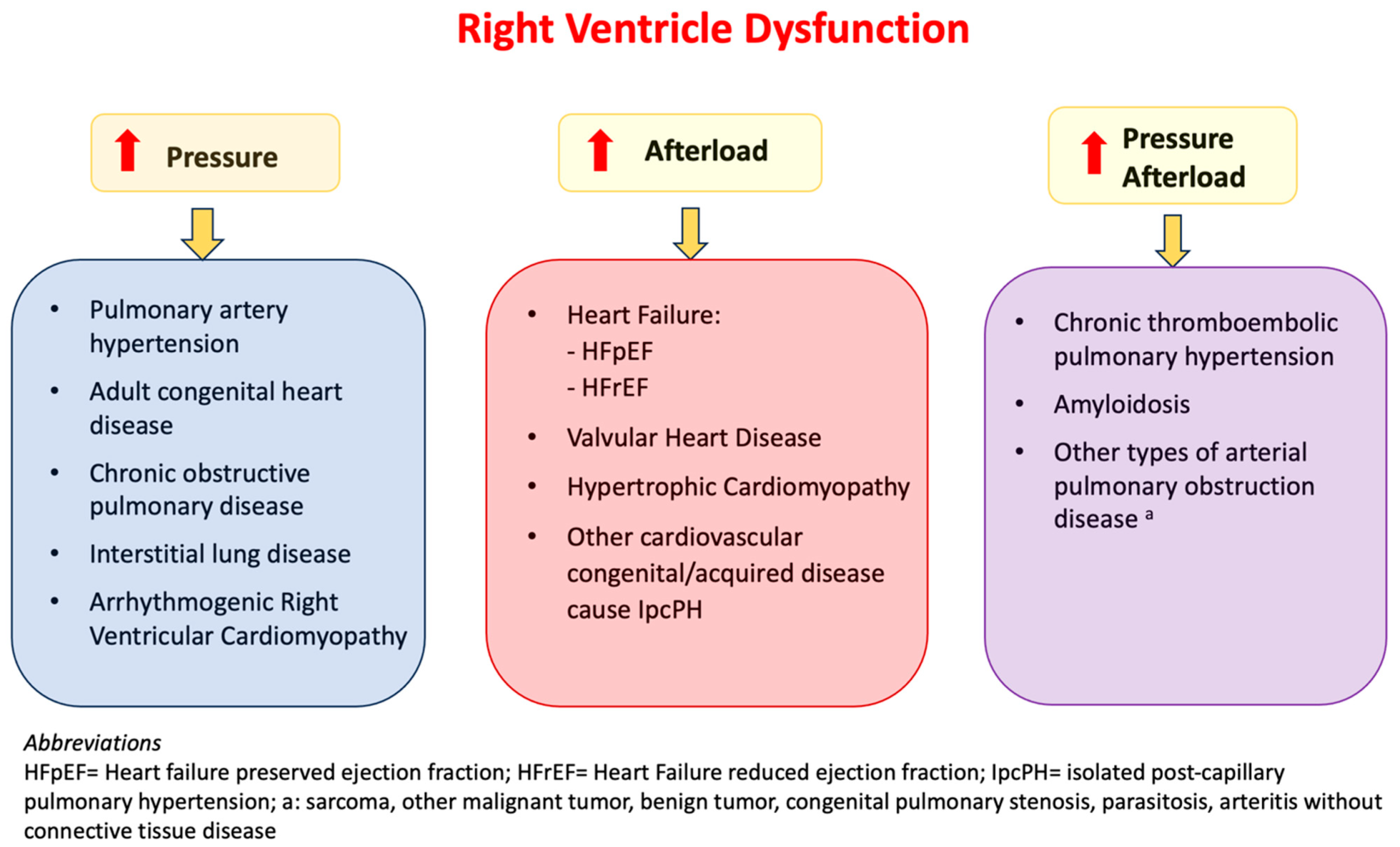
Right sided heart failure occurs when the right side of your heart struggles to pump blood efficiently. Understanding its causes can help you recognize symptoms early and take action. Several conditions can increase the workload on the right side of your heart, eventually leading to failure.
Pulmonary Hypertension
Pulmonary hypertension is a major cause of right sided heart failure. It happens when the blood pressure in your lungs’ arteries rises, forcing your right heart to work harder.
This extra effort can weaken the right ventricle over time. Have you noticed shortness of breath or fatigue during daily activities? These might be signs linked to pulmonary hypertension affecting your heart.
Left Heart Failure Impact
Did you know that failure on the left side of your heart can cause problems on the right side? When the left heart can’t pump effectively, blood backs up into the lungs.
This backup increases pressure in the lung arteries, making your right heart strain to push blood forward. This chain reaction often leads to right sided heart failure.
Chronic Lung Diseases
Conditions like chronic obstructive pulmonary disease (COPD) and pulmonary fibrosis can trigger right sided heart failure. These diseases reduce oxygen levels and increase lung artery pressure.
Your right heart must pump against this higher pressure, which can wear it down. If you have a chronic lung condition, are you monitoring your heart health regularly?
Heart Valve Disorders
Valve problems, especially issues with the tricuspid or pulmonary valves, can cause right sided heart failure. When valves don’t close properly, blood flows backward, increasing the heart’s workload.
This extra strain can weaken the right side of your heart over time. If you’ve experienced valve disease symptoms, it’s crucial to discuss potential effects on your heart function with your doctor.
Symptoms To Watch For
Recognizing the symptoms of right-sided heart failure early can make a big difference in managing your health effectively. These symptoms often develop gradually, so paying close attention to subtle changes in your body is crucial. Here’s what you should watch for to catch any warning signs in time.
Swelling In Lower Limbs
Swelling, especially in your ankles, feet, and legs, is a common symptom of right-sided heart failure. You might notice your shoes feel tighter by the end of the day or see visible puffiness around your lower limbs.
This happens because your heart isn’t pumping blood efficiently, causing fluid to build up in your tissues. If you spot this swelling, ask yourself if it’s persistent or worsening—it’s a key signal you shouldn’t ignore.
Abdominal Discomfort And Bloating
Another sign to watch for is discomfort or bloating in your abdomen. This can feel like fullness, pressure, or even mild pain, often accompanied by a sense of heaviness.
The fluid buildup can extend to your abdominal cavity, making everyday activities uncomfortable. Have you noticed your clothes fitting tighter around your waist without weight gain? This could be related to fluid retention.
Fatigue And Weakness
Feeling unusually tired or weak even after rest is a red flag. Right-sided heart failure means your organs and muscles may not get enough oxygen-rich blood, leaving you drained.
Simple tasks might start to feel overwhelming, and you may find it harder to stay active. If your energy levels drop suddenly or don’t improve, it’s worth paying attention.
Increased Urination At Night
Do you find yourself waking up frequently to urinate during the night? This symptom, called nocturia, can be linked to right-sided heart failure.
When you lie down, the fluid accumulated in your legs during the day re-enters your bloodstream and is filtered by your kidneys, increasing urine production. Tracking changes in your bathroom habits can provide important clues about your heart health.
Physical Signs On Examination
Examining the physical signs of right sided heart failure gives you clear clues about the condition’s impact on the body. These signs often appear visibly during a clinical check-up and can guide you in understanding the severity and progression of the disease. Paying attention to these details helps you or your healthcare provider catch issues early and manage symptoms effectively.
Jugular Venous Distention
One of the most noticeable signs is jugular venous distention (JVD). You can observe this by having the patient sit at a 45-degree angle and looking at the neck veins. When these veins appear swollen or bulging, it signals increased pressure in the right atrium of the heart.
Have you ever noticed someone’s neck veins standing out more than usual? This simple observation can be a powerful indicator of fluid overload and right heart stress.
Hepatomegaly And Liver Tenderness
Right sided heart failure often causes the liver to enlarge, a condition known as hepatomegaly. This happens because the blood backs up into the liver, making it swollen and sometimes tender to touch. During examination, pressing gently on the right upper abdomen may reveal discomfort, which suggests congestion.
This physical sign is crucial because it shows how heart failure affects organs beyond the heart itself. Have you ever felt unexpected pain or fullness in your upper abdomen without knowing why? It might be linked to your heart’s function.
Ascites Presence
Ascites refers to the buildup of fluid in the abdominal cavity. In right sided heart failure, this occurs due to increased pressure and fluid leakage from blood vessels. You might notice a visibly swollen belly or feel a fluid wave when the abdomen is gently tapped.
Detecting ascites during a physical exam tells you that fluid retention is severe enough to affect the abdomen. Have you or someone you know experienced unexplained abdominal swelling? This sign is often overlooked but important to recognize early.
Peripheral Edema
Swelling in the legs, ankles, and feet is called peripheral edema and is a common sign of right sided heart failure. It happens because the heart struggles to pump blood effectively, causing fluid to accumulate in the lower parts of the body. Checking for pitting edema, where pressing the skin leaves a temporary indentation, can confirm this condition.
Peripheral edema not only causes discomfort but also signals that your body is retaining excess fluid. If you notice your shoes fitting tighter or your ankles swelling by the end of the day, it’s a sign worth discussing with your doctor.

Credit: www.jacc.org
Diagnostic Tests And Findings
Diagnosing right sided heart failure requires several tests. These tests reveal how well the heart functions and show signs of strain or damage. Doctors use a mix of imaging, blood tests, and electrical activity checks to confirm the condition. Each test gives unique details about the heart’s state.
Echocardiography Indicators
Echocardiography uses sound waves to create images of the heart. It shows the size and shape of the right ventricle. In right sided heart failure, the right ventricle often appears enlarged or thickened. The test also measures how well the ventricle pumps blood. It can detect valve problems or fluid buildup around the heart.
Chest X-ray Features
A chest X-ray shows the heart and lungs. It can reveal an enlarged right heart silhouette. The pulmonary arteries may appear more prominent due to increased pressure. Signs of fluid in the lungs or pleural effusion can also be visible. These findings support the diagnosis of right sided heart failure.
Blood Tests And Biomarkers
Blood tests measure substances released by the heart under stress. Brain natriuretic peptide (BNP) or N-terminal pro-BNP levels rise in heart failure. Elevated liver enzymes can suggest congestion caused by poor right heart function. Kidney tests check for damage from reduced blood flow. Blood tests help assess the severity and guide treatment.
Electrocardiogram Changes
An electrocardiogram (ECG) records the heart’s electrical signals. Right sided heart failure may cause right atrial enlargement patterns. Right ventricular hypertrophy can show as specific changes in the QRS complex. Arrhythmias or conduction delays might also appear. ECG helps identify underlying causes and complications.
Complications From Right Sided Heart Failure
Right sided heart failure causes several serious health problems. The right side of the heart cannot pump blood effectively. This leads to blood backing up in the body’s veins. Organs and tissues suffer from poor blood flow and swelling. These effects cause many complications that impact daily life and health.
Kidney Dysfunction
Poor blood flow from the heart reduces kidney function. Kidneys need good blood supply to filter waste properly. Reduced blood flow can cause fluid and salt buildup. This worsens swelling and makes heart failure symptoms worse. Kidney problems often require careful monitoring and treatment.
Liver Congestion
Blood backs up into the liver veins, causing congestion. The liver swells and may become painful. Long-term congestion damages liver cells and reduces its function. This can lead to liver disease and more health risks. Managing fluid buildup helps protect the liver.
Arrhythmias
Right sided heart failure increases the risk of abnormal heart rhythms. The stretched heart muscle disrupts electrical signals. Arrhythmias can cause palpitations, dizziness, or fainting. Severe cases may lead to sudden cardiac arrest. Treatment often involves medication or devices to control rhythm.
Reduced Exercise Capacity
People with right sided heart failure tire easily. The heart cannot supply enough oxygen-rich blood to muscles. This limits physical activity and daily tasks. Reduced exercise capacity lowers quality of life. Gentle, supervised exercise can help maintain strength and stamina.

Credit: www.jacc.org
Management And Treatment Options
Managing right sided heart failure requires a careful balance of treatments tailored to ease symptoms and improve your quality of life. Treatment isn’t just about medications; it’s about the daily choices you make and understanding the root cause of your condition. Let’s look at practical ways to handle this challenging condition.
Lifestyle Modifications
Your daily habits play a powerful role in managing right sided heart failure. Reducing salt intake helps prevent fluid buildup, which eases the strain on your heart.
Regular, gentle exercise can strengthen your heart muscle and improve circulation. However, always consult your doctor before starting any new activity.
Monitoring your weight daily can alert you to fluid retention early, helping you catch worsening symptoms before they become serious. How often do you check in with your body’s signals?
Medications For Symptom Relief
Doctors often prescribe diuretics to help your body remove excess fluid, which reduces swelling and breathlessness. These medications can make a big difference in how comfortable you feel day to day.
Other drugs like ACE inhibitors or beta-blockers may be used to lower blood pressure and improve heart function. Taking these medications exactly as prescribed is crucial to managing your symptoms effectively.
Sometimes, you might feel unsure about side effects or when to adjust doses—don’t hesitate to discuss these concerns with your healthcare provider to tailor your treatment.
Addressing Underlying Causes
Treating the root cause of your right sided heart failure is essential to prevent further damage. Conditions like lung disease or left sided heart failure can worsen your symptoms if left unchecked.
For example, controlling chronic lung issues with proper medication or oxygen therapy can ease the burden on your heart. Have you explored all potential contributors to your condition with your doctor?
Identifying and managing these underlying problems can slow disease progression and improve your overall health.
Advanced Therapies And Surgery
If symptoms persist despite lifestyle changes and medications, advanced treatments might be necessary. Procedures like valve repair or replacement can correct structural heart problems causing failure.
In severe cases, devices such as pacemakers or implantable defibrillators can help regulate heart rhythm and improve pumping efficiency.
Discussing these options early with your cardiologist can prepare you for the best course of action tailored to your situation.
Frequently Asked Questions
What Are Signs Of Right-sided Heart Failure?
Right-sided heart failure often leads to fluid buildup. Common signs include swelling in legs and abdomen, fatigue, and shortness of breath. It can also cause liver congestion and jugular vein distention. These symptoms occur because the heart cannot effectively pump blood.
How Does Heart Failure Affect The Body?
Heart failure affects the body’s ability to circulate blood. This can lead to fluid accumulation in tissues. It causes fatigue and shortness of breath. The heart becomes less efficient, affecting various organs. This condition requires careful management and treatment.
Can Right-sided Heart Failure Be Treated?
Yes, right-sided heart failure can be managed with treatment. Medications and lifestyle changes can help reduce symptoms. Diuretics help remove excess fluid. Doctors may also recommend dietary adjustments and exercise. Treatment aims to improve quality of life and prevent progression.
Why Does Swelling Occur In Right-sided Heart Failure?
Swelling occurs due to fluid retention in tissues. Right-sided heart failure causes blood to back up in veins. This increases pressure, leading to fluid leakage. The legs and abdomen are commonly affected. Managing fluid intake and medications can help control swelling.
Conclusion
Right sided heart failure shows clear signs like swelling and tiredness. Knowing these symptoms helps in early care and treatment. Managing health with proper medicine and lifestyle changes is key. Watch for breathing problems or swollen legs as warning signs.
Regular doctor visits can keep the condition in check. Acting early improves comfort and life quality. Understanding these signs makes a difference for patients and families. Stay informed and take heart health seriously every day.

Similar Posts