Is a Manifesto a Book: Unlocking Its True Meaning and Impact
Have you ever wondered if a manifesto is actually a book? You might think of books as long stories or detailed guides.
But a manifesto is different—it’s a powerful statement that can change how you see things. If you want to understand what makes a manifesto unique and why it matters, keep reading. This article will clear up the confusion and show you why a manifesto can be just as important as any book you’ve read.

Credit: www.abebooks.com
Manifesto Vs Book
A manifesto and a book share some common ground but serve different roles. Both communicate ideas and beliefs. Yet, their structure, length, and purpose can vary greatly. Understanding these differences helps to know when to use each.
Key Differences
A manifesto is a short, clear statement of ideas and goals. It aims to inspire action or change quickly. A book is longer and explores topics in depth. Books often provide detailed information, stories, or arguments. Manifestos focus on urgency and passion, while books focus on explanation and detail.
Formats And Length
Manifestos are usually brief, often just a few pages. They use bold, direct language. Books can be hundreds of pages long. They include chapters, subheadings, and sometimes images. Manifestos are easy to read in one sitting. Books require more time and attention.
Purpose And Audience
Manifestos target people who need motivation or a call to action. They appeal to emotions and shared values. Books aim to educate, entertain, or inform a broad audience. They build understanding through detailed content. Manifestos spark change. Books build knowledge.

Credit: www.amazon.com
Historical Role Of Manifestos
Manifestos have played a vital role in shaping history. They serve as clear, powerful statements that express ideas and goals. These documents often mark the start of important social, political, or cultural changes. The power of a manifesto lies in its ability to unite people around a cause and inspire action.
Famous Manifestos In History
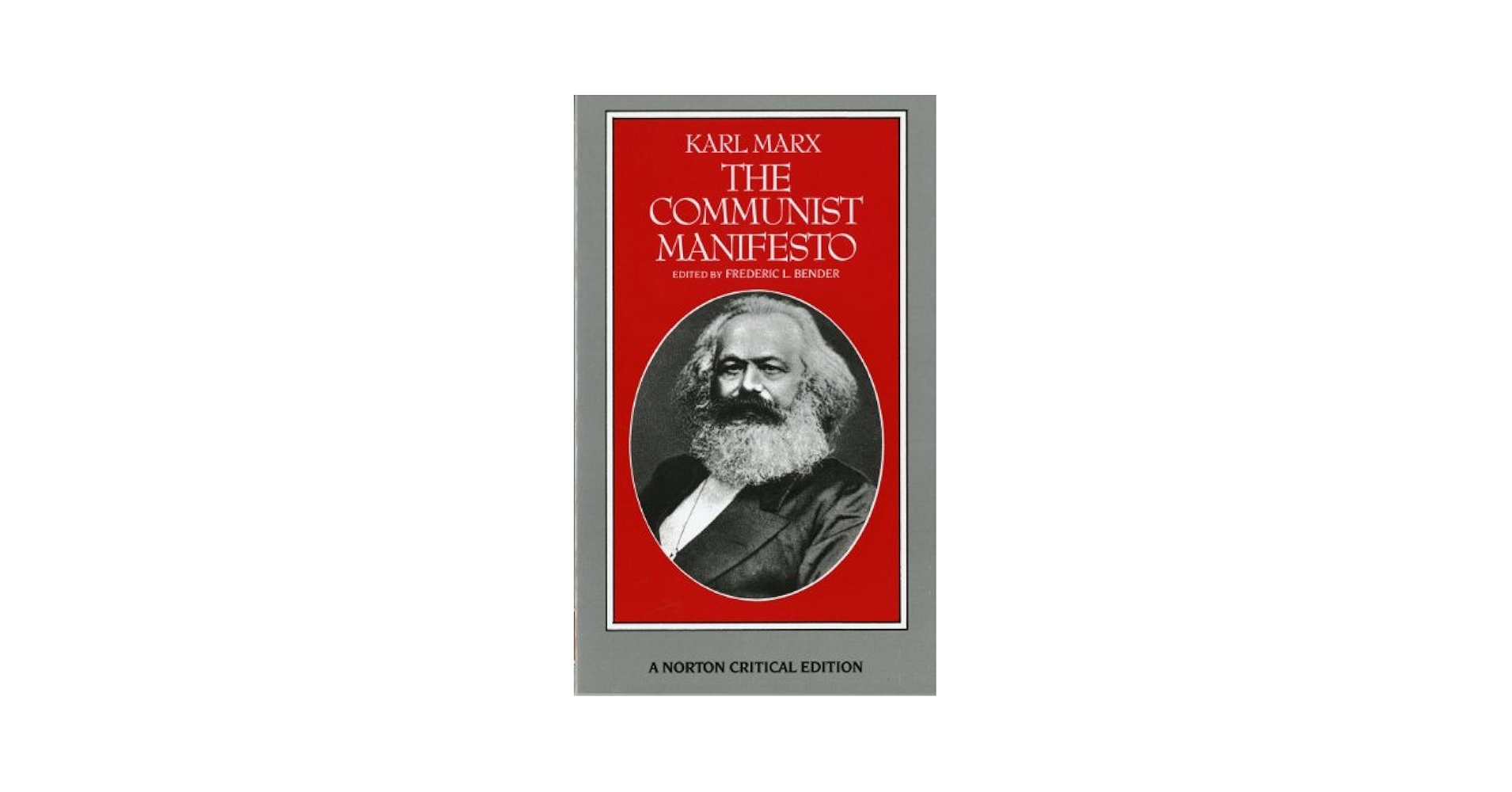
- The Communist Manifesto(1848) by Karl Marx and Friedrich Engels. It outlined the goals of communism and influenced many political movements.
- The Declaration of Independence(1776) by the United States. It announced freedom from British rule and set the foundation for a new nation.
- The Futurist Manifesto(1909) by Filippo Tommaso Marinetti. It promoted new ideas in art and culture, breaking from tradition.
- The Surrealist Manifesto(1924) by André Breton. It introduced surrealism as a way to explore the unconscious mind in art and literature.
Influence On Movements
Manifestos guide movements by clearly stating their beliefs and goals. They help people understand what the group stands for. Movements use manifestos to spread ideas and gain support. These documents often lead to change in laws, culture, and society. Activists and leaders refer to manifestos to keep their efforts focused.
Cultural Impact
Manifestos shape culture by challenging old ideas and encouraging new ones. They inspire artists, writers, and thinkers to explore different viewpoints. Manifestos often influence fashion, music, and art styles. They create a shared identity for groups with common beliefs. Over time, manifestos become historical records of cultural shifts.
Structure Of A Manifesto
A manifesto has a clear and focused structure. It guides readers through ideas and beliefs. The structure helps communicate the main message effectively.
Each manifesto contains specific parts that work together. These parts include key elements, a unique writing style, and a persuasive tone. Understanding these parts is essential to grasp what makes a manifesto stand out.
Core Elements
- Introduction:States the purpose and main idea.
- Beliefs and Values:Explains the principles behind the message.
- Calls to Action:Encourages readers to act or change.
- Vision:Shows the desired future or goal.
- Summary:Reinforces the key points briefly.
Writing Style
Manifestos use clear and direct language. Sentences are often short and simple. This style makes the message easy to understand.
The writing avoids complex jargon or technical terms. It focuses on strong, active verbs. The style aims to inspire and motivate readers.
Tone And Persuasion
The tone in a manifesto is confident and passionate. It often expresses urgency and importance. This helps capture the reader’s attention.
Persuasion is key. The text uses facts, emotions, and clear reasons. The goal is to convince readers to agree and act.
Manifestos In Modern Context
Manifestos have evolved far beyond their traditional printed formats. Today, they adapt to fit the digital age, political movements, and creative expressions. Understanding how manifestos function in these areas can change the way you view their power and relevance.
Digital Manifestos
Digital manifestos break free from paper and reach a global audience instantly. You might have seen viral statements or cause-driven websites that outline clear calls to action. These digital versions often use multimedia elements like videos and interactive graphics to engage readers deeply.
Think about how social media campaigns spread ideas quickly. Could your own manifesto benefit from a digital platform to amplify your message? Digital manifestos also allow real-time updates, making them living documents that grow with your cause.
Political And Social Uses
Manifestos remain a cornerstone in politics and social activism. They serve as concise declarations of values and goals, helping you understand a party or movement’s vision quickly. When you read a political manifesto, you get a roadmap of their intended actions and principles.
Social movements use manifestos to unite people around shared beliefs. These documents often inspire collective action, reminding you that your voice can be part of a larger change. Have you ever felt the urge to create a manifesto for a cause you care about?
Manifestos In Art And Media
Artists and media creators use manifestos to challenge norms and push boundaries. These manifestos outline new styles, philosophies, or approaches to creativity. When you read an artistic manifesto, it invites you to see the world from a fresh perspective.
Many famous art movements started with a manifesto, like Futurism or Surrealism. These documents didn’t just describe art; they demanded a new way of thinking. How might your own creative work benefit from a clear, bold statement of purpose?
Impact Of Manifestos
Manifestos can have a powerful impact on society and individuals. They express clear ideas and call for action. Their influence can spread beyond words, shaping thoughts and inspiring movements. Manifestos often become tools to challenge the status quo and offer new visions for the future.
Shaping Public Opinion
Manifestos present strong messages that shape how people think. They highlight key issues and present clear viewpoints. Readers often find themselves questioning old beliefs. This helps create new perspectives. Manifestos can unite groups around shared ideas. They provide a voice to those who want change.
Driving Change
Many movements start with a manifesto. It sets goals and outlines steps for action. Leaders use manifestos to motivate supporters. This energy can push governments and institutions to act. Manifestos turn ideas into plans. They inspire people to work toward a better future.
Legacy Over Time
Manifestos often leave a lasting mark on history. Some become famous and studied for years. They influence future writers, leaders, and activists. Even if ignored at first, a manifesto’s ideas can grow in importance. Their legacy can shape culture and politics long after they are written.
Creating Your Own Manifesto
Creating your own manifesto is a powerful way to define what you stand for and clarify your goals. It’s more than just writing words on paper—it’s about capturing your core beliefs and commitments. This process can help you stay focused and motivated, especially when challenges arise.
Essential Tips
Start by identifying your core values. What principles guide your decisions and actions? Keep your language simple and direct to make your manifesto easy to remember.
Be specific about what you want to achieve. Vague statements won’t inspire action. Write in the present tense to give your manifesto a sense of immediacy and power.
Review your manifesto regularly. It should grow and evolve with you. This keeps it relevant and meaningful.
Common Pitfalls
Avoid making your manifesto too long or complicated. If it feels overwhelming, you’re less likely to refer back to it. Keep it concise and focused.
Don’t copy others’ manifestos. Your manifesto must reflect your unique perspective and values. Otherwise, it loses authenticity and impact.
Watch out for vague promises. Saying “I will be better” isn’t enough. Define what “better” means for you with clear actions.
Examples To Inspire
- Consider Malala Yousafzai’s manifesto on education: it’s simple, passionate, and driven by a clear goal.
- Steve Jobs’ approach to innovation and simplicity can inspire your focus on quality and creativity.
- Look at personal manifestos from writers like Maya Angelou, whose words reflect deep values and a commitment to truth.
What would your manifesto say if you only had one chance to share your purpose? Let that question guide your writing and make your manifesto truly yours.

Credit: press.uchicago.edu
Frequently Asked Questions
What Defines A Manifesto?
A manifesto is a written declaration of beliefs, intentions, or policies. It typically outlines a vision or mission. Unlike a book, it is concise, aiming to inspire or provoke thought. Manifestos are often used in political, social, and artistic contexts to galvanize support or action.
Is A Manifesto Considered A Book?
A manifesto is not typically considered a book. While both are written works, manifestos are generally shorter and focus on a specific set of ideas or principles. Books may cover broader topics and include detailed discussions, while manifestos aim for clarity and impact.
Can A Manifesto Be Published As A Book?
Yes, a manifesto can be published as a book. Some authors expand their manifestos into book-length works, providing additional context and analysis. This format allows for deeper exploration of the ideas presented in the manifesto, reaching a wider audience.
Are Manifestos Used In Business?
Yes, businesses often use manifestos to communicate their core values and vision. A business manifesto can guide decision-making and align employees with the company’s mission. It serves as a powerful tool to inspire and motivate both internal and external stakeholders.
Conclusion
A manifesto shares many traits with a book but differs in purpose and style. It tells a clear story, but focuses on ideas and beliefs. Readers find manifestos short, direct, and inspiring. Books usually offer longer, detailed narratives or information.
Understanding these differences helps you know what to expect. A manifesto can stand alone or be part of a book. Both forms aim to share messages that matter. Choosing between them depends on what you want to express. Clear ideas, strong voices—both make powerful reading experiences.

Similar Posts