What was Communist Manifesto About: Revolutionary Ideals
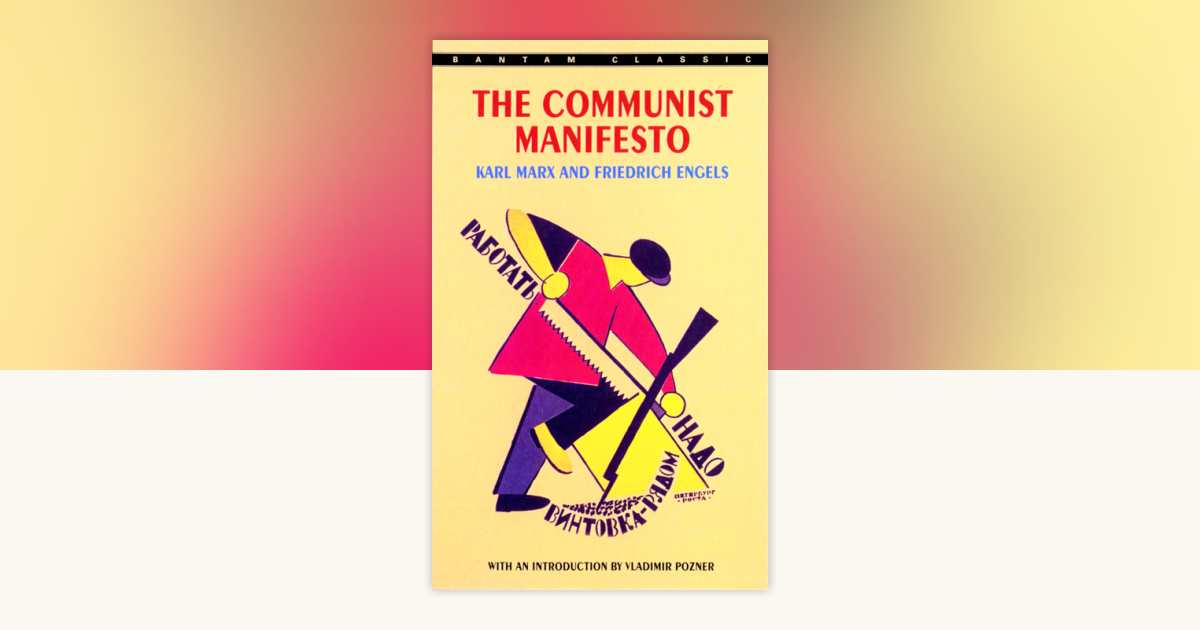
Have you ever wondered what the Communist Manifesto is really about? This short but powerful document changed the course of history and still influences ideas today.
Understanding its core message can give you a fresh perspective on politics, society, and even your own life. Keep reading to discover the key ideas behind the manifesto and why it matters to you now more than ever.
Credit: www.haymarketbooks.org
Origins Of The Manifesto
The origins of the Communist Manifesto trace back to a time of intense social and economic change. It was not just an idea born in isolation but a response to the struggles and hopes of many during the 19th century. Understanding where and why it came about helps you grasp its lasting impact on history and politics.
Historical Context
The early 1800s saw rapid industrial growth across Europe. Factories sprang up, but so did harsh working conditions and growing inequality. People faced long hours, low wages, and little hope for improvement.
Political unrest was rising. Monarchies and old power structures struggled to maintain control over increasingly restless populations. You might wonder how these pressures shaped the call for a new social order.
Amid this turmoil, ideas about workers’ rights and equality gained momentum. The Communist Manifesto emerged as a bold response to these challenges, aiming to unite workers and challenge the existing systems.
Authors And Influences
Karl Marx and Friedrich Engels wrote the Manifesto in 1848. They combined deep study of history with firsthand observations of the industrial age. Engels, for example, had seen the harsh realities of factory life in England, which gave him valuable insight.
Both were influenced by earlier thinkers like Hegel, who explored how history moves through conflict. They also drew from socialist ideas circulating at the time but pushed beyond them with a sharper focus on class struggle.
Have you noticed how their partnership brought theory and real-world experience together? This blend made the Manifesto not just a book of ideas but a call to action that still resonates today.
Core Principles
The Communist Manifesto lays out key ideas that shape its vision for society. These core principles explain the conflict and change it predicts. Each principle focuses on how society is structured and how it should evolve. Understanding these helps grasp the manifesto’s message.
Class Struggle
Class struggle is the conflict between social groups. It mainly involves the ruling class and the working class. The manifesto says history is the story of these struggles. This fight drives social and political change. The ruling class controls wealth and power. The working class sells labor to survive. Their opposing interests create tension.
Abolition Of Private Property
The manifesto calls for ending private ownership of production. It argues private property creates inequality and exploitation. Wealth stays with the few who own land and factories. Workers produce goods but get little in return. Abolishing private property means sharing resources fairly. This change aims to reduce poverty and injustice. It challenges the system that benefits only the rich.
Role Of The Proletariat
The proletariat is the working class. The manifesto sees them as the key to change. Workers must unite to challenge the ruling class. Their collective action can overthrow capitalism. After this, they can build a fairer society. The manifesto encourages workers to be aware of their power. It calls for solidarity and revolution. The proletariat’s role is central to the manifesto’s hope.
Revolutionary Goals
The Communist Manifesto set clear revolutionary goals to change society. It aimed to challenge the existing social and economic systems. The Manifesto focused on two main objectives that would reshape how people live and work.
Overthrow Of Capitalism
The Manifesto called for the end of capitalism. It argued that capitalism creates inequality and exploitation. Capitalists, who own factories and land, gain wealth by paying workers less than the value they produce. The goal was to overthrow this system through revolution. This would stop the rich from controlling the economy and society.
Establishment Of A Classless Society
After overthrowing capitalism, the Manifesto aimed to build a classless society. In this society, no group would have more power or wealth than others. Everyone would share resources and work together. The idea was to eliminate social classes like the rich and poor. This equality would lead to fairness and freedom for all people.
Credit: www.ibs.it
Impact On Politics
The Communist Manifesto had a profound impact on politics worldwide. It challenged existing power structures and inspired new ways of thinking about society and governance. Its influence extended beyond theory, shaping real political movements and ideologies that continue to affect your world today.
Global Revolutionary Movements
The Communist Manifesto sparked numerous revolutionary movements across the globe. It gave a voice to workers and oppressed groups, encouraging them to demand change and equality.
- In Russia, it fueled the Bolshevik Revolution, leading to the creation of the Soviet Union.
- In China, it inspired the Communist Party’s rise to power under Mao Zedong.
- Many countries in Latin America and Africa saw uprisings influenced by its call for class struggle.
These movements often aimed to dismantle traditional hierarchies and redistribute power. But did they always achieve the equality promised? Many faced challenges balancing ideals with practical governance.
Legacy In Modern Ideologies
The Manifesto’s ideas still shape political debates and ideologies today. Concepts like class conflict, capitalism critique, and social justice remain central to many discussions.
You can see its influence in various political ideologies beyond strict communism, including socialism and progressive movements. These often push for reforms in labor rights, wealth distribution, and social welfare.
Understanding this legacy helps you grasp why economic inequality and power struggles dominate current political conversations. How do you think these ideas apply to your own society or community?
Criticism And Controversies
The Communist Manifesto sparked many criticisms and controversies since its release. Its ideas challenged existing social and economic structures. This led to strong reactions from different groups. Critics questioned both its theory and practical impact.
Some viewed it as a threat to capitalism and private property. Others debated its vision of a classless society. The manifesto’s call for revolution alarmed many governments and thinkers. These controversies continue to shape discussions about communism today.
Opposition From Capitalist Societies
Capitalist societies saw the manifesto as a direct attack. It threatened the foundations of private ownership and free markets. Many leaders feared the loss of wealth and power. Governments often banned or censored the text. They used propaganda to warn citizens against communism.
Business owners and industrialists criticized the manifesto’s call for worker control. They argued it would destroy incentives and economic growth. The idea of abolishing class distinctions was seen as unrealistic. Critics believed it ignored individual freedom and competition.
Debates Within Socialist Circles
Socialists also disagreed on the manifesto’s ideas. Some felt it was too radical and called for immediate revolution. Others preferred gradual reforms within the system. Differences arose over strategies to achieve a fair society.
Questions about the role of the state and democracy divided thinkers. Some supported a strong central government to guide change. Others warned against authoritarianism and loss of personal rights. These debates influenced various socialist and communist movements worldwide.

Credit: www.youtube.com
Frequently Asked Questions
What Is The Main Idea Of The Communist Manifesto?
The Communist Manifesto promotes class struggle and advocates for a society without class divisions. It calls for the working class to overthrow capitalism and create a classless, communist society.
Who Wrote The Communist Manifesto And When?
Karl Marx and Friedrich Engels co-wrote the Communist Manifesto. It was published in 1848 as a political pamphlet to inspire workers’ movements worldwide.
What Impact Did The Communist Manifesto Have Historically?
The manifesto influenced many socialist and communist movements globally. It laid the foundation for Marxist theory and inspired revolutions and political changes in various countries.
What Does The Manifesto Say About Capitalism?
It criticizes capitalism for exploiting workers and creating inequality. The manifesto argues capitalism leads to class conflict and will eventually be replaced by communism.
Conclusion
The Communist Manifesto explains ideas about class struggle and society change. It talks about how workers and owners have different interests. The text calls for workers to unite and seek fairness. It aims to show how history moves through conflicts.
These ideas influenced many countries and political movements. Understanding it helps us see past and present social issues. The Manifesto remains important for studying politics and history today. Simple yet powerful thoughts still spark debate worldwide. A key work to know for anyone interested in society.

Similar Posts