Was the Manifest Destiny Justified or Exploitative?
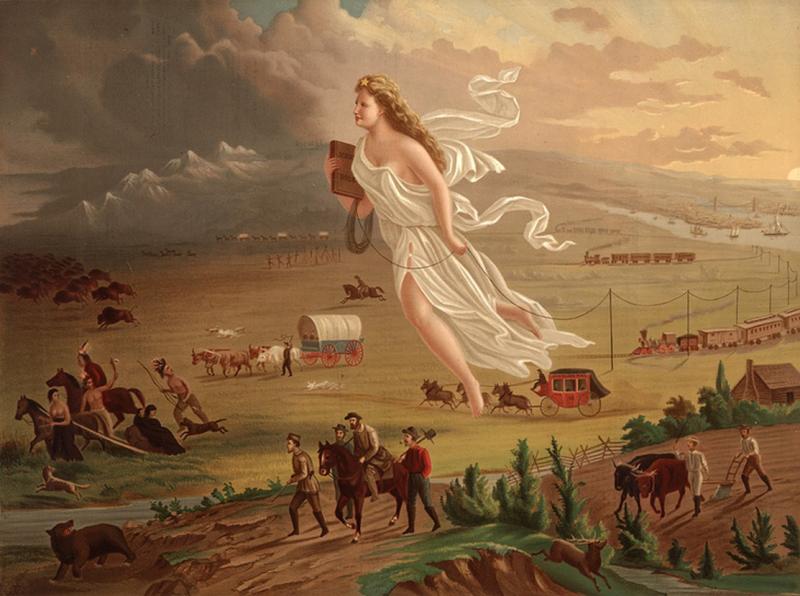
Was the Manifest Destiny a bold vision for America’s future or a cause of deep conflict and change? If you’ve ever wondered how this powerful idea shaped the United States, you’re about to uncover the truth.
Understanding Manifest Destiny isn’t just about history—it’s about seeing how the choices of the past still affect your world today. Keep reading, and you’ll discover surprising facts that might change the way you think about this important chapter in American history.

Credit: www.facebook.com
Roots Of Manifest Destiny
The roots of Manifest Destiny lie deep in America’s early history. This belief shaped the nation’s growth and identity. It pushed settlers westward and influenced politics and economics. Understanding these roots helps explain why Manifest Destiny became so powerful.
Historical Context
In the early 1800s, the United States was young and growing. The country had just doubled its size after the Louisiana Purchase. Many Americans felt a strong urge to expand across the continent. They believed it was their right and duty to spread their culture and government. Conflicts with Native Americans and other nations marked this period. These events set the stage for the idea of Manifest Destiny.
Political Motivations
Leaders used Manifest Destiny to unite the country. It helped them gain support for new territories. Expanding land meant more power in Congress and the Senate. It also allowed political parties to grow their influence. Some politicians saw expansion as a way to spread democracy. Others wanted to extend slavery or prevent its spread. The idea became a key part of national politics.
Economic Interests
Economic reasons drove many Americans westward. Farmers wanted new land to grow crops. Business people saw opportunities in trade and natural resources. The promise of gold and minerals attracted many settlers. Building railroads and roads created jobs and boosted local economies. Expansion promised wealth and a better life for many people. These economic hopes fueled the desire for Manifest Destiny.
Impact On Indigenous Peoples
The Manifest Destiny dramatically changed the lives of Indigenous peoples across North America. It pushed many Native American tribes off their ancestral lands. Their ways of life faced severe challenges. The impact was deep and lasting. Understanding this impact helps us see the true cost of westward expansion.
Displacement And Loss
Many Indigenous communities were forced to leave their homes. The U.S. government made treaties that often took their land. These agreements were broken or unfair. Tribes moved to reservations far from their original territories. This caused loss of traditional hunting grounds and sacred sites. Families were separated. The loss of land meant loss of survival resources.
Cultural Consequences
Native cultures faced great pressure to change. The government pushed policies to erase Indigenous languages and traditions. Children were sent to boarding schools where they could not speak their native tongue. Many rituals and customs were banned. This led to a loss of identity for many tribes. Cultural knowledge passed down for generations started to disappear.
Resistance And Conflict
Indigenous peoples did not accept these changes quietly. Many fought back through battles and uprisings. Leaders emerged to defend their people and land. Armed conflicts took place across the West. These struggles were often met with harsh military force. Despite losses, Native resistance showed their courage and determination. Their fight shaped the history of America’s expansion.
Territorial Expansion
The idea of Manifest Destiny was more than just a belief; it was a driving force behind the vast territorial expansion of the United States in the 19th century. This expansion reshaped the nation’s borders and had lasting effects on its identity and politics. Understanding how the U.S. acquired new lands reveals the complexities behind the seemingly unstoppable push westward.
Key Acquisitions
The U.S. gained significant territories through a mix of purchases, treaties, and annexations. The Louisiana Purchase in 1803 doubled the size of the country overnight, opening up vast lands for settlement and development.
Later, the annexation of Texas and the Oregon Territory further extended U.S. control to the west coast. The Mexican Cession after the Mexican-American War added California, Arizona, and more, showcasing how war and diplomacy often worked hand in hand.
Legal And Political Processes
Territorial expansion required complex legal steps to integrate new lands into the union. Congress had to pass laws to organize territories, establish governments, and eventually admit new states.
Debates over slavery and representation in Congress often influenced these decisions. Have you considered how the politics of expansion might have impacted your own views on governance and fairness?
Role Of The Military
The military played a critical role in securing and protecting new territories. Armed forces often enforced treaties and defended settlers moving into contested areas.
During the Mexican-American War, military success directly resulted in large land gains for the U.S. This shows how military actions were not just about defense but also about aggressive growth strategies.

Credit: hyperallergic.com
Moral And Ethical Debates
The idea of Manifest Destiny stirred intense moral and ethical debates that still echo today. It wasn’t just about expanding borders; it was about values, rights, and the consequences of those ambitions. Understanding these debates helps you see the human side behind historical events and question how similar issues arise in your world.
Contemporary Opinions
During the 19th century, many Americans believed Manifest Destiny was their divine right and duty. They argued it was a way to spread democracy and civilization across the continent. But not everyone agreed—some saw it as aggressive and unjust, particularly those who recognized the harm to Native Americans and Mexicans.
Opponents feared the expansion would lead to conflicts and the spread of slavery. They questioned whether it was ethical to take land from others under the guise of destiny. Imagine living through that tension—supporting growth but wrestling with its human cost.
Modern Perspectives
Today, historians and ethicists often criticize Manifest Destiny for its role in displacing indigenous populations and escalating violence. It’s viewed as a mix of nationalism and imperialism, raising tough questions about justice and human rights. You might wonder how much progress has been made if similar attitudes persist in global politics.
Some modern thinkers acknowledge the era’s achievements but emphasize the need to remember its victims. They suggest learning from the past to build a future that respects all cultures. How do you balance pride in your country’s history with honest reflection on its darker chapters?
Justifications Used
Supporters justified Manifest Destiny through a belief in cultural superiority and a mission to spread Christianity. They claimed that American values would bring progress and order to “uncivilized” lands. This mindset made it easier to overlook the suffering caused by displacement and war.
Economic interests also played a big role—land meant wealth and opportunity for many settlers. Government policies often framed expansion as a necessary step for national survival and growth. Can you see how economic gain can sometimes cloud moral judgment in your own decisions?
Economic Outcomes
The economic outcomes of Manifest Destiny shaped the United States in profound ways. It sparked rapid growth and development, but also led to intense resource exploitation. These changes affected different groups unevenly, raising questions about who truly benefited from the expansion.
Growth And Development
Manifest Destiny accelerated the expansion of infrastructure like railroads and telegraph lines. These developments connected distant markets and created new opportunities for trade and commerce.
If you’ve ever traveled cross-country by train, you’ve experienced the legacy of this growth firsthand. The boom in cities along these routes also created jobs and attracted settlers eager for a fresh start.
Resource Exploitation
The push westward led to aggressive extraction of natural resources such as timber, minerals, and fertile land. This rapid use of resources often ignored sustainable practices, causing environmental damage.
Consider how mining towns sprang up almost overnight, only to become ghost towns when resources ran dry. Could your community survive if it depended on a single resource like that?
Impact On Different Groups
The economic benefits were not shared equally. Settlers and entrepreneurs often gained wealth, while Native American communities faced displacement and loss of their traditional economies.
Women and minorities sometimes found new work opportunities but also faced discrimination. What can this uneven impact teach us about fairness in economic growth today?
Legacy And Consequences
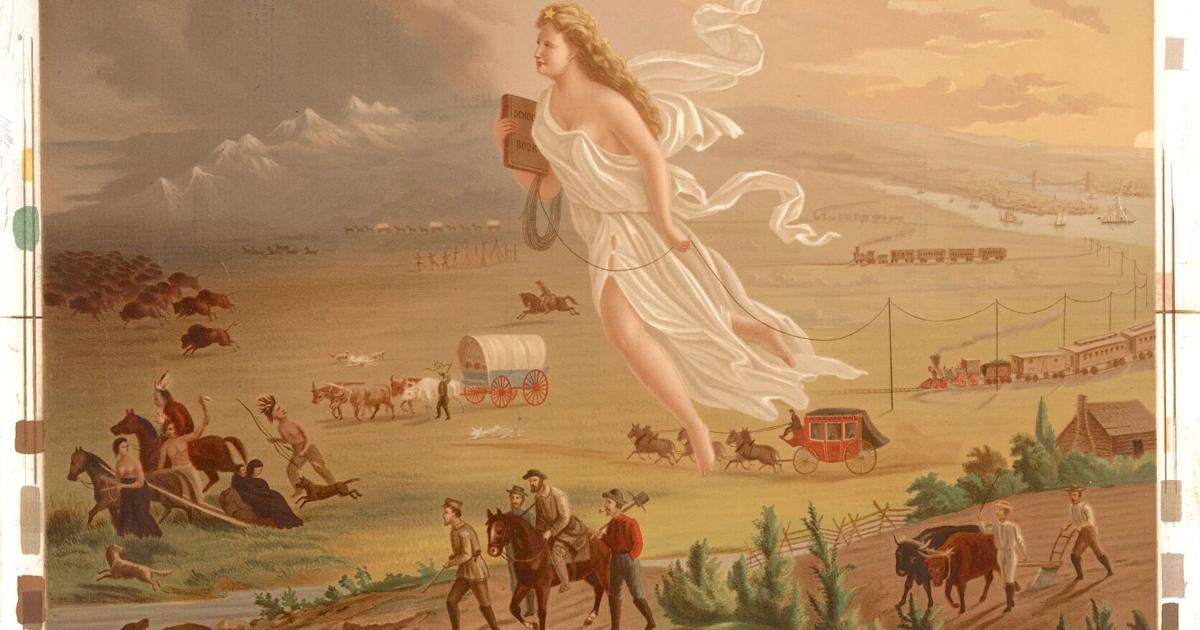
The legacy and consequences of Manifest Destiny still echo in America’s landscape and society today. This 19th-century belief shaped not only the country’s borders but also its values and conflicts. Understanding these outcomes helps you grasp how past actions influence present realities and future choices.
Shaping Modern America
Manifest Destiny expanded the United States from coast to coast, creating the map you recognize now. It accelerated economic growth by opening new lands for farming, mining, and trade. But it also fueled political debates about slavery and state rights, which contributed to the Civil War.
Think about how your daily life might differ without this expansion. The cities you know, the industries you work in, and even the roads you travel were affected by this movement. It set the stage for the U.S. to become a global power, yet it also left unresolved tensions.
Long-term Effects On Native Communities
Native American tribes faced devastating losses as settlers pushed westward. Land was taken, cultures were disrupted, and many communities were forced into reservations. This history is not just in textbooks—it affects Native peoples’ rights and struggles today.
Have you ever considered how this history impacts the diversity and cultural landscape of America? Recognizing these consequences urges you to support policies that respect Native sovereignty and heritage. It’s a reminder that growth for some came at a great cost for others.
Lessons For Future Expansion
Manifest Destiny teaches you about the dangers of unchecked ambition and ignoring the rights of others. Expansion isn’t just about gaining land or resources; it’s about responsibility and respect for all involved. Future decisions on growth, whether in technology or territory, need to balance progress with ethics.
Ask yourself: How can you advocate for growth that includes fair treatment and sustainability? Learning from this chapter encourages thoughtful actions in your community and beyond. It’s a call to build a future that honors lessons from the past.
Credit: www.aspendailynews.com
Frequently Asked Questions
What Was The Main Goal Of Manifest Destiny?
Manifest Destiny aimed to expand the United States across North America. It promoted westward migration and territorial growth during the 19th century. This belief justified American expansion and shaped U. S. policies toward land acquisition and Native American displacement.
When Did Manifest Destiny Occur In U.s. History?
Manifest Destiny was prominent between the 1840s and 1860s. It influenced events like the Texas annexation, Oregon Trail migration, and the Mexican-American War. This period marked significant territorial growth for the United States.
How Did Manifest Destiny Impact Native Americans?
Manifest Destiny led to the forced removal and displacement of many Native American tribes. It caused loss of native lands and cultural disruption. The policy often justified harsh treatment and conflicts with indigenous peoples.
Was Manifest Destiny A Positive Or Negative Movement?
Manifest Destiny had both positive and negative effects. It expanded U. S. territory and economic opportunities but caused Native American suffering and increased sectional tensions. Its legacy remains controversial in American history.
Conclusion
Manifest Destiny shaped America’s growth and history deeply. It fueled expansion but also caused conflicts and challenges. The idea pushed people westward, changing the land and lives forever. Understanding its impact helps us see the past clearly. The story of Manifest Destiny is complex and important.
It teaches lessons about ambition, change, and consequences. This chapter in history still affects us today.

Similar Posts