What Info Must Be Included on a Hazardous Waste Manifest: Essential Guide
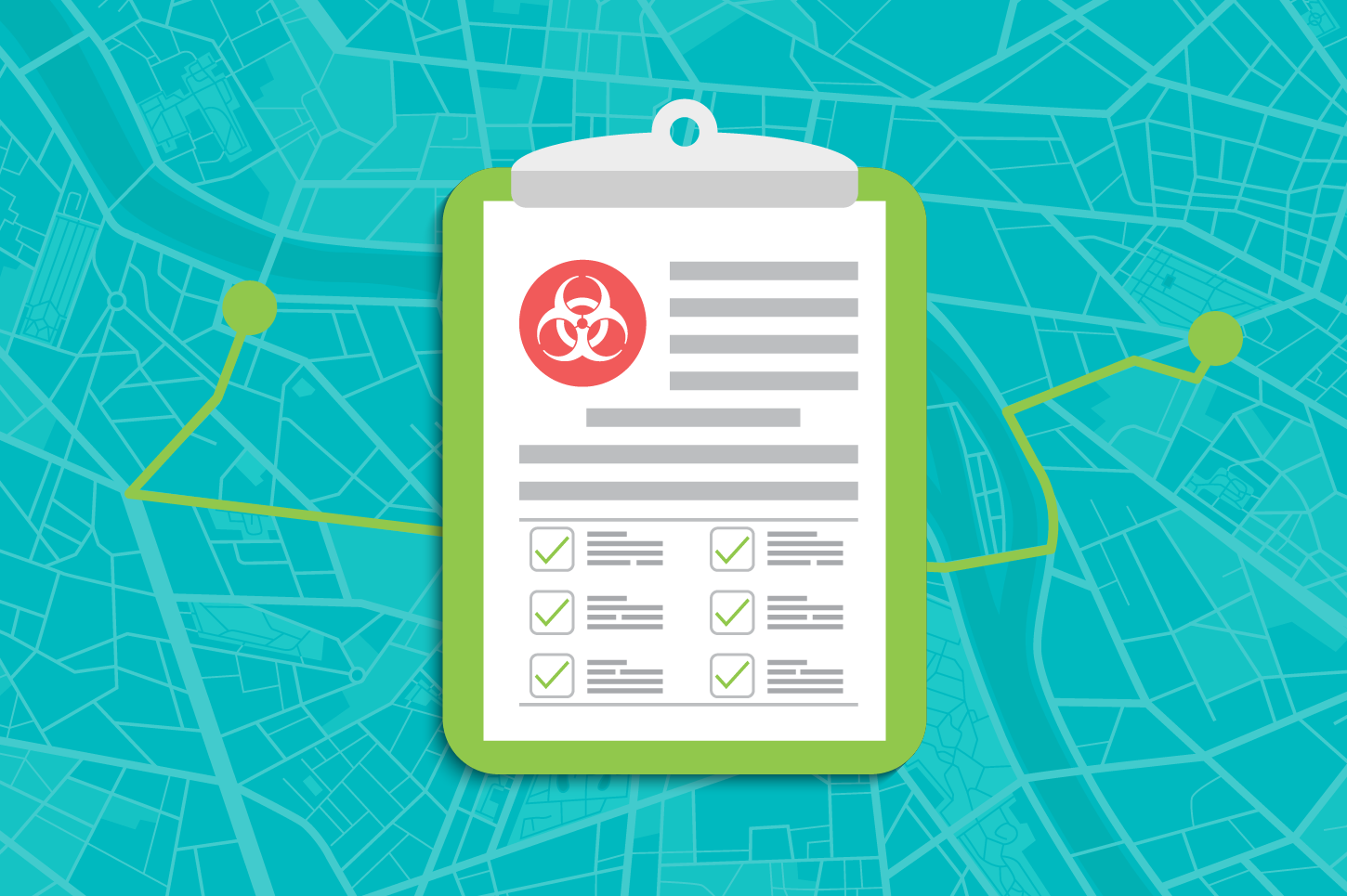
Handling hazardous waste isn’t something you want to get wrong. If you’re responsible for managing or transporting hazardous materials, you need to know exactly what information must be on a hazardous waste manifest.
This document is more than just paperwork—it’s your key to staying compliant, avoiding costly fines, and keeping everyone safe. You’ll discover the essential details that must be included on the manifest, so you can protect your business and the environment with confidence.
Keep reading to make sure your hazardous waste manifest is complete and accurate every time.
Purpose Of Hazardous Waste Manifest
The purpose of a hazardous waste manifest is to track the movement of hazardous waste from its origin to its final disposal. This document ensures accountability and helps prevent illegal dumping or mishandling of dangerous materials. Without a proper manifest, it’s easy for hazardous waste to fall through the cracks, causing environmental damage and legal issues.
When you handle hazardous waste, the manifest acts as your safety net. It provides a clear paper trail that shows who is responsible at each stage. This transparency protects you and others involved in the waste management process.
Ensuring Legal Compliance
The hazardous waste manifest helps you comply with government regulations. It contains all the necessary details required by environmental agencies to verify proper handling. By completing and maintaining this document, you avoid fines and legal penalties that come from improper waste disposal.
Have you ever wondered how regulators track hazardous waste across long distances? The manifest is the answer—it provides a standardized way to report every transfer and treatment step.
Promoting Environmental Safety
Tracking hazardous waste reduces the risk of spills and contamination. The manifest requires detailed information about the waste type and quantity, which helps waste handlers prepare for safe transport and disposal. This careful documentation protects communities and natural resources from exposure to toxic substances.
Your role in accurately filling out the manifest directly impacts public health. Missing or incorrect information can lead to accidents and costly cleanups.
Facilitating Efficient Waste Management
A hazardous waste manifest streamlines communication between generators, transporters, and disposal facilities. It clarifies responsibilities and timelines, preventing delays or mix-ups. When you provide complete and accurate information, you contribute to a smooth waste handling process.
Think about a time when miscommunication caused a project delay. The manifest eliminates such risks by keeping everyone on the same page with clear documentation.
Key Identification Details
Key identification details on a hazardous waste manifest are crucial for tracking and managing waste safely. These details ensure accountability and compliance throughout the waste’s journey. Missing or incorrect information can cause serious delays or legal issues.
Generator Information
The generator is the starting point of the hazardous waste chain. Your manifest must include the generator’s name, address, and EPA identification number. This information helps verify where the waste originated and who is responsible for its initial handling.
Make sure to add the generator’s contact details, including phone number and emergency contact. This allows quick communication if any issues arise during transport or disposal. Have you ever thought about how a simple phone number can speed up resolving a hazardous waste incident?
Transporter Details
The transporter moves the hazardous waste from the generator to the disposal facility. The manifest needs the transporter’s company name, EPA ID, and contact information. These details confirm who is legally responsible during transit.
Including the driver’s name and vehicle identification is also important. This level of detail can prevent mix-ups if multiple shipments occur simultaneously. Think about how easy it is to track your package with a tracking number—hazardous waste needs a similar level of traceability.
Receiving Facility Data
The receiving facility is where the hazardous waste is processed or disposed of safely. Your manifest must list the facility’s name, address, and EPA ID number. This confirms the waste reached its intended destination.
Adding the facility’s contact information ensures they can be reached for waste verification or issues. You want to be certain your waste didn’t end up in the wrong place or cause environmental harm. Could skipping this information lead to costly compliance problems?
Waste Description Requirements
Accurately describing the waste on a hazardous waste manifest is crucial. Your description ensures proper handling, transportation, and disposal, protecting people and the environment. Missing or vague details can lead to serious compliance issues and safety risks.
Waste Codes And Classification
Each type of hazardous waste has specific codes assigned by regulatory agencies. These waste codes identify the waste’s source and characteristics. Including the correct code on your manifest helps everyone involved understand what they’re dealing with.
For example, the code “D001” indicates ignitable waste, while “F003” might signify spent solvents. You need to match your waste to the right code based on its origin and properties. Have you ever struggled to find the right code? Double-checking the EPA’s official lists can save you from costly mistakes.
Physical And Chemical Characteristics
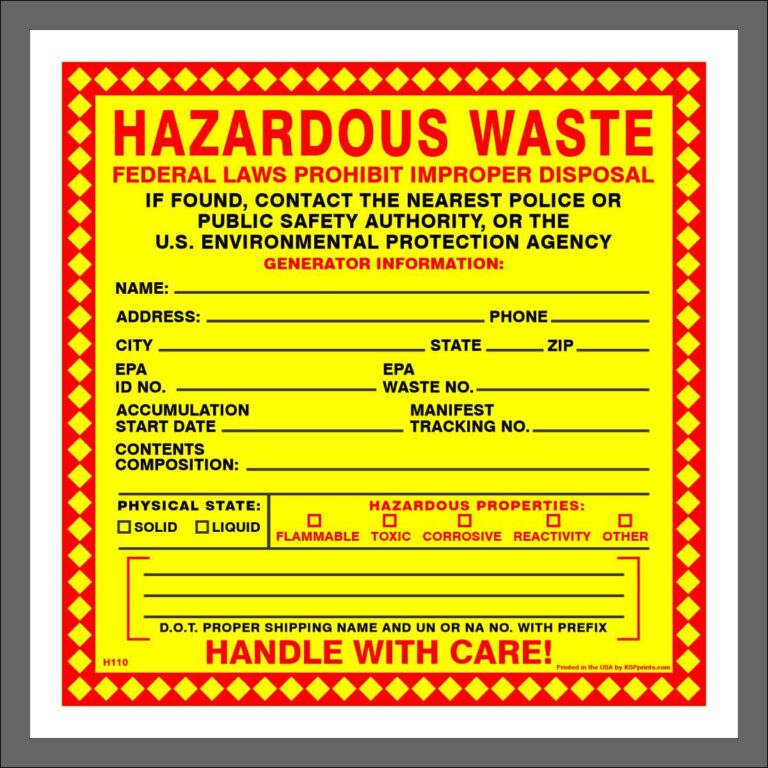
Describing the waste’s physical state—solid, liquid, or gas—is just as important as listing its chemical traits. Is the waste acidic, corrosive, or reactive? These details affect how it must be packaged and transported.
Think about a liquid waste that’s highly flammable; it requires special containers and handling procedures. You should also note the concentration of hazardous components, as higher levels might need stricter controls. Clear and complete information here prevents accidents and regulatory penalties.
Credit: www.securewaste.net
Quantity And Packaging Information
Quantity and packaging information is vital on a hazardous waste manifest. This data ensures the safe handling and tracking of hazardous materials. Accurate details help prevent accidents and regulatory issues. The manifest must clearly state the amounts and how the waste is packed.
Weight Or Volume Measurements
The manifest must show the exact weight or volume of the waste. Use consistent units like pounds, kilograms, gallons, or liters. This measurement reflects the total amount being transported. Precise numbers aid in risk assessment and proper disposal. Always double-check these figures before submitting the manifest.
Container Types And Counts
List the types of containers holding the waste. Examples include drums, tanks, or boxes. Specify the number of each container type used. This helps handlers know what to expect during transport. Clear container details improve safety and compliance. Include container conditions if they affect the waste’s stability.
Signature And Certification Sections
The signature and certification sections on a hazardous waste manifest are essential for ensuring accountability and legal compliance throughout the waste handling process. These sections confirm that every party involved understands and agrees to their responsibilities in managing hazardous waste safely. Missing or incorrect signatures can lead to serious regulatory issues and delays in waste disposal.
Generator Certification
The generator certification is where you, as the waste producer, confirm that the information on the manifest is accurate and complete. By signing here, you take responsibility for proper waste characterization and packaging.
This certification also confirms that you have complied with all relevant regulations, including proper labeling and storage. Think about it—this signature is your first and most critical checkpoint in the waste management chain.
Transporter Acknowledgment
Once the hazardous waste leaves your site, the transporter’s signature acknowledges receipt and confirms that the waste was accepted in good condition. This step is vital because it shifts responsibility from you to the transporter.
If the waste is damaged or mislabeled when picked up, the transporter’s acknowledgment protects you by documenting the exact condition at transfer. Make sure the transporter signs promptly and legibly to avoid disputes later.
Facility Acceptance
The final signature on the manifest comes from the facility receiving the hazardous waste. This confirms that the waste arrived safely and matches the description on the manifest.
Without this acceptance, you cannot verify that the waste reached its proper destination. Always verify that the facility’s authorized personnel sign and date the manifest immediately upon receipt.
Additional Documentation And Copies
Handling hazardous waste requires more than just filling out a manifest form. You must ensure that additional documentation and copies are properly managed to maintain compliance and safety. These steps help track the waste from start to finish and protect you if questions arise later.
Manifest Copies Distribution
Each hazardous waste manifest must be distributed to specific parties involved in the waste’s journey. Typically, you will have:
- Generator’s copy:Keep this for your records to track what you shipped.
- Transporter’s copy:The company moving the waste needs their copy for legal transport documentation.
- Treatment, Storage, and Disposal Facility (TSDF) copy:They keep their copy upon receiving the waste.
Make sure each copy is signed and dated by the appropriate party. This signature trail confirms the waste was properly handed off at every stage.
Recordkeeping Guidelines
You are responsible for keeping your copies of the manifest for a set period—usually three years. This is crucial if regulators request proof of proper waste handling. Store these records in an organized system where you can quickly access them.
Don’t forget to document any discrepancies or changes during transport, like unexpected delays or waste condition changes. This extra information can protect you during inspections or audits.
Ask yourself: Is your current recordkeeping system ready to handle a compliance check at a moment’s notice? If not, now is the time to improve it.
Common Errors To Avoid
Filling out a hazardous waste manifest requires careful attention to detail. Small mistakes can cause delays or regulatory issues. Avoiding common errors helps ensure smooth waste tracking and compliance with laws.
Errors often happen because of confusion or rushed work. Knowing what to watch for reduces mistakes. This section highlights frequent errors to avoid on hazardous waste manifests.
Incorrect Or Missing Generator Information
Always include the correct name and address of the waste generator. Missing phone numbers or incorrect EPA ID numbers cause confusion. Double-check this data before submission.
Wrong Waste Description Or Codes
Use the proper waste codes and descriptions matching the actual waste. Avoid vague terms like “hazardous waste” without details. Incorrect codes can lead to fines or rejected manifests.
Incomplete Transporter Details
Include the transporter’s name, address, and EPA ID number clearly. Missing or wrong transporter data breaks the waste chain of custody. Confirm this information before signing the manifest.
Failure To Include Proper Signatures And Dates
Signatures from the generator, transporter, and receiver are mandatory. Dates must match the actual transfer days. Leaving these out makes the manifest invalid.
Errors In Quantity Or Unit Of Measure
Report the exact amount of waste using the correct units (pounds, gallons, etc.). Over- or under-reporting quantities causes regulatory concerns. Always verify these numbers carefully.
Not Keeping Copies Of The Manifest
Generators and transporters must keep copies of signed manifests. Losing copies risks non-compliance during inspections. Store these documents safely for the required retention period.
Credit: www4.des.state.nh.us
Regulatory Compliance Tips
Keeping your hazardous waste manifest compliant with regulations is crucial to avoid fines and ensure safe handling. Paying attention to detail on the manifest helps you stay on the right side of the law and protects everyone involved in the process. Here are some practical tips to help you meet regulatory standards effectively.
Understand The Required Information Thoroughly
Each section of the hazardous waste manifest has specific information that must be included. You need to be clear about the generator’s details, transporter information, waste descriptions, and destination facility data.
Missing or incorrect entries can cause serious compliance issues. Have a checklist handy to verify all required fields before submitting the manifest. This simple habit can save you from costly headaches.
Double-check Waste Codes And Descriptions
Accurate waste codes are essential for proper classification and handling. Make sure you use the correct EPA hazardous waste numbers and provide clear, concise descriptions.
Think about the last time you rushed and put a vague description. Did that lead to confusion or delays? Taking the time to get this right upfront prevents misunderstandings and keeps your shipment moving smoothly.
Keep Copies And Track Your Manifests
Always maintain copies of the manifest documents for your records. You’ll need them for audits and inspections, sometimes years later.
Use a digital tracking system if possible. It makes managing multiple manifests easier and reduces the risk of losing important paperwork.
Train Your Team Regularly
Your team’s understanding of manifest requirements directly impacts compliance. Schedule regular training sessions to keep everyone up to date with the latest regulations.
Have you noticed changes in regulations? Sharing those updates promptly ensures your team won’t miss critical details on the manifests they prepare.
Verify Signatures And Dates Carefully
Signatures and dates on the manifest are not just formalities—they confirm responsibility at every stage. Check that all required parties sign and date the document correctly.
A missing or incorrect signature can invalidate the manifest, causing delays and potential penalties. Don’t underestimate this step in your process.

Credit: www.danielshealth.com
Frequently Asked Questions
What Is A Hazardous Waste Manifest?
A hazardous waste manifest is a tracking document. It records the transport, handling, and disposal of hazardous waste. It ensures compliance with environmental laws and proper waste management.
What Information Is Required On A Hazardous Waste Manifest?
The manifest must include waste type, quantity, generator details, transporter info, and disposal site. It also needs emergency contacts and EPA identification numbers. Accurate data helps track waste responsibly.
Why Is A Hazardous Waste Manifest Important?
It prevents illegal dumping and environmental harm. The manifest provides legal proof of waste transfer. It helps regulators monitor hazardous waste from start to finish.
Who Must Sign The Hazardous Waste Manifest?
The generator, transporter, and disposal facility must sign. Their signatures confirm waste receipt and proper handling. This ensures accountability at every stage.
Conclusion
A hazardous waste manifest keeps waste tracking clear and safe. It must show the type, amount, and source of waste. Include transporter and receiver details for full accountability. Accurate information helps avoid fines and environmental harm. Always double-check the manifest before shipment.
Clear records protect workers, communities, and the environment. Following these rules makes hazardous waste management easier and safer.

Similar Posts