What to Write in a Manifesto: Key Elements Explained
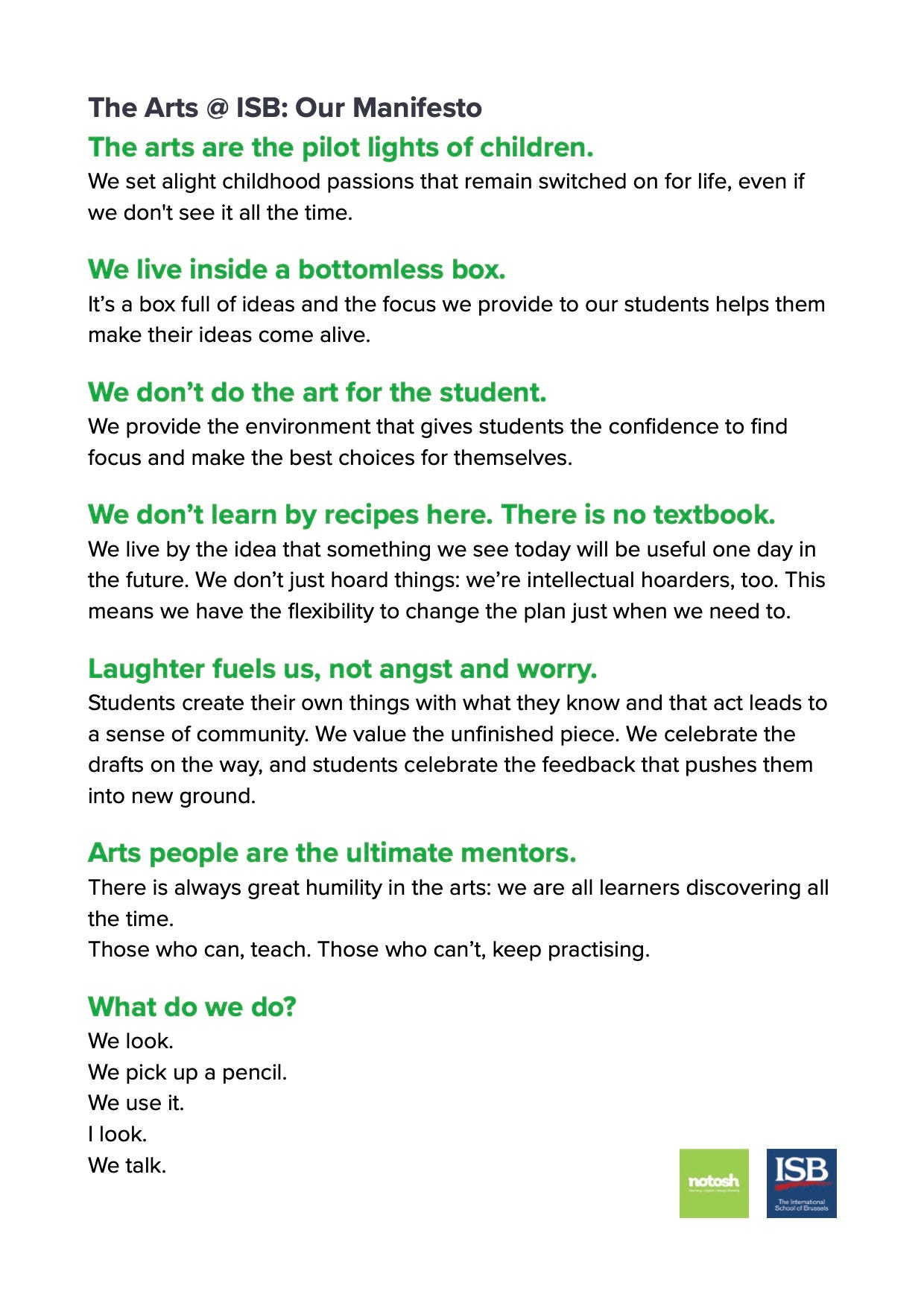
What do you want to stand for? What message do you want the world to remember about you or your cause?
Writing a manifesto gives you the power to clearly express your beliefs and inspire others to join you. But knowing what to write in a manifesto can feel overwhelming. You want your words to be strong, clear, and unforgettable. You’ll discover exactly how to craft a manifesto that captures your passion and moves people to action.
Keep reading, and you’ll learn the simple steps to make your message impossible to ignore.
Credit: medium.com
Purpose Of A Manifesto
A manifesto serves as a clear statement of intent and belief. It defines what drives a person, group, or movement. The purpose is to communicate a vision that guides actions and decisions. It shows what matters most and why. A well-written manifesto helps others understand and join the cause.
Inspiring Action
A manifesto motivates people to act. It creates a sense of urgency and purpose. The words chosen should spark energy and commitment. It calls readers to take steps toward change. The goal is to turn ideas into real actions.
Expressing Core Values
At its heart, a manifesto reveals core values. These are the beliefs that shape choices and behavior. Clear values build trust and unity. They help people see what the cause stands for. This honesty makes the message strong and relatable.
Target Audience
Understanding the target audience is key when writing a manifesto. It shapes the tone, style, and content of your message. Knowing who will read your manifesto helps you connect deeply and inspire action.
Identifying Readers
Start by thinking about who your manifesto is for. Consider their age, interests, and values. Are they young activists, business professionals, or community members? Knowing these details guides your word choice and examples.
Ask questions like:
- What challenges do they face?
- What do they care about most?
- What motivates them to act?
Clear answers help you speak directly to their needs and hopes.
Tailoring The Message
Use simple language that matches your audience’s understanding. Avoid complex words and long sentences. Keep your message clear and direct.
Focus on ideas that resonate with your readers. Show empathy and shared goals. This builds trust and encourages commitment.
Adjust the tone to fit your audience’s mood. It can be passionate, hopeful, or firm. The right tone makes your manifesto feel personal and urgent.
Core Beliefs And Principles
Core beliefs and principles form the backbone of any manifesto. They represent what you stand for and guide every decision and action. Writing them clearly helps others understand your true intentions and values.
Stating Foundational Ideas
Begin by identifying the key ideas that matter most to you or your group. These are non-negotiable truths that set the tone for your entire message. You want to be straightforward—avoid vague statements that anyone could agree with.
Think about moments when you felt most driven or inspired. What values were at play? Naming these foundational ideas clearly builds trust and shows you mean what you say.
Aligning With Vision
Your core beliefs should connect directly to your bigger vision. If your manifesto aims to change something, explain how these principles will help get there. This keeps your message focused and consistent.
Ask yourself: Does each belief push your vision forward? If a principle doesn’t support your ultimate goal, it might distract or confuse your audience. Keep your manifesto sharp by linking beliefs to your desired outcome.

Credit: www.youtube.com
Goals And Objectives
Defining clear goals and objectives in your manifesto sets the foundation for everything you want to achieve. These statements guide your actions and decisions, making your manifesto a practical tool rather than just words on paper. Focusing on both short-term aims and your long-term vision helps you stay grounded while reaching for bigger achievements.
Short-term Aims
Short-term aims are the specific, actionable targets you want to hit soon. They should be realistic and measurable, so you can track your progress easily. Think about what you want to accomplish within the next few weeks or months.
For example, if your manifesto is about promoting sustainability, a short-term aim could be to reduce single-use plastics in your daily routine. This kind of goal gives you immediate focus and motivates you to take concrete steps.
Ask yourself: What small actions can you commit to right now that align with your manifesto’s core values? These quick wins build momentum and keep your manifesto alive.
Long-term Vision
Your long-term vision describes the bigger picture—the ultimate change or impact you want to create. It should inspire and challenge you but remain grounded enough to feel achievable.
Imagine where you want to be in five or ten years if your manifesto is fully realized. This vision acts like a compass, guiding every short-term aim you set along the way.
Consider this: How will your manifesto shape the future you want? Keeping your eyes on this horizon helps you make consistent choices that move you closer to your ideal outcome.
Call To Action
A manifesto needs a clear call to action to inspire readers. This section guides people on what to do next. It turns ideas into real steps. A strong call to action makes the message powerful and memorable.
Encouraging Participation
Invite readers to join your cause or movement. Use simple words that show how they can help. Explain why their voice matters. Make participation feel easy and important.
- Ask them to share the message.
- Suggest attending events or meetings.
- Encourage signing petitions or pledges.
- Offer ways to volunteer or contribute.
Help readers see their role clearly. This builds a sense of community and action.
Motivating Change
Push readers to make real changes in their lives or surroundings. Use strong, clear language that inspires action. Show the benefits of change for everyone.
- Highlight the impact of small actions.
- Use positive examples and success stories.
- Remind readers why change is urgent.
- Encourage daily habits or new mindsets.
Make the call to change personal and urgent. Inspire readers to act now, not later.
Tone And Style
The tone and style of a manifesto set the mood and clarity of your message. It shapes how readers feel and understand your vision. Choose a tone that fits your purpose and audience. The style should be simple yet powerful to keep attention and inspire action.
Using Clear Language
Clear language avoids confusion and keeps readers focused. Use short sentences and common words. Avoid jargon or complex phrases that might distract or confuse. Write as if speaking to a friend. This helps your message feel honest and direct.
Simple words boost understanding for all readers. They make your manifesto easy to remember and share. Clarity builds trust and makes your ideas stronger.
Creating Emotional Impact
Emotion connects readers to your cause. Use words that spark feelings like hope, courage, or unity. Tell stories or use vivid images to bring ideas to life. Emotions inspire people to care and act.
Balance emotion with facts to keep credibility. Strong feelings plus clear facts make your manifesto both moving and believable. This blend helps your message stick long after reading.
Examples And Inspirations
Examples and inspirations help shape a strong manifesto. They show clear ideas and bold statements. Reading different manifestos sparks creativity and guides your writing. Both historic and modern texts offer valuable lessons. They reveal how writers express their core beliefs and goals.
Famous Manifestos
Famous manifestos carry powerful messages that changed the world. They often challenge old rules and call for new ways. For example:
- The Communist Manifestoby Karl Marx and Friedrich Engels. It pushed for social and economic change.
- The Futurist Manifestoby Filippo Tommaso Marinetti. It celebrated technology and rejected the past.
- The Declaration of Independenceby the American Founders. It stated the right to freedom and self-rule.
These texts use strong language and clear ideas. They show how to make a bold statement and unite people.
Modern Adaptations
Modern manifestos often focus on social issues and personal values. They use simple words to connect with many readers. Some examples include:
- The Agile Manifestofor software development. It promotes teamwork and flexibility.
- The Cluetrain Manifestoabout the internet and business. It encourages honest communication.
- Environmental manifestosurging care for the planet. They inspire action and change.
These modern texts show how to stay relevant and clear. They mix passion with practical ideas to inspire readers.

Credit: www.linkedin.com
Frequently Asked Questions
What Is The Purpose Of Writing A Manifesto?
A manifesto clearly expresses your core beliefs and vision. It motivates and guides your actions. It helps others understand your goals and values.
How Do I Start Writing A Powerful Manifesto?
Begin by defining your key beliefs and values. Use simple, direct language. Focus on passion and clarity to engage readers immediately.
What Key Elements Should A Manifesto Include?
Include your core values, vision, mission, and a call to action. Keep it concise, inspiring, and easy to remember.
How Long Should A Manifesto Be?
A manifesto should be brief yet impactful. Aim for one to two pages or around 300-500 words. Clarity matters more than length.
Conclusion
Writing a manifesto helps share your values and goals clearly. Keep your message simple and honest. Speak directly to your readers with passion and purpose. Use strong words that show what you believe. Your manifesto should inspire action and create connection.
Always review and update it as you grow. A clear manifesto guides your path and builds trust. Start writing today and let your voice be heard.

Similar Posts