What Year was the Manifest Destiny: Unveiling History
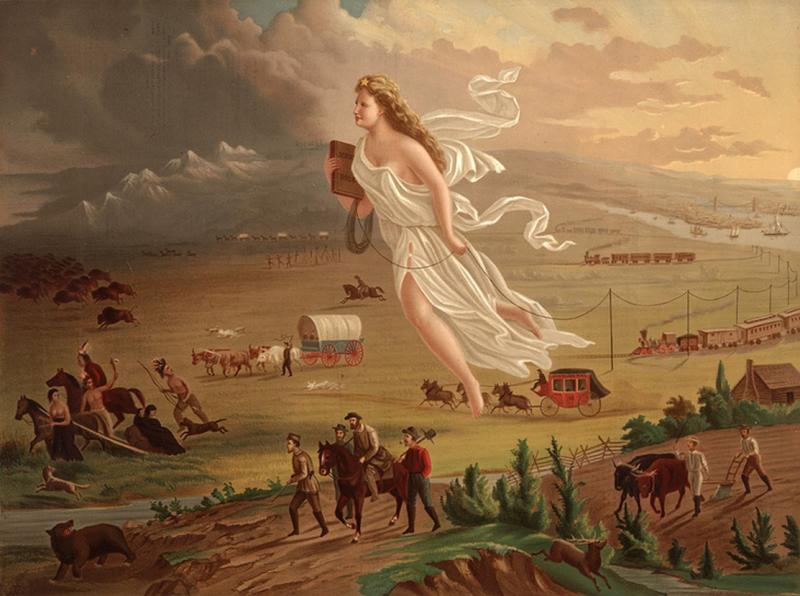
Have you ever wondered what year the idea of Manifest Destiny first took hold in America? Understanding this moment in history can change the way you see the growth of the United States.
It’s not just a date — it’s the start of a powerful movement that shaped the country’s future. You’ll discover the exact year Manifest Destiny began and why it mattered so much. Keep reading, and you’ll get a clear picture of how this idea influenced everything from politics to the map you know today.
Origins Of Manifest Destiny
The origins of Manifest Destiny trace back to a time when the United States was rapidly changing. This belief in the country’s destined expansion shaped much of the 19th century. Understanding where it began helps you see how ideas about land, power, and identity influenced the nation’s path.
Early 19th Century America
In the early 1800s, America was a young nation with big ambitions. The population was growing fast, and people were eager to move westward. You might wonder how this restless energy turned into a full-blown movement for expansion.
At this time, the U.S. had just acquired vast territories through purchases and treaties. The Louisiana Purchase in 1803 doubled the size of the country overnight. This opened up new opportunities but also raised questions about the nation’s future borders.
Influence Of Expansionist Ideas
Expansionist ideas didn’t appear out of nowhere—they were rooted in a mix of political, economic, and cultural factors. Many Americans believed the country had a special mission to spread its values across the continent. This belief gave them a sense of purpose and justification for taking new lands.
Think about how the promise of fertile land and new markets motivated people then. It’s similar to your own goals driving you toward new opportunities. These ideas were also spread through newspapers, speeches, and books, shaping public opinion rapidly.
Role Of Key Figures
Several leaders played critical roles in turning expansionist ideas into policy and action. Presidents like James K. Polk were strong advocates for extending America’s borders. Polk’s commitment to fulfilling the country’s “destiny” pushed the nation toward acquiring Texas, Oregon, and California.
Other figures, including politicians and writers, fueled the belief in Manifest Destiny. They convinced many that expansion was not just beneficial but necessary. Have you noticed how a few passionate voices can change the course of history? This was exactly the case with Manifest Destiny.
Credit: www.aspendailynews.com
Timeline Of Manifest Destiny
The timeline of Manifest Destiny charts a period of rapid expansion in the United States. This movement shaped the nation’s borders and influenced its future. Understanding key moments helps grasp its impact on American history.
Beginning Years
Manifest Destiny began in the 1840s. The term was first used in 1845 by journalist John L. O’Sullivan. It expressed the belief that the U.S. should expand westward across North America. Early settlers moved toward Oregon and Texas. This set the stage for major territorial growth.
Major Events And Milestones
- 1845: Annexation of Texas into the United States.
- 1846: Oregon Territory dispute settled with Britain.
- 1846-1848: Mexican-American War led to the Treaty of Guadalupe Hidalgo.
- 1848: U.S. gained California, Nevada, Utah, and parts of other states.
- 1853: Gadsden Purchase added land in present-day Arizona and New Mexico.
These events expanded U.S. territory by millions of square miles. They also heightened tensions over slavery and Native American lands.
End Of The Movement
By the late 1850s, Manifest Destiny slowed. The focus shifted to internal conflicts and the coming Civil War. The dream of continental expansion was largely complete. The U.S. now stretched from the Atlantic to the Pacific Ocean.
Impact On American Territory
The year associated with Manifest Destiny, primarily the 1840s, marked a turning point in American history that reshaped the nation’s borders and identity. The belief that the United States was destined to expand across the North American continent had a powerful impact on the country’s territory. This expansion influenced the economy, politics, and social structures in ways that still affect the U.S. today.
Westward Expansion
Westward expansion was the driving force behind the growth of the United States during the Manifest Destiny era. Settlers moved west in search of land, opportunity, and a fresh start. You might wonder how this movement changed your own state or community—many towns and cities owe their origins to this push westward.
The Oregon Trail and California Gold Rush are key examples of how people braved harsh conditions to claim new territory. This migration wasn’t just about land; it was about shaping the nation’s future and identity.
Acquisition Of New Lands
The United States gained vast new territories through treaties, purchases, and wars. Notable acquisitions include the annexation of Texas in 1845, the Oregon Territory settlement with Britain in 1846, and the Mexican Cession after the Mexican-American War in 1848.
These additions added millions of square miles to U.S. territory. Have you ever thought about how these lands impacted economic growth and political power? New resources, agricultural opportunities, and strategic advantages came with these lands.
Effects On Native American Populations
Expansion came at a severe cost to Native American tribes. Forced relocations, broken treaties, and violent conflicts disrupted their traditional ways of life. The Trail of Tears is a tragic example of the human cost behind territorial growth.
Understanding this impact helps you see the full picture of Manifest Destiny—not just the growth, but the price paid by indigenous peoples. How do you think the country might have developed differently if these populations had been respected and included?
Political And Social Consequences
The Manifest Destiny, a powerful belief in the 19th century that the United States was destined to expand across the North American continent, brought significant political and social changes. These changes reshaped the nation’s identity and affected its future direction in many ways. Understanding these consequences helps you see how a single idea can influence politics and society deeply.
Shifts In Political Power
The rapid expansion caused by Manifest Destiny shifted political power between regions. New territories meant new states, and each new state affected the balance in Congress.
Southern and Northern states competed to add more states that aligned with their interests. This struggle changed how laws were made and who controlled the government.
Have you ever thought about how adding just one state today could change political power? The same was true back then, but with much bigger stakes.
Debates Over Slavery
One of the biggest issues stirred by expansion was slavery. As new lands opened, the question arose: would these territories allow slavery?
This debate heightened tensions between free and slave states, pushing the nation closer to conflict. Every new territory risked upsetting the delicate balance between North and South.
Your views on fairness and rights might be challenged by how this historical debate unfolded. It shows how geography can influence deeply personal and moral issues.
Changes In American Society
The idea of Manifest Destiny also changed everyday life. People moved west in search of new opportunities, hope, and land.
This migration created diverse communities and new social challenges. It forced Americans to rethink identity, culture, and their place in a growing nation.
Think about how moving to a new place changes your life. Now imagine millions doing the same, shaping a country’s culture and future.
Legacy Of Manifest Destiny
The legacy of Manifest Destiny reaches far beyond the 19th century. It shaped the United States in many ways that still affect the country today. This belief fueled expansion but also brought deep challenges. Understanding its legacy helps us see how America grew and what it left behind.
Influence On Modern America
Manifest Destiny helped create the country’s physical shape. The U.S. stretched from the Atlantic to the Pacific. This expansion opened new lands for settlement and business. It also set the stage for economic growth and development. Many states owe their borders to this period. The idea of growth and opportunity remains part of the American spirit.
Historical Interpretations
Historians debate the true meaning of Manifest Destiny. Some see it as a positive force for progress and freedom. Others highlight the harm it caused to Native Americans and other groups. It involved war, displacement, and cultural loss. These views help us understand the complex past. They remind us to learn from history’s successes and failures.
Cultural Reflections
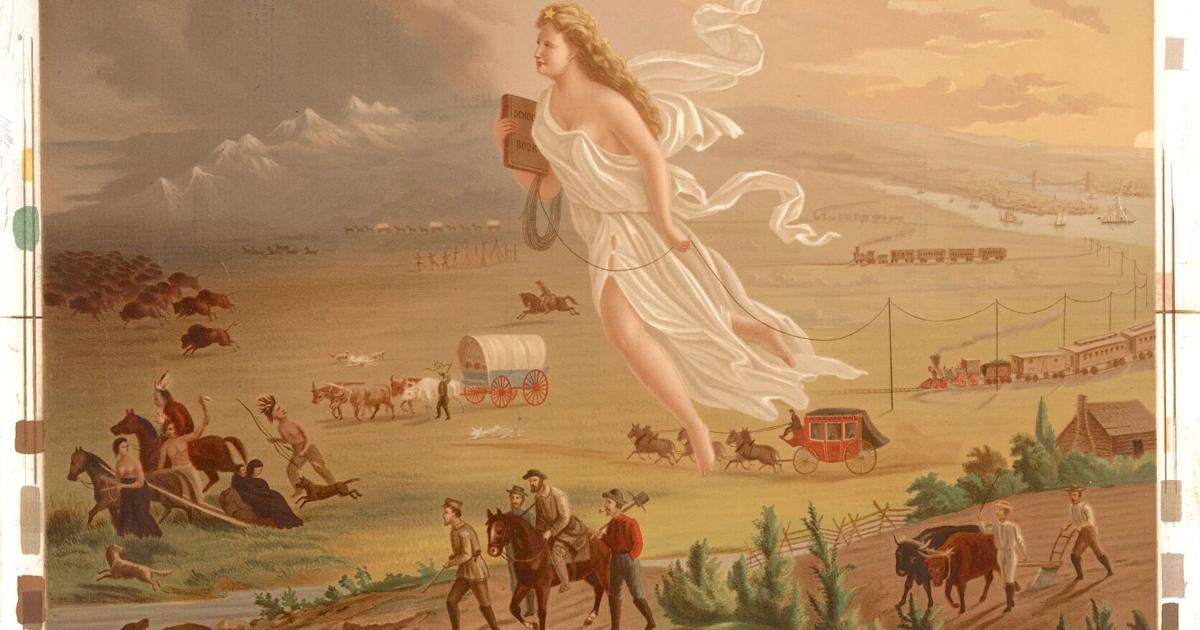
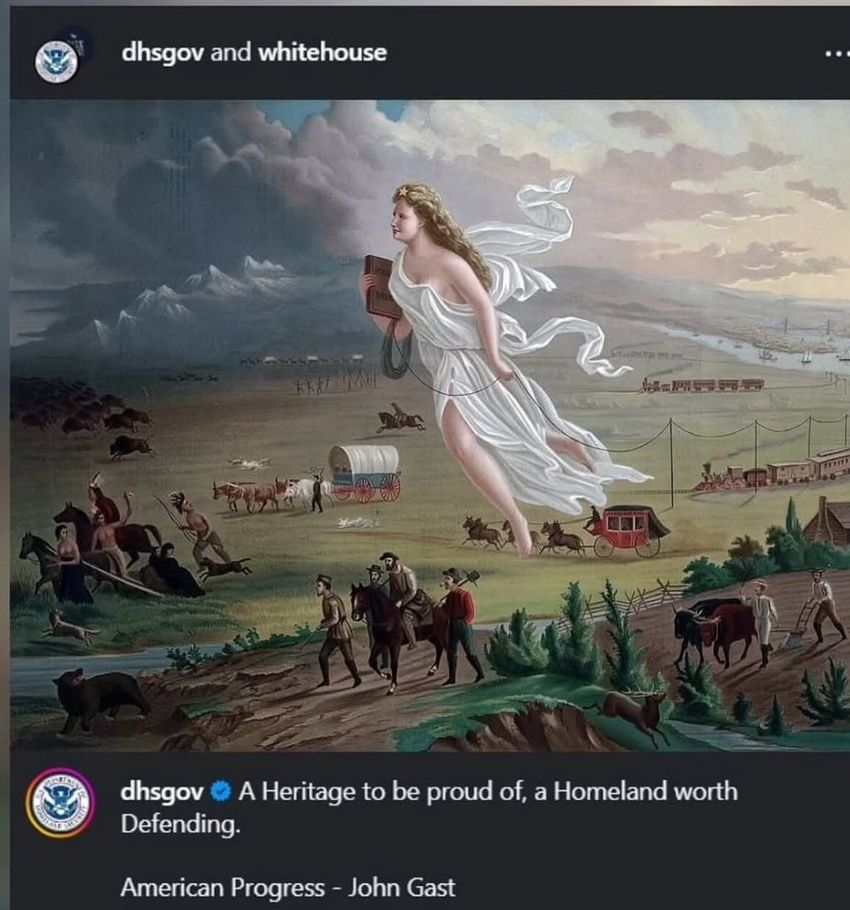
Manifest Destiny influenced art, literature, and popular culture. Paintings and stories often celebrated the frontier and new beginnings. This era inspired themes of adventure and courage. At the same time, it raised questions about justice and morality. Today, these cultural works help us explore American identity. They show both pride and pain linked to expansion.

Credit: www.instagram.com
Credit: m.facebook.com
Frequently Asked Questions
What Year Did Manifest Destiny Begin?
Manifest Destiny began around 1845. It was popularized by journalist John L. O’Sullivan. The term described the belief in U. S. expansion across North America.
When Was The Term “manifest Destiny” First Used?
The term “Manifest Destiny” was first used in 1845. John L. O’Sullivan coined it in his newspaper article. It captured the idea of American territorial expansion.
Which Year Marks The Peak Of Manifest Destiny?
The peak of Manifest Destiny was during the late 1840s. Key events include the 1846-1848 Mexican-American War. This war resulted in significant U. S. land acquisitions.
How Did Manifest Destiny Influence U.s. History In 1845?
In 1845, Manifest Destiny shaped U. S. policies. It justified westward expansion and territorial claims. This year marked the annexation of Texas and growing interest in Oregon.
Conclusion
Manifest Destiny began in the 1840s and shaped America’s growth. It pushed settlers west and changed the country’s map. Many people hoped for new opportunities and land. This idea caused both progress and conflict. Understanding its year helps us see how America grew.
The legacy of Manifest Destiny still affects the nation today. It reminds us of the hopes and struggles in U. S. History. Knowing this year gives clear insight into a key time. History comes alive through these important events.

Similar Posts