When Did the Manifest Destiny End: A Historical Insight
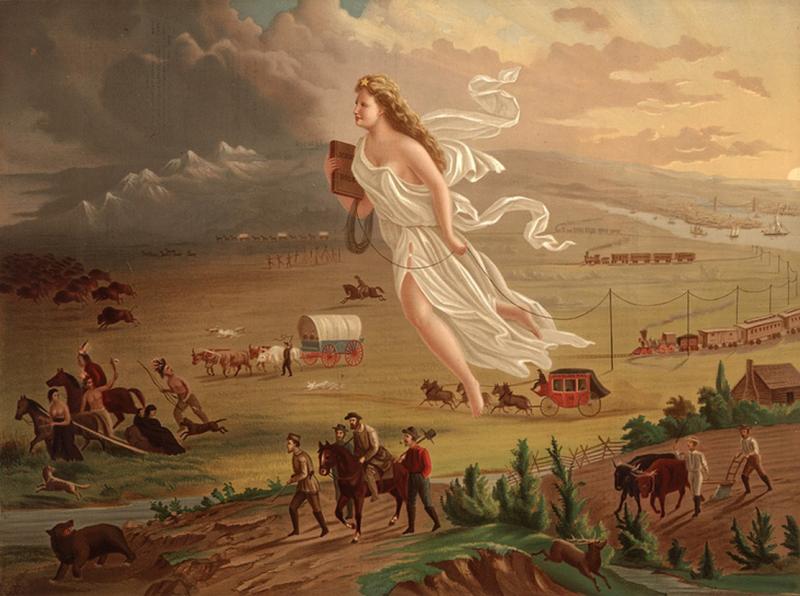
Have you ever wondered when the idea of Manifest Destiny came to an end? This powerful belief shaped much of America’s history, driving the country to expand coast to coast.
But every movement has its limits, and the story of Manifest Destiny is no different. Understanding when and why this era closed can change how you see America’s past—and its future. Keep reading, and you’ll discover the surprising moments that marked the end of this bold chapter in history.

Credit: ancestralfindings.com
Roots Of Manifest Destiny
Manifest Destiny was a powerful belief in 19th century America. It held that the United States was destined to expand across the continent. This idea shaped the nation’s policies and actions for decades. Understanding its roots helps explain why it grew so strong.
The belief was a mix of political, cultural, and social ideas. Many Americans saw expansion as a duty and a right. It promised new land, opportunity, and a chance to spread their way of life.
Origins In 19th Century America
Manifest Destiny began in the 1840s. It grew from earlier ideas about westward growth. The young nation wanted to settle lands beyond the Mississippi River. The Louisiana Purchase and Lewis and Clark’s expedition sparked interest in the West.
Newspapers and politicians popularized the idea. They described expansion as natural and good. This belief united many Americans behind territorial growth.
Key Figures And Supporters
- James K. Polk:The 11th president strongly supported expansion.
- John L. O’Sullivan:A journalist who coined the term “Manifest Destiny.”
- Politicians and settlers:They pushed for new states and land.
These figures made expansion a national goal. Their speeches and writings inspired many to support the cause.
Political And Cultural Motivations
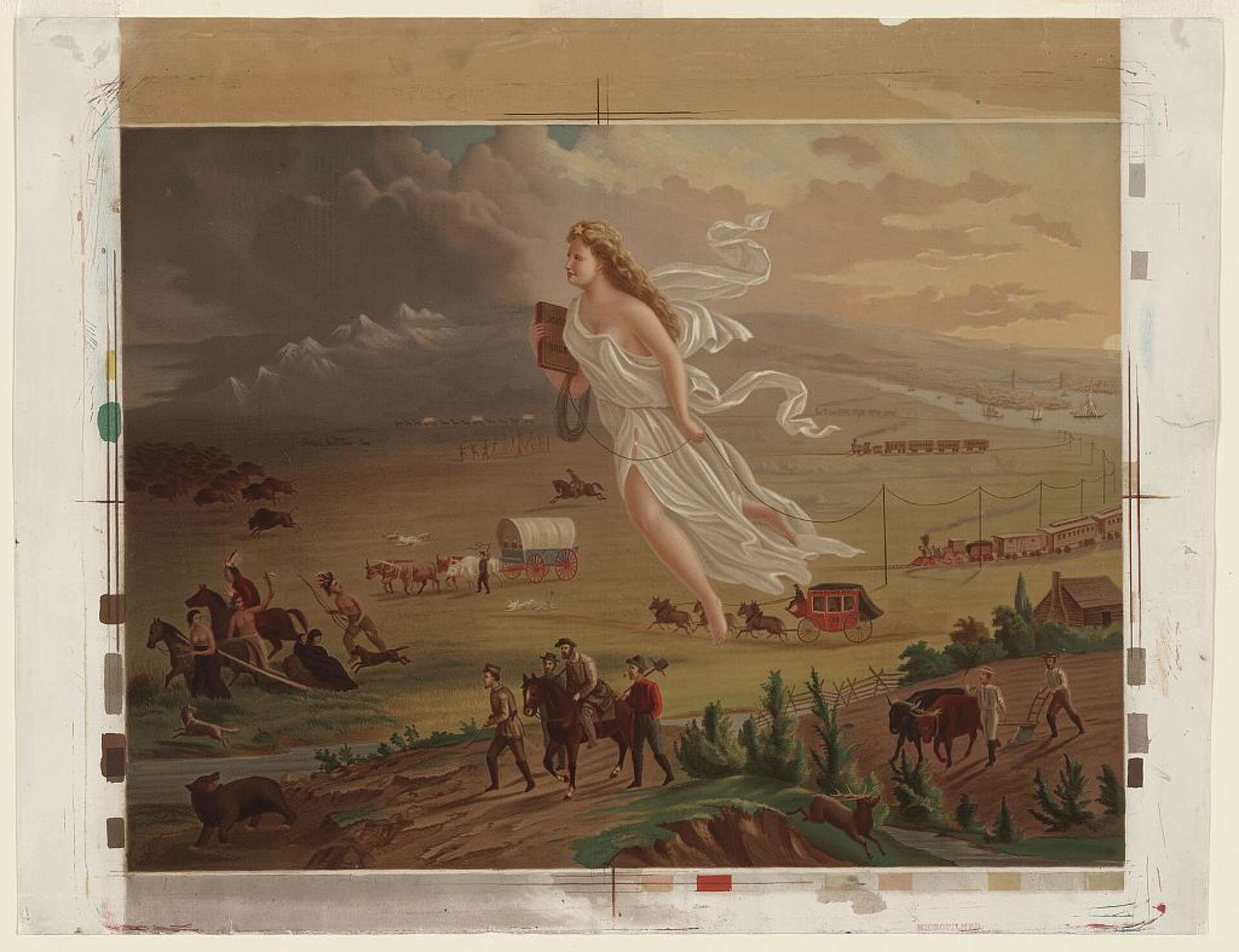
Many Americans believed expansion would spread democracy and freedom. They thought their culture was superior and should grow. Politically, new lands meant more power in Congress. It also gave the nation control of important resources.
Religion played a role. Some saw it as a mission to spread Christianity. Economic hopes also drove expansion. Farmers and businesses wanted new opportunities in the West.
Credit: www.houstonchronicle.com
Major Milestones In Expansion
The story of America’s westward expansion is marked by key moments that shaped the nation. These milestones show how the country grew in size and power. Each event brought new land, challenges, and opportunities. Understanding these steps helps us see when and how Manifest Destiny reached its peak.
Louisiana Purchase And Early Growth
The Louisiana Purchase in 1803 doubled the size of the United States. The U.S. bought land from France for $15 million. This huge area stretched from the Mississippi River to the Rocky Mountains. It opened vast new lands for farming and settlement. Early growth after this purchase set the stage for future expansion.
Texas Annexation And The Mexican-american War
Texas joined the United States in 1845, sparking tensions with Mexico. This led to the Mexican-American War from 1846 to 1848. The U.S. won and gained a large amount of land in the Treaty of Guadalupe Hidalgo. This included California, Arizona, and New Mexico. The annexation and war marked a major push toward the Pacific Ocean.
Oregon Trail And Northern Territories
The Oregon Trail was a key route for settlers moving west in the 1840s. Thousands traveled this path to reach Oregon and other northern lands. The U.S. and Britain agreed on the Oregon Territory border in 1846. This peaceful settlement added valuable northern land to the country. The trail and agreement helped secure the northern edge of the nation.
Turning Points In Expansion
The story of Manifest Destiny is marked by key moments that changed the course of American expansion. These turning points didn’t just stop the physical growth of the country—they shifted the way the nation saw itself and its future. Understanding these moments helps you see why Manifest Destiny ended and what came next.
Impact Of The Civil War
The Civil War was a major turning point. It put a pause on expansion as the country focused on internal conflict. The war exposed deep divisions over slavery and states’ rights, which made further expansion more complicated.
After the war, the focus shifted to rebuilding the nation. You could say the energy once used to add new land was redirected toward healing and uniting the states. This change slowed down any plans for new territories.
End Of Major Land Acquisitions
By the late 1800s, the U.S. had acquired most of the land it aimed for. The Louisiana Purchase, Texas annexation, Oregon Territory, and the Mexican Cession added vast areas. But after Alaska in 1867, there were no big new land deals.
This pause raises a question for you: What does it mean when a country stops growing by adding land? The focus turned inward, dealing with existing lands and states rather than chasing new ones. This marked a clear end to the era of rapid territorial expansion.
Shift In National Priorities
After expansion slowed, national priorities shifted toward industrial growth and urban development. The country started investing more in factories, railroads, and cities. This economic focus changed how Americans saw their future.
Instead of looking westward for opportunity, people began seeking prosperity in towns and industries. This shift affected your ancestors’ lives, as many moved to cities for work. It also influenced U.S. policies, moving away from land grabs to trade and diplomacy.

Credit: www.reddit.com
Legacy And Aftermath
The legacy and aftermath of Manifest Destiny shaped the United States in profound and lasting ways. Its impact went far beyond territorial expansion, influencing the lives of millions, the economy, and the national identity. Understanding these outcomes helps you grasp why this era still resonates today.
Effects On Native American Populations
Native American communities faced devastating consequences as Manifest Destiny pushed settlers westward. Land seizures, forced relocations, and violent conflicts uprooted many tribes from their ancestral homes.
You might wonder how these actions affected Native cultures. Many were forced to abandon traditions and adapt to new, often hostile environments. The Trail of Tears is a stark example of such suffering, showing how government policies prioritized expansion over human rights.
These events left a deep scar, influencing Native American relations with the U.S. government even now. How does this history shape your view on justice and reconciliation today?
Economic And Social Changes
Manifest Destiny accelerated economic growth by opening new lands for farming, mining, and trade. Towns and railroads sprang up, creating opportunities but also social tensions.
New wealth from gold rushes and agriculture attracted diverse groups, but inequality also grew. Some prospered while others, like displaced Native Americans and poor settlers, struggled to survive.
Think about how rapid expansion challenges communities. What lessons can you draw about balancing growth with fairness in your own community?
Manifest Destiny In American Memory
Manifest Destiny remains a powerful story in American culture, often seen as a symbol of progress and ambition. Yet, its darker sides are increasingly acknowledged in education and media.
This dual legacy invites you to reflect on how history is remembered and taught. Whose voices are included, and whose are left out? Your understanding of Manifest Destiny might change when you consider these perspectives.
By questioning the past, you can better appreciate the complexity of American identity and the ongoing impact of this era on today’s society.
Frequently Asked Questions
When Did Manifest Destiny Officially End?
Manifest Destiny largely ended by the late 19th century, around 1890. The U. S. frontier was declared closed, signaling the end of major territorial expansion.
What Events Marked The End Of Manifest Destiny?
The closing of the frontier, completion of continental U. S. borders, and the 1890 census declaration marked its end.
How Did Manifest Destiny Impact U.s. Borders?
Manifest Destiny expanded U. S. borders across North America, from the Atlantic to the Pacific, shaping the nation’s map.
Did Manifest Destiny End With The Spanish-american War?
Yes, the 1898 Spanish-American War shifted U. S. focus overseas, marking the decline of Manifest Destiny’s territorial ambitions.
Conclusion
Manifest Destiny ended as the United States reached its continental borders. The idea lost power after the Mexican-American War and the Oregon Treaty. Expansion slowed when people focused more on internal growth. The country’s attention shifted to industry and civil rights.
Manifest Destiny shaped America’s past but faded by the late 1800s. Its effects still show in history and culture today. Understanding this helps explain how the U. S. Grew to be what it is now. A clear turning point in American history, no doubt.

Similar Posts