When Was the Ostend Manifesto: Unveiling Its History
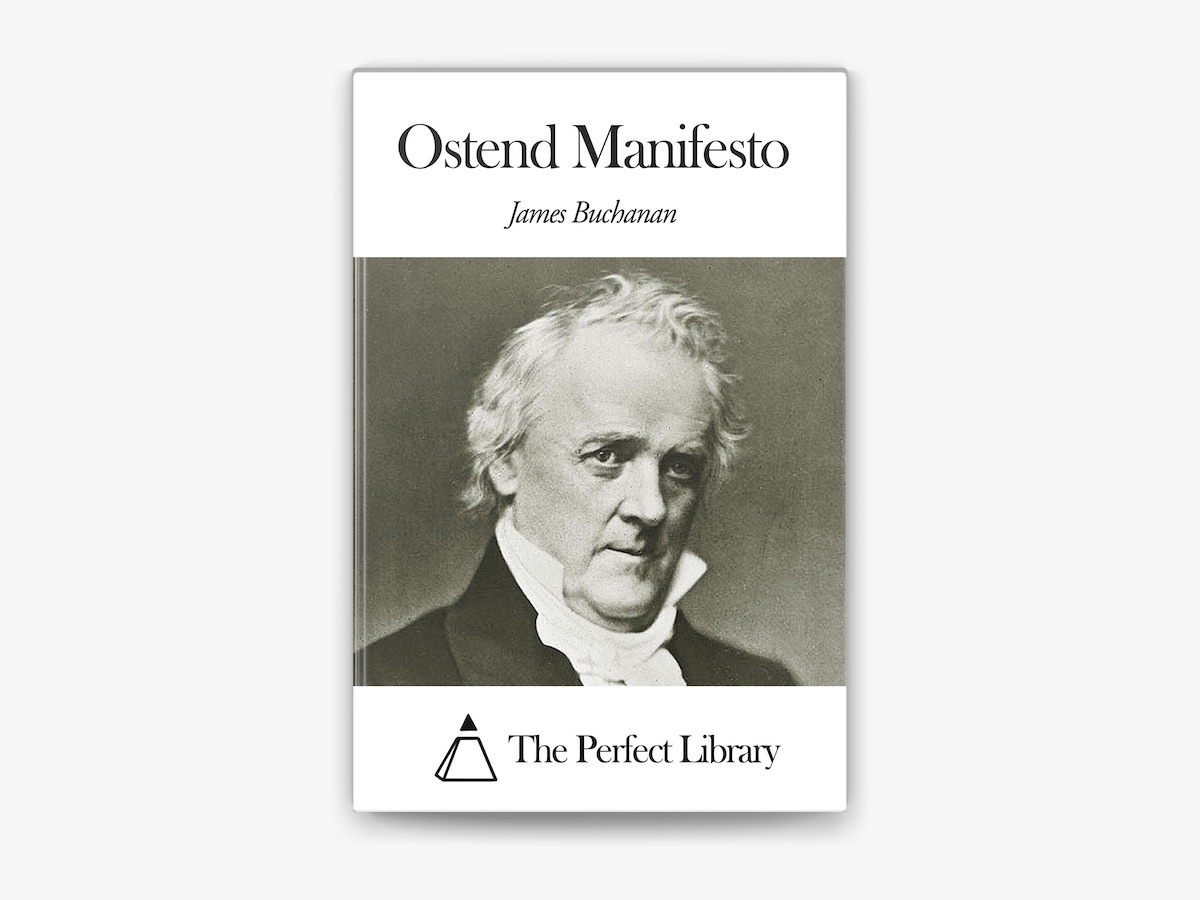
Have you ever wondered about the moment in history that sparked intense debate over America’s expansion and its role in global politics? The Ostend Manifesto is a key piece of that story.
But when was the Ostend Manifesto exactly, and why does it still matter today? Understanding the timing of this document can unlock a deeper insight into the political tensions and decisions that shaped a nation. Keep reading to discover the exact date and the powerful impact behind the Ostend Manifesto—this knowledge might change how you see a pivotal chapter in history.
Origins Of The Ostend Manifesto
The origins of the Ostend Manifesto lie in the tense political atmosphere of the mid-19th century. This document emerged from a desire to expand U.S. territory and influence. It reflected complex interests tied to slavery, diplomacy, and power. Understanding its background reveals why the manifesto caused controversy.
Political Climate In The 1850s
The 1850s were marked by growing division in America. The debate over slavery intensified across the nation. Southern states wanted to protect and expand slavery. Northern states opposed its spread into new territories. Many leaders sought ways to strengthen the South’s position.
Internationally, the U.S. aimed to increase its land. Cuba, then a Spanish colony, attracted much attention. Americans saw Cuba as a valuable addition for trade and agriculture. The possibility of acquiring Cuba stirred strong opinions in Washington.
Key Figures Behind The Manifesto
Several important politicians shaped the Ostend Manifesto. They met secretly in Ostend, Belgium, in 1854 to draft the document. These men were:
- James Buchanan – U.S. Minister to Britain, later president.
- John Y. Mason – U.S. Minister to France, experienced diplomat.
- Pierre Soulé – U.S. Minister to Spain, known for pro-Southern views.
Each played a vital role in pushing the idea to acquire Cuba. Their goal was to justify taking Cuba by force if Spain refused to sell. The manifesto reflected their belief that U.S. expansion was necessary for the nation’s future.

Credit: www.facebook.com
Drafting The Document
The drafting of the Ostend Manifesto marks a pivotal moment in American history. This document aimed to justify the United States’ interest in acquiring Cuba from Spain. It reflects the political tensions and expansionist ideas of the mid-19th century. The process of creating the manifesto involved careful planning and secret meetings among key diplomats. Understanding this phase helps to grasp the manifesto’s significance and its impact on U.S. foreign policy.
Meeting In Ostend
In October 1854, three American diplomats gathered in Ostend, Belgium. These men were Pierre Soulé, James Buchanan, and John Y. Mason. Their goal was to discuss the United States’ strategy regarding Cuba. The meeting was held in secrecy to avoid political backlash. They met in a small hotel, focusing on how to convince the U.S. government to act. Each diplomat brought unique ideas and insights to the discussion.
Main Objectives And Proposals
The Ostend Manifesto outlined clear aims for the U.S. government. It proposed that the U.S. should offer Spain $120 million to buy Cuba. If Spain refused, the manifesto suggested the U.S. could take Cuba by force. The document justified this by claiming Cuba was vital to U.S. security and interests. It also expressed fears that Cuba might fall into the hands of rival powers. The manifesto’s tone reflected a strong belief in American expansionism and power.
Date And Publication
The Ostend Manifesto is a significant document in American history. It outlines the United States’ interest in acquiring Cuba. The manifesto’s date and how it became public influenced its impact on politics and diplomacy.
Exact Timing Of The Manifesto
The Ostend Manifesto was written in October 1854. It was drafted by three American diplomats: James Buchanan, John Y. Mason, and Pierre Soulé. These men met in Ostend, Belgium, to discuss U.S. policy toward Cuba. The timing reflected growing tensions over slavery and territorial expansion in the United States.
How It Became Public
The manifesto was meant to be confidential. It instructed the U.S. government to offer $120 million for Cuba. If Spain refused, the document suggested the U.S. might take the island by force. Despite this, the manifesto leaked to the press in early 1854. Its publication caused outrage in the North and Europe. Many saw it as aggressive and imperialistic. The leak damaged diplomatic relations and increased sectional conflict in America.

Credit: www.facebook.com
Impact On U.s. Foreign Policy
The Ostend Manifesto had a significant impact on U.S. foreign policy during the mid-19th century. It revealed the aggressive stance some American leaders were willing to take to expand territory, especially concerning Cuba. This document influenced debates about American expansionism and highlighted the tensions between diplomatic negotiation and covert action.
Reactions In The United States
The Ostend Manifesto sparked intense debate across the country. Many Southern politicians supported the idea of acquiring Cuba as a new slave state, seeing it as a way to strengthen their political power. On the other hand, Northern abolitionists and moderates strongly opposed the manifesto, fearing it would lead to the spread of slavery and increased sectional conflict.
You might wonder how such a bold proposal could create such division. The manifesto exposed the deepening rift over slavery and expansion, which was already fueling tensions that would eventually lead to the Civil War.
International Response
Internationally, the Ostend Manifesto alarmed European powers, especially Spain and Britain. Spain saw it as a direct threat to its colonial interests, while Britain worried about increased American influence in the Caribbean. Both countries reacted with diplomatic pressure to prevent the United States from acting on the manifesto’s recommendations.
Have you ever thought about how a single document can shift international relations? The manifesto showed that U.S. foreign policy was not just about peaceful trade or alliances but could involve aggressive territorial ambitions that made other nations wary.
Legacy And Historical Significance
The Ostend Manifesto left a deep mark on American history. It revealed the strong desire of some Americans to expand their territory. The document showed how the U.S. government considered Cuba a vital piece for its future. It also exposed the tensions between different political groups in the U.S.
The manifesto pushed the debate about slavery and territorial growth into the spotlight. It made clear the aggressive ideas some leaders had about foreign policy. The reaction to the manifesto shaped how the U.S. interacted with other countries.
Effect On U.s.-cuba Relations
The Ostend Manifesto hurt trust between the U.S. and Cuba. Cuba saw the document as a threat to its independence. It made Cuban leaders wary of American intentions. The manifesto increased Cuban resistance to U.S. pressure.
Diplomatic talks became strained after the manifesto’s release. The U.S. appeared more willing to use force. This scared many in Cuba and Europe. The event slowed down peaceful negotiations for many years.
Role In Pre-civil War Tensions
The manifesto intensified conflicts between North and South in America. Southern leaders wanted Cuba to join as a slave state. Northern politicians saw this as a threat to free states. The debate added fuel to an already heated national argument.
It showed how expansion and slavery were deeply linked. The Ostend Manifesto became a symbol of the growing divide. It pushed the country closer to conflict and war. Many historians view it as one step toward the Civil War.
Credit: www.bridgemanimages.com
Frequently Asked Questions
When Was The Ostend Manifesto Created?
The Ostend Manifesto was created in 1854. It was a document written by U. S. diplomats advocating the purchase of Cuba from Spain.
What Was The Purpose Of The Ostend Manifesto?
The manifesto aimed to justify the U. S. acquisition of Cuba. It argued that the U. S. should buy or seize Cuba to protect its interests.
Who Authored The Ostend Manifesto?
The Ostend Manifesto was authored by three U. S. diplomats: James Buchanan, John Mason, and Pierre Soulé. They drafted it during a secret meeting in Ostend, Belgium.
Why Is The Ostend Manifesto Historically Significant?
It revealed aggressive U. S. expansionist policies before the Civil War. The manifesto intensified tensions between pro-slavery and anti-slavery factions in America.
Conclusion
The Ostend Manifesto was written in 1854. It showed the U. S. Desire to buy Cuba from Spain. The document caused many arguments between North and South. It revealed how tensions over slavery grew. The manifesto influenced American politics before the Civil War.
Understanding this helps explain U. S. Actions in that era. It remains an important part of history. This short note helps you remember the Ostend Manifesto’s date and impact.

Similar Posts