Is Manifestation Haram: Unveiling Truth in Islam

Have you ever wondered if manifestation fits within your faith? You might be curious about whether using manifestation techniques is halal or haram.
This question is more common than you think, and the answer can impact how you approach your goals and spirituality. You’ll discover what manifestation really means, how it aligns—or doesn’t—with Islamic teachings, and what you need to consider before practicing it.
Keep reading to get clear, straightforward insights that could change the way you think about manifesting your dreams.

Credit: www.instagram.com
Manifestation In Islamic Context
Understanding manifestation within an Islamic framework requires careful consideration of faith and practice. Manifestation, often linked to the Law of Attraction, emphasizes drawing desires into reality through focused intention and belief. But how does this align with Islamic teachings about fate, prayer, and reliance on Allah?
Origins Of Manifestation
The idea of manifestation has roots in various spiritual and philosophical traditions, many of which emphasize the power of the mind to shape reality. It gained popularity in modern culture through books and self-help movements focusing on positive thinking and visualization.
In contrast, Islamic belief centers on divine decree (Qadar) and the understanding that everything happens by the will of Allah. This raises important questions about where human intention fits in and whether manifestation practices contradict the concept of trusting God’s plan.
Common Practices And Beliefs
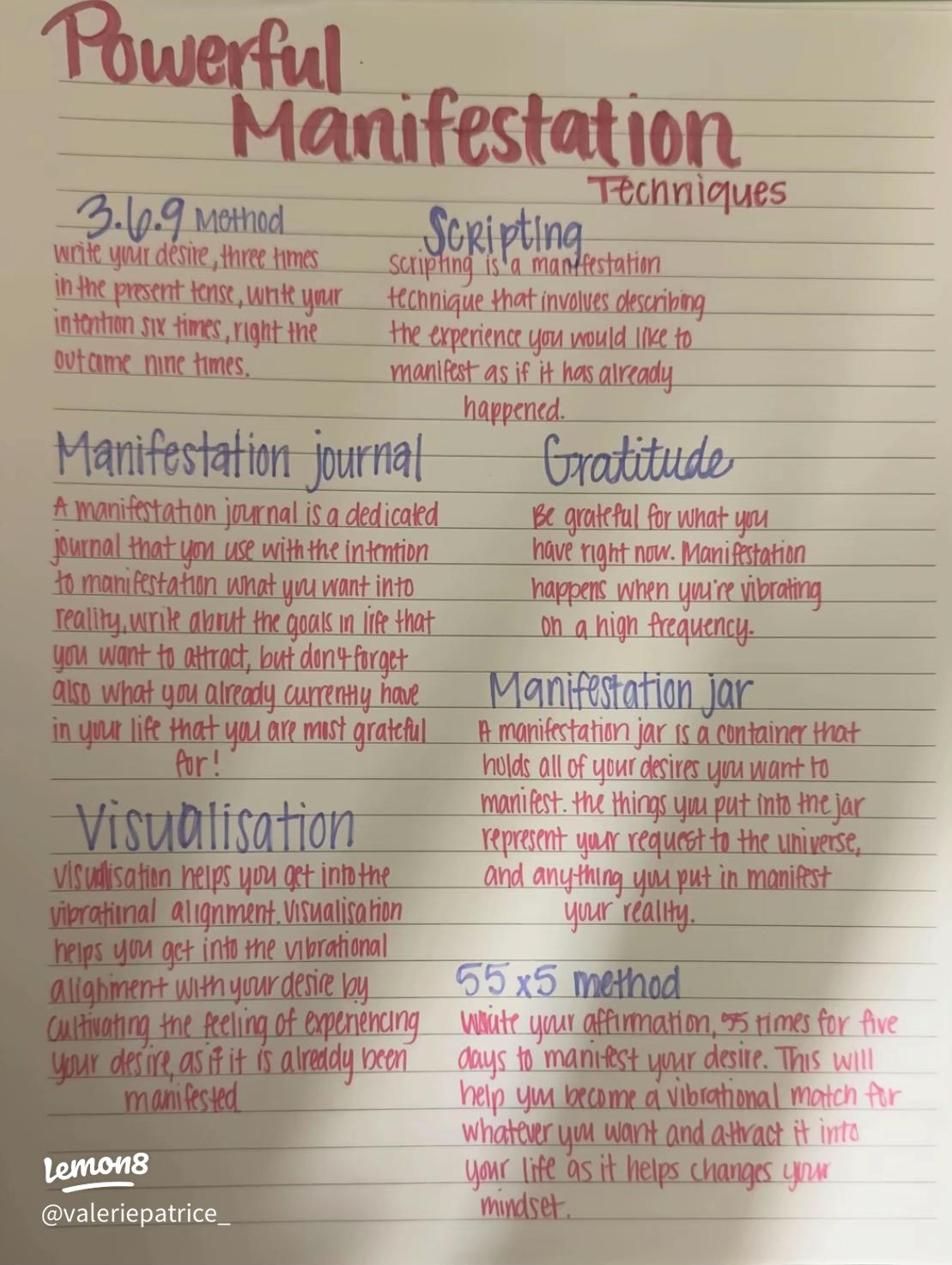
Manifestation often involves techniques like affirmations, vision boards, and meditation to align thoughts with desired outcomes. People believe that consistent focus and positive energy can attract success, health, or relationships.
- Repeating positive statements daily
- Visualizing goals as already achieved
- Using gratitude to enhance attraction
In Islam, prayer (Dua) and reliance on Allah (Tawakkul) play a similar role but with key differences. Instead of attempting to control outcomes through mental power alone, Muslims ask for guidance and provision, accepting whatever Allah decrees.
Have you ever reflected on whether your hopes are rooted in your efforts or in surrendering to a higher wisdom? This reflection might help you balance personal ambition with spiritual submission.

Credit: www.youtube.com
Islamic Principles On Seeking Outcomes
Understanding how Islamic principles guide the way you seek outcomes can clarify many doubts about manifestation practices. Islam encourages hope and effort but places ultimate trust in Allah’s wisdom and timing. This balance between action and reliance shapes how you approach your goals and desires.
Role Of Dua And Prayer
Dua, or supplication, is a direct way to communicate with Allah. It reflects your sincere hope and dependence on Him for your needs. Making dua is not just about asking; it’s about building a relationship with Allah and showing your trust in His plan.
You can make dua at any time, but certain moments are considered more blessed, like after prayers or during the last third of the night. When you pray, focus on your intentions clearly and genuinely. This personal connection often brings peace, regardless of the immediate outcome.
Reliance On Divine Will
Islam teaches that while you should work hard and take steps toward your goals, the final result is always in Allah’s hands. This concept, known as “tawakkul,” means trusting that Allah knows what’s best for you. It challenges you to balance effort with patience and acceptance.
Have you ever worked hard on something only to see it fail? Tawakkul helps you cope with disappointment by reminding you that every outcome serves a greater purpose. This trust doesn’t mean passivity; it encourages you to do your best and leave the rest to Allah.
Reflect on your own experiences. How does putting your trust in divine will change your approach to challenges? This mindset can reduce anxiety and increase resilience, helping you move forward with confidence.
Scholarly Opinions On Manifestation
Scholars have diverse opinions on whether manifestation aligns with Islamic principles. Their views often depend on how manifestation is practiced and understood in relation to faith and reliance on Allah. Understanding these perspectives can help you decide how to approach manifestation within your own beliefs.
Supportive Views
Some scholars see manifestation as a way to strengthen your intention and focus on positive goals, as long as you recognize that ultimate power belongs to Allah. They argue that setting clear goals and maintaining hope can motivate you to take practical steps toward success.
These scholars highlight that manifestation, when combined with sincere prayer (du’a) and trust in Allah’s plan, can be a form of positive thinking encouraged in Islam. You might find that this approach helps you stay hopeful without falling into unrealistic expectations.
- Manifestation as a tool to clarify your goals and intentions
- Encouragement to keep a positive mindset backed by faith
- Emphasis on combining manifestation with prayer and action
Critical Perspectives
Other scholars warn that manifestation can be problematic if it implies controlling fate or ignoring Allah’s will. They caution against believing that thoughts alone can change reality without sincere reliance on God.
These critics often stress that manifestation could lead to arrogance or shirk (associating partners with Allah) if one places excessive trust in personal power. They encourage focusing on prayer, patience, and accepting divine decree rather than trying to “force” outcomes.
- Concerns about overestimating human control over destiny
- Warnings against replacing sincere prayer with manifestation techniques
- Advice to avoid beliefs that contradict tawheed (the oneness of Allah)
What do you think is the balance between using your mindset to improve your life and maintaining trust in divine guidance? This question invites you to reflect on your own beliefs and practices when it comes to manifestation.
Potential Risks Of Manifestation Practices
Manifestation practices may appear harmless, but they carry certain risks, especially in religious contexts. Some beliefs see these practices as conflicting with core teachings. People might face confusion or spiritual harm by engaging in them without clear understanding. Exploring these risks helps clarify why some question the permissibility of manifestation.
Associations With Shirk
Shirk means associating partners with God, a major sin in Islam. Manifestation often involves believing in unseen forces or powers besides God. This belief can lead to worship or trust in things other than Allah. Such reliance contradicts Islamic teachings about God’s unique control over all matters. This connection raises concerns about whether manifestation promotes shirk unknowingly.
Misguidance And False Hopes
Manifestation can create unrealistic expectations. People may believe their desires will come true just by thinking positively. This idea can lead to disappointment and loss of faith when results do not appear. It may also distract from taking practical steps or trusting God’s plan. False hopes may cause emotional stress and weaken spiritual resilience over time.
Alternatives Encouraged In Islam
Islam offers clear guidance on how to seek blessings and success. Instead of relying on manifestation, it encourages believers to adopt actions rooted in faith and trust. These alternatives align with Islamic teachings and provide a balanced approach to achieving goals.
Trusting In Allah’s Plan
Believers are taught to trust Allah’s wisdom and timing. Everything happens according to His plan, which is always for the best. Trust brings peace and reduces worry about the future. It means accepting outcomes, even if they differ from personal desires.
Active Effort And Patience
Islam stresses the importance of working hard while being patient. Success requires effort, not just hope or wishful thinking. Patience helps in facing challenges without losing faith. This balance between action and trust is key to achieving goals.
Balancing Faith And Aspirations
Balancing faith and personal goals is important in Islam. It helps keep your heart sincere and your actions right. Dreams and hopes are part of life, but they should never replace trust in Allah. Islam guides believers to seek good things with prayer and effort. At the same time, it warns against relying on ideas that clash with faith.
This balance keeps your intentions pure and your faith strong. It allows you to aim high while remembering Allah’s control over all outcomes. Understanding how to set goals within Islamic teachings supports this harmony.
Setting Intentions In Islam
Intentions matter deeply in Islam. Every action is judged by its intention. Before asking for something, make your goal clear and honest to Allah. Ask for what is good and beneficial for your life and others.
Pray sincerely and believe that Allah hears you. Combine prayer with effort—work hard and trust Allah’s plan. This shows faith and responsibility together.
- Make your goals pure and for good reasons.
- Pray and ask Allah for guidance.
- Take steps to achieve your goals with effort.
- Be patient and trust Allah’s timing.
Avoiding Superstition
Islam warns against superstition and false beliefs. Manifestation can sometimes lead to these if it ignores Allah’s will. Avoid practices that claim to control fate without Allah’s permission.
Focus on dua (supplication) and sincere effort. Do not rely on charms, magic, or meaningless rituals. These take away from true trust in Allah.
- Believe only in Allah’s power and control.
- Use dua to ask for help and guidance.
- Work hard while trusting Allah’s decisions.
- Stay away from superstitious or forbidden acts.

Credit: www.instagram.com
Frequently Asked Questions
Is Manifestation Allowed In Islam?
Manifestation is debated in Islam. Some scholars see it as positive goal-setting. Others view it as relying on unseen powers, which is discouraged. Always align intentions with Islamic teachings and trust Allah’s will for outcomes.
How Does Manifestation Relate To Islamic Beliefs?
Manifestation may conflict with Islamic belief in divine decree (Qadr). Islam emphasizes praying and effort while accepting Allah’s plan. Manifestation’s focus on controlling outcomes can contradict reliance on Allah’s wisdom.
Can Manifestation Be Considered Shirk In Islam?
Manifestation is not shirk if it involves sincere prayer and effort. However, believing in supernatural powers besides Allah is shirk. Avoid practices that attribute power to anything other than Allah.
What Is The Islamic Alternative To Manifestation?
Islam encourages dua (supplication), tawakkul (trust in Allah), and hard work. These practices align with faith and divine reliance. They provide a balanced approach to achieving goals without contradicting Islamic principles.
Conclusion
Manifestation depends on intention and belief. Some see it as positive thinking. Others worry it may conflict with faith. Islam teaches trust in God’s plan above all. Using hope and effort is encouraged. Avoid expecting results without action or prayer.
Balance dreams with reality and spirituality. Reflect on personal beliefs before practicing manifestation. Stay true to your faith and values. This helps keep your heart and mind clear. Choose what feels right for your soul.

Similar Posts