What Belief was behind Manifest Destiny: Unveiling Ideals
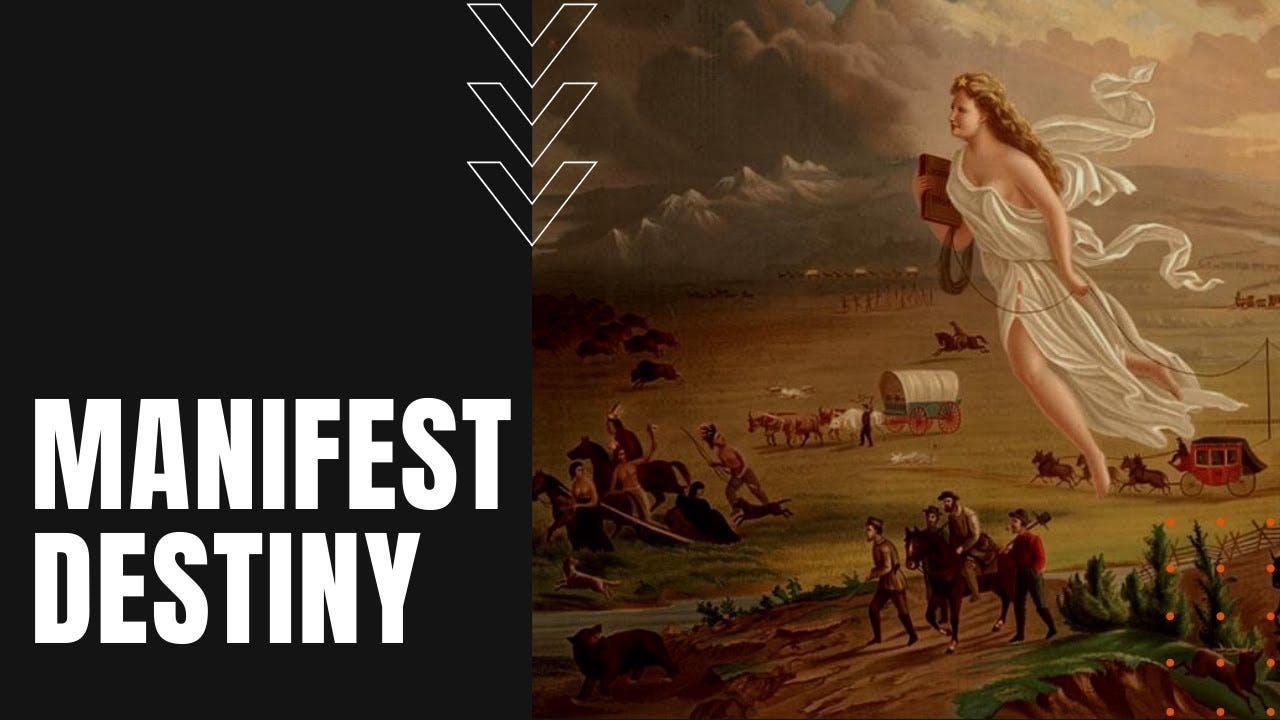
Have you ever wondered what ideas drove Americans to expand across a vast continent? The belief behind Manifest Destiny wasn’t just about land—it was about a vision, a promise, and a powerful sense of purpose.
Understanding this belief helps you see how it shaped history and still influences the world today. Keep reading to uncover the story behind Manifest Destiny and how this powerful idea fueled a nation’s quest for growth and greatness.
Credit: www.fastcompany.com
Roots Of Manifest Destiny
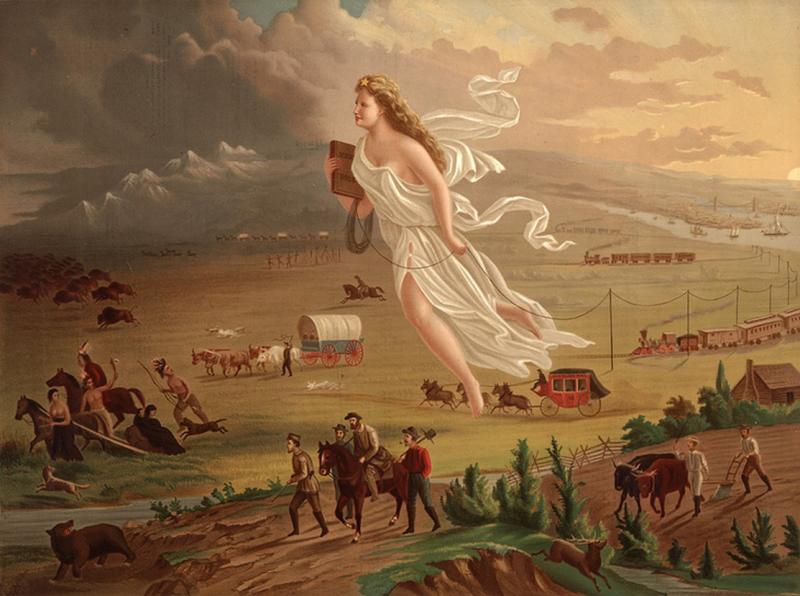
Manifest Destiny grew from deep beliefs held by early Americans. It was more than just a plan to expand land. It was a strong idea about the nation’s future and role in the world. These beliefs had different sources—history, religion, and politics shaped them.
Understanding these roots helps explain why Manifest Destiny felt so natural to many people. It was a mix of hope, faith, and power.
Early American Expansionism
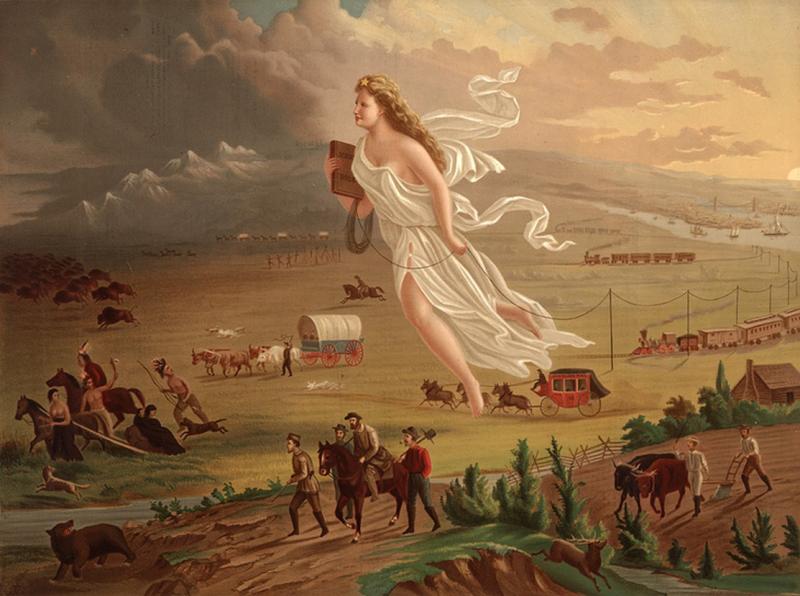
From the start, Americans believed in growing their country’s borders. The first settlers moved west to find new land. Each generation pushed further beyond the original colonies. This movement was seen as a sign of progress and success.
The idea of expansion was tied to the belief that the United States had a right to more land. People thought this growth was part of the nation’s destiny.
Religious Influences
Many Americans believed God supported their expansion. They saw the United States as a chosen nation with a special mission. This mission included spreading freedom and Christianity.
Religious leaders often said that expanding west was a way to bring light to new lands. This belief gave moral strength to the idea of Manifest Destiny.
Political Motivations
Leaders used Manifest Destiny to unite the country and gain power. Expanding territory meant more resources and influence. Politicians argued that growth would make the nation stronger and safer.
Some also saw expansion as a way to spread democracy. They believed the American political system should reach new areas and people.
Credit: www.fastcompany.com
Core Ideals Driving Expansion
The belief behind Manifest Destiny was fueled by a set of core ideals that justified and propelled the expansion of the United States across the continent. These ideas were not just political or economic; they were deeply rooted in a sense of mission and identity. Understanding these core ideals helps you see why so many Americans felt destined to spread their way of life.
Destiny And Divine Right
Many Americans believed their expansion was preordained by a higher power. This sense of divine right gave them confidence that they were fulfilling a sacred mission. It wasn’t just land they were claiming—it was a destiny written in the stars.
Have you ever felt so sure about a choice that it felt like fate? This belief in destiny made the push west seem not only natural but necessary.
Cultural Superiority
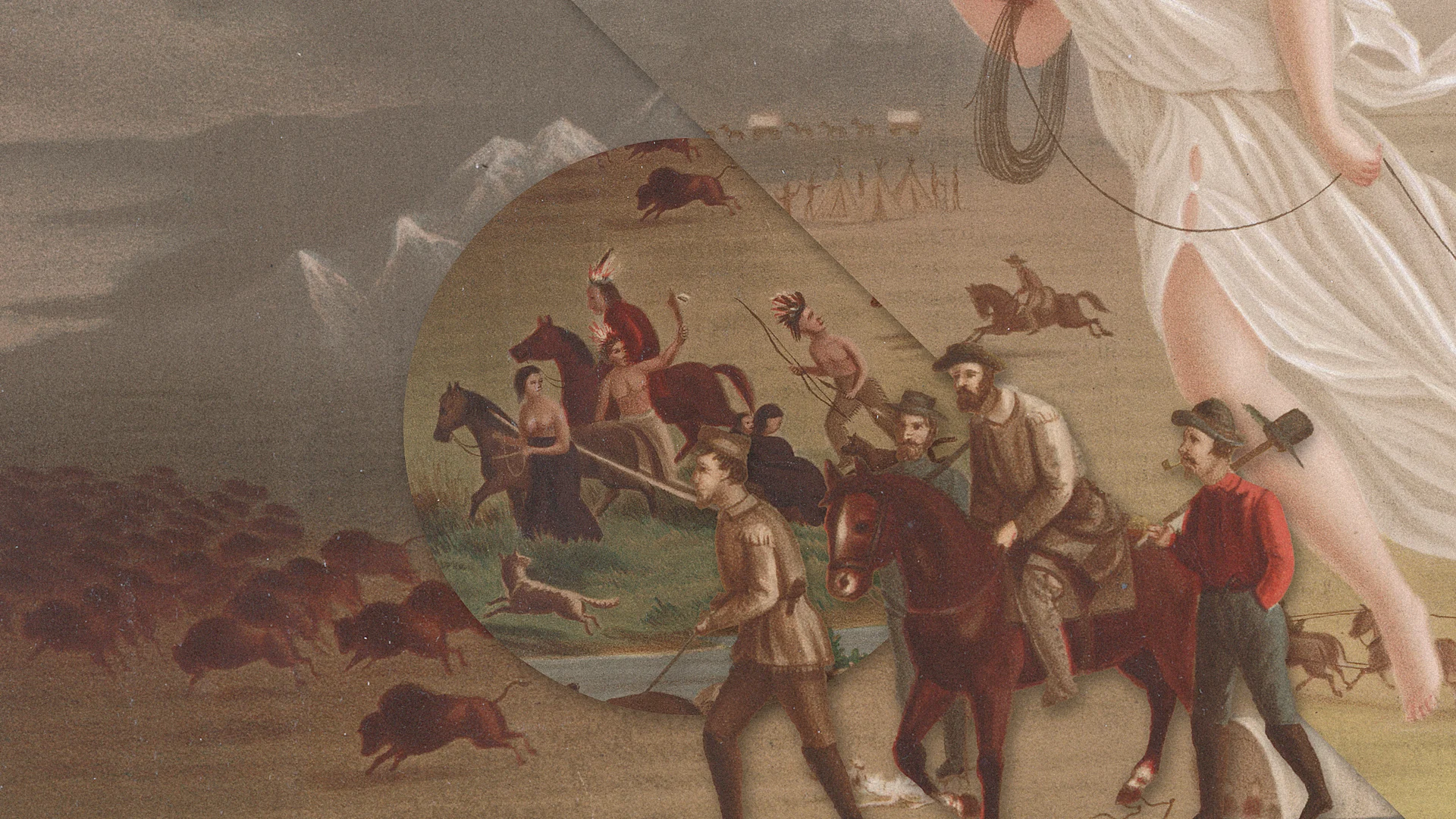
There was a widespread belief that American culture, values, and political systems were superior to those of the Native Americans and other inhabitants. This idea justified taking land and imposing new ways of life.
Think about how you might react if you believed your way was better—would you try to share it or impose it? Many at the time saw expansion as a duty to “civilize” new territories.
Economic Ambitions
Economic opportunities were a major driving force behind Manifest Destiny. Land meant wealth through farming, mining, and trade, attracting settlers eager to improve their lives.
Imagine the excitement of starting fresh with new resources and chances. This practical incentive made the idealistic beliefs even more powerful and urgent.
Impact On Indigenous Peoples
The belief behind Manifest Destiny led to profound effects on Indigenous peoples. It justified expanding U.S. territory at the expense of Native American lands. This caused many hardships and changes for Indigenous communities.
Loss of land disrupted their way of life. Native peoples faced forced removal and violent conflicts. Their cultures, traditions, and rights were deeply threatened. These impacts shaped Native American history for generations.
Displacement And Conflict
Manifest Destiny pushed Native Americans off their ancestral lands. The U.S. government used treaties and force to claim territory. Many tribes were forced to move west or to reservations.
Violent clashes broke out between settlers and Indigenous groups. These conflicts caused loss of life and destruction of communities. Native peoples struggled to protect their homes and resources.
Cultural Erasure
The expansion aimed to replace Native cultures with Euro-American ways. Indigenous languages, religions, and customs were suppressed. Boarding schools forced Native children to abandon their heritage.
This cultural erasure harmed Native identity and community bonds. Many traditions were lost or hidden to survive. The impact of this loss is still felt today.
Resistance Movements
Native peoples resisted in many ways. Some fought battles to defend their land and freedom. Others used diplomacy or legal means to challenge U.S. policies.
Resistance kept Native cultures alive despite pressure to conform. Stories of bravery and resilience continue to inspire today. Their struggles highlight the costs of Manifest Destiny’s belief.
Manifest Destiny And National Identity
The belief behind Manifest Destiny was deeply tied to how Americans saw themselves and their country’s place in the world. It wasn’t just about land or power—it was about a sense of mission and identity. This belief shaped the idea that the United States was meant to spread freedom and democracy across the continent, influencing how people thought about their nation’s purpose and future.
Shaping American Exceptionalism
Manifest Destiny helped build the idea that America was unique and superior. This sense of exceptionalism made many believe that the U.S. had a special role to play in history. It wasn’t just expansion for growth; it was about spreading values like liberty and progress.
Consider how this belief affected your view of America’s role globally today. Do you think this mindset still influences policies and attitudes? Understanding this helps explain many national decisions and attitudes.
Influence On Politics And Policy
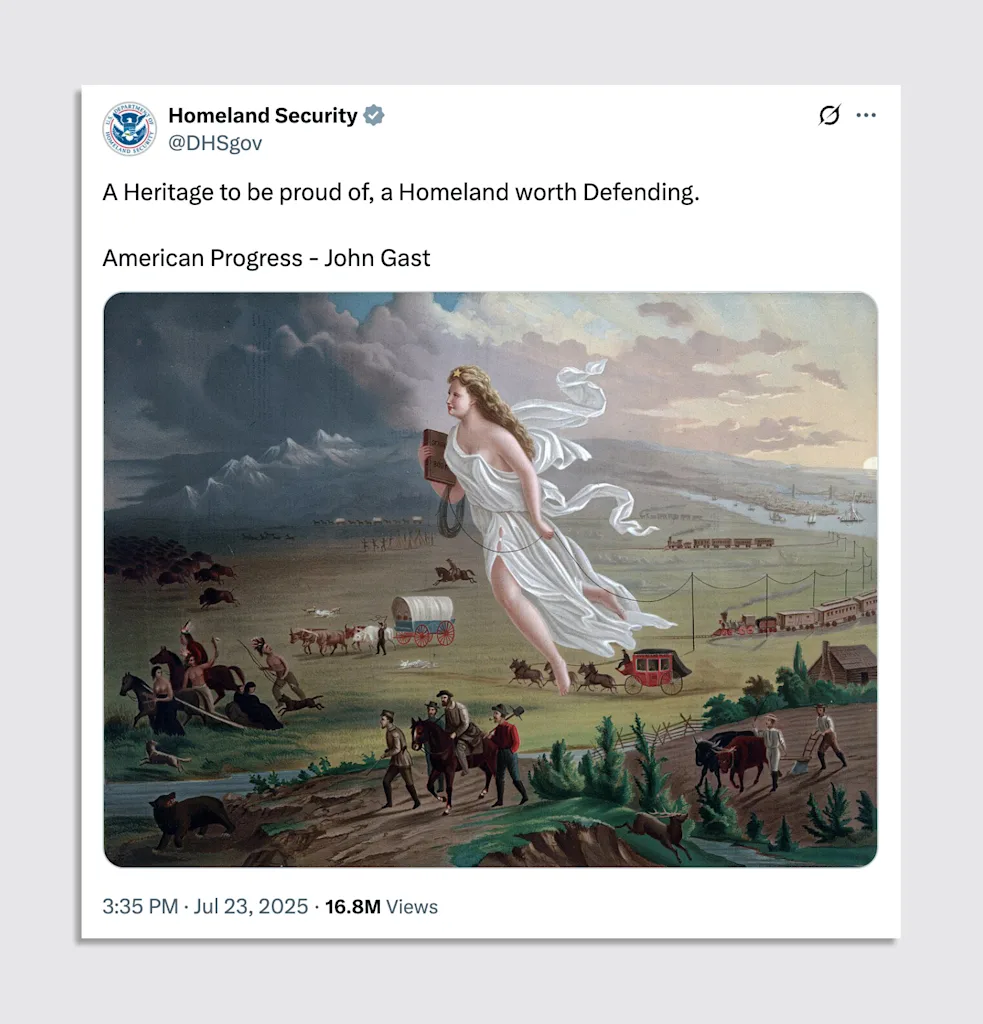
Manifest Destiny wasn’t just a cultural idea; it shaped real political actions. Leaders used this belief to justify wars, treaties, and laws that expanded the country’s borders. It affected policies on Native Americans, immigration, and statehood.
This belief often caused conflicts between different groups with opposing views. Think about how today’s political debates sometimes echo these historical tensions. What lessons can you draw about how beliefs shape policy?
Legacy In Modern America
The impact of Manifest Destiny still shows in modern America’s identity and debates. The idea of expansion evolved into discussions about influence and leadership beyond physical borders. It also left a mixed legacy, including issues of inequality and cultural clashes.
Reflect on how this legacy affects your community or country. Are there aspects of this belief that you see shaping modern attitudes or policies? Recognizing this helps you understand ongoing challenges and opportunities.

Credit: www.yahoo.com
Frequently Asked Questions
What Was The Core Belief Behind Manifest Destiny?
The core belief was that the United States was destined to expand across North America. This idea promoted spreading democracy and civilization. It justified territorial growth as a divine right and national mission during the 19th century.
How Did Manifest Destiny Influence American Expansion?
Manifest Destiny fueled westward expansion by encouraging settlers and government policies. It motivated acquiring lands like Texas, Oregon, and California. This belief shaped U. S. politics, leading to conflicts and treaties that expanded the nation’s borders.
Did Manifest Destiny Involve Any Religious Beliefs?
Yes, Manifest Destiny included a strong religious element. Many believed God ordained the U. S. to spread Christianity and freedom. This divine mission reinforced the moral justification for expanding territory and displacing Native Americans.
What Impact Did Manifest Destiny Have On Native Americans?
Manifest Destiny led to the displacement and suffering of Native American tribes. Expansionist policies ignored their rights and resulted in loss of land, culture, and lives. This belief prioritized American growth over indigenous peoples’ welfare.
Conclusion
The belief behind Manifest Destiny shaped America’s growth. It pushed people west with hope and pride. Many thought it was their right to expand land. This idea changed the country’s history forever. People wanted freedom, opportunity, and a better life.
Manifest Destiny shows how strong beliefs can drive change. It also reminds us to think about the impact of ideas. History teaches us lessons about progress and fairness. This belief shaped the past and still matters today.

Similar Posts