What Did Manifest Destiny Do: Shaping America’s Fate
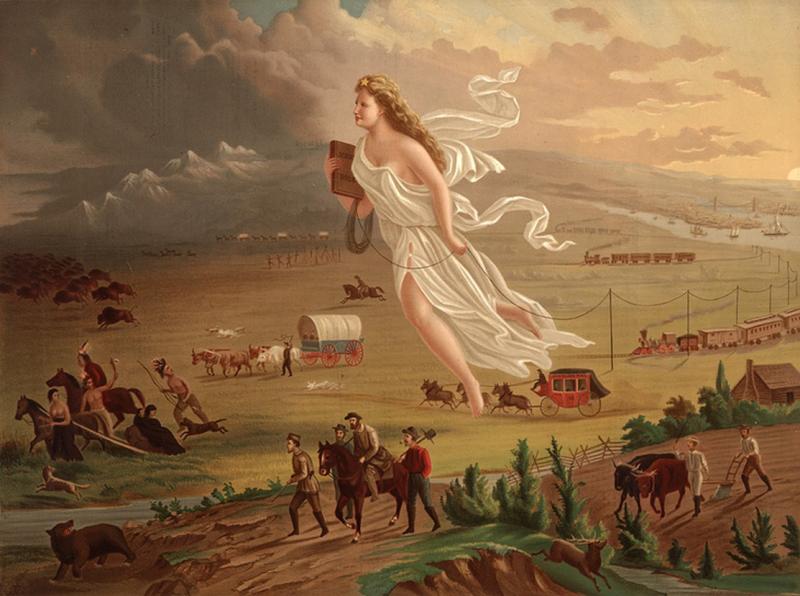
Have you ever wondered how the United States grew from a small group of colonies into a vast nation stretching from coast to coast? The answer lies in a powerful idea called Manifest Destiny.
But what did Manifest Destiny really do? It changed the course of history, reshaped the land, and affected millions of lives. You’ll discover how this belief fueled expansion, sparked conflicts, and set the stage for the country you know today.
Keep reading, and you’ll see why Manifest Destiny matters more than you might think.
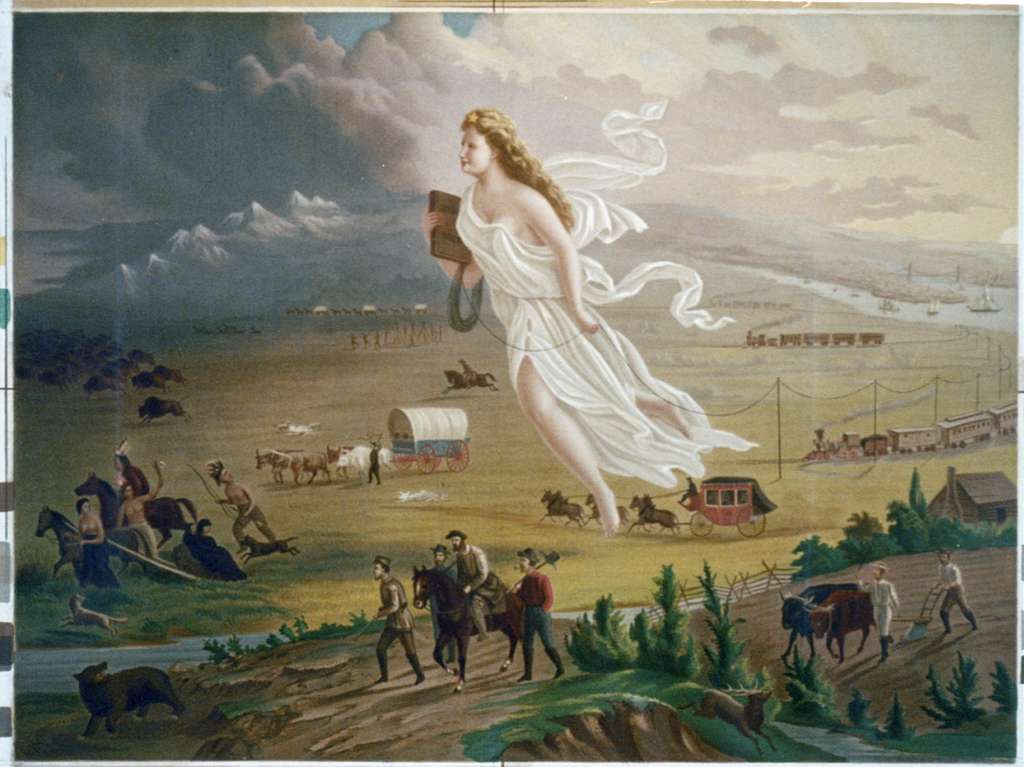
Credit: owlcation.com
Roots Of Manifest Destiny
The roots of Manifest Destiny lie deep in America’s early history. This belief shaped the nation’s growth and identity. It pushed the country to expand its borders westward. Understanding these roots helps explain why Manifest Destiny became so powerful.
Origins And Ideology
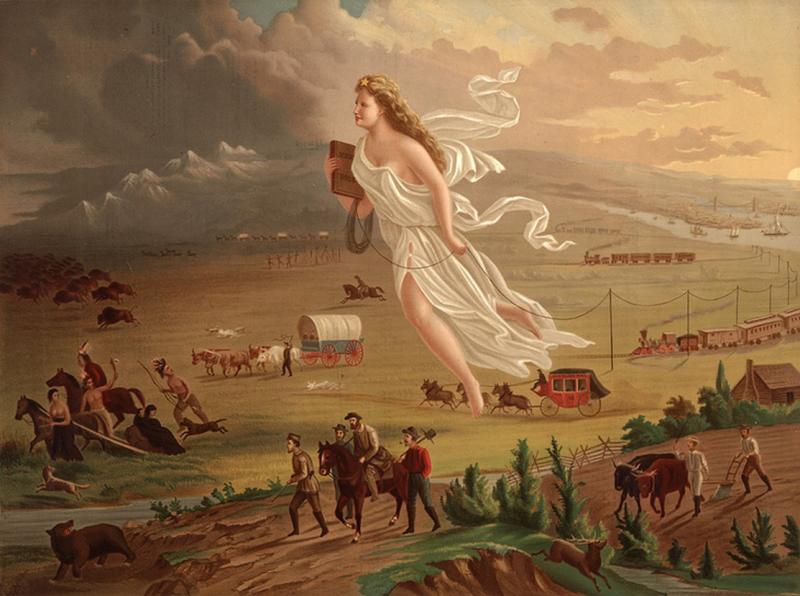
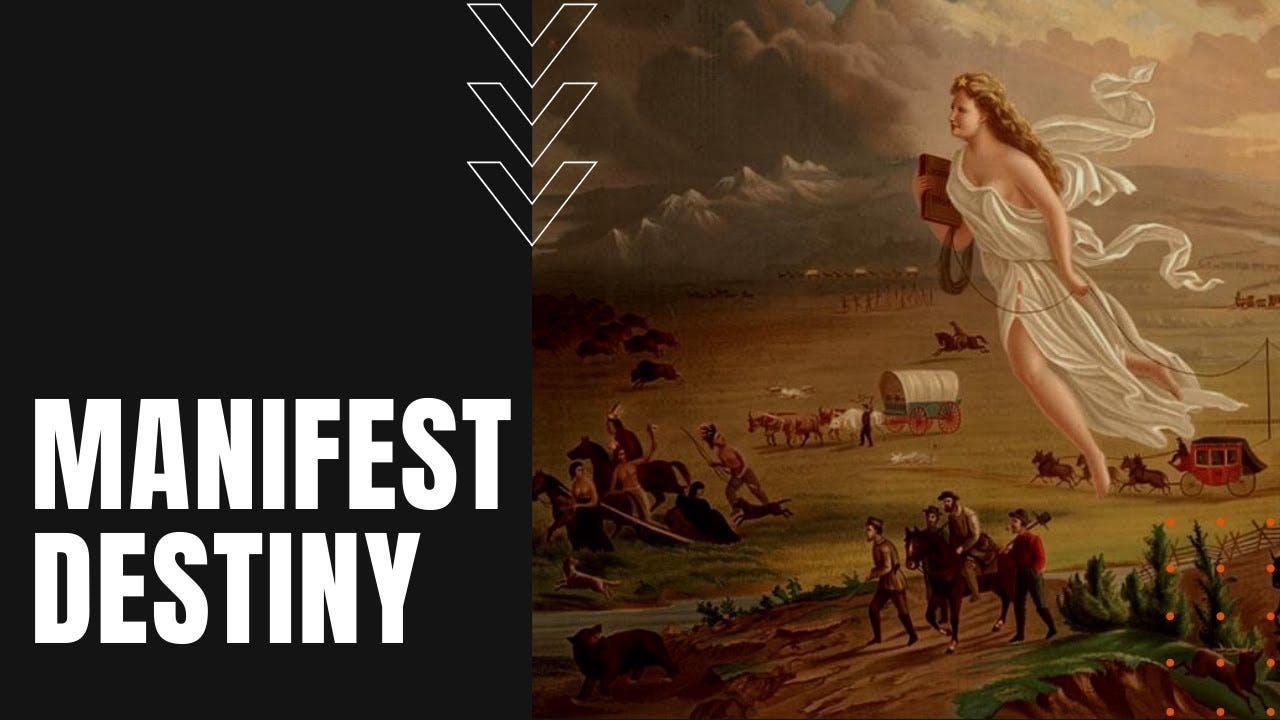
Manifest Destiny began in the 1840s as a strong idea. It said the United States had a mission to spread its culture and government. Many people believed it was their duty to bring democracy and freedom to new lands.
This belief mixed with a sense of American exceptionalism. Many thought the U.S. was chosen by God to lead the world. It created a feeling that expansion was both natural and right.
Influence Of Expansionism
Expansionism had long influenced American politics and society. Early settlers pushed west in search of land and opportunity. The Louisiana Purchase and other land deals encouraged growth.
As settlers moved west, the idea of Manifest Destiny grew stronger. It helped justify actions like war and treaties to gain new territory. Expansionism gave the nation a clear goal: to stretch from the Atlantic to the Pacific.

Credit: www.facebook.com
Territorial Growth
Territorial growth was at the heart of Manifest Destiny, driving the United States to expand its borders across the North American continent. This expansion shaped the nation’s geography, economy, and identity. Understanding how each acquisition contributed can help you see the real impact of this era.
Louisiana Purchase And Beyond
The Louisiana Purchase in 1803 doubled the size of the United States overnight. It gave America control of the Mississippi River and vast fertile lands, opening the door for westward settlement. Imagine the excitement of settlers moving into unknown territory, knowing they were part of something much bigger.
This purchase set the stage for future expansions, encouraging Americans to dream even bigger. It wasn’t just land; it was an opportunity to grow and prosper.
Texas Annexation
Texas declared independence from Mexico in 1836, but joining the U.S. wasn’t immediate. The annexation of Texas in 1845 sparked intense debate over slavery and the balance of power. Yet, it brought a massive chunk of land into the Union and fueled tensions that would lead to war.
Think about how this decision impacted relations with Mexico and the Southern states. It changed the political landscape and pushed the boundaries of American influence.
Oregon Territory
The Oregon Territory was a vast and fertile region jointly claimed by Britain and the U.S. Settlers pushed for control, demanding “54-40 or fight,” referring to the northern latitude line. Eventually, the Oregon Treaty of 1846 peacefully settled the boundary at the 49th parallel.
This peaceful resolution showed that expansion didn’t always come through conflict. It also gave the U.S. access to the Pacific Northwest, boosting trade and settlement.
Mexican-american War And Treaty Of Guadalupe Hidalgo
The Mexican-American War (1846-1848) was a direct result of Manifest Destiny ambitions. The U.S. emerged victorious, and the Treaty of Guadalupe Hidalgo added nearly half a million square miles of land. This included present-day California, Nevada, Utah, Arizona, and parts of several other states.
How would your life be different if you lived in those territories before they became part of the U.S.? This massive land gain reshaped the nation’s future and its role in the world.
Impact On Native Americans
The impact of Manifest Destiny on Native Americans was profound and tragic. It reshaped their lives, lands, and cultures forever. The U.S. government’s push westward led to widespread suffering for many indigenous tribes. Their homes were taken, and their ways of life were deeply disrupted.
Displacement And Forced Relocation
Native American tribes faced forced removal from their ancestral lands. The government passed laws like the Indian Removal Act of 1830 to move tribes west. Many were forced to walk long distances on harsh routes, suffering from hunger, disease, and death. The Trail of Tears is a well-known example of this forced migration.
This relocation destroyed established communities and took away access to hunting and farming lands. Many tribes lost their homes and resources needed to survive. The move west often placed them in unfamiliar and difficult environments.
Cultural And Societal Effects
Manifest Destiny disrupted Native American cultural traditions and social structures. Tribes were separated from sacred sites and lost important cultural connections. The government tried to force assimilation through schools and laws, erasing native languages and customs.
Traditional leadership and ways of life weakened as tribes struggled to adapt. Loss of land also meant loss of spiritual and economic independence. Many communities faced poverty, illness, and conflict as a result.
Economic Transformation
The idea of Manifest Destiny brought huge changes to the U.S. economy. It pushed the country to grow its land and industries. This growth helped the economy shift from small farms and local trade to a larger, national market. People moved west to find new opportunities. New businesses and jobs appeared. The country started to connect its regions through better transport and more goods. This shift shaped America’s future in many ways.
Agricultural Expansion
Farming spread quickly across new lands. Settlers planted crops on fertile soil. Large farms grew wheat, corn, and cotton. These crops fed more people and supported trade. The growth of farming changed rural life. It also increased the need for tools and machinery. Farmers sold their products in faraway cities. This helped create a bigger market for food.
Railroad Development
Railroads grew fast during this time. They linked the East with the West. Trains moved people, goods, and mail quickly. Railroads lowered the cost of transport. Towns and cities grew along the tracks. The railroad industry created many new jobs. It helped factories get raw materials. This made industry stronger and faster.
Resource Exploitation
New lands offered many natural resources. People mined gold, silver, and coal. Timber from forests fed construction and fuel needs. Rivers provided water power for mills. These resources supported growing industries. They also brought wealth to some regions. This use of resources helped the economy grow but also caused environmental changes.
Political Consequences
Manifest Destiny reshaped the political landscape of the United States. It stirred debates, shifted power, and fueled tensions. These changes deeply affected the nation’s future.
Debates Over Slavery
New territories raised the question of slavery’s expansion. Should these lands allow slavery or ban it? This debate split politicians and citizens. It drove fierce arguments in Congress. Each new state sparked concern about the balance between free and slave states.
Shifts In Power And Statehood
As new states joined the Union, political power shifted. Western states gained influence in the government. Southern and northern states fought to keep equal power. Control over the Senate became a key issue. This struggle shaped laws and policies for years.
Sectional Tensions
Different regions grew apart politically and culturally. The North and South disagreed on economy and society. Manifest Destiny made these differences worse. It increased distrust and rivalry between sections. These tensions set the stage for future conflicts.
Legacy Of Manifest Destiny
The legacy of Manifest Destiny continues to shape the United States in powerful ways. It was more than just a 19th-century policy; it influenced the country’s identity and territorial shape. Understanding this legacy helps you see how history affects your present-day America.
Influence On American Identity
Manifest Destiny fueled a strong belief in American exceptionalism—the idea that the U.S. had a unique destiny to expand and lead. This belief impacted how Americans saw themselves and their role in the world.
It also created a mindset focused on growth and progress. Many Americans felt a deep connection to the land and believed expansion was a way to spread freedom and democracy.
But this identity came with challenges. The idea sometimes justified harsh treatment of Native Americans and other groups, raising questions about whose freedom was truly being expanded.
Long-term Effects On U.s. Borders
Manifest Destiny directly shaped the borders you see on today’s U.S. map. The acquisition of territories like Texas, California, and the Pacific Northwest resulted from this expansionist drive.
These changes set the stage for economic growth by opening new resources and trade routes. They also created new political tensions over issues like slavery and statehood.
Have you ever wondered how different your life might be if the U.S. hadn’t expanded westward? The borders we live within today reflect choices made during this intense period of growth and conflict.
Credit: muddyum.net
Frequently Asked Questions
What Was The Main Goal Of Manifest Destiny?
Manifest Destiny aimed to expand the United States across North America. It promoted westward territorial growth and justified American expansionism during the 19th century.
How Did Manifest Destiny Impact Native Americans?
Manifest Destiny led to the displacement of many Native American tribes. It caused loss of land, culture, and significant conflicts between settlers and indigenous peoples.
Which Territories Did Manifest Destiny Help Acquire?
Manifest Destiny helped the U. S. acquire Texas, Oregon, California, and the Southwest. These acquisitions expanded the country’s borders to the Pacific Ocean.
What Role Did Manifest Destiny Play In U.s. History?
Manifest Destiny shaped U. S. policies and nationalism. It fueled economic growth, migration, and set the stage for future conflicts like the Civil War.
Conclusion
Manifest Destiny shaped the growth of the United States. It pushed the country westward and expanded its borders. Many people moved to new lands seeking opportunity. This expansion brought both progress and conflict. Native American lands were taken, causing great struggle.
The idea also influenced politics and culture deeply. Understanding Manifest Destiny helps explain America’s past changes. It shows how ambition can bring both hope and hardship. The story of Manifest Destiny remains important today. It reminds us of the costs and gains of growth.

Similar Posts