Which Clinical Manifestation is Associated With Cellulitis: Key Symptoms Unveiled
Have you ever wondered how to recognize cellulitis early before it gets worse? Knowing the signs your body shows can make all the difference in getting the right treatment quickly.
If you’ve noticed redness, swelling, or pain on your skin and aren’t sure what it means, this article is for you. We’ll break down the key clinical manifestations linked to cellulitis, helping you spot it with confidence. Keep reading to learn what your body might be telling you and how to act fast to protect your health.
Common Symptoms Of Cellulitis
Cellulitis is a common skin infection that causes several noticeable symptoms. These symptoms help identify the infection quickly. Recognizing these signs early can lead to faster treatment and better healing.
Redness And Swelling
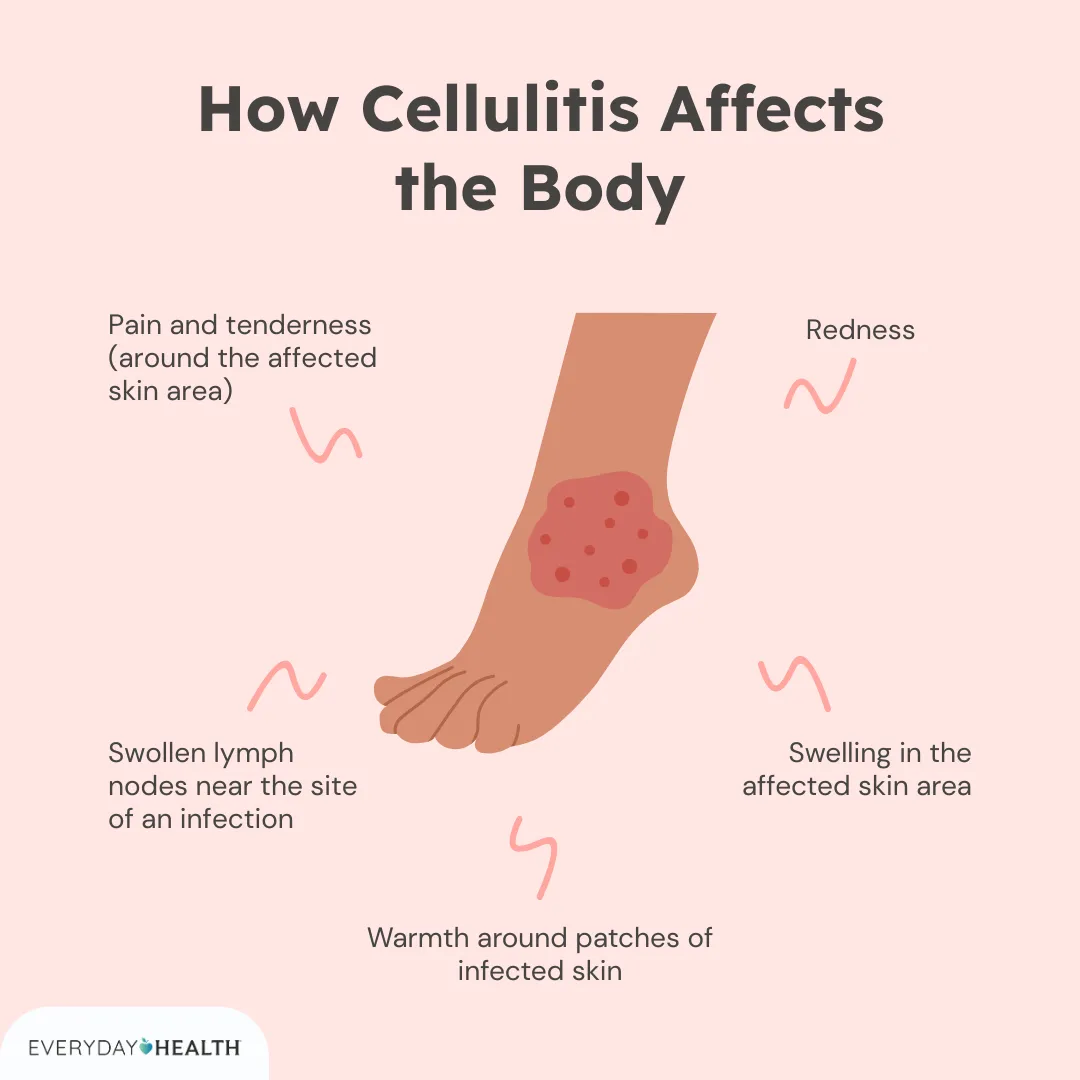
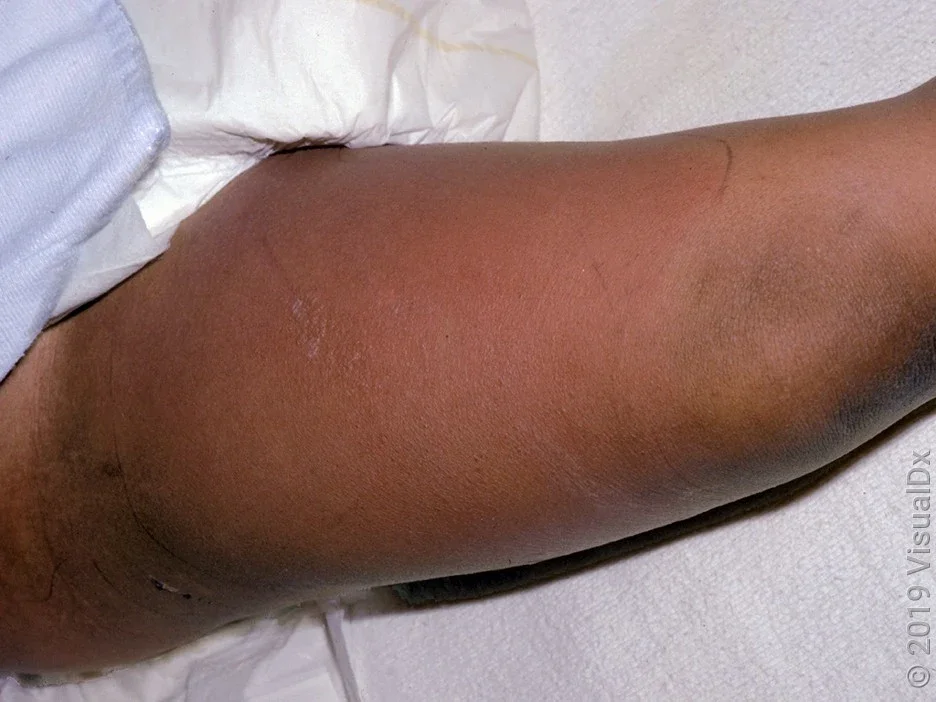
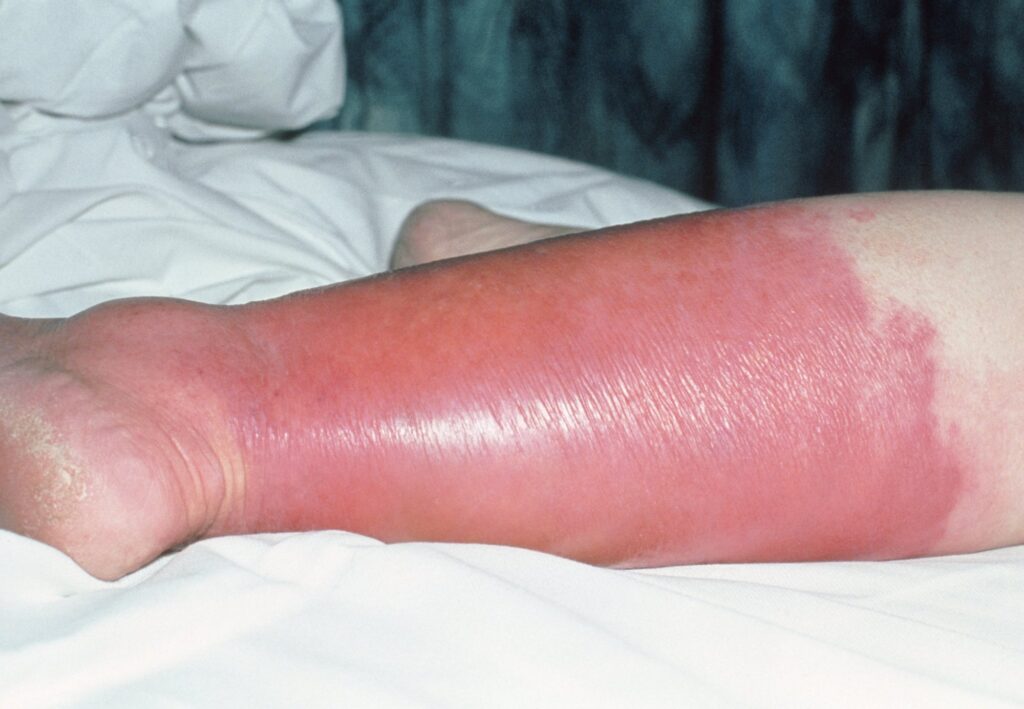
The skin in the infected area often turns red. This redness can spread as the infection grows. Swelling usually happens alongside redness, making the area look puffy and enlarged. The edges of the redness may appear irregular and not sharply defined.
Pain And Tenderness
The affected skin feels sore and painful to touch. Pain may increase if pressure is applied or if the area is moved. Tenderness is a key sign that the body is fighting an infection. Sometimes, the pain can be sharp or throbbing.
Warmth In The Affected Area
The infected skin feels warmer than surrounding areas. This warmth happens due to increased blood flow. It may feel hot to the touch. This is a natural response as the body tries to heal the infection.
Systemic Signs Linked To Cellulitis
Cellulitis is more than just a skin infection; it can affect your entire body. Recognizing the systemic signs linked to cellulitis is crucial because they indicate how your body is responding to the infection. These signs often signal that the infection is spreading or becoming more severe, demanding immediate attention.
Fever And Chills
Fever and chills are common systemic signs that often accompany cellulitis. A rising temperature means your immune system is actively fighting the infection. If you notice sudden chills or shaking, it could indicate that the infection is triggering a strong inflammatory response.
Have you ever felt feverish with muscle aches during an infection? That’s your body’s alarm system working hard. Ignoring these symptoms might delay treatment and increase the risk of complications.
Fatigue And Malaise
Fatigue and malaise are subtle but important signs of cellulitis affecting your whole body. You might feel unusually tired or weak, even without exerting yourself. This general sense of discomfort often signals that your body is under stress from the infection.
Pay attention if you experience persistent tiredness along with redness and swelling of the skin. These symptoms together suggest your body needs help to fight off the infection effectively.
Skin Changes In Cellulitis
Cellulitis causes noticeable skin changes that help identify the infection early. The skin becomes red, swollen, and warm to touch. These changes happen as the body reacts to bacteria invading the skin layers. Monitoring these signs can guide timely treatment and prevent complications.
Blistering And Skin Peeling
Blisters may form on the infected skin area. These fluid-filled bubbles appear as the infection worsens. The skin around blisters can start peeling or flaking. This happens due to skin damage and inflammation. Peeling skin often reveals raw, tender areas underneath. It signals the infection has spread deeper into the skin.
Lymph Node Enlargement
Nearby lymph nodes can swell during cellulitis. The lymph nodes act as filters to trap bacteria and fight infection. Swollen lymph nodes feel like small, tender lumps under the skin. They usually appear close to the infected area, such as the groin or armpit. This enlargement shows the immune system is actively responding to the infection.

Credit: www.everydayhealth.com
Severe Manifestations And Complications
Cellulitis can escalate beyond simple skin infection. Severe manifestations and complications pose serious health risks. These conditions demand urgent medical attention to prevent lasting damage or death.
Abscess Formation
An abscess forms when pus collects under the skin. This pocket of infection causes pain, swelling, and redness. Abscesses often require drainage and antibiotics for healing. Failure to treat can worsen the infection and delay recovery.
Spread To Deeper Tissues
Cellulitis may extend into muscles and fat beneath the skin. This deeper spread increases pain and swelling. It can cause tissue death and require surgery. Early detection is key to controlling the infection’s reach.
Sepsis Risks
Sepsis is a life-threatening reaction to infection. Cellulitis bacteria can enter the bloodstream causing sepsis. Symptoms include fever, rapid heartbeat, and confusion. Immediate hospital care is crucial to manage sepsis and save lives.
Differentiating Cellulitis From Similar Conditions
Cellulitis is a common bacterial skin infection. It causes redness, swelling, and pain. Other conditions can mimic cellulitis, making diagnosis tricky. Understanding the differences helps ensure proper treatment. This section highlights how to tell cellulitis apart from similar conditions.
Erysipelas Vs Cellulitis
Erysipelas is a superficial skin infection. It affects the upper layers of the skin. Cellulitis involves deeper skin layers and tissues. Erysipelas often has sharply defined, raised edges. Cellulitis usually shows diffuse, less clear borders.
- Erysipelas has a bright red, shiny appearance.
- Cellulitis skin looks swollen and tender.
- Erysipelas tends to affect the face and legs.
- Cellulitis can occur anywhere on the body.
Deep Vein Thrombosis
Deep vein thrombosis (DVT) causes leg swelling and pain. It results from a blood clot in a deep vein. The affected leg may be warm and red, like cellulitis. DVT lacks skin tenderness and spreading redness seen in cellulitis. Checking for risk factors like recent surgery helps differentiate.
- DVT often causes calf pain and swelling.
- Cellulitis causes warmth with spreading redness.
- DVT skin may feel normal or slightly discolored.
- Cellulitis skin is tender and inflamed.
Contact Dermatitis
Contact dermatitis is skin inflammation from irritants or allergens. It causes redness, itching, and sometimes blisters. Unlike cellulitis, it is usually not painful. The rash is often patchy with clear borders. Cellulitis skin is swollen, warm, and painful.
- Contact dermatitis triggers include soaps, plants, or chemicals.
- Cellulitis results from bacterial infection.
- Dermatitis causes itching more than pain.
- Cellulitis causes tenderness and fever in some cases.
Credit: www.goodrx.com
Credit: pharmaceutical-journal.com
Frequently Asked Questions
What Are The Common Symptoms Of Cellulitis?
Cellulitis usually causes redness, swelling, warmth, and pain in the affected skin area. Fever and chills may also occur. These symptoms indicate an infection in the deeper layers of the skin and require prompt medical attention.
How Does Cellulitis Typically Present On The Skin?
Cellulitis presents as a red, swollen, and tender patch of skin that spreads quickly. The area feels warm to touch and may develop blisters or pus. It often affects the legs but can occur anywhere on the body.
Can Cellulitis Cause Fever And Chills?
Yes, cellulitis often leads to systemic symptoms like fever and chills. These signs indicate the infection may be spreading and the body is fighting it. Immediate treatment is important to prevent complications.
What Complications Arise From Untreated Cellulitis?
Untreated cellulitis can lead to abscess formation, sepsis, or lymphangitis. These complications can be life-threatening and require urgent medical care. Early diagnosis and antibiotic treatment are essential to avoid serious outcomes.
Conclusion
Cellulitis shows clear signs like redness, swelling, and warmth. Pain and tenderness often appear in the affected area. Fever may also occur as the body fights infection. Early recognition helps start treatment quickly. Treating cellulitis early prevents serious problems. Watch for changes and seek medical advice if needed.
Understanding these symptoms helps protect your health. Stay alert to keep infections under control.

Similar Posts