What Manifest Destiny Means: Unveiling America’s Expansion
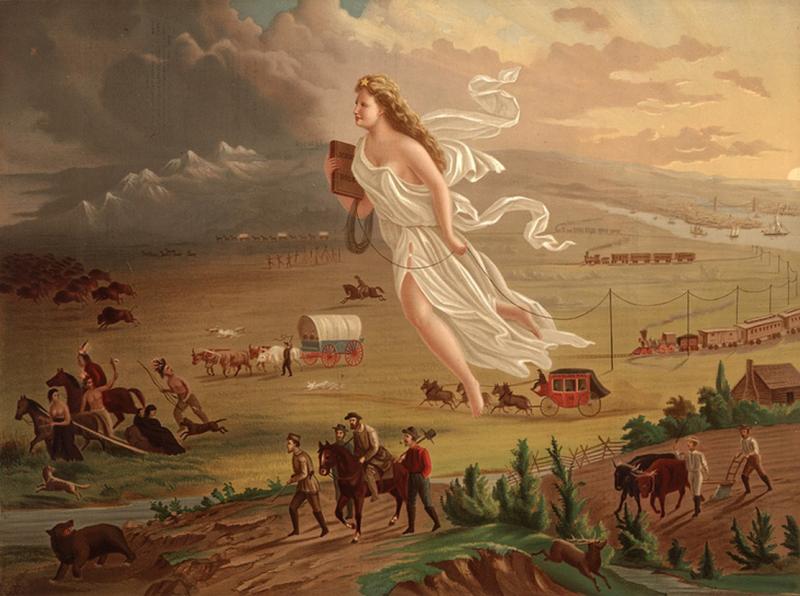
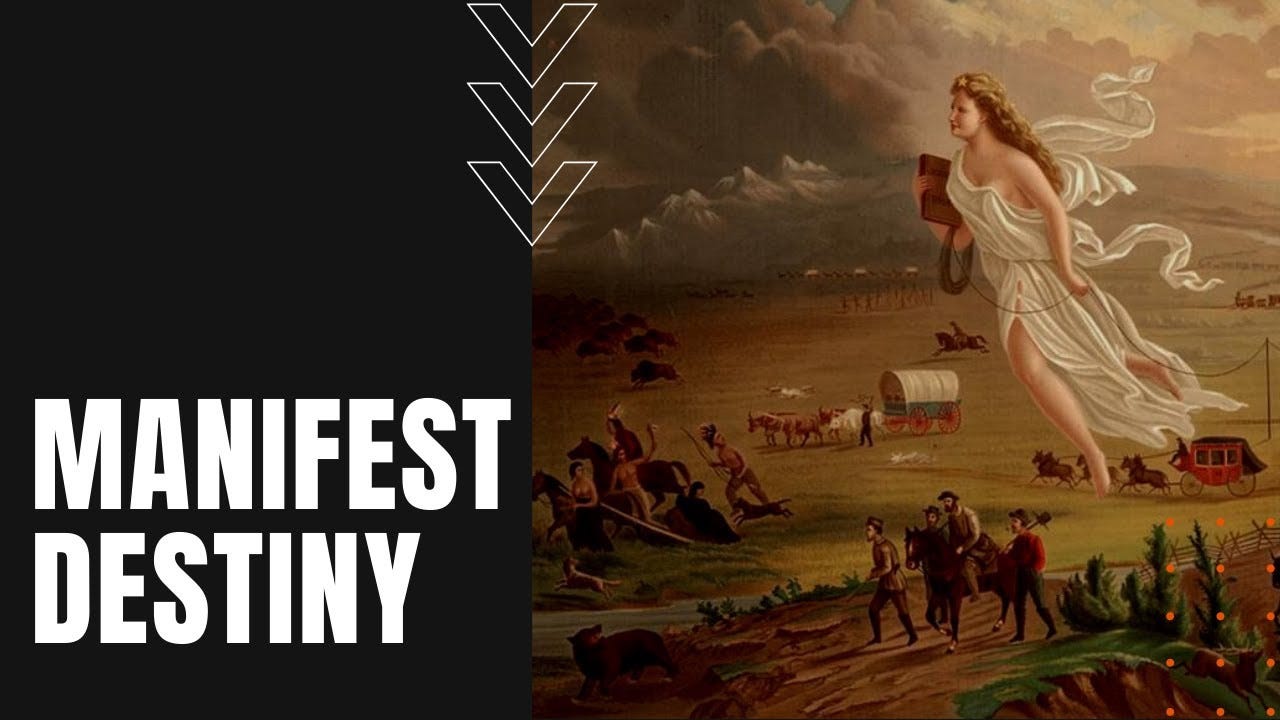
Have you ever wondered why the United States expanded across the continent so quickly in the 1800s? The answer lies in a powerful idea called Manifest Destiny.
This belief shaped the country’s future and changed the lives of millions. Understanding what Manifest Destiny means can help you see how it influenced history—and why it still matters today. Keep reading to uncover the story behind this important concept and discover how it affected the land, the people, and the nation you know.
Roots Of Manifest Destiny
The roots of Manifest Destiny lie deep in early American history. It grew from the nation’s desire to expand its borders across the continent. This idea was more than just land hunger; it was tied to beliefs about culture, politics, and destiny. Understanding these roots helps explain why Manifest Destiny became a powerful force in the 19th century.
Early American Expansion
From the start, Americans looked westward. The Louisiana Purchase in 1803 doubled the country’s size. Settlers moved into new lands seeking opportunity and freedom. This movement set the stage for future growth. The frontier was seen as a place for new beginnings.
Political Climate In The 19th Century
The 1800s were a time of change and conflict. Political leaders debated the balance of power between states and the federal government. Expansion raised questions about new territories and slavery. Leaders used expansion ideas to gain support and unify the nation.
Role Of Nationalism
National pride was strong. Many Americans believed their country had a special mission. This belief made expansion a duty, not just a choice. Nationalism fueled support for spreading American values and systems across the continent. It created a sense of purpose and identity.
Key Figures And Influences
Understanding Manifest Destiny means looking closely at the people and forces that shaped it. Key figures didn’t just lead the charge; they influenced public opinion and the nation’s path. Their stories reveal how ideas turned into actions that changed the map of the United States.
Prominent Leaders
Leaders like President James K. Polk played a crucial role in pushing Manifest Destiny forward. Polk’s strong belief in expansion led to the annexation of Texas and the Oregon Territory. His presidency shows how political will can drive national goals.
Military figures such as General Zachary Taylor also impacted the movement by securing victories in the Mexican-American War. Their actions made territorial gains possible and solidified the United States’ control over new lands.
Impact Of Writers And Media
Writers and newspapers were powerful tools for spreading the idea of Manifest Destiny. Editors like John O’Sullivan coined the term and promoted expansion as a divine right. Their words shaped how people thought about America’s future.
Newspapers published stories that made westward expansion seem exciting and inevitable. This constant media presence helped turn a political policy into a popular cause. It’s a reminder of how media influences your perspective on big issues today.
Public Opinion And Support
Many ordinary Americans supported Manifest Destiny because it promised land and opportunity. Settlers moving west believed they were fulfilling a national mission, not just chasing personal gain. This collective mindset created a powerful force behind expansion.
However, public opinion was not unanimous. Some groups, including Native Americans and abolitionists, opposed the movement. Their voices remind you to ask: whose interests are served when a nation expands?
Territorial Growth
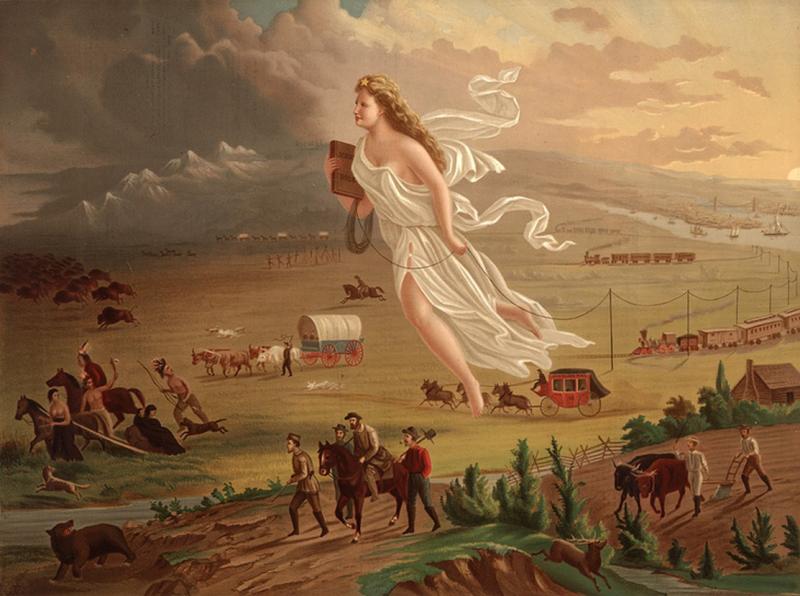
Territorial growth was a driving force behind Manifest Destiny, shaping the United States into the nation we recognize today. This expansion was not just about adding land; it was about the belief that Americans had a right—and even a duty—to spread across the continent. Each acquisition brought new challenges and opportunities, influencing culture, economy, and politics in profound ways.
Louisiana Purchase And Its Impact
The Louisiana Purchase doubled the size of the United States almost overnight. By buying this vast territory from France in 1803, America gained control of the Mississippi River and opened the door to westward expansion. This deal laid the groundwork for future growth and boosted the nation’s confidence in its ability to expand.
Imagine the excitement of settlers hearing about new lands to explore and farm. The purchase sparked dreams of opportunity and freedom that fueled migration. It also raised questions about governing such a large area and how to balance power between states.
Annexation Of Texas
Texas was once an independent republic before joining the United States in 1845. Its annexation added a huge chunk of land but also stirred tensions with Mexico. Many Americans supported this move, seeing it as a step toward fulfilling Manifest Destiny.
Think about the risks involved—annexing Texas led directly to conflict with Mexico. This shows how territorial growth was not always peaceful or simple. You might ask yourself: How far would you go to expand your country’s borders?
Oregon Territory Dispute
The Oregon Territory was jointly occupied by the United States and Britain, causing a standoff that lasted years. Settlers and politicians pushed for full American control, leading to the famous slogan, “Fifty-four Forty or Fight!”
In the end, a peaceful agreement split the territory along the 49th parallel in 1846. This resolution avoided war and secured valuable land for the U.S. It’s a reminder that negotiation can sometimes achieve what conflict cannot.
Mexican-american War And Treaty
The Mexican-American War (1846-1848) was a direct result of the U.S. desire to expand further southwest. After victory, the Treaty of Guadalupe Hidalgo forced Mexico to cede a vast area, including California, Arizona, and New Mexico.
This war reshaped the continent and intensified debates over slavery and statehood. The new territories brought wealth and resources but also new challenges. How would these lands change America’s future? Your view on territorial growth might change when you consider the human cost behind it.
Effects On Native Americans
Manifest Destiny had a deep impact on Native American communities. It changed their lives, lands, and cultures in many ways. The idea of expanding the United States westward led to serious challenges for Native Americans. Their lands were taken, and conflicts became common. Their traditional ways of life faced threats too. Some groups fought back to protect their homes and cultures.
Displacement And Conflict
Native Americans lost large parts of their land during westward expansion. The U.S. government forced many tribes to move to new areas. This forced movement caused suffering and death. Battles and wars broke out as Native Americans tried to defend their homes. The Trail of Tears is one tragic example of forced removal. Many tribes were pushed to less fertile lands far from their original homes.
Cultural Consequences
Native American cultures faced serious damage during this time. Many were pressured to adopt European-American customs. Traditional languages, religions, and practices were discouraged or banned. Boarding schools were created to change Native children’s identities. Loss of land also meant loss of access to sacred sites and natural resources. This made it hard to keep cultural traditions alive.
Resistance Movements
Native American groups did not give up without a fight. Several tribes led resistance efforts against U.S. forces. Leaders like Sitting Bull and Geronimo became symbols of Native resistance. They fought to protect their lands and ways of life. Some resisted through negotiations and legal battles too. These movements showed Native Americans’ strength and resilience despite hardships.
Economic Motivations
The economic motivations behind Manifest Destiny were powerful drivers that shaped the expansion of the United States. They went beyond just claiming land; they were about securing wealth, resources, and new markets. Understanding these motives can help you see why the push westward was so intense and relentless.
Agricultural Expansion
The promise of fertile land attracted many settlers eager to farm. Vast stretches of the West offered rich soil perfect for growing crops and raising livestock. Imagine the opportunity for a family to own and cultivate land, something that was increasingly difficult in the crowded East.
This agricultural growth wasn’t just about personal gain. It fueled the entire nation’s economy by increasing food production and exports. Have you ever thought about how owning land changes your perspective on work and investment?
Trade And Resources
Access to new resources was a major incentive for expansion. Minerals like gold and silver were discovered in the West, sparking economic booms and attracting fortune seekers. Beyond precious metals, timber, fur, and other natural resources promised wealth for entrepreneurs and communities alike.
Trade routes expanded as new territories opened up, connecting producers with distant markets. This created a cycle of growth and demand that benefited many sectors. What resources near your area have shaped local economies in surprising ways?
Railroad Development
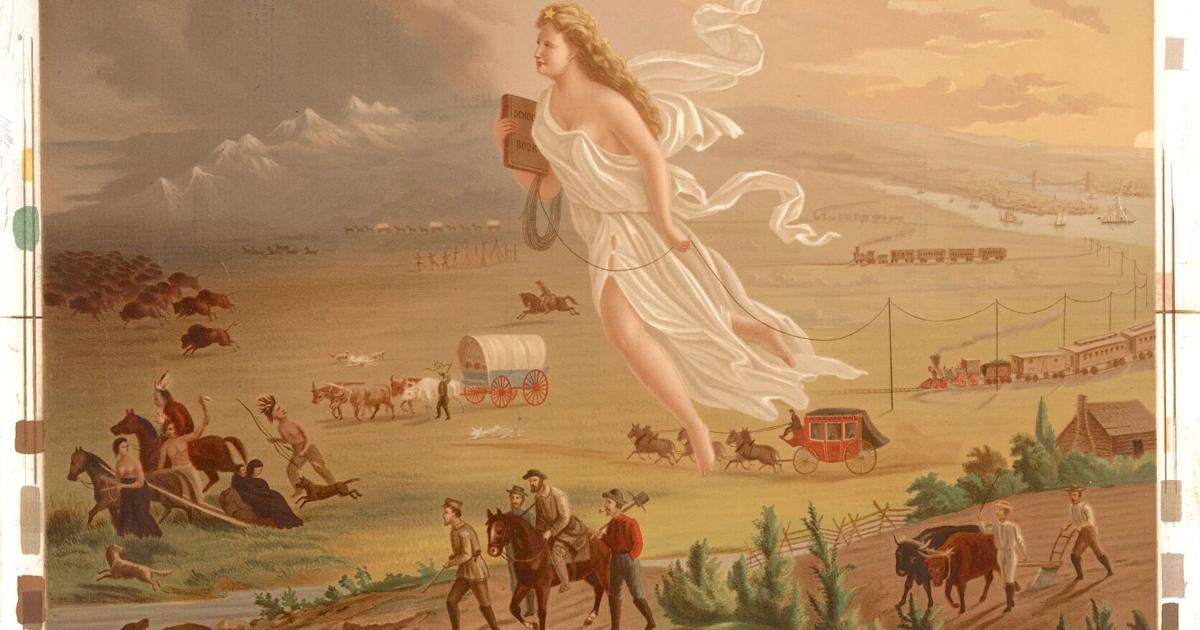
Railroads were crucial to making Manifest Destiny economically viable. They connected the East and West, allowing goods, people, and information to move quickly and efficiently. Think about how much easier it became to transport crops or manufactured goods across the country.
The government supported railroad construction because it boosted commerce and settlement. This infrastructure transformed isolated regions into thriving economic hubs. How might your life change if transportation and communication were suddenly much faster and cheaper?
Credit: www.aspendailynews.com
Controversies And Criticism
The idea of Manifest Destiny stirred intense debate and criticism during its time, and these controversies still challenge how we view this chapter in history. While it promised growth and opportunity, it also raised difficult questions about morality, justice, and international relations. Understanding these disputes helps you see the full picture behind the expansionist drive.
Moral Debates
Manifest Destiny was often justified as a divine right, but many people questioned the ethics behind it. Was it fair to push Native Americans off their lands? Did the U.S. have the right to claim territories already inhabited by others?
These moral questions divided citizens and leaders alike. Some saw expansion as progress, while others viewed it as an act of aggression and injustice. How do you decide what is right when growth comes at the expense of others?
Impact On Slavery Issue
The expansion raised the heated question of whether new territories would allow slavery. This debate intensified the divide between the North and South, pushing the nation closer to civil war.
Every new state added under Manifest Destiny forced Americans to confront their values about freedom and human rights. You might wonder—how often do political decisions hinge on unresolved social conflicts?
International Reactions
Other countries watched the U.S. expansion with concern and sometimes hostility. Mexico, in particular, saw Manifest Destiny as a threat, leading to wars and broken treaties.
European powers also questioned America’s growing influence and control over lands in the West. Have you ever thought about how your actions might look from someone else’s point of view, especially on a global scale?
Legacy Of Manifest Destiny
The legacy of Manifest Destiny still echoes through America’s society, culture, and politics today. This 19th-century belief shaped more than just maps; it influenced how Americans see themselves and their country’s role in the world. Understanding this legacy helps you grasp why certain ideas and boundaries exist now.
Modern American Identity
Manifest Destiny helped create a sense of American exceptionalism—the idea that the U.S. has a unique mission. This mindset still influences how many Americans view opportunity and freedom.
Think about the idea of the “American Dream.” It’s tied to expansion and growth, reflecting the belief that success comes from hard work and moving forward. Have you ever felt this drive to push beyond limits? That feeling connects back to Manifest Destiny’s spirit.
Border Formation
The borders of the United States today largely resulted from the territorial gains during the Manifest Destiny period. The annexation of Texas, the Oregon Territory, and the Mexican Cession shaped the country’s outline.
These borders aren’t just lines on a map; they impact immigration policies, trade, and regional identities. If you live near the U.S.-Mexico border, you’re living with the direct consequences of these 19th-century decisions.
Continued Expansion Ideologies
Manifest Destiny didn’t end with the 19th century. Ideas about expansion—whether economic, cultural, or political—still appear in American policies today.
Look at how space exploration or digital innovation is often framed as the “new frontier.” These modern pursuits echo the same mindset: pushing boundaries and seeking new opportunities. What frontiers are you willing to explore in your own life?
Credit: pastorbhart.medium.com

Credit: hyperallergic.com
Frequently Asked Questions
What Is Manifest Destiny In U.s. History?
Manifest Destiny was a 19th-century belief that the U. S. should expand across North America. It justified westward expansion and influenced policies like the Mexican-American War.
Why Did Americans Support Manifest Destiny?
Americans supported Manifest Destiny to spread democracy, gain land, and access resources. It reflected national pride and a belief in cultural superiority.
How Did Manifest Destiny Impact Native Americans?
Manifest Destiny led to displacement and suffering for Native Americans. It caused loss of lands, culture, and forced relocations like the Trail of Tears.
What Role Did Manifest Destiny Play In U.s. Politics?
Manifest Destiny shaped political debates over slavery and territorial expansion. It contributed to tensions that eventually led to the Civil War.
Conclusion
Manifest Destiny shaped the growth of the United States deeply. It drove settlers west and changed the land’s map. This idea brought both progress and conflict in its path. People wanted new chances, but it also caused pain for many.
Understanding Manifest Destiny helps us see America’s past clearly. It shows how hopes and struggles shaped a nation’s story. The legacy of this belief still affects us today. What lessons can we learn from this bold time?

Similar Posts