What Did the Manifest Destiny Do: Unveiling Its Impact and Legacy
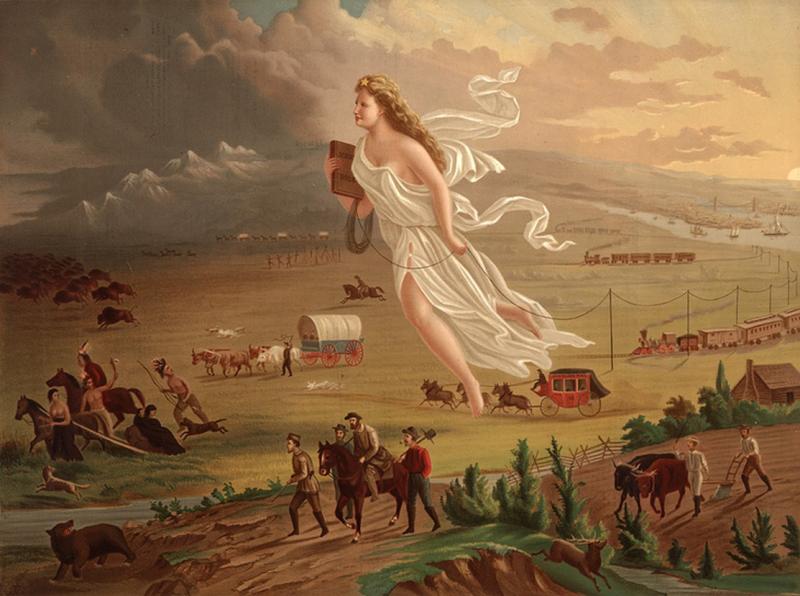
Have you ever wondered how the United States grew from a small group of colonies to a vast nation stretching from the Atlantic to the Pacific? The answer lies in a powerful idea called Manifest Destiny.
But what did the Manifest Destiny really do? It changed the course of American history in ways that still affect your life today. If you want to understand how this belief shaped the land you live on and the country you call home, keep reading.
This article will reveal the surprising effects of Manifest Destiny and why it matters to you.
Origins Of Manifest Destiny
The origins of Manifest Destiny reveal a complex blend of politics, personalities, and beliefs that shaped 19th-century America. Understanding where this idea came from helps you see why it captured the nation’s imagination and led to dramatic changes. It wasn’t just about expanding borders—it was about identity, power, and a vision of what America could become.
Political Climate In The 19th Century
The early 1800s were a time of intense political debate. The United States had just doubled its size with the Louisiana Purchase, and leaders were eager to grow even more. You might be surprised to learn that Manifest Destiny was partly driven by competition between political parties, each wanting to control new territories.
Issues like slavery and state rights fueled tensions. Many politicians used expansion as a way to gain support and strengthen their positions. The question wasn’t just “Should we grow?” but “How should new lands be governed?” This political backdrop made Manifest Destiny more than just an idea—it became a key strategy.
Key Figures Behind The Movement
People like President James K. Polk played huge roles in pushing Manifest Destiny forward. Polk’s belief in expansion led to the annexation of Texas and the Oregon Territory, which changed the map of the United States. Without leaders like him, the movement might have stayed a dream rather than a reality.
Other figures, such as newspaper editor John O’Sullivan, coined the term “Manifest Destiny” and spread the idea through the media. Their voices made the cause popular among everyday Americans. Have you ever thought about how much influence words and leaders have on shaping your country’s future?
Cultural And Ideological Roots
Manifest Destiny was rooted in a strong belief that Americans had a special mission. Many felt it was their duty to spread democracy and civilization across the continent. This belief combined with ideas of racial superiority and religious mission gave the movement a powerful, if controversial, foundation.
This mindset affected how people viewed Native Americans, Mexicans, and others living in the west. The idea that expansion was “destined” made many feel justified in taking land and resources. Reflecting on this, you might ask yourself how much your own beliefs shape the actions you take.

Credit: hyperallergic.com
Territorial Expansion
Territorial expansion was at the heart of Manifest Destiny, driving the United States to stretch its borders across the continent. This ambition reshaped the nation’s geography and its political landscape. Understanding the key events of this expansion helps you see how the country grew and the challenges it faced along the way.
Annexation Of Texas And Oregon
The annexation of Texas was a bold move that added a vast area to the United States but also stirred controversy. Texas had declared independence from Mexico, and its entry into the U.S. in 1845 heightened tensions with Mexico.
At the same time, the Oregon Territory became a focus of American settlers eager to claim land in the northwest. The U.S. negotiated with Britain to establish the 49th parallel as the border, avoiding conflict but securing valuable territory.
Mexican-american War And Its Consequences
The Mexican-American War began over disputes about Texas and quickly expanded as the U.S. sought to claim more land. The war was short but intense, and its outcome changed the map dramatically.
With the Treaty of Guadalupe Hidalgo in 1848, Mexico ceded a huge portion of land to the U.S., including present-day Arizona, New Mexico, and parts of Colorado and Utah. This victory brought both opportunity and new questions about governing diverse populations and extending slavery.
Acquisition Of California And Southwest
California became a prize of the Mexican Cession, and its rich resources attracted settlers and entrepreneurs. The discovery of gold in 1848 only intensified the rush to this new western frontier.
The Southwest also gained importance for its strategic location and potential for agriculture and trade. This expansion challenged you to consider how new states would fit into the Union and what impact this growth would have on the nation’s future.
Impact On Native Americans
The Manifest Destiny had a profound impact on Native Americans. It changed their lives in many harsh ways. The push for expansion forced Native peoples off their ancestral lands. Their cultures and societies faced deep challenges. Many resisted the loss of their homes and freedom. This period marked a time of great suffering and struggle for Native communities.
Displacement And Loss Of Lands
Native Americans were forced to leave their lands. Settlers moved westward, taking over Native territories. Treaties were often broken or unfair. Tribes lost hunting grounds, villages, and sacred places. Many were moved to reservations far from their homelands. This loss disrupted their way of life and survival.
Cultural And Social Effects
Native cultures faced major changes and threats. Traditions and languages were at risk. Children were sent to boarding schools to learn new customs. Native religions and ceremonies were suppressed. Families and communities were broken apart. Many struggled to keep their identity alive.
Resistance And Conflicts
Native Americans fought to protect their lands and rights. Battles and wars occurred across the expanding territories. Leaders like Sitting Bull and Geronimo led resistance efforts. Despite bravery, Native peoples often faced defeat. Conflicts caused loss of life and deep pain. Resistance showed their strong desire for freedom and survival.
Economic Growth And Development
The Manifest Destiny greatly influenced the economic growth and development of the United States. It encouraged people to move westward, creating new opportunities for farming, trade, and building. This expansion helped the country grow its economy by increasing production and opening new markets. The push west also led to improvements in infrastructure and transportation, which connected distant places and made business easier.
Agricultural Expansion
New land became available for farming and ranching. Settlers planted crops like wheat, corn, and cotton. Farms grew larger and more productive. This increase in food helped feed the growing population. It also provided goods to sell within the country and abroad. Agriculture became a key part of the economy during this time.
Emergence Of New Markets
As people moved west, they created new towns and cities. These places needed goods and services. Businesses started to grow to meet these demands. Farmers and manufacturers found more buyers for their products. Trade expanded both inside the country and with other nations. The economy became more diverse and dynamic.
Infrastructure And Transportation
The government and private companies built roads, canals, and railroads. These helped connect farms, towns, and cities. Transportation became faster and cheaper. Moving goods and people became easier and more efficient. This infrastructure supported economic growth and allowed markets to expand quickly.
Political Repercussions
The political repercussions of Manifest Destiny shaped the United States in profound ways. This expansionist mindset did more than just redraw maps—it forced the nation to confront its core values and power structures. As you examine these effects, you’ll see how Manifest Destiny intensified conflicts and influenced future policies that still resonate today.
Slavery Debate And Sectional Tensions
Manifest Destiny added new territories to the Union, sparking fierce debates over whether slavery would be allowed in these areas. This question deepened the divide between the North and South, each wanting to protect its economic and social systems.
As new states emerged, Congress struggled to maintain a balance of power. The Missouri Compromise and later the Kansas-Nebraska Act were attempts to address these tensions, but they often led to violence and unrest instead.
Have you ever wondered how expanding land can push a nation closer to conflict? The slavery debate shows that territorial growth isn’t just about land—it’s about the values and power battles within a country.
Shifts In National Power
With each new territory, the balance of political power shifted. States gained influence depending on whether they supported or opposed slavery, changing the dynamics in Congress and presidential elections.
This power shift wasn’t just about numbers; it affected legislation, judicial decisions, and even foreign relations. The South aimed to protect its interests, while the North sought to limit the spread of slavery.
Understanding these shifts helps you see how Manifest Destiny wasn’t just an expansion—it was a catalyst that altered who held power in the U.S.
Influence On Future Policies
The ideas and conflicts arising from Manifest Destiny influenced policies long after the era ended. Issues like Native American displacement, state sovereignty, and territorial governance were shaped by this period.
Policies such as the Homestead Act and the Pacific Railroad Act can trace roots back to the Manifest Destiny mindset. They encouraged settlement and economic growth, but also raised questions about federal authority and individual rights.
What lessons can you draw from how these policies affected both growth and conflict? Recognizing this helps you understand the long-term impact of Manifest Destiny beyond just geography.
Credit: 19thnews.org
Legacy Of Manifest Destiny
The legacy of Manifest Destiny remains a vital part of American history. It shaped the nation’s growth and self-image in powerful ways. The drive to expand westward altered the country’s borders and influenced its culture. Understanding this legacy helps us see how past beliefs still affect the present.
Shaping American Identity
Manifest Destiny created a sense of purpose and destiny for many Americans. It built the idea that the United States was meant to spread freedom and democracy. This belief encouraged a spirit of adventure and progress. It also shaped how Americans saw themselves as pioneers and innovators. The desire to expand became part of the national character.
Long-term Territorial Impacts
The expansion added vast lands to the United States. Territories like Texas, California, and Oregon became states. This growth changed the country’s size and resources. It also brought new challenges, such as managing diverse populations and resources. The borders drawn then still define much of the modern U.S. map.
Modern Perspectives And Critiques
Today, many view Manifest Destiny with a critical eye. The expansion often caused harm to Native American tribes and other groups. Forced removals and conflicts were common. Critics argue the idea justified unfair treatment and violence. The legacy prompts ongoing discussions about justice and history.

Credit: www.facebook.com
Frequently Asked Questions
What Was The Manifest Destiny’s Main Goal?
Manifest Destiny aimed to expand U. S. territory across North America. It was driven by the belief that it was America’s divine right. This ideology encouraged westward expansion, leading to territorial acquisitions. It played a crucial role in shaping the nation’s growth.
How Did Manifest Destiny Affect Native Americans?
Manifest Destiny led to the forced relocation of Native American tribes. Many were displaced from their ancestral lands, causing cultural disruption. This expansion resulted in numerous conflicts and treaties. The impact on Native communities was profound and lasting.
Did Manifest Destiny Influence U.s. Politics?
Manifest Destiny significantly shaped U. S. politics in the 19th century. It fueled debates about slavery’s expansion and territorial rights. Politicians used it to justify territorial acquisitions. It played a critical role in the nation’s political landscape during that era.
What Territories Did Manifest Destiny Acquire?
Manifest Destiny facilitated the acquisition of vast territories. The Louisiana Purchase, Texas Annexation, and Oregon Trail are notable examples. It also led to the Mexican-American War, resulting in further territorial gains. These acquisitions expanded the U. S. to the Pacific Coast.
Conclusion
Manifest Destiny shaped the United States’ growth and borders. It pushed settlers west and changed the land. This idea caused new states to form and conflicts to arise. People moved for opportunity and a fresh start. The impact still shows in culture and history today.
Understanding this helps us see how America grew fast. It also reminds us of the challenges and choices made. A key chapter in the story of the nation’s past.

Similar Posts