Which of the Following is a Manifest Function of Education: Unveiling Truths

Have you ever wondered why education is so important beyond just learning facts? Understanding the true purpose of education can change how you see your own learning journey.
One key idea to explore is the concept of a “manifest function” of education. Knowing what this means can help you appreciate how education shapes your skills, your future, and even society itself. Keep reading to discover which of the following is a manifest function of education—and why it matters directly to you.
Manifest Functions Of Education
Education serves many roles in society. It shapes individuals and communities. One key role is its manifest functions. These are the clear, intended outcomes everyone expects from education. Understanding these functions helps explain why education is so important.
Definition And Characteristics
Manifest functions are the obvious, planned results of education. Schools aim to teach knowledge and skills. They prepare students for jobs and social life. These functions are deliberate and widely recognized.
Characteristics of manifest functions include:
- Clear and intended goals
- Direct impact on students
- Designed to meet societal needs
Examples Of Manifest Functions
Some common examples of manifest functions in education are:
- Teaching basic literacy and numeracy
- Preparing students for employment
- Passing on cultural values and knowledge
- Certifying skills and qualifications
- Promoting social order and discipline
These functions help individuals succeed and support society’s growth. Education’s manifest functions are essential for personal and economic development.

Credit: quizgecko.com
Latent Functions Of Education
Education serves many purposes beyond what is obvious. Latent functions of education refer to the hidden or unintended effects schools have on students and society. These functions are not part of the formal curriculum but still play an important role in shaping individuals and communities. Understanding these latent functions helps us see the full impact of education.
Differences From Manifest Functions
Manifest functions are the clear, intended goals of education. These include teaching skills, knowledge, and preparing students for jobs. Latent functions, by contrast, are the unplanned and often unnoticed effects. They happen alongside the manifest functions but are not openly stated. For example, making friends or learning social norms are latent functions, not formal goals.
Common Latent Functions
- Social networking: Schools help students build friendships and contacts.
- Social control: Education teaches discipline and respect for rules.
- Marriage prospects: Meeting potential partners often occurs in school settings.
- Creating social norms: Students learn cultural values beyond textbooks.
- Occupying time: Schools keep young people busy and out of trouble.
Education And Socialization
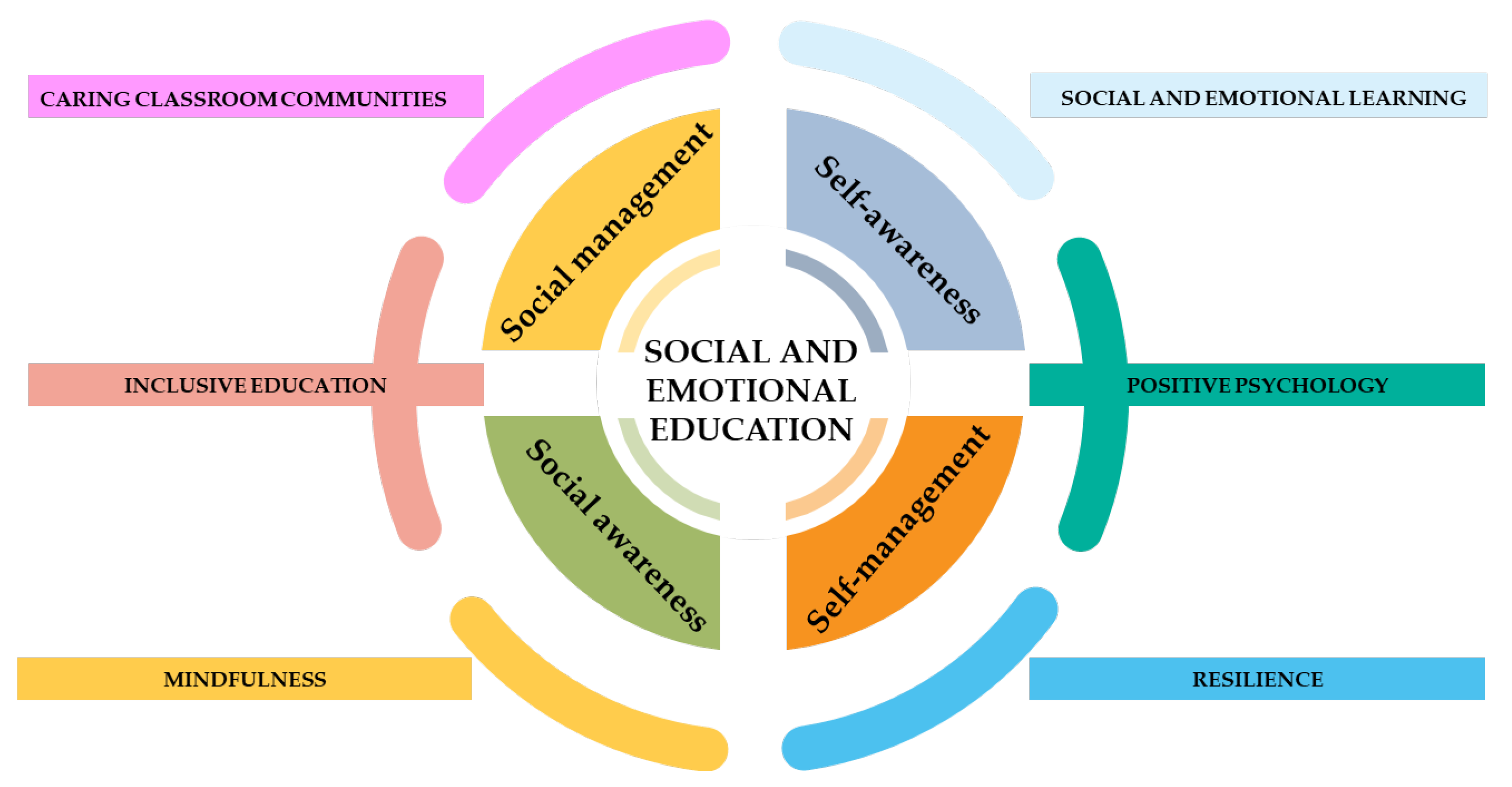
Education plays a key role in socialization. It shapes how individuals learn to live in society. Schools teach students not only facts but also social skills. These skills help students interact well with others. Through education, people understand their place in the community.
Role In Cultural Transmission
Education passes culture from one generation to the next. Students learn language, traditions, and values in school. This process keeps cultural heritage alive. It also helps young people respect their roots. Schools create a shared identity among diverse groups.
Developing Social Norms
Schools teach rules and expectations of society. Students learn how to behave in groups and follow laws. This training prepares them for adult life. Social norms guide actions and create order. Education helps students understand fairness, respect, and responsibility.
Credit: www.mdpi.com
Education And Skill Development
Education plays a crucial role in skill development, serving as a foundation for your personal and professional growth. It equips you with the knowledge and abilities needed to navigate complex tasks and challenges. Understanding how education directly contributes to your skill set helps you appreciate its manifest functions beyond just learning facts.
Preparing For The Workforce
One of the most evident benefits of education is preparing you for the workforce. Schools and training programs teach specific skills that employers look for, such as communication, teamwork, and technical expertise.
Think about the last time you learned a new software or practiced problem-solving in class. These activities are designed to make you job-ready. Without this preparation, entering the workforce can feel overwhelming and uncertain.
Ask yourself: Are the skills you’re gaining now directly helping you build a career? If not, consider seeking out courses or experiences that align better with your job goals.
Enhancing Cognitive Abilities
Education doesn’t just fill your mind with information—it sharpens your thinking skills. Critical thinking, decision-making, and the ability to analyze situations improve as you engage with diverse subjects.
Remember a time when a class discussion or a project made you see an issue from a new angle? That’s your cognitive ability at work, growing stronger. These mental skills are essential for problem-solving in everyday life and at work.
How often do you challenge yourself to think deeply or question what you’ve learned? Boosting your cognitive abilities through education prepares you to handle complex tasks more effectively.
Unveiling Truths Through Education
Education serves as a powerful tool for unveiling truths about the world around you. It goes beyond mere knowledge transfer to shape how you perceive facts and challenge assumptions. When you engage deeply with education, it guides you to see beyond surface-level information and understand the reasons behind it.
Promoting Critical Thinking
Critical thinking is one of the clearest manifest functions of education. It teaches you to question information instead of accepting it blindly. For instance, rather than memorizing dates and events, education pushes you to analyze why those events happened and what impact they had.
When you practice critical thinking, you learn to identify biases, evaluate evidence, and make informed decisions. This skill is crucial in everyday life, whether you’re reading news articles, making career choices, or solving problems. Ask yourself: How often do you pause to question the information presented to you?
Encouraging Scientific Inquiry
Scientific inquiry is another direct function of education that helps you uncover truths. It encourages you to observe, hypothesize, experiment, and draw conclusions based on evidence. This process isn’t limited to science classes; it trains your mind to approach all problems methodically.
Imagine learning how a simple experiment can prove or disprove a theory. This hands-on experience sharpens your ability to separate facts from opinions. Next time you encounter a claim, consider how you might test its validity rather than taking it at face value.
Evaluating Common Statements About Education
When you hear statements about education, it’s easy to accept them at face value. But have you ever stopped to think about what education truly aims to achieve? Understanding which outcomes are intended and which happen by chance can change how you view schools and learning.
Identifying Manifest Functions
Manifest functions are the clear, intended purposes of education. Think about the basic goals you expect from schooling: teaching reading, writing, and math, or preparing students for future jobs.
These functions are obvious and planned. For example, when a school sets a curriculum to help students gain knowledge and skills, that’s a manifest function. You can easily point to these goals and say, “This is why education exists.”
Distinguishing Between Manifest And Latent
Not everything education does is planned. Some effects sneak in unnoticed—these are latent functions. They happen alongside the main goals but aren’t openly stated.
For example, schools help students build social networks or learn to follow rules. You might not think of these as education’s main goals, but they are important side effects.
Can you think of any benefits or consequences of education that don’t fit as clear, planned goals? Recognizing the difference helps you see education’s full impact.

Credit: www.scribd.com
Frequently Asked Questions
What Is A Manifest Function Of Education?
A manifest function of education is the intended and recognized outcome. It includes teaching knowledge, skills, and cultural norms. This function prepares students for future jobs and social roles. It contrasts with latent functions, which are unintended and hidden.
How Does Education Transmit Cultural Values?
Education transmits cultural values by teaching societal norms, ethics, and traditions. Schools help students understand shared beliefs and practices. This function promotes social cohesion and continuity across generations. It is a key manifest function of formal education systems.
Why Is Skill Development A Manifest Function?
Skill development is a manifest function because education equips students with practical abilities. These skills prepare individuals for employment and economic participation. Schools focus on literacy, numeracy, and critical thinking. This function directly supports personal and societal advancement.
How Does Education Support Social Integration?
Education supports social integration by promoting respect, cooperation, and shared identity. It brings diverse individuals together in a learning environment. This function fosters social harmony and reduces inequality. It is an essential intended outcome of educational systems.
Conclusion
Education serves clear, planned purposes in society. It teaches knowledge and skills needed for work. Schools also help students learn social rules and values. These are manifest functions—intended and recognized. Understanding these helps us see why education matters. It shapes individuals and supports community growth.
Education builds a foundation for future success. Everyone benefits when education fulfills these roles. Simple yet powerful. This is the true role of education.

Similar Posts