Who was President During Manifest Destiny: Unveiling History
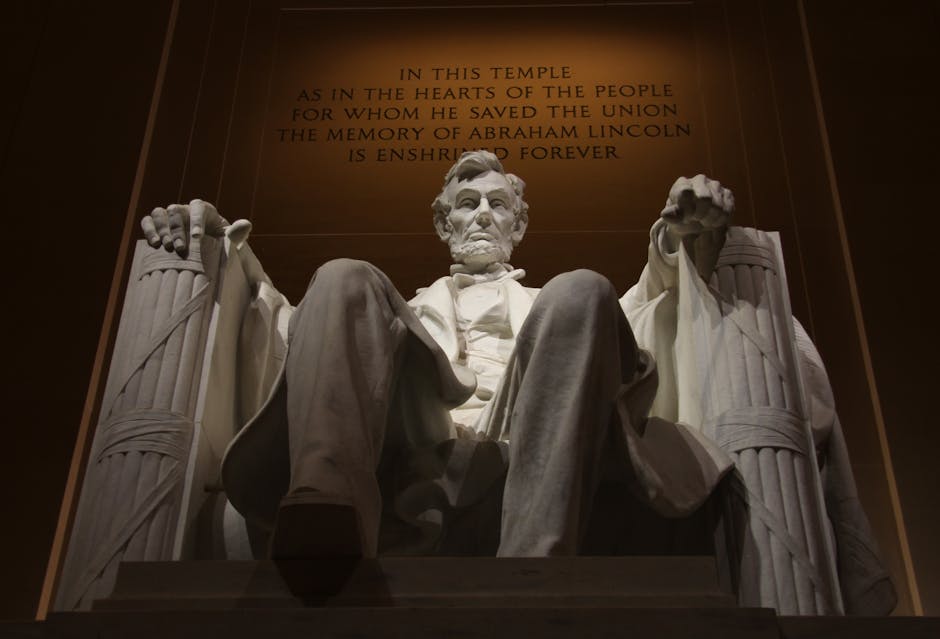
Have you ever wondered who was the president during one of the most important times in American history—Manifest Destiny? This period changed the shape of the country and shaped its future.
Knowing which leader guided the nation through these big changes can help you understand how America grew and why it matters to your life today. Keep reading, and you’ll discover the story behind the president who played a key role in this powerful movement.
Your curiosity is about to be rewarded!
Credit: www.firstpost.com
Manifest Destiny Era
The Manifest Destiny Era shaped the United States in the mid-1800s. This period marked a strong belief that America should expand westward. It changed the country’s borders and its people’s lives. Understanding this era helps explain how the U.S. grew to its current size.
Leaders, citizens, and settlers all took part in this movement. The era also influenced politics, society, and culture deeply.
Origins And Meaning
Manifest Destiny was a term created in 1845. It meant the clear fate of the U.S. to spread across the continent. Many Americans believed it was their right and duty to expand. This idea came from a mix of religion, nationalism, and progress.
It promised freedom and opportunity for settlers. It also justified taking lands from Native Americans and other countries.
Key Motivations
- Desire for more land to farm and live on
- Belief in American cultural and political superiority
- Economic interests like mining and trade
- Need for new markets and resources
- Strategic control of ports and borders
These reasons pushed many to move west and support expansion policies.
Impact On American Society
Manifest Destiny brought rapid growth and change. New states joined the Union, reshaping the political map. The population grew as settlers moved west.
Conflicts increased with Native Americans and other nations. The issue of slavery also became more intense with new lands. The era set the stage for future struggles in the country.
Credit: www.youtube.com
Presidents During Manifest Destiny
The era of Manifest Destiny was shaped by several U.S. presidents who played key roles in expanding the nation’s borders. Their decisions, actions, and policies directly influenced the country’s growth from coast to coast. Understanding their contributions helps you see how leadership impacted America’s development during this pivotal time.
James K. Polk’s Role
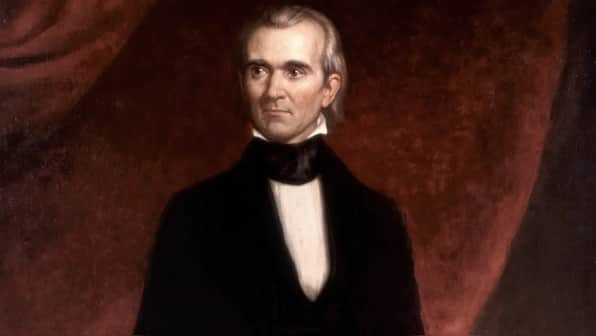
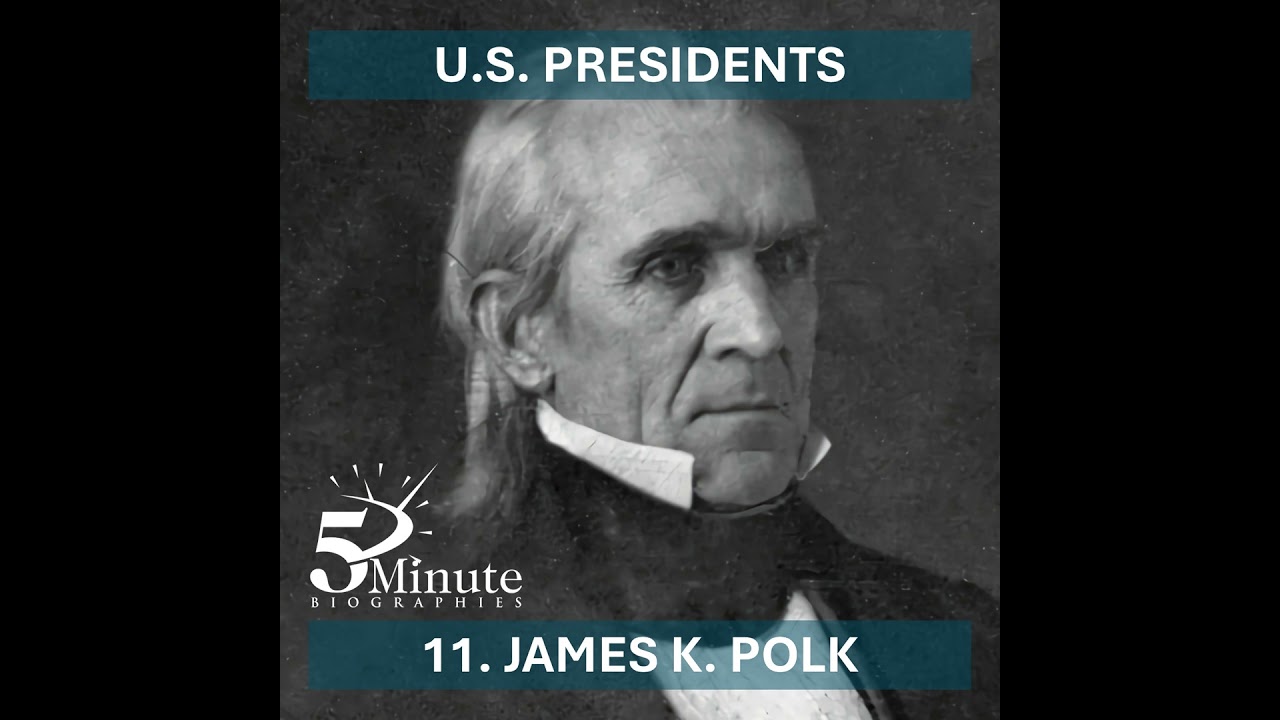
James K. Polk is often called the president who most fully embraced Manifest Destiny. He set clear goals to expand the United States, including acquiring Oregon Territory and California.
Polk’s presidency saw the Mexican-American War, which resulted in the U.S. gaining vast lands through the Treaty of Guadalupe Hidalgo. His focused approach showed how determined leadership can achieve ambitious national goals.
John Tyler’s Contributions
John Tyler’s presidency is sometimes overlooked, but he made important moves toward expansion. He pushed for the annexation of Texas, a controversial but crucial step in extending U.S. territory.
Tyler’s efforts faced opposition but ultimately paved the way for later expansion under Polk. His willingness to push forward despite challenges offers a lesson in political persistence.
Zachary Taylor And Expansion
Zachary Taylor was a military leader who became president during the peak of Manifest Destiny. His victories in the Mexican-American War helped secure key territories for the U.S.
Though his time in office was short, Taylor’s role in expansion was significant because it demonstrated how military success can directly influence national borders and policy.
Major Events Under Polk
President James K. Polk’s time in office was marked by bold moves that shaped the United States’ landscape dramatically. His strong belief in Manifest Destiny pushed the nation’s borders westward through decisive actions and policies. These major events under Polk not only expanded the country but also set the stage for future conflicts and growth.
Annexation Of Texas
Polk supported Texas joining the United States, which was a controversial issue at the time. The annexation in 1845 added a huge area to the country but angered Mexico, which still claimed Texas as its territory. This move showed Polk’s determination to grow the nation, even if it meant rising tensions with neighboring countries.
Oregon Territory Settlement
The Oregon Territory was claimed by both the U.S. and Britain. Polk negotiated a treaty in 1846 that split the territory along the 49th parallel, avoiding war. This peaceful settlement gave the U.S. control over present-day Oregon, Washington, and parts of Idaho, showing that diplomacy can succeed alongside assertive policies.
Mexican-american War
After the Texas annexation, disputes over borders led to the Mexican-American War from 1846 to 1848. Polk pushed for war to gain more land, resulting in the U.S. acquiring California, Arizona, New Mexico, and more. This war changed the map forever but also raised tough questions about the nation’s direction and the cost of expansion.

Credit: www.facebook.com
Effects On Native Americans
The era of Manifest Destiny brought major changes for Native American tribes. Their lives, culture, and lands faced huge challenges. These effects shaped the future of many indigenous communities across the continent.
Displacement And Conflict
Native Americans were forced to leave their ancestral lands. The U.S. government pushed tribes westward to open land for settlers. This caused many battles and violence. Tribes resisted but often faced defeat and loss.
Forced marches and relocations, like the Trail of Tears, caused suffering and death. Families were separated. Communities struggled to survive in unfamiliar territories. The disruption affected their traditions and ways of life deeply.
Changes In Land Ownership
Land ownership shifted drastically during Manifest Destiny. Native lands were divided and sold to settlers. The government used treaties, often unfair or broken, to take control. Tribal lands shrank as more settlers arrived.
This loss of land meant loss of hunting grounds and resources. Native Americans had less control over their future. Many tribes faced poverty and dependence on government aid. Their connection to the land was severely damaged.
Legacy Of Manifest Destiny
The legacy of Manifest Destiny shaped the United States in many ways. It changed the nation’s size, politics, and society. The belief that America should stretch from the Atlantic to the Pacific drove expansion. This idea influenced laws, culture, and conflicts. The effects of this period still impact the country today.
Territorial Growth
Manifest Destiny led to vast territorial growth. The country expanded westward through purchases, wars, and treaties. Key acquisitions included:
- The Louisiana Purchase
- Texas Annexation
- Oregon Territory
- The Mexican Cession
This growth doubled the nation’s size. It opened new lands for settlers and businesses. Railroads and new towns soon followed. The U.S. became a continental power.
Political And Social Consequences
Expansion created political challenges. Debates rose over slavery in new states. This tension deepened sectional divides between North and South. It helped set the stage for the Civil War.
Socially, Manifest Destiny affected Native American tribes. Many were forced off their lands. Conflicts and displacement caused suffering and loss.
The era also inspired a sense of American identity and pride. It shaped ideas about progress and opportunity. Yet, it showed the costs of rapid change and conquest.
Frequently Asked Questions
Who Was President During Manifest Destiny Era?
James K. Polk was president during the key years of Manifest Destiny. He served from 1845 to 1849 and strongly supported westward expansion.
How Did President Polk Influence Manifest Destiny?
Polk promoted territorial expansion by acquiring Oregon Territory and leading the Mexican-American War. His policies greatly expanded U. S. borders.
What Major Territories Were Added Under Polk’s Presidency?
Under Polk, the U. S. gained Oregon Territory, California, and much of the Southwest through treaties and war.
Why Is Polk Linked To Manifest Destiny?
Polk aggressively pursued Manifest Destiny goals by expanding U. S. territory to the Pacific Ocean, fulfilling expansionist ambitions.
Conclusion
President James K. Polk led the nation during Manifest Destiny. He believed the United States should stretch from coast to coast. His presidency saw many lands added to the country. These changes shaped America’s future and growth. Manifest Destiny was more than just land.
It affected people, politics, and the country’s identity. Polk’s role remains a key part of U. S. History. Understanding this helps us see how America grew. The story of Manifest Destiny is about change and ambition. It shows how one leader influenced a nation’s path.

Similar Posts