A Manifesto for Cyborgs: Embracing Future Evolution
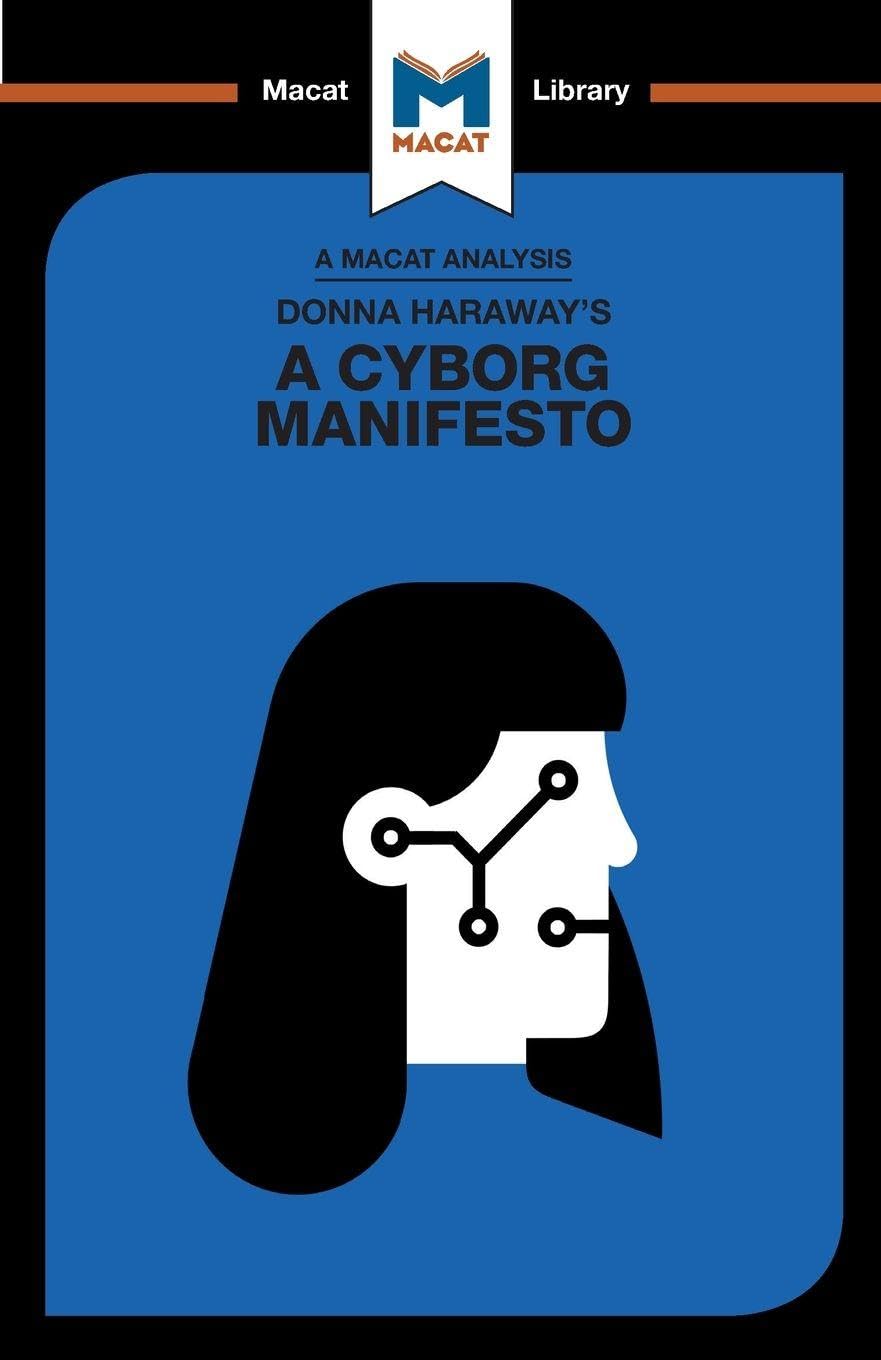
What if you could break free from the limits of your own body? Imagine blending human strength with machine power to unlock new possibilities.
This is what a manifesto for cyborgs is all about—challenging the way you see yourself and your future. If you’re curious about how technology can become a part of you, and how that changes everything, keep reading. This article will open your mind to ideas that could reshape your identity and your world.
Are you ready to explore what it means to be more than just human?
Cyborg Identity
The concept of cyborg identitychallenges the traditional boundaries of what it means to be human. As technology integrates deeper into our bodies and minds, your sense of self evolves in unexpected ways. This shift invites you to reconsider identity beyond biology and opens up new possibilities for self-expression and connection.
Blurring Lines Between Human And Machine
Your body is no longer just flesh and bone; it can include circuits, sensors, and software. This fusion changes how you experience the world and interact with others. When a pacemaker regulates your heartbeat or a prosthetic hand performs delicate tasks, where do you draw the line between human and machine?
Think about your smartphone—it’s an extension of your memory and communication. Now imagine tech embedded inside you that enhances your abilities directly. How does that affect your personal identity and autonomy?
Cultural Impact Of Cyborgs
Cyborgs are reshaping art, fashion, and social norms. You might see performers using robotic limbs or designers creating wearable tech as a form of self-expression. These changes influence how society perceives beauty, ability, and even humanity itself.
Communities form around shared cyborg experiences, creating new cultures that celebrate hybrid identities. These cultural shifts push you to question what belongs to the natural world and what belongs to the technological.
Ethics Of Human Enhancement
Enhancing your body with technology raises complex ethical questions. Who gets access to these enhancements, and could they widen social inequalities? You must consider the consequences of altering human capabilities beyond natural limits.
Privacy becomes a concern when devices collect data from inside your body. You have to ask: How much control do you retain over your own identity when your enhancements rely on external systems?
- Is it ethical to enhance cognitive functions artificially?
- Should society regulate the use of cyborg technology?
- How do you balance personal freedom with potential risks?
Reflect on your own boundaries and how you define yourself. Are you ready to embrace a cyborg identity, or will you draw the line at certain enhancements?

Credit: books.apple.com
Technological Evolution
The concept of technological evolution is central to the idea of cyborgs. It marks the ongoing journey of blending human biology with machines. This process transforms how humans live, work, and interact.
Technology grows fast. Each new development pushes the boundaries of human ability. This evolution shapes the future of cyborgs and human enhancement.
Current Advances In Cybernetics
Cybernetics combines biology with electronic systems. Today, advanced prosthetics offer better movement and control. Brain-computer interfaces allow people to operate devices with thoughts. Sensors and implants improve health monitoring in real time.
- Robotic limbs with sensory feedback
- Neural implants for restoring senses
- Wearable devices tracking vital signs
Future Trends In Human Augmentation
Human augmentation will grow beyond physical enhancement. Expect smarter implants that improve memory and focus. Biotech could enable faster healing and resistance to disease. Exoskeletons might boost strength for work and daily tasks.
- Memory-enhancing neural chips
- Biological regeneration technologies
- Lightweight exoskeleton suits
Integration Of Ai And Human Consciousness
Artificial intelligence is merging with human thought processes. AI can support decision-making and creativity. Some research explores uploading or linking minds with AI systems. This integration could expand human experience and intelligence.
- AI-powered cognitive assistants
- Brain-to-AI communication channels
- Exploration of digital consciousness
Social Implications
The rise of cyborg technologies challenges how society views identity, ability, and privacy. It pushes us to reconsider what it means to be human in a world where technology seamlessly integrates with the body. These changes are not just technical—they deeply affect social structures and personal experiences.
Redefining Disability And Ability
Technology blurs the lines between disability and ability. Devices like prosthetics and neural implants can enhance or restore functions, making traditional definitions outdated. You might know someone who uses a hearing implant and experiences sound in ways others cannot.
What does it mean for society when assistive technology becomes a way to upgrade, not just repair? This shift urges us to rethink accessibility and inclusion. Are workplaces and public spaces ready to embrace these evolving abilities?
Privacy And Surveillance Concerns
Cyborg technologies often collect and share personal data continuously. This creates new risks around who controls your information and how it is used. Imagine a device tracking your health stats but also exposing your location or habits to outsiders without your consent.
How do you protect your privacy when your body is connected to networks? You must question the balance between the benefits of these technologies and the potential for surveillance overreach.
Economic Shifts And Workforce Transformation
Integrating technology with the human body changes the job market. Some roles may require cyborg enhancements to compete, while others might become obsolete. Think about jobs demanding precision or endurance—cyborg workers could outperform traditional ones.
What happens to those who can’t afford or don’t want to adopt these enhancements? This divide could deepen economic inequality, making it essential to create policies that support fair access and retraining programs.

Credit: medium.com
Philosophy Of Cyborgs
The philosophy of cyborgs reshapes how people think about humanity and technology. It questions clear lines between humans and machines. This philosophy explores new ways of being and living in a world where biology and technology merge.
Cyborg philosophy pushes us to rethink identity, rights, and ethics beyond traditional ideas. It opens space for diverse experiences and challenges old beliefs that separate humans from other forms of life and intelligence.
Challenging Traditional Humanism
Traditional humanism places humans at the center of value and meaning. Cyborg philosophy disputes this by blending human and machine elements. It suggests identity is not fixed or purely biological. Boundaries between human and technology become fluid and flexible.
This view encourages acceptance of hybrid beings. It breaks down ideas that only natural humans matter. Instead, cyborgs represent new forms of life and intelligence, changing what it means to be human.
Posthuman Ethics And Rights
Posthuman ethics asks how society should treat beings with mixed biology and technology. Cyborgs raise questions about rights and responsibilities. They challenge laws designed only for natural humans.
This ethical view pushes for expanded rights. It calls for protection of all entities that have consciousness or agency. Justice must include cyborgs and other new life forms in the future.
Cyborgs And Identity Politics
Identity politics deals with how groups claim recognition and rights. Cyborg philosophy adds new layers to this discussion. It highlights how technology changes identities and social roles.
Cyborgs create new communities that cross traditional categories like race, gender, and class. They show that identity is not fixed but shaped by tools and bodies. This idea opens possibilities for more inclusive and flexible political movements.
Practical Applications
The manifesto for cyborgs explores how technology merges with the human body. Practical applications show real-life uses of these ideas. These applications improve health, abilities, and daily life.
Medical Enhancements And Prosthetics
Medical technology now helps many people regain lost functions. Prosthetics replace limbs with devices controlled by the brain. These devices improve mobility and independence.
Advanced implants restore senses like hearing and sight. They help patients live more normal lives. The focus remains on comfort and natural movement.
Wearable Technology And Implants
Wearables track health data such as heart rate and activity. Implants can monitor internal conditions continuously. These tools help doctors detect problems early.
Smart devices connect users to their environment. They provide alerts and reminders that enhance safety. Comfort and ease of use guide design choices.
Enhancing Cognitive Abilities
Technology supports brain function through memory aids and learning tools. Neural implants can improve focus and information processing. These enhancements assist with daily tasks and work.
Research continues on safe ways to boost mental skills. The goal is clear thinking and better decision-making. Ethics and privacy remain critical concerns.

Credit: www.amazon.ca
Challenges Ahead
The journey toward becoming cyborgs is thrilling but far from simple. As you imagine merging human abilities with machines, be ready to face significant challenges. These obstacles test not just technology but society’s willingness to adapt and accept a new reality.
Technical Limitations
Technology still struggles with reliability and integration. Implantable devices often face issues like battery life, durability, and biocompatibility. Your body’s immune system can reject foreign parts, causing complications that engineers are still trying to solve.
Precision and control pose another hurdle. How can a machine perfectly mimic the subtlety of human senses or muscle movements? Current prosthetics and neural interfaces offer promising results, but they are far from seamless extensions of your body.
Regulatory And Legal Issues
Legal systems lag behind technological advances, creating uncertainty. Who owns the data generated by your implanted devices? Privacy concerns are real, and you need clear laws to protect your personal information.
Liability is another puzzle. If a cybernetic limb malfunctions and causes harm, who is responsible? Manufacturers, users, or healthcare providers? These questions remain largely unanswered, complicating adoption and trust.
Social Acceptance And Resistance
Your social environment may not be ready to embrace cyborgs fully. Fear and misunderstanding often lead to stigma and discrimination. Imagine facing judgment just because you’ve enhanced your body with technology.
On the flip side, communities of cyborg advocates can offer support and drive change. How can you contribute to shifting public perception? Sharing personal stories and demonstrating the benefits can help break down barriers.
Frequently Asked Questions
What Is The Main Idea Of “a Manifesto For Cyborgs”?
The manifesto challenges traditional boundaries between humans and machines. It promotes embracing technology to redefine identity and society. The text argues for a hybrid future blending biology and technology.
Who Wrote “a Manifesto For Cyborgs” And When?
Donna Haraway wrote the manifesto in 1985. She is a scholar in feminist theory and science studies. Her work influenced discussions on technology and gender.
How Does The Manifesto Define A Cyborg?
A cyborg is a fusion of human and machine elements. It breaks down distinctions between natural and artificial. The manifesto uses cyborgs as metaphors for new identities.
Why Is “a Manifesto For Cyborgs” Important Today?
It remains relevant as technology integrates into daily life. The manifesto encourages critical thinking about identity and power. It inspires debates on ethics and technology’s social impact.
Conclusion
Cyborgs blend humans and technology in new ways. They challenge old ideas about identity and limits. Embracing this change means accepting both risks and chances. Technology shapes us, but we shape it too. The future belongs to those who adapt and grow.
Let’s think deeply about what it means to be human now. The journey has just begun.

Similar Posts