Can Gift Cards Be Traced: Uncover the Truth

Have you ever wondered if gift cards can be traced? Whether you’re buying one for a loved one or receiving one as a gift, understanding how gift cards work behind the scenes can protect your money and your privacy.
You might think these cards are just like cash—anonymous and untrackable—but that’s not always the case. Keep reading to discover the surprising facts about gift card tracking and what it means for you. This knowledge could save you from scams, theft, or unexpected trouble.
Let’s dive in and clear up the mystery once and for all.

Credit: www.tiktok.com
How Gift Cards Work
Understanding how gift cards work is essential if you want to know whether they can be traced. Gift cards are more than just plastic cards with a prepaid balance; they operate through specific systems that track balances and usage. Let’s break down the different types of gift cards and how they are activated and used.
Types Of Gift Cards
Gift cards come in various forms, each with its own tracking and usage features.
- Store-Specific Gift Cards:These cards can only be used at a particular retailer or chain. They often carry a unique code linked to your account or purchase.
- General-Purpose Gift Cards:Issued by major payment networks like Visa or Mastercard, these work almost like debit cards and can be used anywhere the network is accepted.
- Digital Gift Cards:These are emailed or accessed via an app and come with a unique code that you enter during checkout.
Each type stores information differently, which affects how easily they can be traced.
Activation And Usage Process
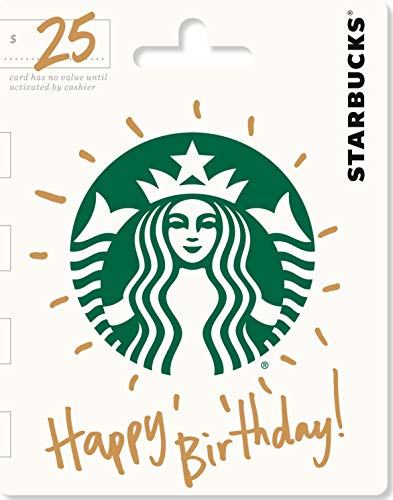
Gift cards usually require activation before you can use them. This step links the card to a specific value stored in a retailer’s or issuer’s system.
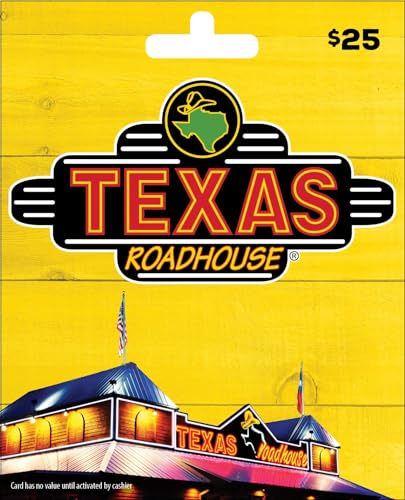
When you buy a card, the cashier or the online system activates it by entering the card’s number and loading the balance. Until this happens, the card holds no value.
Once activated, every time you use the card, the system records the transaction, reducing the balance accordingly. This is why retailers can track purchases made with a gift card.
Have you noticed that some gift cards need you to register your details online? That registration ties the card to your identity, making tracing easier in cases of fraud or loss.
Understanding these basics helps you see how gift cards are more than just gifts—they are part of a tracked payment network.

Credit: www.facebook.com
Tracking Mechanisms Behind Gift Cards
Gift cards have tracking mechanisms that help monitor their use and balance. These tools protect both buyers and sellers from fraud. They allow retailers to trace the card’s history and verify its authenticity. Understanding these systems reveals how gift cards remain secure and manageable.
Role Of Serial Numbers And Barcodes
Each gift card has a unique serial number. This number identifies the card in the retailer’s database. Barcodes or QR codes store this number for quick scanning at checkout. Scanning links the card to its purchase and balance details. This system makes tracking simple and fast.
Retailers use serial numbers to check if a card is active. They can also see if the card is reported lost or stolen. This helps prevent unauthorized use. Serial numbers also assist in refunds or disputes.
Data Stored On Gift Cards
Gift cards store important data in their magnetic stripe or chip. This data includes the card number and remaining balance. Some cards also save purchase date and transaction history. This information updates each time the card is used.
Retailers access this data through their point-of-sale systems. It helps keep track of spending and remaining funds. Data storage ensures the card cannot be used beyond its value. It also supports customer service and fraud detection.
Gift Card Purchase Records
Gift card purchase records hold valuable information that can help track the origin and use of a gift card. These records include data captured at the moment of purchase, such as the time, location, and payment method. Understanding how these details are stored and accessed can clarify whether gift cards can be traced back to buyers or users.
Point Of Sale Tracking
Every time you buy a gift card at a store, the point of sale (POS) system logs the transaction. This record typically includes the store location, date, time, and sometimes the payment method used. Retailers keep this data to manage inventory and prevent fraud.
Have you ever noticed how some stores ask for ID when purchasing high-value gift cards? This is a security measure linked to tracking purchases through POS systems. If a gift card is later used suspiciously, these records can help identify who bought it and when.
However, not all stores require personal information during purchase. This means traceability depends heavily on the retailer’s policies and the level of detail their system records.
Online Vs In-store Purchases
Buying gift cards online offers a different tracking experience compared to in-store purchases. Online transactions are almost always linked to an account or payment method, making it easier to trace the buyer.
When you purchase a gift card online, your email, IP address, and payment details are recorded. This data creates a digital footprint that can connect the gift card back to you. In contrast, in-store purchases may only record the transaction without personal identification.
Do you prefer the convenience of online purchases or the anonymity of buying in person? Your choice impacts how easily a gift card purchase can be traced later.

Credit: prestohq.io
Can Transactions Be Traced?
Gift card transactions are recorded in various systems. Tracing these transactions depends on the card type and the retailer’s policies. Understanding how transactions are tracked helps reveal how much data is available.
Gift Card Redemption Logs
Retailers keep logs of gift card redemptions. These logs show when and where a card was used. They also record the amount spent in each transaction. This helps detect fraud or misuse of the card.
Some logs include the terminal or store location ID. Others may show the cashier or employee handling the sale. This data can trace the card’s activity back to specific points.
Limits Of Transaction Tracking
Not all gift card transactions can be fully traced. Many cards are anonymous and require no personal information. This anonymity limits the ability to track the cardholder.
Online gift cards may have better traceability than physical cards. Some require registration with an email or phone number. Yet, even these have limits in tracking all purchases.
Privacy laws restrict how much data retailers can share. This limits external tracking beyond the retailer’s own system. Thus, tracing transactions depends on the card’s nature and retailer policies.
Privacy Concerns And Gift Cards
Gift cards offer a convenient way to shop or give gifts. Many users wonder if these cards protect their privacy or reveal personal details. Understanding privacy concerns helps users make safer choices.
Anonymous Use Possibilities
Gift cards can be bought with cash at many stores. This allows users to avoid sharing personal information. Using gift cards online sometimes requires registration, which may reduce anonymity. Physical cards used in person often offer more privacy. Some users prefer gift cards because they do not link directly to bank accounts or credit cards.
Risks Of Personal Data Exposure
Buying gift cards with a credit card or debit card can expose personal data. Online purchases may require email and address details. Scammers can track gift card numbers if shared carelessly. Lost or stolen cards risk unauthorized use and data exposure. Some retailers record purchase details, which can be accessed by third parties. Users should handle gift cards carefully to protect their information.
Gift Card Fraud And Investigations
Gift card fraud is a growing concern that affects both consumers and businesses. Criminals often exploit gift cards because they are easy to steal, resell, or use anonymously. Understanding how these frauds happen and how authorities investigate them can help you protect yourself and recognize suspicious activity.
Common Fraud Schemes
One typical scam involves scammers calling you pretending to be from a trusted company or government agency. They pressure you to buy gift cards and share the codes as a form of payment or fine. This technique plays on fear and urgency, tricking many into handing over their cards.
Another frequent fraud is card number theft, where criminals steal gift card details through data breaches or phishing emails. They then drain the balance online before the owner even realizes. Sometimes, fraudsters buy cards using stolen credit cards and resell them, making the trail hard to follow.
- Fake websites selling counterfeit or non-existent gift cards.
- Reselling stolen gift cards on secondary markets.
- Using bots to scrape gift card numbers and PINs from unsecured websites.
How Authorities Trace Fraudulent Activity
Authorities use a mix of technology and traditional investigation methods to track gift card fraud. They analyze transaction patterns for unusual activity, like multiple redemptions in different locations within a short time.
Law enforcement also collaborates with gift card companies and retailers to access purchase logs and activation records. These details help pinpoint where and when the cards were used or sold.
Sometimes, investigators follow the money trail through online marketplaces where stolen gift cards are sold. Tracking IP addresses and payment accounts can lead to the fraudsters behind the scams.
Have you ever thought about how easy it might be for someone to misuse your gift card if it falls into the wrong hands? Staying informed and cautious can make a big difference in keeping your money safe.
Preventing Unauthorized Tracking
Preventing unauthorized tracking of gift cards is important for security. People can misuse gift cards if they get access to their details. Taking simple steps protects your gift cards from being traced or stolen. Keep your cards safe from hackers and fraudsters.
Safe Purchase Tips
- Buy gift cards from trusted stores or official websites only.
- Check the card packaging for any signs of tampering before purchase.
- Avoid buying gift cards from street vendors or unknown sellers.
- Keep the receipt as proof of purchase for any disputes.
- Activate the card immediately after purchase if required.
Protecting Gift Card Information
- Do not share your gift card number or PIN with anyone.
- Store physical cards in a secure place away from others.
- Use gift cards online only on secure and trusted websites.
- Monitor your gift card balance regularly for any unauthorized use.
- Report lost or stolen cards to the issuer quickly.
Future Of Gift Card Traceability
The future of gift card traceability is shaping up to be more transparent and secure than ever before. As technology evolves, so do the ways to track and verify gift card usage. This means you could soon have clearer insights into where and how your gift cards are being spent.
Technological Advances
New tracking technologies are emerging that enhance the traceability of gift cards. Blockchain, for example, offers a way to record every transaction securely and transparently. This could make it nearly impossible for gift cards to be fraudulently used without detection.
Artificial intelligence is also being used to spot unusual spending patterns. If you ever wonder how some fraud attempts slip through, AI could soon flag suspicious activity instantly. This gives you more confidence in using gift cards without worrying about theft or misuse.
Impact Of Digital Gift Cards
Digital gift cards are becoming more popular, and they come with built-in traceability features. Since they exist online, every purchase and transfer can be logged and monitored in real-time. This means you can track your gift card balance and history easily through apps or websites.
However, this also raises questions about privacy and data security. Are you comfortable with your spending habits being tracked so closely? As digital gift cards evolve, you’ll need to weigh the benefits of traceability against your privacy preferences.
Imagine you lose a physical gift card. It’s usually gone for good. But with digital cards, you might be able to freeze or recover them thanks to improved traceability features. How does that change your approach to buying and giving gift cards?
Frequently Asked Questions
Can Gift Cards Be Traced After Purchase?
Yes, gift cards can be traced through their unique card numbers. Retailers and issuers track transactions and balances to prevent fraud. However, tracing depends on the card type and purchase method.
How Do Retailers Track Gift Card Usage?
Retailers track gift cards using the card’s unique code during each transaction. This helps monitor balances, detect suspicious activity, and manage redemption histories for security and customer service.
Is It Possible To Track Stolen Gift Cards?
Tracking stolen gift cards is challenging but possible if reported promptly. Issuers can freeze or deactivate cards to prevent unauthorized use, especially when linked to personal accounts.
Are Online Gift Cards Easier To Trace?
Online gift cards are often easier to trace because they are tied to digital accounts. Transactions leave a digital trail, making it simpler for issuers to monitor and investigate usage.
Conclusion
Gift cards can sometimes be traced depending on their type and use. Retailers and banks track purchases and balances for security. Tracing helps prevent fraud and protects both buyers and sellers. Still, anonymous gift cards make tracing harder or impossible.
Always keep your gift card details safe and private. Knowing how gift cards work helps you use them wisely. Stay aware to avoid scams and protect your money. Gift cards offer convenience but require careful handling.

Similar Posts