Can You Charge Crystals Through Glass? The Window Sill Truth
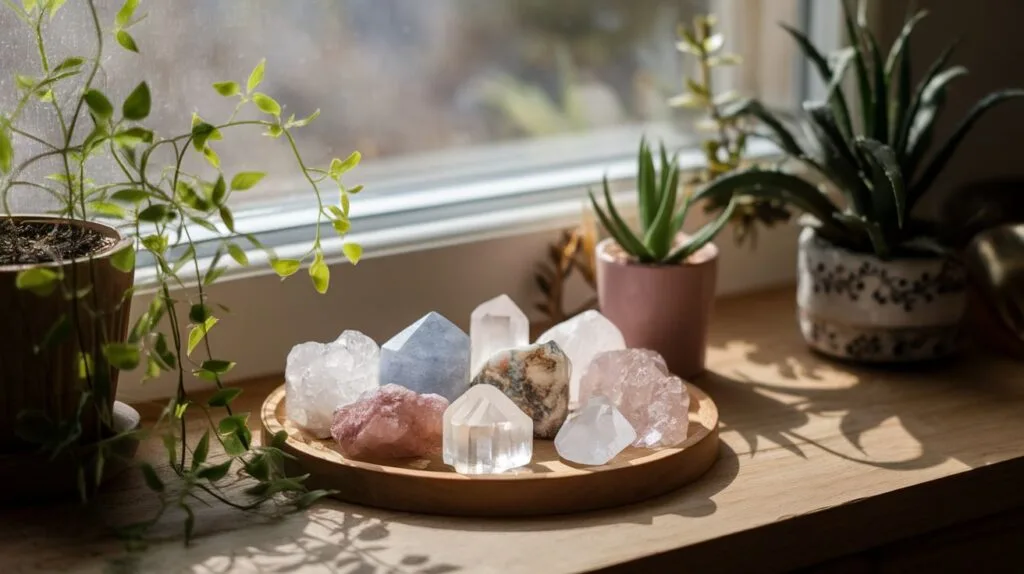
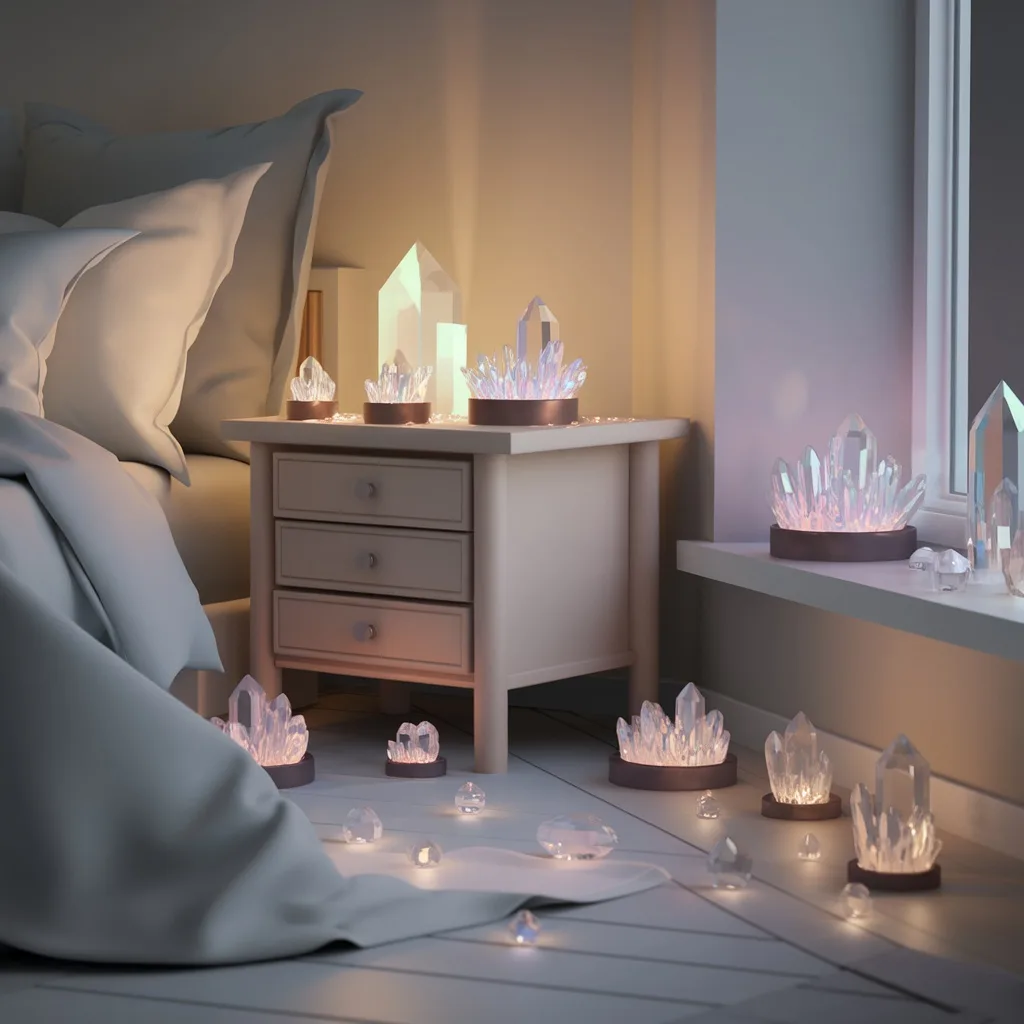
You can charge crystals in a windowsill through glass, but the method carries hidden risks. Many enthusiasts assume sunlight is universally safe for all stones. It isn't.
The type of glass and the specific mineral determine whether your crystal gains energy or fades into pale regret.
Standard window glass blocks most UVB rays but lets UVA pass. This partial filtration changes how light interacts with sensitive minerals. As of 2026, gemological data confirms that thermal stress remains the primary threat.
Let’s break down exactly when this method works and when it destroys your collection.
Image source: Bing (Web (fair-use with source credit))
Quick Answer
Yes, you can charge crystals on a windowsill. However, results vary by stone type. Hardened quartz handles indirect sun well.
Photosensitive gems like amethyst fade quickly. Check your glass UV rating first. Limit exposure to two hours maximum.
Move stones inside before peak heat hits. This prevents cracking and color loss. Always prioritize gentle morning light over harsh noon sun.
The Glass Window Filter: Why "Yes" Isn't Always Good Enough
Glass acts as a selective barrier, not a clear pane. Standard single-pane windows block about 90% of UVB radiation. They allow roughly 75% of UVA to pass through.
Double-glazed units with Low-E coatings filter nearly 99% of harmful UV. This distinction matters because UVA drives photodegradation in certain minerals.
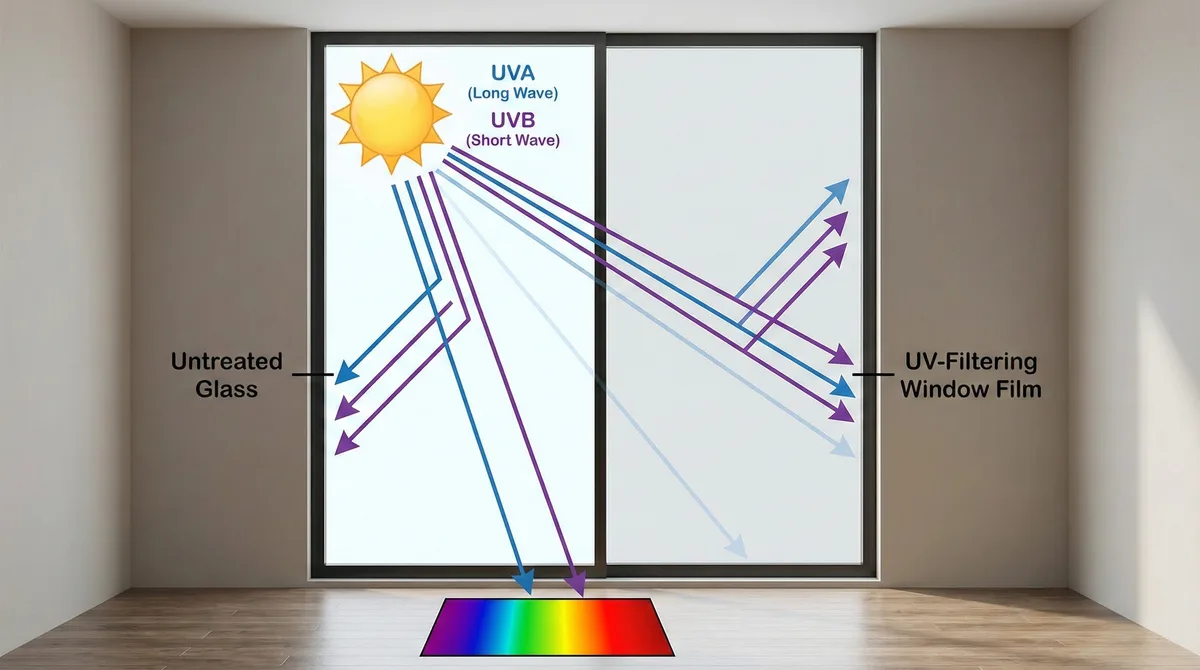
Thermal dynamics play an equal role. A sunny sill can reach temperatures 15°F higher than room air. Crystals expand slightly under heat.
If they cool rapidly at night, micro-fractures form. These cleavage planes weaken the stone’s structure over time. You aren't just charging energy; you're subjecting matter to physical stress.
Modern architectural glass complicates things further. Tinted panes reduce visible light transmission. Reflective coatings bounce infrared radiation away.
Both factors alter the "charge" intensity perceived by metaphysical practitioners. Scientifically, the stone absorbs less radiant energy. Practically, this means longer exposure times are needed.
Longer exposure increases fading risk for sensitive varieties.
We must separate myth from material science here. Sunlight provides warmth and photons. It does not magically infuse intent unless you believe in lithotherapy principles.
Even then, preserving the stone's physical integrity comes first. A faded purple amethyst holds no more power than a vibrant one. But it certainly looks worse.
Decision Branch 1: Is Your Crystal Photosensitive? (The Fade Test)
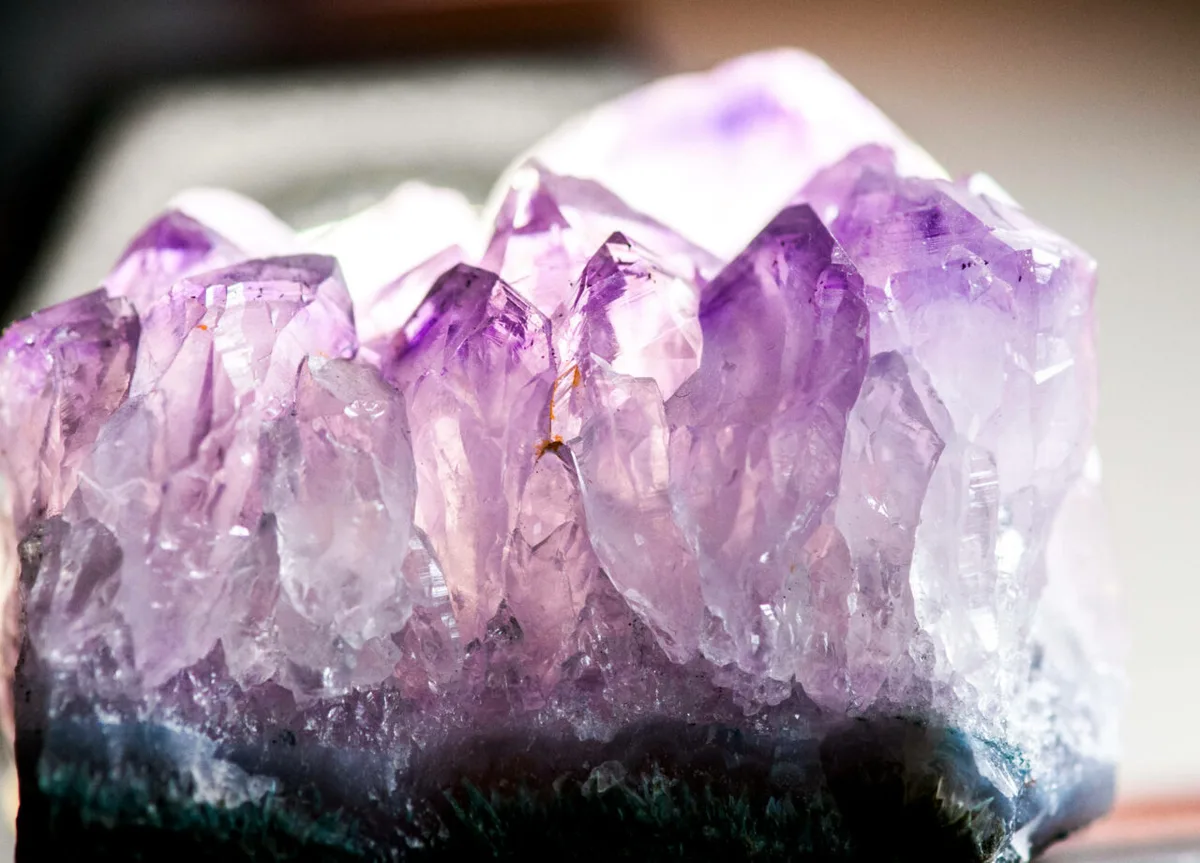
Image source: Bing (Web (fair-use with source credit))
Not all crystals react to light equally. Some contain chromophores that break down under UV exposure. Others remain stable indefinitely.
Identifying your stone’s sensitivity is the first step in any workflow. Ignore this, and you risk permanent damage.
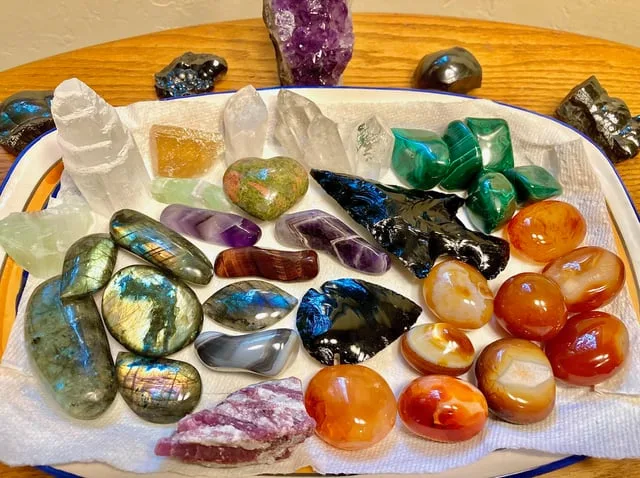
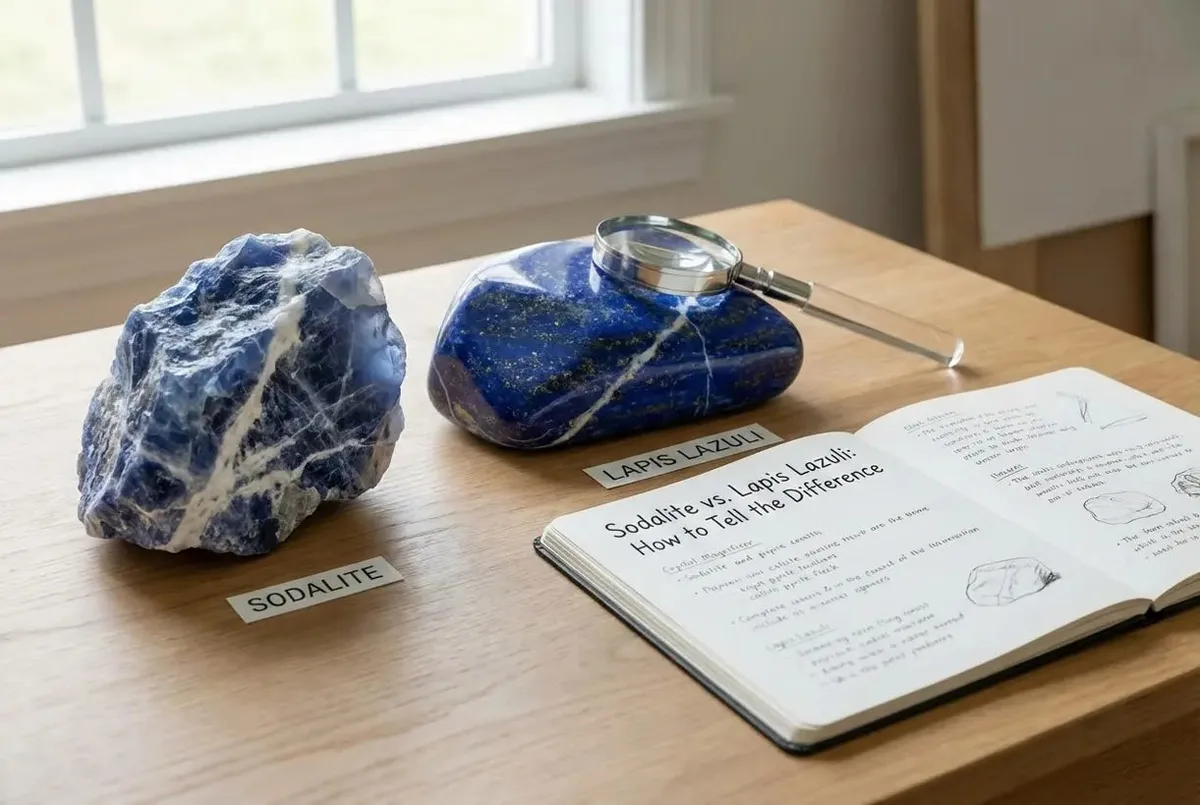
Photosensitive minerals include amethyst, rose quartz, kunzite, fluorite, and sodalite. These stones rely on trace elements like iron or manganese for color. Sunlight alters these atomic structures.
The result is irreversible bleaching. An amethyst turned gray cannot be restored to purple.
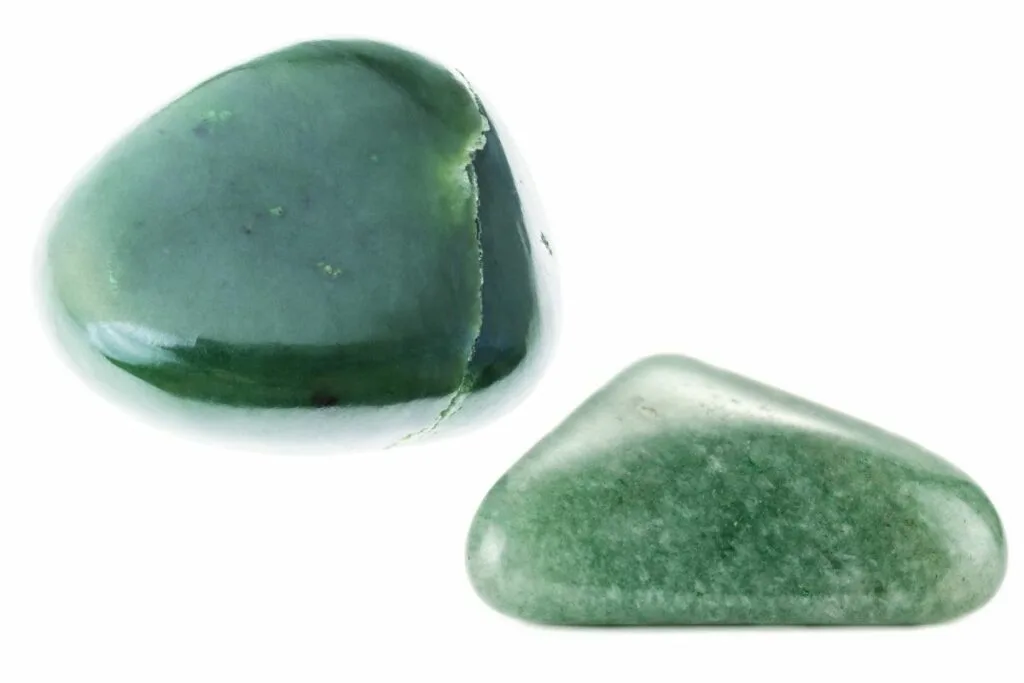
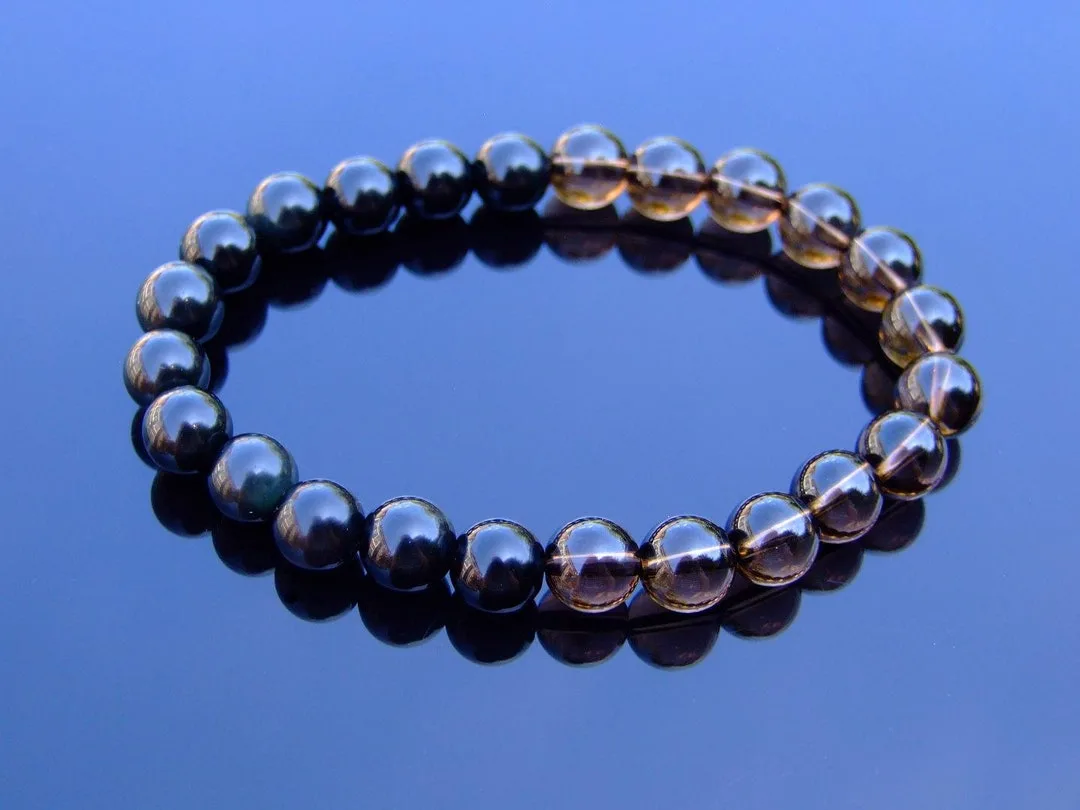
Stable minerals tolerate light better. Clear quartz, citrine, carnelian, tiger’s eye, and obsidian resist fading. Citrine is often heat-treated amethyst, so it handles warmth well.
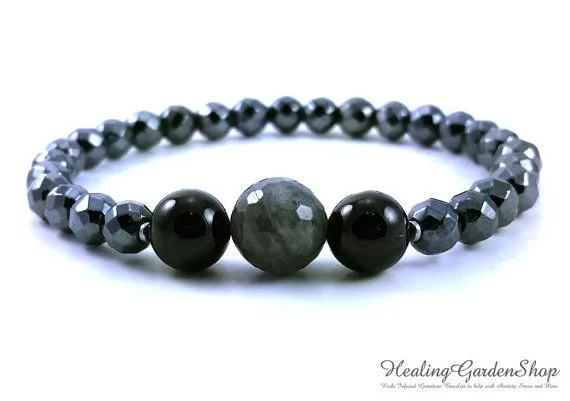
Black tourmaline and hematite also withstand direct exposure. Their dark pigments absorb energy without structural change.
How do you know if your stone is sensitive? Check its origin and treatment history. Natural, untreated amethyst fades fastest.
Dyed agates may bleed color in water but hold up in sun. Porous stones like turquoise suffer from both heat and drying. They crack when moisture evaporates too quickly.
If you own a mixed collection, sort them now. Place photosensitive gems in shaded areas. Reserve sunny sills for hardy varieties.
This simple categorization prevents accidental ruin. Remember, once the color goes, it stays gone. No amount of moonlight will bring it back.
Decision Branch 2: Thermal Shock and the Hidden Heat Trap
Heat kills crystals faster than light does. Thermal shock occurs when temperature changes abruptly. Imagine placing a hot stone into cold evening air.
Or moving a chilled gem onto a blazing sill. The outer layer expands while the core lags behind. Stress builds until fractures appear.
Windowsills create microclimates. Glass traps infrared radiation. Air circulation stagnates.
Temperatures spike unpredictably. In summer, a south-facing sill can exceed 120°F. Most crystals survive brief spikes.
Prolonged exposure weakens bonds.
Cleavage planes define vulnerability. Stones like mica or feldspar split easily along flat surfaces. Heat exacerbates this tendency.
Internal fluids vaporize. Pressure rises. The stone pops or cracks audibly.
You might hear a faint tick. That’s the sound of destruction.
Even non-porous quartz suffers. Micro-inclusions within the lattice shift under heat. These tiny flaws become fracture points.
Over months of daily cycling, the stone loses clarity. Cloudiness replaces brilliance. This degradation is subtle at first.
By the time you notice, it’s advanced.
Mitigate risk by monitoring ambient conditions. Use a thermometer on the sill. Keep temps below 90°F for extended sessions.
Avoid charging during heatwaves. Bring stones inside before sunset. Rapid cooling triggers shock.
Gentle transitions preserve integrity. Patience protects your investment.
Step-by-Step Workflow: Safe Windowsill Charging Protocol
Follow this sequence to maximize safety and efficacy. Deviating increases risk. Treat each step as mandatory.
Consistency yields better results than sporadic efforts.
- Identify Stone Type: Confirm your crystal is thermally stable. Exclude photosensitive varieties unless using indirect light only.
- Clean Physically: Wash with lukewarm water if non-porous. Dry completely. Dust blocks light absorption. Oils attract grime.
- Assess Window Orientation: East-facing sills offer gentle morning sun. West-facing provide intense afternoon heat. North-facing give diffuse light. South-facing are highest risk.
- Position Strategically: Place stones near the edge for indirect exposure. Center them only if glass is UV-filtered and temps stay low.
- Set Timer: Limit initial sessions to 30 minutes. Observe for heat buildup. Increase gradually to 2 hours max. Never leave overnight.
- Monitor Temperature: Touch test hourly. If hot to touch, remove immediately. Use a digital probe for accuracy.
- Retrieve Before Peak Heat: Bring stones inside by 11 AM in summer. Evening chill causes shock if removed late.
- Store Properly: Wrap in soft cloth. Keep in dark drawer. Prevents residual light exposure and dust accumulation.
This workflow balances energetic intent with physical preservation. It adapts to seasonal changes. Adjust timers for winter versus summer.
Flexibility ensures longevity. Rigidity leads to mistakes.
Alternatives When the Sun is Too Harsh or Indirect
Sometimes the windowsill fails you. Cloudy weeks persist. Glass filters too much light.
Or your stones are strictly photosensitive. Don’t force solar charging. Explore safer methods.
Moonlight offers gentle replenishment. Full moons provide peak illumination. Place stones outside or on a bright sill.
No UV risk exists. Thermal stability remains constant. This suits amethyst and rose quartz perfectly.
Wait for clear skies. Humidity doesn’t harm sealed gems.
Sound vibration clears energetics instantly. Singing bowls or tuning forks work well. Strike gently near the stone.
Waves penetrate the lattice. No physical contact needed. Ideal for fragile specimens.
Avoid high frequencies that cause resonance cracking. Stick to lower tones.
Running water cleanses porous stones cautiously. Only use for non-soluble minerals. Quartz tolerates brief rinses.
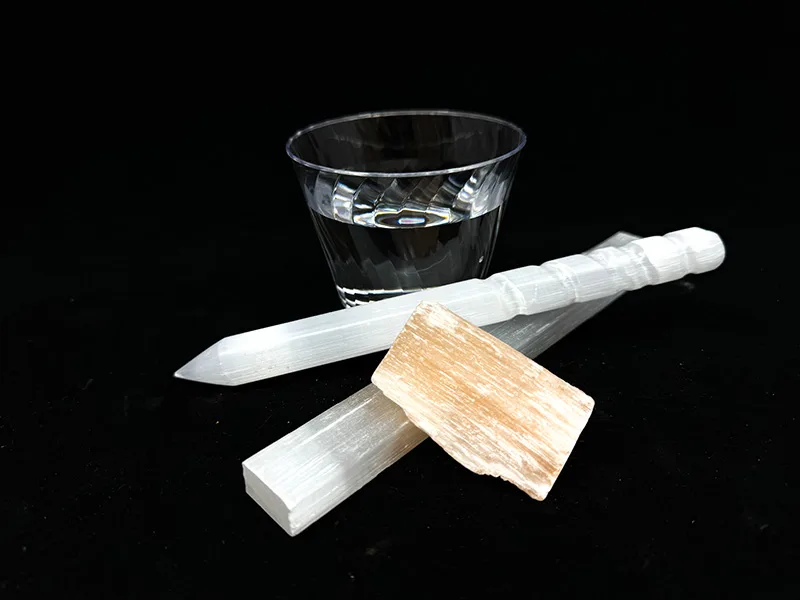
Selenite dissolves. Halite melts. Know your chemistry.
Distilled water prevents mineral deposits. Dry thoroughly afterward. Moisture trapped inside causes mold or expansion.
Earth burial grounds excess energy. Bury stones in garden soil for 24 hours. Nature regulates temperature.
Moisture levels stabilize. Retrieve and clean. This resets heavy energies effectively.
Ensure soil is free of chemicals. Pesticides contaminate porous surfaces.
Each alternative serves specific needs. Match method to stone property. Versatility prevents reliance on unpredictable weather.
Diversify your practice. Resilience grows with variety.
Common Mistakes That Ruin Stones on Sills
Leaving crystals out overnight is the most frequent error. Temperature drops sharply after sunset. This rapid cooling causes thermal shock in stressed minerals.
You might wake up to a cracked piece of quartz. Always retrieve stones before dusk, even if they feel warm.
Ignoring window orientation leads to uneven charging. South-facing sills get intense afternoon heat. North-facing spots stay cool but dim.
Placing sensitive gems in direct south sun accelerates fading. Check your compass direction before setting up any routine.
Forgetting to clean the sill invites pests and dust. Debris blocks light penetration. It also attracts insects that damage porous stones.
Wipe the surface weekly with a damp cloth. Dry it thoroughly to prevent moisture buildup near the glass.
Many users assume all "sun-safe" stones are identical. Citrine and yellow calcite behave differently under UV light. One may darken while the other stays stable.
Relying on generic advice ignores mineral-specific chemistry. Verify each stone’s reaction individually during short test periods.
Neglecting to rotate positions creates hotspots. Fixed placement concentrates heat on one face. This warps internal structures over time.
Shift stones slightly every few days. Even distribution preserves shape and clarity for longer lifespans.
Quick Reference Table: Stone Type vs. Exposure Strategy
Use this guide to match your crystal to the right windowsill method. It simplifies decision-making by grouping stones by risk level. Print it out or keep it handy for quick checks.
| Stone Category | Examples | Max Sun Exposure | Best Time Slot | Risk Level |
|---|---|---|---|---|
| Photosensitive | Amethyst, Rose Quartz, Kunzite | None (Indirect only) | Early Morning (<9 AM) | High Fading |
| Thermally Stable | Clear Quartz, Citrine, Tiger’s Eye | 1–2 Hours | Mid-Morning (9–11 AM) | Moderate Heat |
| Dark/Opaque | Obsidian, Black Tourmaline, Hematite | Up to 4 Hours | Late Afternoon (3–5 PM) | Low Damage |
| Porous/Fragile | Turquoise, Malachite, Selenite | Avoid Direct Sun | Shaded Spot Only | Very High Cracking |
Note that "indirect light" means no visible beams hitting the stone. Diffused daylight still works for gentle charging. For high-risk stones, skip the windowsill entirely.
Use moonlight or sound bowls instead. This table prevents guesswork. It saves you from ruining expensive specimens through simple oversight.
Adjust times based on your local climate and season. Summer requires stricter limits than winter.
FAQs: UV Myths, Moonlight, and Specific Stones
Does glass block all harmful UV rays?
No. Standard float glass blocks most UVB but allows significant UVA passage. UVA drives photodegradation in many minerals.
Double-glazed units with Low-E coatings block nearly 99% of UV. Always check your specific window type. Assume partial transmission unless verified otherwise.
Never rely on glass alone for protection.
Can I charge amethyst on a windowsill?
Only if the light is indirect and brief. Direct sunlight fades amethyst permanently within weeks. Place it behind sheer curtains or in a north-facing spot.
Limit exposure to 30 minutes max. Better yet, use moonlight or smoke cleansing. Protect its vibrant purple color by avoiding solar intensity.
Is moonlight better than sunlight for charging?
For photosensitive stones, yes. Moonlight provides gentle energy without UV damage or heat stress. It suits amethyst, rose quartz, and kunzite perfectly.
Wait for a full moon for peak effectiveness. No timer is needed since temperatures remain stable. This method eliminates thermal shock risks entirely.
How long should I leave citrine outside?
Citrine tolerates heat well due to its stability. Leave it on a sunny sill for 1, 2 hours. Morning light is ideal to avoid peak afternoon temps.
Bring it inside before it gets too hot. Rotate it halfway through to ensure even exposure. Monitor for any unusual cloudiness or fractures.
What happens if my crystal cracks on the sill?
Stop using that spot immediately. Check for sharp edges that could cut skin. Dispose of severely damaged pieces safely.
Minor chips can be polished by a professional jeweler. Review your workflow for thermal shocks or impacts. Prevent future breaks by lowering exposure times and monitoring temperatures closely.

Similar Posts