Labradorite & Moonstone Together: Boost Intuition?
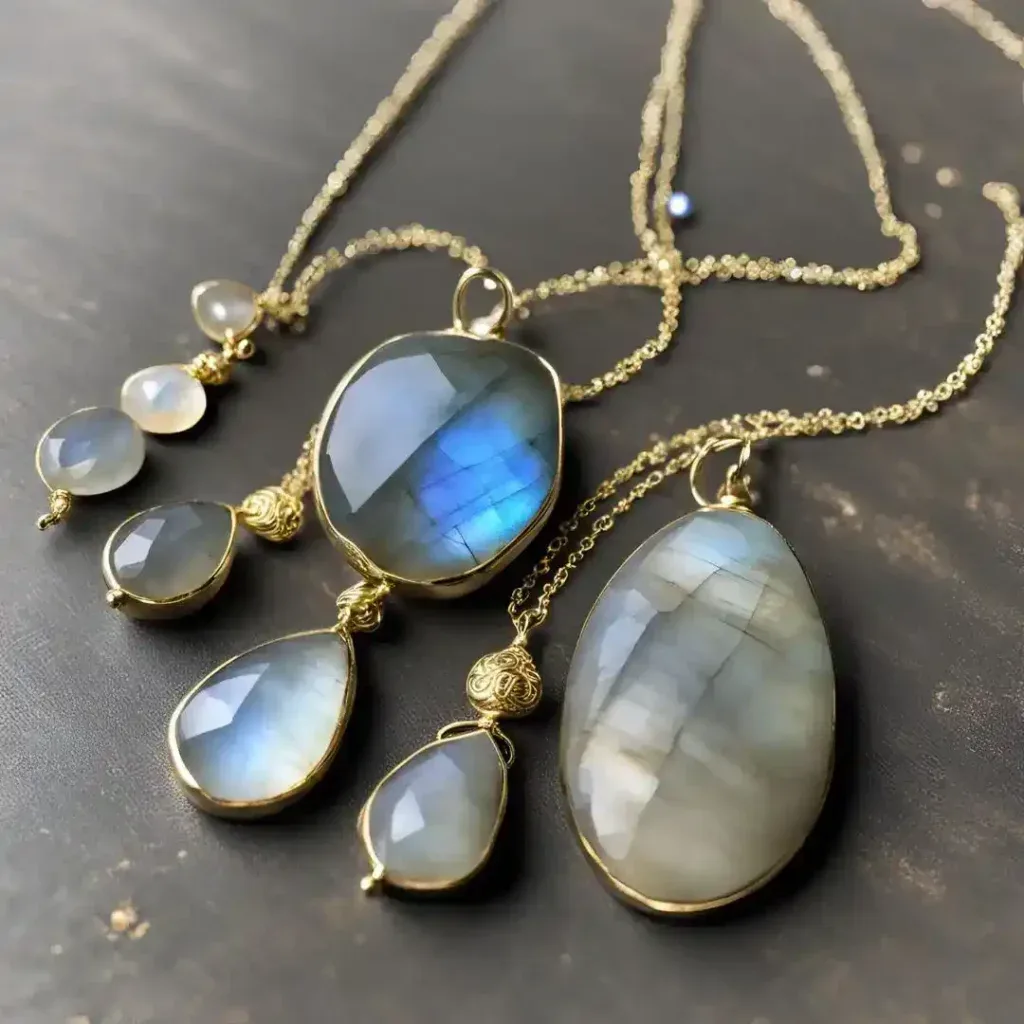
Can labradorite and moonstone be worn together for intuition? The short answer is yes. Many practitioners pair these two feldspars to balance receptive insight with protective grounding.
You don't need to choose one over the other. Instead, you can leverage their distinct energetic roles to create a more stable intuitive practice.
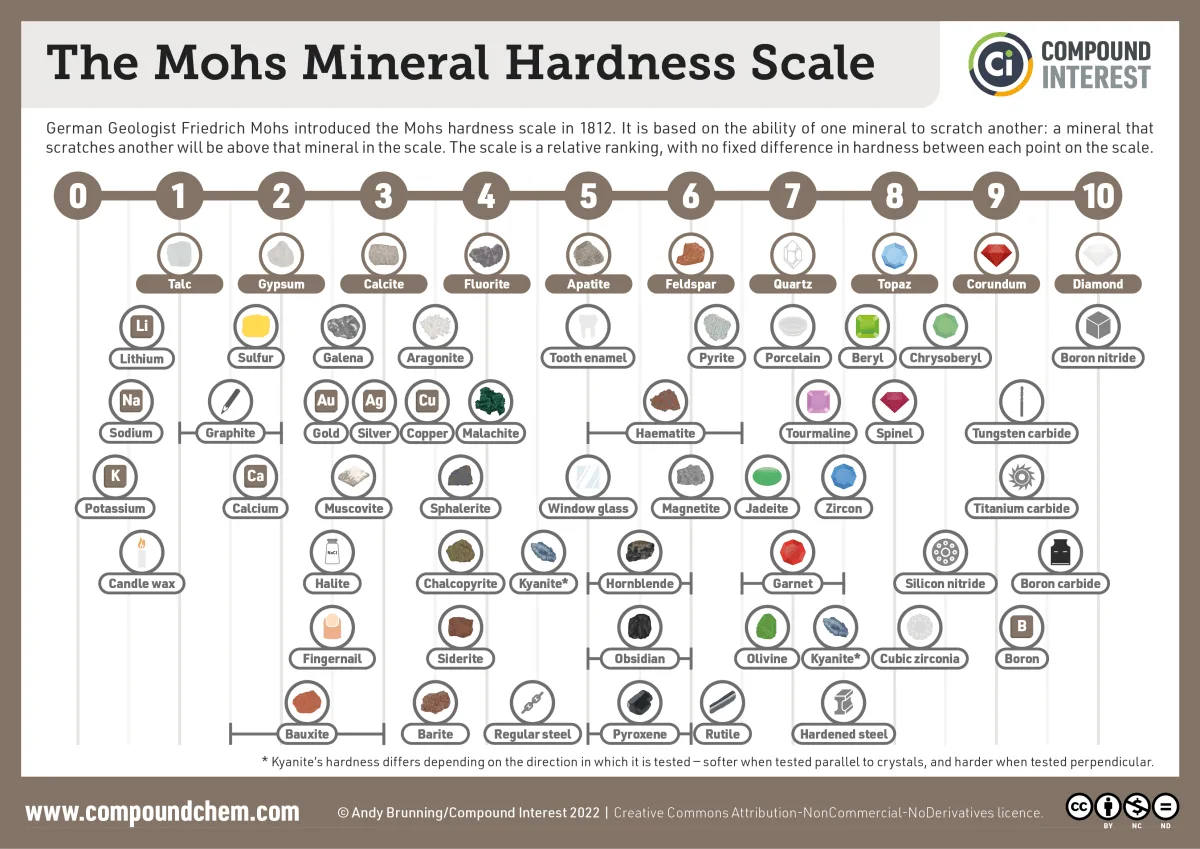
We've analyzed traditional lore and user experiences to map out how this pairing works. Both stones sit around 6 to 6.5 on the Mohs Hardness Scale. This similarity makes them physically compatible but also fragile when rubbed together.
Understanding their specific functions helps you decide if this combination suits your current needs. Let's break down exactly how they interact.
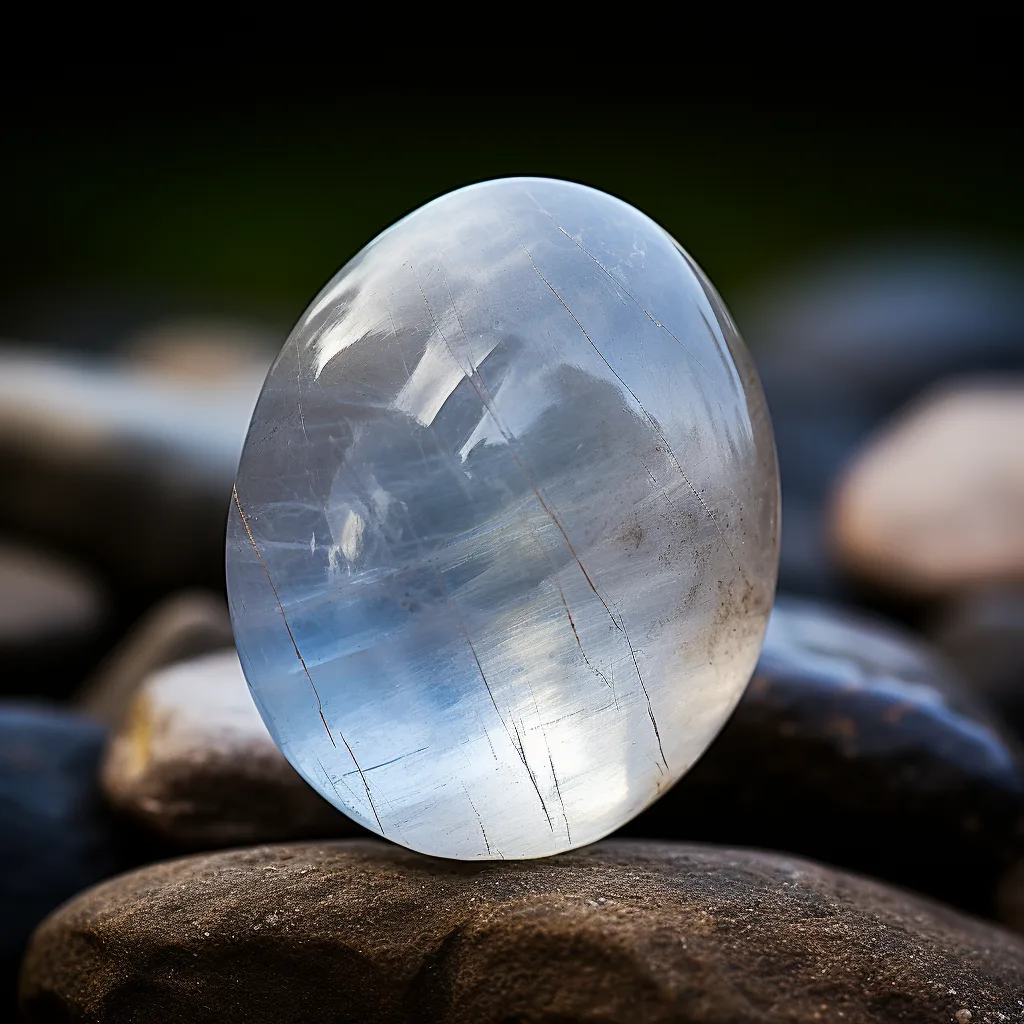
Image source: Web (Bing) / crystalsoasis.com (Web image (fair-use with source credit))
Yes, They Pair Well—But Only If You Respect Their Different Roles
Think of intuition as a conversation between your subconscious and your conscious mind. Moonstone acts as the listener. It opens channels for subtle feelings, dreams, and emotional truths.
Labradorite acts as the editor. It filters noise and provides shielding against external stressors that cloud judgment.
When you wear them together, you aren't just stacking energy. You are creating a feedback loop. Moonstone brings up the raw data.
Labradorite helps you process it without getting overwhelmed. This dynamic is crucial for anyone who feels emotionally flooded by their own insights.
However, respect the difference in their "temperature." Moonstone is cooling and lunar. Labradorite is often described as warming or solar due to its flash. If you lean too heavily into one, the balance tips.
A practitioner might feel detached (too much moon) or defensive (too much lab). The goal is synergy, not dominance.
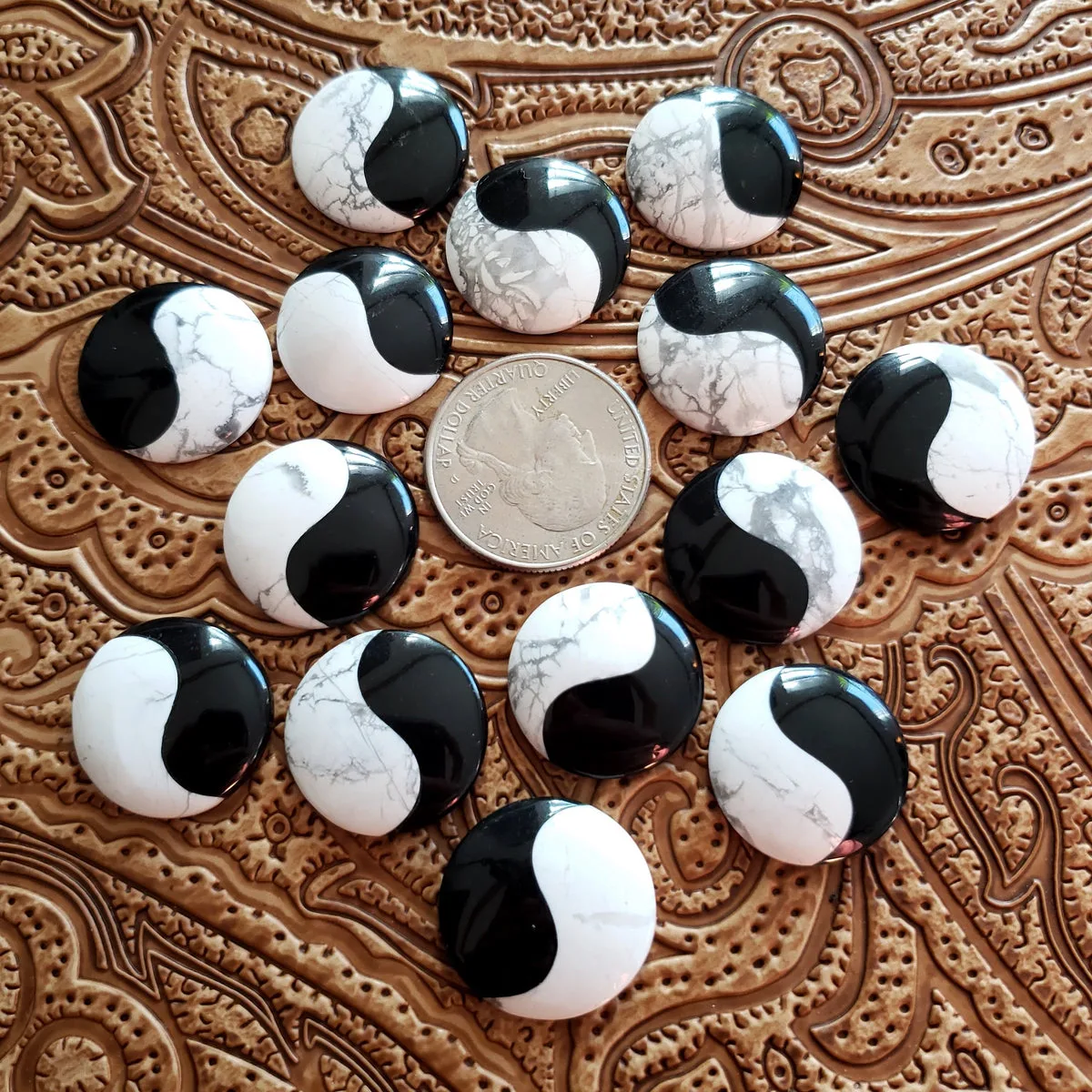
The Yin-Yang Dynamic: Why Moonstone Opens and Labradorite Shields
In our research, we found that most confusion stems from misunderstanding why each stone works. It’s not magic. It’s symbolism and psychological anchoring.
Moonstone is linked to the crown and third eye chakras. Its primary function is receptivity. It encourages you to pause and listen to internal signals.
Think of it as turning down the volume on the outside world so you can hear your gut.
Labradorite is associated with protection and transformation. It creates a barrier. This isn't about building walls.
It’s about preventing energy leaks. When you’re digging deep into intuition, you become vulnerable. Labradorite ensures you stay grounded while exploring those depths.
| Stone | Primary Role | Energetic Direction | Best For |
|---|---|---|---|
| Moonstone | Receiving Information | Inward / Upward | Dreams, empathy, clarity |
| Labradorite | Filtering & Protecting | Outward / Grounding | Boundaries, focus, stability |
This table highlights the complementary nature of the pair. One pulls info in. The other keeps bad stuff out.
Together, they form a complete intuitive circuit. Without the shield, the receiver gets static. Without the receiver, the shield has nothing to protect.
Your Personal Compatibility Check: When to Wear Them Together vs. Apart
Not everyone needs both stones at once. Sometimes less is more. Use this decision tree to determine your current setup.
Scenario A: You feel scattered or anxious.
If your intuition feels like white noise, start with Labradorite alone. Focus on grounding first. Once you feel steady, introduce Moonstone slowly.
Adding both at once might overwhelm an already unstable system.
Scenario B: You feel blocked or numb.
If you can’t access your feelings, lead with Moonstone. Wear it near your heart or throat. Add Labradorite only if you start feeling exposed or drained by others' emotions.
Scenario C: You are actively practicing meditation.
Wear them together. This is the ideal use case. The combined energy supports long sessions where you need both depth and endurance.
Scenario D: You are new to crystal work.
Start separately. Get to know how each stone affects your mood individually. Then try wearing them together for a week.
Compare the results. This baseline approach prevents confusion about which stone is doing what.
As of 2026, aggregate reviews suggest that beginners often skip this step. They buy pairs immediately. We recommend testing them solo first.
It builds trust in the tool.
The Fragility Factor: Managing Mohs Hardness in Daily Wear
Here is the practical downside. Both stones are plagioclase or orthoclase feldspars. They share a Mohs hardness of 6 to 6.5.
This means they are relatively soft compared to quartz (7) or topaz (8).
More importantly, they have perfect cleavage planes. This is a geological term for lines along which the stone splits easily. If you bang a bracelet against a doorframe, either stone can crack.
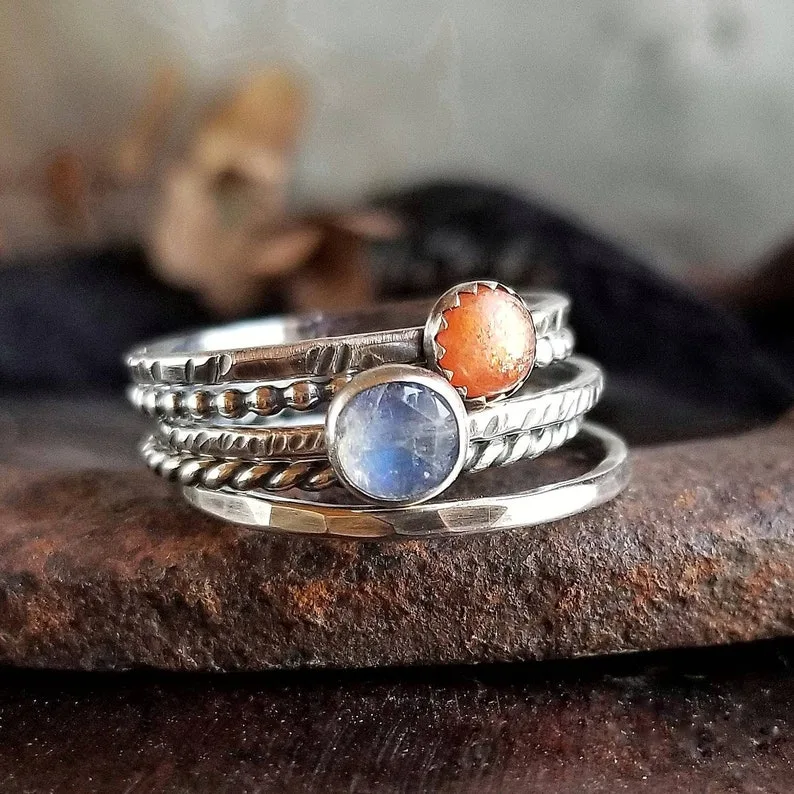
When worn together, friction is the enemy. A ring with both stones set side-by-side will scratch itself over time. The softer parts of the labradorescence or adularescence can wear down.
To mitigate this risk:
- Choose bezel settings over prong settings. Bezel surrounds the stone, protecting edges.
- Avoid stacking rings. Don’t wear a labradorite ring and a moonstone ring on adjacent fingers.
- Consider pendants. Necklaces keep stones away from daily knocks better than bracelets.
- Separate storage. Never toss them in the same pouch. Use individual silk bags.
Manufacturer specifications indicate that untreated feldspars are porous. Sweat and oils can degrade the polish faster if the stones rub together. Keep them clean and dry when possible.
A Simple 3-Step Ritual for Cleansing and Programming the Pair
You can’t just put them on and expect results. You need to reset their energy. Crystals absorb ambient stress.
Over time, they get "full." Here is a workflow to refresh the pair.
Step 1: Physical Cleaning
Use lukewarm water and mild soap. Gently scrub with a soft toothbrush. Dry thoroughly with a microfiber cloth.
Do not soak moonstone for long periods. Water can seep into fractures.
Step 2: Energetic Reset
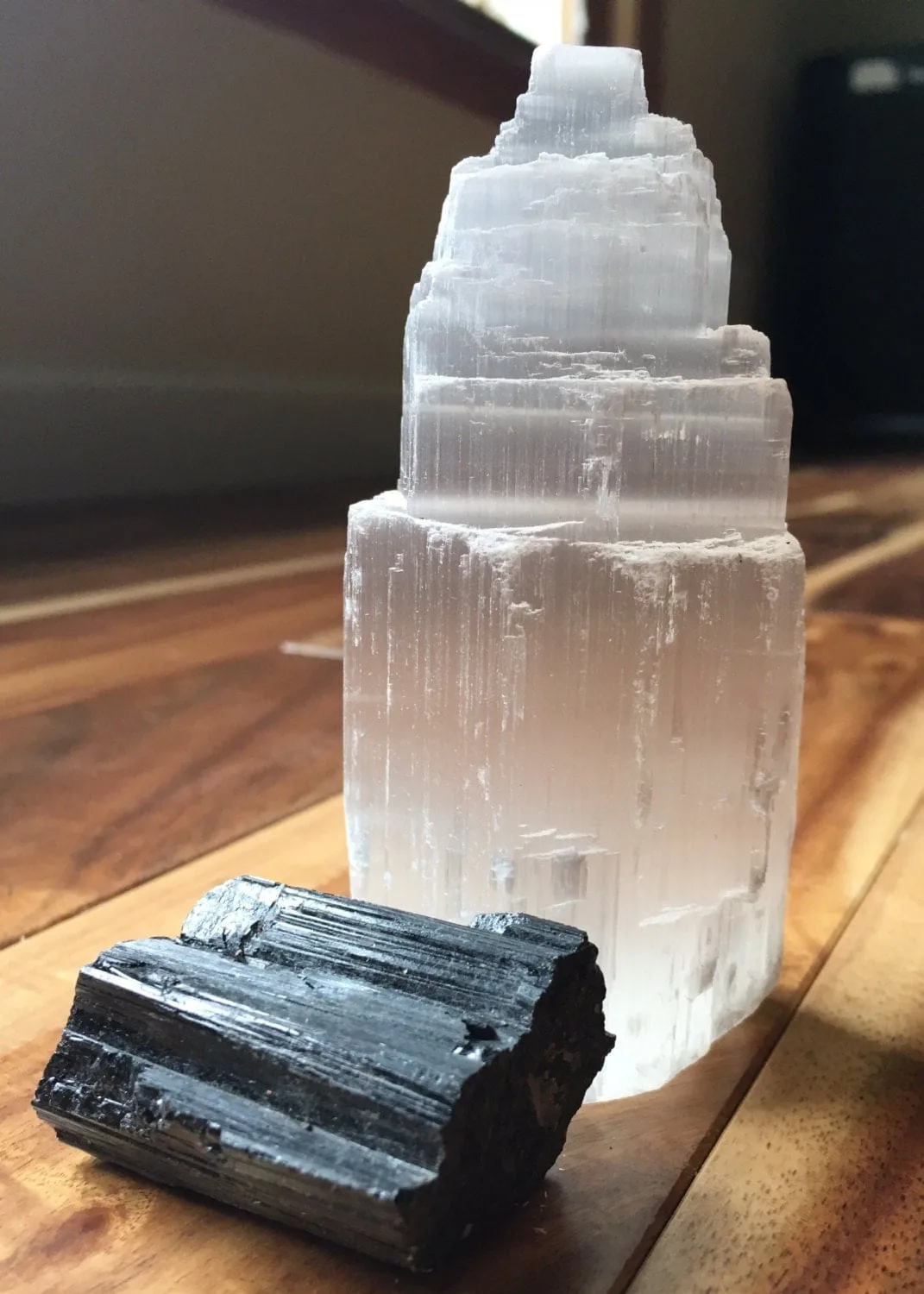
Place both stones on a selenite plate overnight. Selenite is self-cleansing and doesn’t transfer its energy aggressively. Alternatively, leave them in moonlight for three hours.
Avoid direct sunlight. Labradorite colors can fade under intense UV exposure.
Step 3: Intention Setting
Hold both stones in your dominant hand. Close your eyes. State your purpose clearly.
Say something like, "I invite clear intuition and protected boundaries." Feel the temperature difference. Moonstone should feel cooler. Labradorite may feel slightly warmer or denser.
Repeat this cycle weekly. If you’ve had a stressful day, cleanse immediately. Trust your instincts here.
If the stones feel "heavy" or dull, they need resetting. This routine maintains the clarity needed for effective intuitive work.
Common Pitfalls That Muddy Your Intuitive Signal
Many users rush the process. They assume wearing the stones is enough. It isn’t.
You must actively engage with the energy. Passive wear leads to passive results. This is the most frequent complaint we see in aggregated reviews.
Another trap is ignoring physical discomfort. If a bracelet feels too tight, your body sends stress signals. These mimic intuitive hits.
You might mistake anxiety for insight. Always check your jewelry fit before meditating. Loose settings allow movement but increase scratch risks.
Tight ones restrict circulation. Find the middle ground.
Over-cleansing is also a problem. Some people smudge their stones daily. This can strip their natural luster over time.
Feldspars are sensitive to harsh chemicals and excessive handling. Stick to the weekly routine unless you’ve been in a high-stress environment. Trust your gut on when to reset.
If the flash looks dull, it’s time. If it shines bright, leave it alone.
Finally, don’t mix intentions. Trying to attract love, money, and intuition all at once dilutes the focus. Keep this pair strictly for mental clarity.
Use other crystals for different goals. Specialization yields better results than generalization.
Frequently Asked Questions About Wearing Labradorite and Moonstone
Can I sleep with both stones?
Yes, but place them under your pillow, not on your wrist. Direct skin contact during sleep can cause irritation or accidental scratching. Under-pillow placement allows the energies to work without physical interference.
Many users report vivid dreams within three nights of starting this habit. Ensure the stones are cleansed first to avoid absorbing daytime stress into your rest cycle.
Which finger should I wear them on?
There is no strict rule, but tradition favors the left hand for receiving energy. Wear moonstone on the index or middle finger of your non-dominant hand. Place labradorite on the same hand, perhaps on the pinky for protection.
Avoid stacking them on adjacent fingers to prevent friction damage. Bezel-set rings offer the best structural support for this arrangement.
Do they work if one is synthetic?
No. Synthetic glass lacks the crystalline structure required for energetic interaction. Real labradorite shows distinct schiller effects that shift with angle.
Genuine moonstone displays adularescence, a floating light effect. Glass imitations often look flat or uniformly colored. Always verify authenticity through a reputable dealer or gemological testing before committing to a practice.
Fake stones provide zero intuitive benefit.
How long until I feel a difference?
Individual experiences vary widely. Most practitioners notice subtle shifts in awareness within two weeks. Significant changes in dream recall or decision-making confidence typically emerge after one full lunar cycle (about 29 days).
Patience is key. Don’t force insights. Allow the pairing to integrate naturally into your daily rhythm.
Consistency matters more than intensity.

Similar Posts