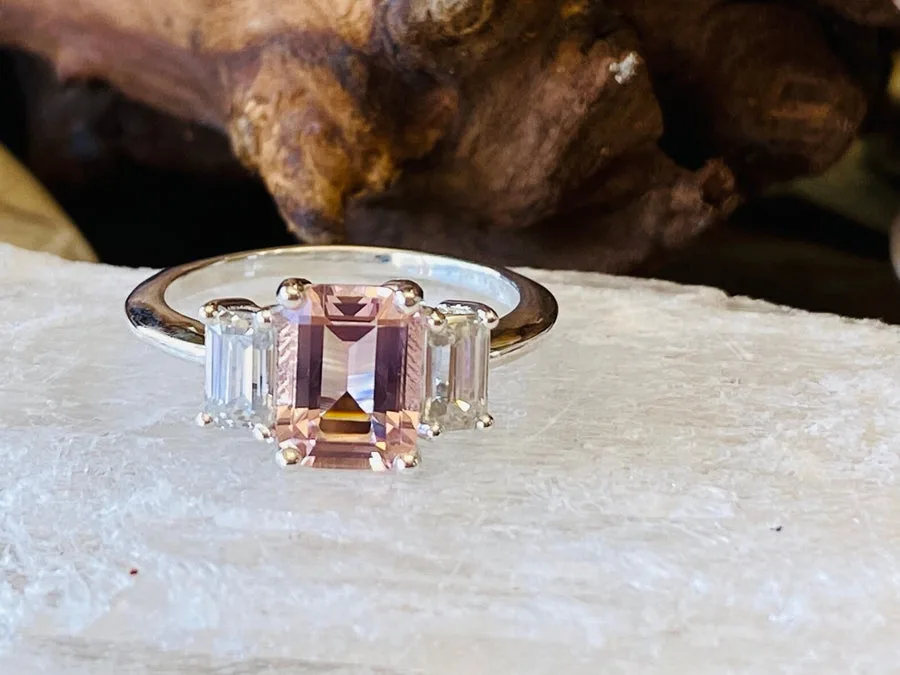
How to Safely Clean Thrifted Crystal Jewelry
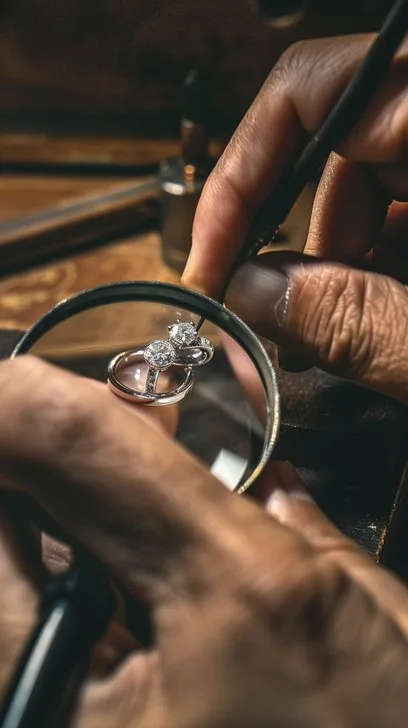
Finding a beautiful crystal ring at your local thrift shop feels like magic. But that excitement fades fast when you realize the piece has unknown history. You don't know who wore it, what touched it, or how long it sat in a box.
Learning how to cleanse thrifted secondhand crystal jewelry safely is crucial for both hygiene and preservation.
Many people assume water and soap fix everything. That’s a dangerous gamble with certain minerals. The Gemological Institute of America notes that porous stones absorb liquids rapidly.
This can trap bacteria deep inside the lattice structure. We need a smarter approach that respects the material science behind each gem.
Image source: Bing (Web (fair-use with source credit))
Why "Safe" Means More Than Just Clean
Safety here covers two distinct risks: biological contamination and structural damage. Thrift store items often carry skin oils, lotions, and potential pathogens. Standard household cleaners might kill germs but destroy the stone.
For instance, ultrasonic cleaners use high-frequency vibrations. These can shatter fractures in quartz or dissolve glue in vintage settings.
You also face chemical hazards. Older jewelry may contain lead-based paints or cadmium plating. Improper handling releases toxic dust or fumes.
Our research indicates that many pre-1980s alloys lack modern safety standards. Ignoring this leads to skin rashes or worse. True safety means neutralizing bio-risks without compromising the mineral integrity.
It requires knowing exactly what your stone is made of before applying any liquid.
Identify Your Stone Before You Touch It
Never guess. Misidentification causes most irreversible damage. Start by checking for hallmarks on metal clasps.
Look for stamps like "925" for sterling silver or "14K" for gold. If the stone looks cloudy, check its hardness using the Mohs scale reference.
Hardness determines water resistance. Quartz (Mohs 7) handles lukewarm water well. Opal (Mohs 5.5, 6.5) contains water internally.
Soaking opals causes crazing, which creates tiny internal cracks. Porous stones like turquoise, malachite, and selenite absorb fluids instantly. They cannot be submerged.
Create a quick mental map of your piece. Is the stone glued or prong-set? Glue dissolves in alcohol or acetone.
Prongs hold tight but hide dirt underneath. Wire-wrapped pieces trap debris in coils. Identifying these traits dictates your cleaning method.
Skip any step that conflicts with your findings. When in doubt, treat the item as fragile and porous until proven otherwise.
The Physical Sanitation Protocol for Thrifted Jewelry
Once identified, begin with dry methods. Use a soft-bristle toothbrush to dislodge surface grit. Work gently around settings to avoid loosening stones.
This removes bulk dirt without introducing moisture.
Next, prepare a mild cleaning solution. Mix warm water (around 98°F/37°C) with a drop of fragrance-free dish soap. Avoid hot water, which expands metal faster than stone.
Dip a microfiber cloth into the mix. Wring it out thoroughly so it’s damp, not dripping.
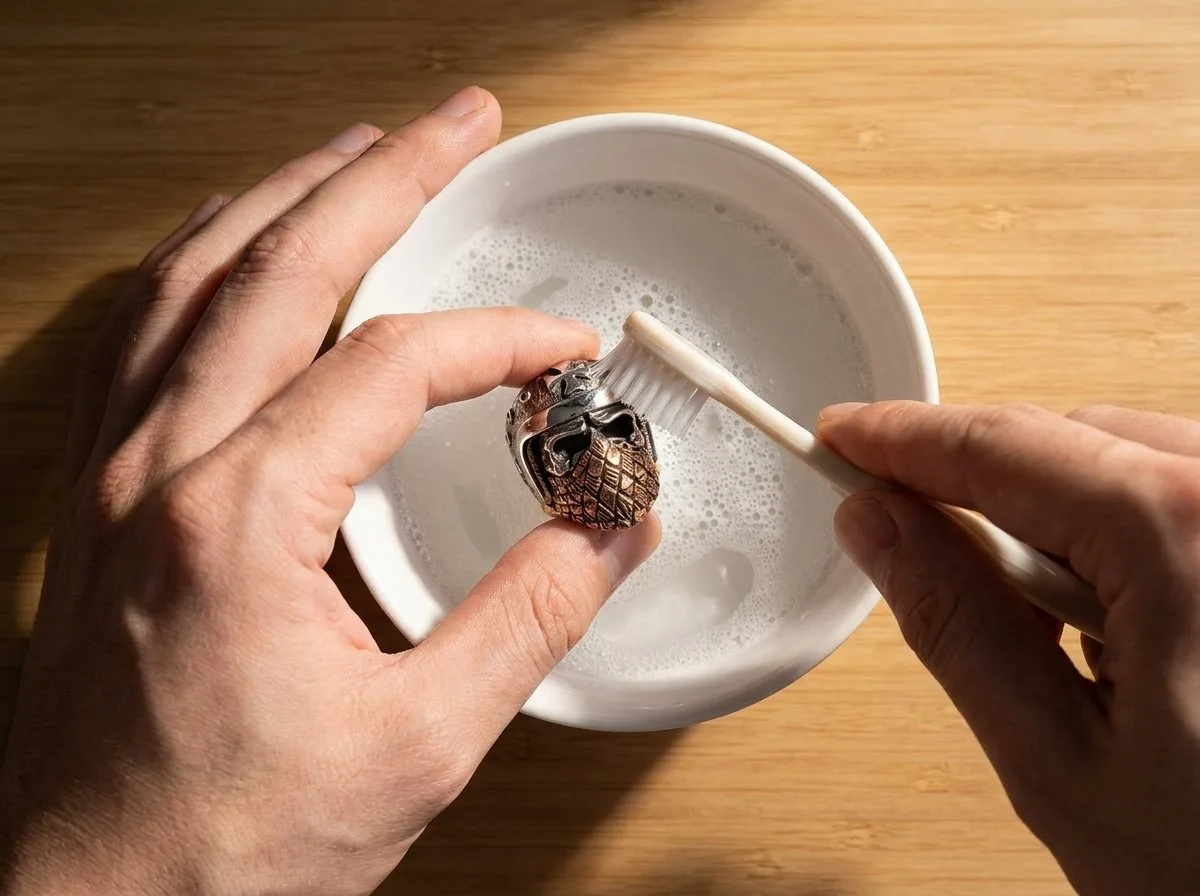
Wipe the stone surfaces carefully. Do not soak the jewelry. Focus on crevices where grime accumulates.
Rinse the cloth frequently in clean water. Repeat wiping until no residue transfers. Dry immediately with a separate lint-free towel.
Let the piece air-dry completely on a paper towel for at least one hour. This prevents moisture from seeping into hidden cracks.
For metal tarnish, use a specialized polishing cloth designed for silver or gold. Rub lightly along the grain of the metal. Never polish over the stone unless it’s durable diamond or sapphire.
Soft gems scratch easily from abrasive cloths.
Handling Porous and Fragile Minerals Without Damage
Porous minerals demand extreme caution. Selenite, halite, and unsealed turquoise fall into this category. Water acts as a solvent for their crystalline structures.
Even brief exposure can cause pitting or dissolution.
Use only dry brushing for these stones. If disinfection is necessary, apply 70% isopropyl alcohol to a cotton swab. Dab the surface quickly.
Alcohol evaporates fast, reducing absorption time. Test on a hidden spot first. Watch for color changes or cloudiness.
Some collectors prefer smoke cleansing for energetic purposes. Sage or palo santo smoke doesn’t wet the stone. However, smoke leaves resinous buildup.
This attracts more dirt over time. Combine smoke with physical dry brushing for best results.
Heat-sensitive stones like amber and coral require cool temperatures. Warm water softens amber. Cold water shocks coral.
Stick to room-temperature damp cloths for these organic materials. Patience pays off here. Rushing destroys unique geological formations permanently.
Removing Toxic Residues: Lead, Nickel, and Old Glue
Vintage pieces pose serious health risks. Pre-1970s painted beads often contain lead oxide. Inhaling dust from chipping paint is hazardous.
Wear nitrile gloves when handling suspected lead items. Do not sand or scrape them.
Nickel allergies affect millions. Base metal alloys frequently contain nickel. Symptoms include itching, redness, and blistering.
If you suspect nickel sensitivity, coat the inner band with clear nail polish. This creates a barrier between skin and metal. Reapply weekly.
Old adhesives degrade over decades. Cyanoacrylate (super glue) turns brittle. Epoxy yellows and loses bond strength.
Check for loose stones by tapping gently. If a stone rattles, stop cleaning. Take it to a jeweler for re-setting.
Attempting to clean a loose stone forces debris underneath. This makes professional repair harder and costlier.
Discard cleaning runoff properly. Contaminated water shouldn’t enter drinking systems. Pour small amounts down the drain with plenty of cold water.
Collect larger residues in sealed containers for hazardous waste disposal if lead is involved. Always wash hands after handling thrifted jewelry, even with gloves.
When to Skip DIY and Call a Professional
Sometimes the risk outweighs the reward. If your piece features antique filigree, you should probably stop right there. Those intricate metalwork designs trap grime in microscopic crevices.
Home cleaning methods rarely reach deep enough without damaging delicate wires. A professional jeweler uses steam and ultrasonic baths calibrated for specific metals. They know exactly how long to expose the item without causing fatigue.
Another red flag is significant structural damage. Cracked settings or bent prongs need repair before cleaning. Trying to scrub a loose stone often pushes debris further into the mount.
This complicates future restoration efforts. Per Gemological Institute of America guidelines, handling compromised pieces requires specialized tools. Don’t attempt to fix broken clasps yourself unless you have proper jewelry pliers.
Incorrect pressure can snap solder joints permanently.
Consider the value of the item too. High-end vintage pieces with provenance deserve expert care. Insurance policies often require professional maintenance records.
Using harsh chemicals at home might void coverage if damage occurs later. For low-value fashion jewelry, DIY is usually fine. But for genuine gemstones set in precious metals, err on the side of caution.
The cost of a basic appraisal ($50, $100) is cheaper than replacing a ruined heirloom. Trust your instincts here. If something feels fragile, it likely is.
FAQs on Cleansing Secondhand Crystals
Can I use vinegar to clean thrifted crystals?
No, avoid vinegar for most minerals. Its acidity dissolves calcite, marble, and limestone-based stones. It also strips protective coatings from some treated gems.
Stick to pH-neutral soap and water instead. Vinegar works only for removing hard water stains on durable quartz. Even then, dilute it heavily and rinse immediately.
Never let acid sit on porous surfaces.
How do I remove sticky residue from old glue?
Use minimal alcohol on a cotton swab. Isopropyl alcohol (70%) breaks down many adhesives safely. Dab gently around the edge of the stone.
Do not flood the setting, as liquid seeps underneath. Let it evaporate completely before wearing. For stubborn epoxy, mechanical removal with a wooden pick is safer.
Avoid metal tools that scratch the gem surface. Patience prevents accidental breakage during this tedious step.
Is sunlight okay for cleansing energetic properties?
Sunlight fades many crystals quickly. Amethyst turns yellow, rose quartz becomes pale, and smoky topaz lightens. UV radiation alters the atomic structure responsible for color.
Limit sun exposure to under ten minutes if necessary. Moonlight is gentler and won’t cause fading. Place items on a windowsill overnight instead.
Always prioritize physical preservation over metaphysical rituals when handling valuable antiques.
What if my skin reacts after wearing cleaned jewelry?
Stop wearing it immediately. Residual nickel or lead may still be present. Wash the area with mild soap and cool water.
Apply hydrocortisone cream if irritation persists beyond 24 hours. See a dermatologist if blisters form. Consider coating the inner band with clear nail polish again.
Or switch to hypoallergenic alternatives like titanium or pure gold. Your health comes first, always.

Similar Posts