Fake Tiger Eye: Spot Resin vs Natural Stone
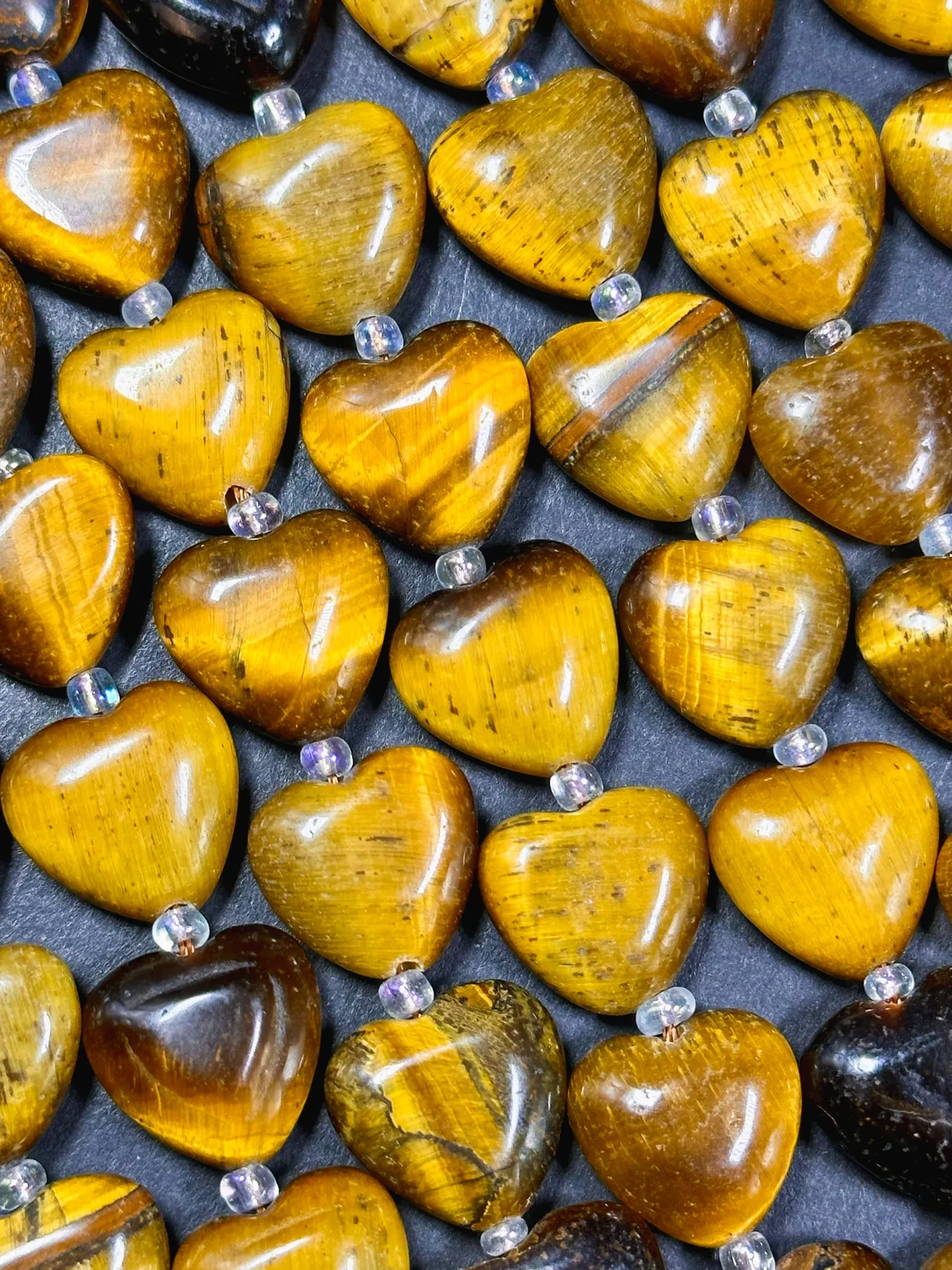
Figuring out how to spot fake tiger eye resin composite vs natural stone starts with trusting your eyes, not just a certificate. Many buyers get fooled by convincing imitations that mimic the golden bands and silky sheen of real quartz. You don't need expensive lab equipment to catch most fakes.
Simple visual checks often reveal the truth immediately.
Natural tiger’s eye has a Mohs hardness of 7, meaning it resists scratches from steel knives. Resin composites usually sit below 5 on the scale. This difference affects both durability and feel.
We’ll walk through the specific visual cues you need to master before spending money. These steps help you distinguish genuine geology from molded plastic quickly.
Why Your Eyes Are the Only Reliable Tool Here
You might think a loupe or a refractometer is essential for gem identification. For tiger’s eye, those tools are secondary to basic observation. The stone’s defining feature is chatoyancy, the cat’s-eye effect caused by parallel fibrous inclusions.
Natural fibers align perfectly. Synthetic ones often look chaotic or too uniform.
Visual inspection works because nature rarely repeats itself exactly. Every natural stone has unique imperfections. Resin molds produce identical copies.
If two beads look pixel-perfect alike, suspect a fake. Your brain is excellent at spotting patterns. Use that skill first.
Save destructive tests for when visuals fail.
This approach saves time and prevents damage to valuable pieces. You avoid scratching a genuine gem while checking hardness. It also helps you negotiate better prices online where physical testing isn’t possible.
Trust what you see under consistent lighting. That’s your strongest defense against deception.
The Chatoyancy Test: Sharp Bands vs. Blurry Swirls
Does the light move smoothly across the surface? In natural tiger’s eye, yes. The chatoyant band should appear sharp and distinct.
It glides like silk when you rotate the stone under a single light source. Fake resin often shows a blurry or smeared effect. The "eye" may look painted on rather than embedded within the crystal structure.
Look for depth in the color shift. Genuine stones have layers of iron oxide staining. This creates a rich gradient from gold to brown or blue.
Resin composites tend to have flat, one-dimensional colors. They lack the internal complexity of mineral formations. The transition between shades should feel organic, not abrupt.
Pay attention to the width of the chatoyant band. Natural fibers vary slightly in thickness. This variation adds character.
Mass-produced resin items often have perfectly uniform bands. That symmetry is a red flag. Real geology is messy in beautiful ways.
Embrace the irregularities as signs of authenticity.
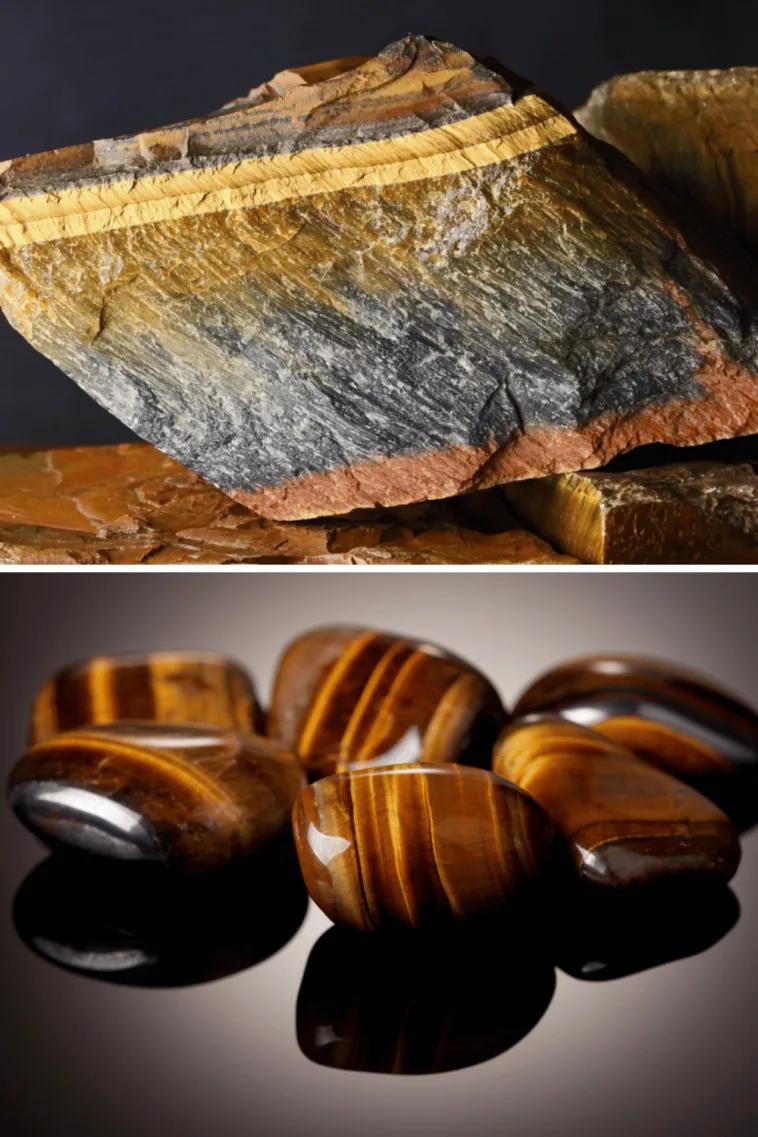
Surface Texture and Mold Lines Under Magnification
Image source: Bing (Web (fair-use with source credit))
Can you find seams on the bead? Natural stone doesn’t have mold lines. Resin composites are poured into forms.
These forms leave tiny ridges or flash along the equator of the bead. Use a 10x jeweler’s loupe to inspect these areas closely. Even high-quality polishing can’t fully erase these manufacturing traces.
Check for air bubbles inside the material. Tiny spherical voids are common in resin pours. Natural quartz contains fluid or gas inclusions, but they look different.
Mineral inclusions are often jagged or feathery. Air bubbles are perfect circles. Spotting even one round bubble strongly suggests a synthetic origin.
Examine the polish quality around drilled holes. Resin is softer than quartz. Drill bits can melt or chip the edges of synthetic beads.
Look for roughness or discoloration near the hole entry points. Natural stone maintains a crisp, clean edge regardless of drilling speed. Smooth, flawless transitions indicate genuine material.
Temperature, Weight, and Sound Checks That Don’t Require Tools
Hold the stone in your palm for ten seconds. Does it stay cool? Natural quartz has high thermal conductivity.
It feels cold to the touch initially and warms up slowly. Resin insulates heat. It reaches room temperature almost instantly.
This tactile difference is subtle but reliable once you practice it.
Weigh the piece in your hand. Tiger’s eye has a specific gravity of roughly 2.64 to 2.71. Resin composites are significantly lighter, often around 1.1 to 1.4.
A strand of fake beads will feel buoyant compared to real ones. You don’t need a scale for this. Just compare it to a known genuine stone if possible.
Tap two beads together gently. Listen for the sound profile. Natural quartz produces a clear, ringing clink.
Resin makes a duller, thudding noise. This acoustic test works best with loose beads. Be careful not to chip fragile corners.
The resonance of crystalline structures is hard to fake convincingly in mass production.
| Property | Natural Tiger’s Eye | Resin Composite |
|---|---|---|
| Thermal Feel | Cold, slow to warm | Room temp, instant warmth |
| Specific Gravity | ~2.65 (Heavy) | ~1.2 (Light) |
| Sound | Clear ring | Dull thud |
UV Light and Scratch Tests for Borderline Cases
Shine a UV flashlight on the stone. Some resins fluoresce brightly under ultraviolet light. Natural tiger’s eye typically shows little to no reaction.
However, this isn’t definitive on its own. Certain treatments or adhesives can glow. Use UV as a supporting clue, not the sole verdict.
Combine it with other observations for accuracy.
If you’re willing to risk minor damage, try a scratch test. Use a steel needle or a shard of glass. Press firmly against an inconspicuous area.
Natural quartz (Mohs 7) will resist scratching by steel (Mohs 5.5). Resin (Mohs <5) will gouge easily. Stop immediately if you see white powder or deep marks.
Only perform destructive tests on low-value items. Never scratch a certified gemstone. Aggregate reviews report that many sellers offer return policies for suspected fakes.
Ask about this before buying. If returns aren’t allowed, stick to non-destructive methods. Visual and tactile checks are safer for preserving value.
For borderline cases, consult GIA guidelines on optical properties. Their resources clarify how light interacts with natural versus synthetic materials. This backing ensures your judgment aligns with professional standards.
Knowledge beats guesswork every time.
Common Visual Traps: Dyed Agate and High-Quality Resin Fakes
Not all fakes are obvious resin pours. Dyed agate is a frequent impostor for lower-grade tiger’s eye. It lacks the distinct fibrous structure of crocidolite.
Instead, it shows concentric banding typical of chalcedony. You’ll see curved layers rather than straight, parallel lines. This structural difference is visible even without magnification.
High-end resin composites mimic color gradients well. They use layered pouring techniques to create depth. However, they often fail the "flow" test.
Natural chatoyancy moves as a single unit. Fake bands may appear static or shift unnaturally when tilted. Watch how light interacts with the internal planes.
Real fibers reflect light consistently across the surface.
Another trap is heat-treated quartz. Sellers sometimes label brown quartz as "tiger’s eye style." True tiger’s eye contains asbestos fibers that create the effect. Heat treatment alone doesn’t replicate this optical phenomenon.
If the stone looks like plain quartz with no cat’s-eye shimmer, it’s mislabeled. Always verify the presence of fibrous inclusions before trusting the name.
Quick Reference Checklist for Buying Online or In-Person
Can you buy safely without physical inspection? Not always. But you can reduce risk significantly.
Start by requesting macro photos from the seller. Ask specifically for shots showing the drill holes. Look for mold lines or melting around the entry points.
These are telltale signs of synthetic material.
Check the product description for vague terms. Phrases like "tiger eye style" or "composite" signal non-natural origins. Reputable dealers specify "natural tiger’s eye quartz." Compare the weight listed in shipping details against expected density.
A lightweight package suggests resin. Heavy packages likely contain genuine stone.
Use video calls if possible. Ask the seller to rotate the bead under light. Observe the chatoyant band movement in real-time.
Static images hide flaws. Live video reveals inconsistencies in the light play. Trust your eyes over polished marketing copy.
If something feels off, walk away. There are plenty of authentic options available.
| Checkpoint | Action Item | Red Flag Indicator |
|---|---|---|
| Photos | Request close-ups of drill holes | Melted edges or mold seams |
| Description | Read for specific mineral names | Terms like "style" or "synthetic" |
| Video | Rotate under direct light | Blurry or stationary chatoyancy |
| Weight | Verify shipping mass | Significantly lighter than expected |
Frequently Asked Questions
Is it safe to wear natural tiger’s eye?
Yes, wearing polished tiger’s eye is completely safe. The asbestos fibers (crocidolite) are locked within the silica matrix. You only face risks if you cut, sand, or grind the stone.
This releases dust into the air. Never inhale particles from working on raw specimens. For jewelry, there is no health hazard.
Handle finished pieces normally. Enjoy the aesthetic without worry.
Can resin tiger’s eye fade over time?
Absolutely. UV exposure degrades most polymers. Colors will bleach or yellow after months in sunlight.
Natural quartz remains stable indefinitely. Its iron oxide staining doesn’t react to light. If you notice color shifts in your beads, suspect resin.
Genuine stones maintain their hue forever. Store synthetic items away from windows. Protect them from prolonged sun exposure.
This preserves their appearance longer.
Why does my tiger’s eye look different in daylight?
Lighting changes affect perception of chatoyancy. Direct sunlight highlights the sharpness of the bands. Indoor artificial light may dull the effect.
This is normal behavior for natural quartz. The angle of incidence matters greatly. Rotate the stone to find the optimal view.
Don’t assume poor lighting means fake material. Test under multiple light sources. Consistency across environments confirms authenticity.
What is the price difference between real and fake?
Real tiger’s eye varies by quality but costs more. Top-tier blue-black specimens command premium prices. Resin composites sell for pennies per gram.
If a strand seems too cheap, it likely is. Authentic gems require mining and processing labor. Synthetic versions are mass-produced cheaply.
Compare market rates before purchasing. Extremely low prices signal fraud. Pay for provenance and quality.
Value reflects rarity and durability.

Similar Posts