How Did Manifest Destiny Lead to Civil War: Unveiling History

Have you ever wondered how a powerful idea like Manifest Destiny could push a nation toward conflict? Manifest Destiny was more than just a belief—it shaped the future of America in ways that sparked deep divisions.
If you want to understand how this drive to expand westward set the stage for the Civil War, keep reading. This story reveals how your country’s dream of growth turned into a battle over its soul.

Credit: www.youtube.com
Manifest Destiny And Expansion
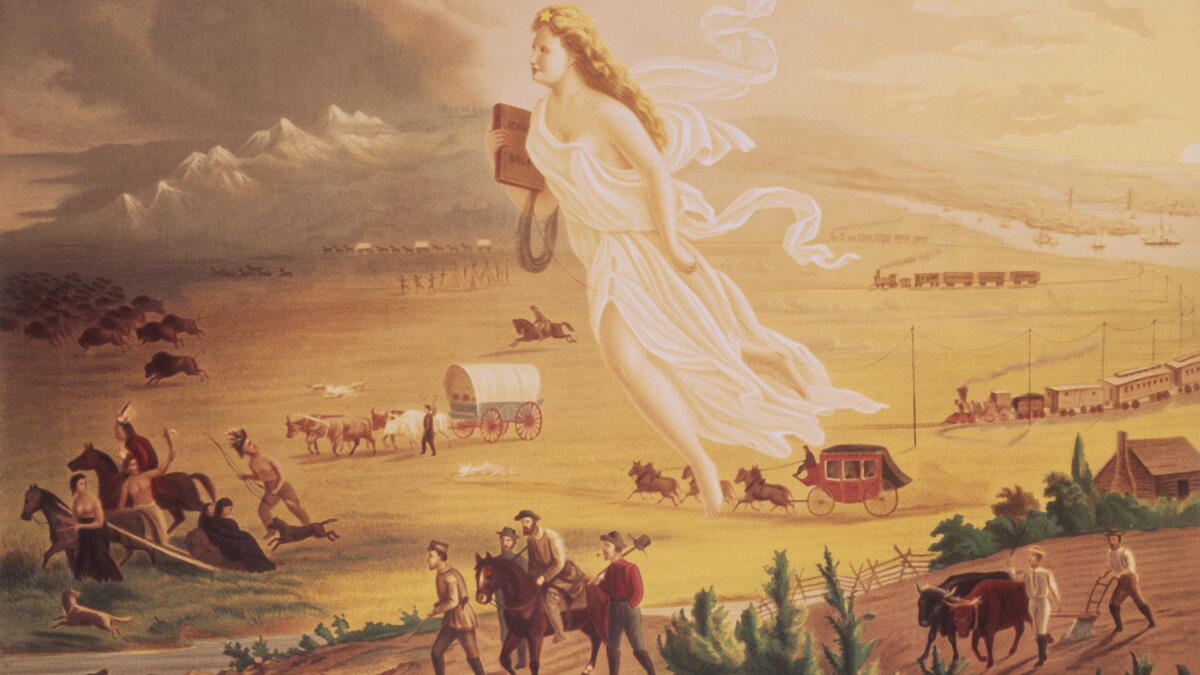
The idea of Manifest Destiny fueled the rapid expansion of the United States across North America. It was more than just a belief; it became a driving force that shaped policies, wars, and the nation’s identity. But what exactly sparked this movement, and how did it set the stage for conflict?
Origins Of Manifest Destiny
Manifest Destiny began as a belief in the 1840s that the U.S. was destined to spread its values and civilization across the continent. Many Americans felt it was their duty to expand from the Atlantic to the Pacific. This belief combined nationalism, economic interests, and a sense of cultural superiority.
Consider how this mindset influenced people’s daily lives—younger settlers dreamed of new opportunities, while politicians saw expansion as a way to strengthen the nation. But this vision ignored the consequences for those already living on the land.
Territorial Acquisitions
The U.S. acquired vast new territories through several key actions during this period:
- The annexation of Texas after its independence from Mexico.
- The Oregon Territory agreement with Britain.
- The Mexican-American War, which resulted in the Treaty of Guadalupe Hidalgo, adding California and much of the Southwest.
These acquisitions dramatically increased the country’s size, but each new territory raised questions about whether it would allow slavery. This uncertainty heightened tensions between the North and South, making conflict almost inevitable.
Impact On Native Lands
The expansion devastated Native American communities. As settlers moved west, Native tribes were forced off their ancestral lands through treaties, warfare, and forced relocations like the Trail of Tears.
You might ask, how could a nation committed to freedom justify such treatment? The answer lies in how Manifest Destiny framed Native Americans as obstacles to progress rather than as sovereign peoples. This harsh reality added another layer of conflict within the growing nation.
Slavery And New Territories
The expansion of the United States under Manifest Destiny added new lands to the country. These new territories raised urgent questions about slavery. Should slavery be allowed in these new lands? This question divided the nation deeply. The struggle over slavery in new territories increased tensions between the North and South. These tensions pushed the country closer to civil war.
Debate Over Slavery Expansion
Many people in the North wanted to stop slavery from spreading to new territories. They feared it would give the South too much power. The South wanted to keep slavery legal everywhere. They believed their economy depended on it. Both sides argued fiercely over whether new states would be free or slave states. This debate made compromise harder and increased conflict.
Missouri Compromise Challenges
The Missouri Compromise tried to keep peace by balancing free and slave states. It allowed Missouri as a slave state and Maine as a free state. It also set a boundary line for slavery in the west. This agreement worked for a while. But as new territories appeared, people challenged its rules. The compromise could not solve the growing tensions forever.
Kansas-nebraska Act Fallout
The Kansas-Nebraska Act let settlers decide about slavery by voting. This idea was called popular sovereignty. It overturned the Missouri Compromise line. The act caused violence in Kansas as pro-slavery and anti-slavery groups fought. This fighting became known as “Bleeding Kansas.” The act made the country more divided. It showed how difficult it was to find peace on slavery issues.
Political Tensions Rise
The idea of Manifest Destiny pushed the United States to expand its territory across the continent. This expansion stirred many political conflicts. As new lands joined the Union, debates over slavery grew intense. Different regions had opposing views on whether slavery should spread to these new areas. These disagreements heightened tensions and divided the country sharply. Politics became a battlefield where sectional interests clashed fiercely.
Sectionalism Intensifies
Sectionalism means loyalty to one region over the whole country. The North and South grew apart in culture and economy. The North favored industry and opposed slavery’s expansion. The South relied on agriculture and wanted to protect slavery. New territories brought questions about which side they would support. Each side feared losing power in Congress. This fear made leaders less willing to compromise.
Role Of Abolitionist Movements
Abolitionists wanted to end slavery everywhere in the United States. Their voices grew louder as new territories were added. They published newspapers, gave speeches, and helped escaped slaves. Their actions angered many in the South. Southerners saw abolitionists as a threat to their way of life. Abolitionist efforts made political debates more heated and personal.
Dred Scott Decision Effects
The Dred Scott decision in 1857 shocked the nation. The Supreme Court ruled that African Americans were not citizens. It also said Congress could not ban slavery in new territories. This ruling pleased the South but outraged the North. It made the fight over slavery even more bitter. The decision deepened distrust between the sections and pushed the country closer to war.

Credit: www.historynet.com
Economic And Social Divides
The economic and social divides created by Manifest Destiny played a huge role in pushing the United States toward civil war. As new lands were acquired, the North and South grew apart in how they built their economies and shaped their societies. These differences weren’t just about money—they affected everyday life, values, and even political power.
Southern Economy Dependence
The South’s economy relied heavily on agriculture, especially cotton farming. This depended on enslaved labor, which created deep social and economic roots in the region.
Many Southern families viewed slavery as essential to their livelihood, making it hard for them to accept any threat to this system. This dependence caused a strong resistance to changes proposed by the North.
Northern Industrial Growth
Meanwhile, the North focused on industry, manufacturing, and trade. Factories and railroads expanded rapidly, creating jobs and attracting immigrants.
This industrial boom led to a growing middle class with different views on labor and society. Unlike the South, the North pushed for free labor and opposed slavery, seeing it as a barrier to progress.
Cultural Differences
The economic gap also created cultural clashes. The South valued tradition, hierarchy, and rural life, while the North embraced urban growth, innovation, and social reform.
You might ask, how could two parts of the same country grow so distant? The answer lies in how these economic systems shaped people’s daily lives and ideas about freedom and equality.
These divides made compromise harder and tensions rise, setting the stage for conflict that eventually exploded into civil war.
Road To Secession
The path to secession was shaped by deep divisions caused by Manifest Destiny. As the United States expanded westward, tensions over slavery grew stronger. These tensions created a split between the North and South that became impossible to ignore. The road to secession marks the crucial moments that led the country toward civil war.
Election Of 1860 Impact
The 1860 election revealed sharp national divisions. Abraham Lincoln’s victory alarmed many Southern states. They feared his policies would end slavery. Southern leaders believed their way of life was under threat. This election became the tipping point toward secession.
Formation Of Confederate States
Following the election, Southern states began to leave the Union. They declared independence and formed the Confederate States of America. These states created their own government and military. The formation showed their commitment to preserving slavery and states’ rights.
Outbreak Of Armed Conflict
The divide turned violent at Fort Sumter in April 1861. Confederate forces attacked the Union garrison, starting the war. Both sides raised armies quickly. The conflict spread across the country. The road to secession had led to a full-scale civil war.
Credit: www.latimes.com
Frequently Asked Questions
What Was Manifest Destiny’s Role In Causing The Civil War?
Manifest Destiny fueled territorial expansion, intensifying debates over slavery in new states. This led to sectional tensions, increasing conflicts between North and South, eventually contributing to the Civil War.
How Did Territorial Expansion Increase Sectional Tensions?
New territories raised the question of slavery’s legality. This deepened divisions between free and slave states, escalating political conflicts that strained the Union and pushed the nation toward war.
Did Manifest Destiny Influence Slavery Debates Before The Civil War?
Yes, it expanded U. S. borders, forcing the nation to decide if slavery would spread westward. These debates heightened sectionalism and contributed directly to the outbreak of the Civil War.
How Did Manifest Destiny Affect Political Relationships In The U.s.?
It disrupted the balance of power between North and South. The addition of new states sparked fierce debates, weakening political unity and leading to increased polarization before the Civil War.
Conclusion
Manifest Destiny pushed the nation to expand quickly. This growth brought new land and new problems. People disagreed about slavery in these new areas. These fights made the country more divided. Tensions rose between North and South. The dream of expansion led to conflict.
The Civil War became hard to avoid. Understanding this helps explain America’s past struggles. History shows how big ideas can create big troubles.

Similar Posts