How Did the Manifest Destiny Affect the Native Americans: Unveiling the Impact
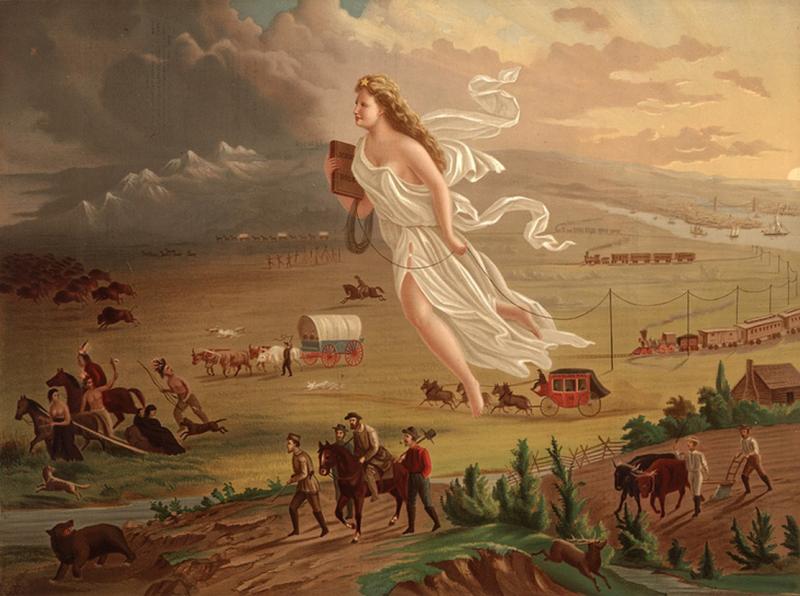
Have you ever wondered what happened to the Native Americans during the time of Manifest Destiny? This powerful idea shaped the future of the United States, but it came with a heavy price for the original people living on the land.
What did Manifest Destiny really mean for Native American tribes? How did it change their lives, their homes, and their culture? If you want to understand the true impact of this historic movement, keep reading. This story is not just about history—it’s about people, loss, and resilience that still matters to you today.
Roots Of Manifest Destiny
The idea of Manifest Destiny shaped much of 19th-century America’s growth and had deep consequences for Native Americans. Understanding its roots helps you see why so many changes happened and why they were so impactful. The beliefs and ambitions tied to Manifest Destiny set the stage for major conflicts and shifts in the lives of indigenous peoples.
Origins And Beliefs
Manifest Destiny began as a belief that the United States was meant to expand across North America. Many Americans saw it as a duty to spread their culture and government. This belief combined a sense of mission with ideas of racial and cultural superiority.
People believed that expanding westward was not only good but inevitable and just. This mindset made it easier to ignore the rights and lives of Native Americans living on those lands. Have you ever considered how a collective belief can shape the fate of entire communities?
Territorial Ambitions
The push for more land drove the U.S. government to acquire vast territories through treaties, wars, and purchases. Settlers eager for new opportunities pressured leaders to open Native lands for farming, mining, and settlement.
These ambitions led to forced removals and broken promises. Native Americans were often pushed onto reservations far from their ancestral homes. When you think about the scale of this land grab, it’s hard not to question the price paid by those who were displaced.
Native American Lands Lost
The loss of Native American lands during the era of Manifest Destiny marks one of the most painful chapters in American history. As settlers pushed westward, the indigenous peoples faced relentless pressures that stripped them of their ancestral territories. This shift wasn’t just about geography—it altered their culture, economy, and way of life forever.
Forced Relocations
One of the most devastating impacts on Native American lands was the forced removal of tribes from their homes. Governments and settlers justified these moves by claiming it was necessary for progress, but the reality was harsh and brutal.
Thousands of Native Americans were marched hundreds of miles to unfamiliar and often inhospitable lands. The Trail of Tears is a stark example, where the Cherokee nation endured immense suffering and death during their forced journey west.
Have you ever thought about how losing your home, not once but repeatedly, would affect your identity and community ties?
Land Seizure Policies
Beyond forced marches, official policies systematically took Native lands through treaties, purchases, and outright confiscation. Many treaties were made under duress or were later broken by the U.S. government.
The Indian Removal Act of 1830 legally sanctioned land seizures, pushing tribes onto reservations that were often a fraction of their original territory. This loss limited their access to resources and undermined their sovereignty.
Consider how your connection to the land shapes your sense of belonging. What happens when that connection is severed by laws designed to dispossess you?
Cultural Disruption
The cultural disruption caused by Manifest Destiny was profound and far-reaching for Native American communities. It wasn’t just about land loss; it deeply affected their way of life, beliefs, and social structures. Understanding this disruption helps you see the human side of history often reduced to dates and treaties.
Impact On Traditions
Traditional ceremonies and rituals were often banned or discouraged by settlers and the government. This created a gap where Native Americans struggled to keep their customs alive under constant pressure. Imagine your most important family celebrations being outlawed—how would that affect your sense of belonging?
Many tribes were forced to abandon hunting and farming methods that had sustained them for centuries. Instead, they were pushed onto reservations with limited resources, making it difficult to maintain their traditional lifestyles. This loss was not just physical but spiritual, shaking the foundation of their cultural identity.
Language And Identity Challenges
Language is the heart of identity, and for many Native Americans, their languages were threatened. Boarding schools aimed to erase Native languages by punishing children for speaking their mother tongue. Can you imagine being told your words, your voice, were wrong?
With younger generations losing fluency, many tribes faced the risk of cultural extinction. Language carries stories, wisdom, and history—when it fades, so does a crucial part of who you are. This challenge still affects communities today, as efforts to revive languages grow stronger.

Credit: www.youtube.com
Conflicts And Resistance
The expansion of the United States under Manifest Destiny led to many conflicts with Native American tribes. These clashes often resulted in violence and wars. Native Americans fought to protect their lands, culture, and way of life. Their resistance shaped the course of American history and left a deep impact on indigenous communities.
Major Battles
Several key battles marked the struggle between Native Americans and U.S. forces. These battles often happened as settlers moved westward. Native tribes fought fiercely to defend their homes.
- Battle of Little Bighorn (1876):A major victory for the Lakota Sioux and Cheyenne against the U.S. Army.
- Wounded Knee Massacre (1890):A tragic event where hundreds of Lakota people were killed by U.S. troops.
- Red Cloud’s War (1866-1868):A successful campaign by the Oglala Lakota to stop U.S. military forts on their land.
These battles showed the determination and bravery of Native Americans. They resisted despite being outnumbered and outgunned.
Native Leaders’ Responses
Native leaders played crucial roles in resisting U.S. expansion. They used both diplomacy and warfare to protect their people.
- Sitting Bull:A Lakota leader who united tribes and led resistance at Little Bighorn.
- Chief Joseph:Led the Nez Perce in a long retreat to escape forced relocation.
- Geronimo:An Apache leader who fought fiercely to keep his tribe’s land.
These leaders inspired hope and strength among their people. Their actions remain symbols of resistance and courage.
Economic Consequences
The Manifest Destiny deeply impacted Native American economies. It led to the loss of vital resources and forced changes in their traditional ways of living. These economic shifts caused hardship and altered their societies forever.
Loss Of Resources
Native Americans lost vast lands rich in natural resources. Forests, rivers, and hunting grounds were taken for farming and settlements. This loss meant fewer materials for food, shelter, and tools. Many tribes could no longer sustain their usual lifestyle.
Changes In Livelihoods
Many Native Americans had to change their jobs and daily activities. Hunting and gathering gave way to farming or working for settlers. Some moved to reservations with limited land and resources. This shift caused poverty and dependence on government aid.

Credit: www.youtube.com
Government Policies And Treaties
The impact of government policies and treaties during the era of Manifest Destiny on Native Americans was profound and often devastating. These policies were designed to control and relocate Indigenous peoples, frequently ignoring their rights and sovereignty. Understanding these actions helps you see the true cost of expansion beyond just land acquisition.
Broken Promises
Many treaties between the U.S. government and Native American tribes were made with promises that were later ignored or violated. Land was often taken without fair compensation, and agreed-upon boundaries were shifted.
One striking example is the Treaty of Fort Laramie (1851), which was supposed to guarantee tribal lands but was repeatedly breached as settlers moved west. How would you feel if your home was promised protection but taken away anyway?
These broken promises created deep mistrust and hardship for Native communities, disrupting their way of life and forcing many into unfamiliar territories.
Assimilation Efforts
The government also pushed policies aimed at erasing Native cultures and forcing assimilation into European-American ways of life. Boarding schools were established where Native children were often separated from their families and forbidden to speak their languages.
These schools aimed to change identities, teaching English and Christianity while discouraging traditional customs. Have you considered the long-term emotional impact on children taken from their homes?
Additionally, laws like the Dawes Act divided communal lands into individual plots, undermining tribal structures and encouraging a shift toward farming and private property ownership. These assimilation efforts were not just about land—they were about controlling identity and culture.
Long-term Effects Today
The legacy of Manifest Destiny continues to shape the lives of Native American communities today. The effects stretch far beyond historical events, influencing social structures, economic opportunities, and cultural identity. Understanding these long-term impacts can help you appreciate the resilience and ongoing challenges faced by Native Americans.
Social And Economic Challenges
Many Native American communities still face significant social and economic obstacles rooted in the displacement and policies of the Manifest Destiny era. Poverty rates remain higher than the national average, and access to quality education and healthcare is often limited.
This lack of resources can make it difficult for individuals to break cycles of hardship. You might wonder how historical land loss connects to today’s unemployment rates and housing shortages on reservations. The disruption of traditional economies and forced relocation played a major role in creating these conditions.
- Limited job opportunities on many reservations
- Underfunded schools and healthcare facilities
- Higher rates of substance abuse and mental health issues
These challenges show that the effects of Manifest Destiny are not just in the past—they are present realities that Native Americans navigate daily.
Cultural Revitalization Efforts
Despite these challenges, Native American communities are actively working to revive and strengthen their cultures. Language programs, traditional crafts, and ceremonies are being brought back with new energy and support.
You might be inspired by stories of young people learning their ancestral languages or tribes reclaiming sacred lands. These efforts are more than symbolic—they help restore a sense of identity and pride that was deeply damaged.
Many tribes have started cultural centers and museums to educate both their members and outsiders. This helps ensure traditions are passed on and respected.
- Language immersion schools
- Annual cultural festivals
- Legal battles to protect sacred sites
How do you think supporting these revitalization efforts can change the future for Native Americans? Recognizing and respecting their culture is a step toward healing historical wounds.

Credit: www.teacherspayteachers.com
Frequently Asked Questions
How Did Manifest Destiny Impact Native American Lands?
Manifest Destiny led to widespread loss of Native American lands. Settlers and the government seized territories, forcing tribes to relocate. This caused displacement, disrupted cultures, and reduced access to traditional resources. Native lands were often taken without consent, leading to significant social and economic hardships.
What Were The Effects On Native American Populations?
Native American populations suffered greatly due to disease, warfare, and forced removals. Manifest Destiny increased conflicts, causing deaths and population declines. Many tribes were pushed into reservations with limited resources, harming their way of life and cultural continuity.
How Did Government Policies Affect Native Americans During Manifest Destiny?
Government policies like the Indian Removal Act facilitated forced relocations. Treaties were often broken or unfair, favoring settlers. These policies aimed to open lands for expansion but resulted in loss of sovereignty and autonomy for Native tribes.
Did Manifest Destiny Change Native American Cultures?
Yes, Manifest Destiny disrupted Native American cultures. Forced relocations separated communities from sacred sites. Cultural practices were suppressed through assimilation policies. This caused long-term damage to languages, traditions, and social structures.
Conclusion
Manifest Destiny changed the lives of Native Americans deeply. They lost their lands and many traditions. Their communities faced great hardship and pain. This history helps us understand their struggles today. We must remember their story and respect their culture.
Learning from the past can guide us toward fairness and peace. The impact of Manifest Destiny still echoes in many ways. It shows the cost of expansion and growth. Awareness leads to better choices for the future.

Similar Posts