How Did the Manifest Destiny Happen: Unveiling History
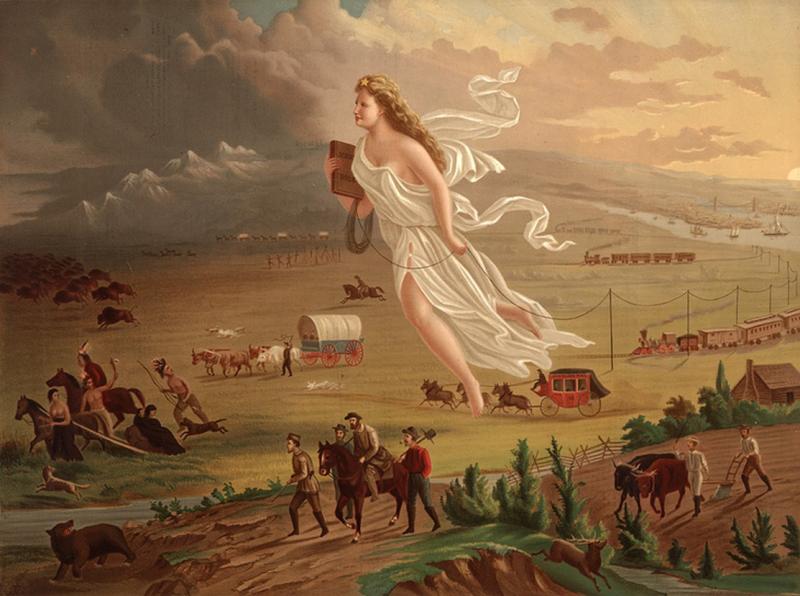
Have you ever wondered how the United States grew from a small group of colonies to a vast nation stretching from coast to coast? The story behind this massive growth is called Manifest Destiny.
It’s more than just history—it’s a tale of ambition, belief, and big changes that shaped your country. Understanding how Manifest Destiny happened will help you see the forces that pushed people westward and transformed the nation. Keep reading, and you’ll discover the surprising reasons and key moments that made this powerful idea come to life.

Credit: www.facebook.com
Origins Of Manifest Destiny
The origins of Manifest Destiny lie deep in America’s early ambitions and shifting political moods. Understanding how this idea took root helps you see why the country expanded so rapidly. It’s not just about land—it’s about belief, politics, and identity coming together at a pivotal moment.
Early American Expansion Ideas
Long before the 1840s, Americans dreamed of stretching their country’s borders. The Louisiana Purchase in 1803 doubled the nation’s size, sparking interest in further growth. Settlers pushed westward, driven by the hope of new opportunities and fertile lands.
You might wonder, what fueled this relentless push? It wasn’t just chance; it was a mindset that viewed expansion as a natural right. This early vision set the stage for something bigger to emerge.
Political Climate In The 1840s
The 1840s brought heated debates over territory and power. Political leaders argued fiercely about whether the U.S. should annex Texas or claim Oregon. These disputes highlighted the nation’s desire to assert itself on the world stage.
At the same time, you had to navigate rising tensions between free and slave states. The balance of power in Congress made every new piece of land a potential flashpoint. This charged atmosphere pushed expansion into a political battle.
Role Of Nationalism And Religion
National pride surged as Americans believed their country had a special destiny. Many felt it was their duty to spread their culture and government across the continent. This sense of mission was often tied to religious beliefs about spreading “civilization” and democracy.
Think about how this affected you if you lived back then. Would you see expansion as a hopeful opportunity or a troubling imposition? The mix of nationalism and religion made Manifest Destiny not just a policy, but a powerful belief driving millions.
Key Figures Behind The Movement
The Manifest Destiny movement grew because of passionate leaders and thinkers. These key figures shaped ideas and policies that pushed the U.S. westward. Their influence sparked action and inspired many settlers. Understanding these individuals helps explain how the movement gained power and momentum.
Influential Politicians
- President James K. Polk:Polk was a strong supporter of expansion. He believed the U.S. should stretch from the Atlantic to the Pacific. His presidency focused on acquiring new lands through war and negotiation.
- John L. O’Sullivan:Though better known as a writer, O’Sullivan also influenced politicians. He coined the term “Manifest Destiny,” shaping political goals.
- Henry Clay:Clay debated expansion ideas in Congress. He worried about the effects but also saw opportunities for growth.
- Stephen F. Austin:Austin helped settle Texas and worked with the U.S. government. His efforts led to Texas joining the Union.
Prominent Advocates And Writers
- John L. O’Sullivan:As a newspaper editor, O’Sullivan promoted expansion as America’s duty. His articles inspired public support and political action.
- Thomas Hart Benton:Benton, a senator, pushed for western settlement and infrastructure. He argued expansion would strengthen the nation.
- James Fenimore Cooper:This famous writer created stories about frontier life. His novels made the West seem exciting and full of promise.
- George Catlin:Catlin painted Native Americans and western landscapes. His work raised interest in the western territories.
Territorial Growth And Land Acquisitions
The United States expanded its territory rapidly in the 19th century. This growth shaped the nation’s borders and fueled the idea of Manifest Destiny. Land acquisitions played a big role. These expansions opened new opportunities and challenges. They helped the country stretch from the Atlantic to the Pacific.
Each major land deal or conflict added more land. The process involved buying land, annexing regions, and settling disputes. Every acquisition marked a step toward the nation’s destiny.
Louisiana Purchase And Beyond
In 1803, the U.S. bought a vast area from France. This doubled the country’s size overnight. The Louisiana Purchase stretched from the Mississippi River to the Rocky Mountains. It provided space for farming and settlement. Later, the U.S. added Florida from Spain and other lands. These early purchases set the stage for westward growth.
Annexation Of Texas
Texas declared independence from Mexico in 1836. It became its own republic for nearly a decade. The U.S. annexed Texas in 1845. This move angered Mexico and increased tensions. Texas’s annexation added a large, fertile region. It also sparked debates over slavery and statehood.
Oregon Territory Dispute
The Oregon Territory lay north of California and west of the Rockies. Both Britain and the U.S. claimed it. Settlers moved into the area, pushing for American control. In 1846, the two countries agreed to divide the land at the 49th parallel. The treaty gave the U.S. present-day Oregon, Washington, and Idaho.
Mexican-american War And Treaty Of Guadalupe Hidalgo
War broke out between the U.S. and Mexico in 1846. The conflict ended in 1848 with the Treaty of Guadalupe Hidalgo. Mexico ceded a huge area to the U.S. This included California, Nevada, Utah, and parts of several other states. This treaty gave the U.S. access to the Pacific Ocean. It sealed the country’s continental expansion.

Credit: www.youtube.com
Impact On Native Americans And Other Groups
The impact of Manifest Destiny stretched far beyond expanding U.S. borders. It deeply affected Native American communities and other groups living on the land long before settlers arrived. Understanding this impact helps you see the complex human stories behind the historical events.
Displacement And Conflict
Native Americans faced massive displacement as settlers pushed westward. Entire tribes were forced off their ancestral lands, often through unfair treaties or outright violence. This led to many violent clashes, such as the Sioux Wars and the Trail of Tears, where thousands lost their homes and lives.
You might wonder how communities survived such upheaval. Many were forced onto reservations with limited resources, struggling to maintain their way of life under harsh conditions. The loss of land wasn’t just physical—it meant losing hunting grounds, sacred sites, and economic independence.
Cultural And Social Consequences
The cultural impact on Native Americans and other groups was profound. Forced assimilation policies targeted their languages, religions, and traditions, aiming to erase their identities. Boarding schools separated children from families, often punishing them for speaking their native languages.
Other groups, like Mexican Americans and settlers from different backgrounds, also experienced shifts in social status and power. Land ownership laws and new governance systems often marginalized these communities. You might ask yourself—how do these disruptions shape identity and community resilience today?
By looking closely at these effects, you gain a clearer picture of how history shaped current social dynamics. It challenges you to think about justice and reconciliation in today’s society.
Economic Drivers Of Expansion
The economic forces behind Manifest Destiny were powerful and clear. They motivated many Americans to move westward, seeking new opportunities and wealth. Understanding these drivers helps you grasp why expansion became a national priority.
Agriculture And Land Opportunities
Land was the foundation of wealth during the 19th century. The availability of fertile soil in the West promised farmers a chance to grow crops and raise livestock on a larger scale.
Many settlers believed owning land would secure their future and provide independence. The government supported this with policies like the Homestead Act, giving away land to those willing to cultivate it.
Think about your own goals—how would access to affordable land change your life? This opportunity was a strong incentive for families to endure tough journeys and start anew.
Gold Rush And Resource Exploitation
The discovery of gold in California in 1848 triggered a massive migration known as the Gold Rush. People rushed to the West hoping to strike it rich quickly.
This rush wasn’t just about gold. Other resources like timber, coal, and fertile fishing grounds attracted businesses and workers alike.
Consider how the promise of quick wealth influences your decisions. The Gold Rush shows how resource discoveries can rapidly transform economies and lifestyles.
Manifest Destiny’s Influence On Politics
The idea of Manifest Destiny didn’t just push America’s borders westward—it deeply shaped the nation’s political landscape. It stirred debates, challenged leaders, and forced the country to confront its own values. Understanding how Manifest Destiny influenced politics helps you see why certain policies were made and how they affected America’s future.
Sectional Tensions And Slavery Debate
Manifest Destiny expanded U.S. territory, but it also intensified the fight over slavery. Every new state or territory raised the question: Would it allow slavery or not? This divide grew sharper between the North and South, pushing the nation closer to conflict.
Politicians had to balance these tensions carefully. Some wanted to keep the Union together by delaying decisions, while others pushed hard for their side’s interests. This struggle made it clear how deeply slavery was embedded in American politics.
Have you ever thought about how land expansion could ignite such fierce debates? It wasn’t just about space; it was about power and identity.
Shaping Future American Policies
Manifest Destiny set a precedent for how America would approach growth and governance. Policies like the Homestead Act encouraged settlers to move west, shaping the country’s economic and social fabric. These laws weren’t just about land—they influenced immigration, infrastructure, and Native American relations.
The political decisions from this era still echo today. They show how government choices during times of change can have lasting impacts. When you consider current debates on land use and federal power, you can trace some roots back to Manifest Destiny’s policies.
What lessons could you apply from this period to understand today’s political challenges better?
Legacy Of Manifest Destiny
The legacy of Manifest Destiny stretches far beyond the 19th century. It reshaped the United States physically and culturally, leaving marks you can still see and feel today. Understanding this legacy helps you grasp how past ambitions continue to influence modern America.
Long-term Effects On U.s. Borders
Manifest Destiny was a driving force behind the vast expansion of U.S. territory. It led to the acquisition of lands from the Atlantic to the Pacific, including Texas, California, and Oregon.
These expansions set the current borders of the continental United States. But the process wasn’t peaceful—conflicts with Native Americans, Mexico, and other nations shaped these boundaries through wars and treaties.
Think about how your own state became part of the U.S. Is it a result of these 19th-century deals and disputes? The borders you see on a map are a direct outcome of this aggressive push westward.
Cultural Memory And Modern Perspectives
Manifest Destiny is remembered differently depending on who you ask. For many, it represents opportunity and growth. Yet others see it as a story of displacement and loss.
Your perspective might change when you consider the experiences of Native American tribes or Mexican citizens affected by this expansion. Their histories challenge the traditional heroic narrative often taught in schools.
What lessons can you draw from these contrasting views? Recognizing these diverse memories encourages a more honest conversation about America’s past and how it shapes your present.

Credit: medium.com
Frequently Asked Questions
What Triggered The Idea Of Manifest Destiny?
Manifest Destiny was triggered by the belief that the U. S. was destined to expand westward. It combined nationalism, economic interests, and a desire for land.
How Did Manifest Destiny Impact Native Americans?
Manifest Destiny led to the displacement and suffering of Native Americans. Their lands were seized, and many were forced to relocate or assimilate.
What Role Did The Mexican-american War Play?
The Mexican-American War was crucial in Manifest Destiny. It resulted in the U. S. gaining vast territories in the Southwest through the Treaty of Guadalupe Hidalgo.
Why Was Manifest Destiny Significant For America’s Growth?
Manifest Destiny fueled America’s territorial expansion, boosting economic growth and national pride. It shaped the country’s borders and future development.
Conclusion
Manifest Destiny shaped the growth of the United States deeply. People believed in spreading their culture and ideas across the continent. This belief led to new settlements and conflicts. The government supported expansion through laws and treaties. Railroads and new technology helped connect distant lands.
Yet, it also caused struggles for Native Americans and others. Understanding this history helps us see how the nation grew. It shows both hope and hardship in America’s past. The story of Manifest Destiny is key to knowing the country’s roots.

Similar Posts