How Did the Mexican American War Help Fulfill Manifest Destiny?
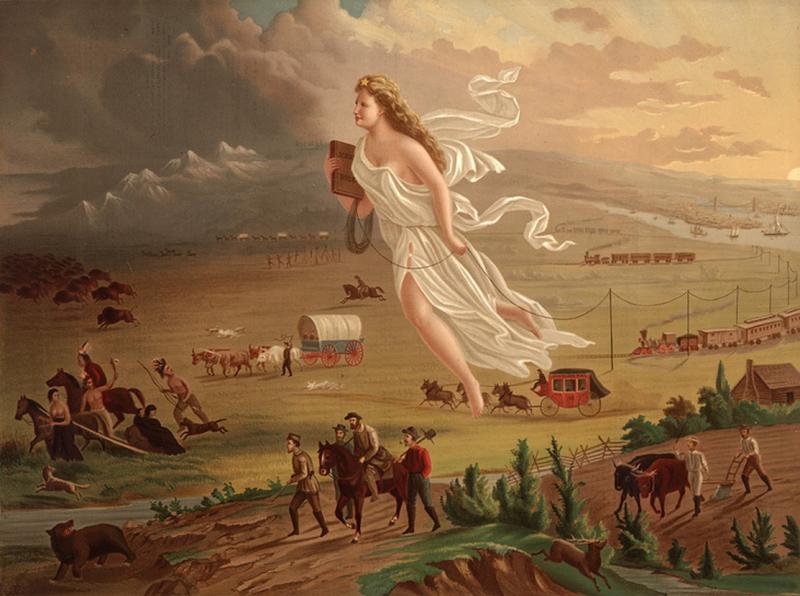
Have you ever wondered how the United States grew from a small group of colonies on the East Coast to a vast nation stretching all the way to the Pacific Ocean? One key moment in this incredible expansion was the Mexican American War.
This conflict didn’t just change borders; it helped fulfill the powerful idea of Manifest Destiny—the belief that America was meant to spread across the continent. If you want to understand how this war shaped your country’s future and why it still matters today, keep reading.
You’re about to discover the surprising ways this war fueled America’s growth and changed its destiny forever.
The Concept Of Manifest Destiny
The concept of Manifest Destiny shaped the United States in the 19th century. It was a powerful idea that the country was meant to expand across North America. This belief influenced politics, culture, and actions. People saw expansion as a duty and a right. It fueled the drive for new land and growth. Understanding Manifest Destiny helps explain why the Mexican American War happened and its impact.
Origins And Core Principles
Manifest Destiny began in the 1840s as a political and social belief. It said the U.S. should spread from the Atlantic to the Pacific Ocean. This expansion was seen as inevitable and just. The idea rested on several key principles:
- The U.S. had a special mission to spread democracy and freedom.
- Expanding territory would bring progress and economic opportunity.
- Settlers had the right to claim and improve new lands.
These principles made expansion seem natural and necessary. Many Americans supported it as a national goal.
The Role Of Religion And Nationalism
Religion played a big part in Manifest Destiny. Many Americans believed God wanted the U.S. to grow. They saw expansion as a way to spread Christian values. Missionaries traveled west to convert Native Americans and others.
National pride also fueled Manifest Destiny. People felt the U.S. had a unique destiny. This pride helped unite citizens behind the idea of expansion. It created a strong sense of purpose and identity. Together, religion and nationalism made Manifest Destiny a powerful force.

Credit: www.albert.io
The Mexican American War: A Catalyst For Manifest Destiny
The Mexican American War acted as a powerful force that pushed the United States closer to realizing Manifest Destiny—the belief that the country was meant to expand across the North American continent. This conflict not only reshaped the map but also intensified the nation’s ambitions and sense of purpose. Understanding how the war served as a catalyst reveals the complex mix of political, economic, and social factors driving American expansion.
The Immediate Causes Of The War
The war didn’t start out of nowhere. Tensions rose when the U.S. annexed Texas in 1845, a move Mexico saw as a direct threat. Both sides claimed the border differently, with the U.S. insisting it was the Rio Grande and Mexico arguing it was the Nueces River.
When American troops crossed into the disputed territory, violence was almost inevitable. This sparked President Polk to declare that Mexico had “shed American blood on American soil,” rallying support for war. Could this have been avoided if diplomacy had taken precedence?
The Role Of American Expansionism And Economic Interests
Manifest Destiny wasn’t just about land; it was about opportunity. Many Americans believed that expanding westward would open new markets, farming land, and access to valuable resources. The promise of economic growth made the war attractive to settlers and politicians alike.
Beyond just ideology, powerful economic interests pushed for the war. Merchants, land speculators, and politicians saw the Southwest as a key to future prosperity. Your own community’s growth might have roots in these very motivations.
The War’s Impact On Manifest Destiny
The Mexican American War played a key role in fulfilling Manifest Destiny. This belief held that the United States should expand across the North American continent. The war resulted in major land gains for the U.S. These gains shaped the country’s growth and identity. The conflict also had deep effects on people living in the new territories.
The Acquisition Of New Territories And Resources
The Treaty of Guadalupe Hidalgo ended the war in 1848. The U.S. gained vast lands, including California, Arizona, New Mexico, and parts of other states. This acquisition added nearly 525,000 square miles to the country. It opened rich resources like gold, fertile land, and access to the Pacific Ocean. Settlers moved west in large numbers. Railroads and towns followed. This expansion boosted the economy and power of the United States.
The Impact On Native American Populations And Mexican-american Communities
New territories meant challenges for Native Americans. Many tribes lost their lands and faced displacement. Conflicts increased as settlers pushed westward. Mexican-American communities also experienced changes. They often faced discrimination and loss of property. Laws and culture shifted under American rule. These groups had to adapt to new political and social systems. The war reshaped lives far beyond just the map.

Credit: www.albert.io
The Long-term Consequences Of The Mexican American War
The Mexican American War left a lasting impact on the United States, shaping its future in ways that extended far beyond the battlefield. Its consequences influenced not only the nation’s borders but also its role in the world and the identity of its people. Understanding these long-term effects helps you see how this conflict was a turning point in American history.
The Expansion Of The United States And Its Global Influence
The war added a vast amount of territory to the U.S., including present-day California, Arizona, New Mexico, and Texas. This expansion fulfilled much of the vision behind Manifest Destiny, the belief that the U.S. was destined to stretch from the Atlantic to the Pacific.
With these new lands, the U.S. gained access to important ports on the Pacific Ocean, which boosted trade and opened doors to Asia. This shift not only made the U.S. a continental power but also a player on the global stage.
Think about how this territorial gain allowed America to project its influence overseas. How might your perspective on U.S. history change if you saw this war as the start of America’s rise as a global power?
The Shaping Of American Identity And Culture
The war stirred intense debates about national identity, citizenship, and what it meant to be American. It raised questions about the rights of the people living in the newly acquired territories, especially the Mexican inhabitants.
This conflict also intensified divisions over slavery, which affected the nation’s politics and culture for years to come. You can trace the roots of the Civil War back to tensions that grew stronger after the war.
On a personal note, many soldiers and settlers who moved west shared stories that shaped the American narrative of adventure and opportunity. How does your understanding of American culture change when you consider these stories as part of a larger historical moment?
Criticisms And Controversies Of Manifest Destiny
The idea of Manifest Destiny inspired many Americans to support westward expansion. Yet, it sparked serious debates and criticism. The belief that the United States had a divine right to expand caused harm and injustice. Many groups suffered as a result of this policy.
People questioned the morality of Manifest Destiny. Critics highlighted the impact on Native Americans and other nations. The Mexican American War, a key event in this expansion, raised issues about imperialism and colonialism. These controversies remain important in understanding U.S. history.
The Treatment Of Native Americans And The Concept Of ‘manifest Destiny’
Manifest Destiny often ignored the rights of Native Americans. Their lands were taken without fair treaties or consent. Many tribes faced violence, displacement, and loss of resources. The government pushed Native Americans onto reservations. This caused great suffering and cultural loss.
Many settlers believed they had the right to claim any land. This view dismissed Native American presence and sovereignty. The policy led to forced removals and broken promises. The Trail of Tears is one tragic example. Native peoples were seen as obstacles to progress.
The Role Of Imperialism And Colonialism In American Expansion
Manifest Destiny was not just about settlement. It carried imperialist and colonial ambitions. The United States sought to control new territories and resources. The Mexican American War helped the U.S. gain vast land. This expansion resembled European colonial conquests.
The idea of spreading American culture and government justified the war. It often ignored the rights of Mexicans and other inhabitants. Many viewed this as an act of aggression and domination. Critics saw Manifest Destiny as a form of American imperialism.

Credit: www.instagram.com
Frequently Asked Questions
What Role Did The Mexican American War Play In Manifest Destiny?
The war helped the U. S. gain vast territories in the West. It fulfilled the goal of expanding from coast to coast. This territorial gain was crucial for completing Manifest Destiny.
How Did The War Impact U.s. Territorial Expansion?
The war resulted in the Treaty of Guadalupe Hidalgo. The U. S. acquired California, Arizona, New Mexico, and more. This greatly increased the nation’s size and influence.
Why Was Manifest Destiny Important During The Mexican American War?
Manifest Destiny justified American expansionism and war efforts. It motivated settlers and politicians to push westward. This ideology shaped U. S. policies during the war.
What Territories Did The U.s. Gain After The War?
The U. S. gained over 500,000 square miles. Key regions included California, Nevada, Utah, and parts of several other states. This land boost advanced national growth.
Conclusion
The Mexican American War expanded the United States’ land greatly. It helped settlers reach the Pacific Ocean. This growth matched the idea of Manifest Destiny well. The war shaped the country’s future borders clearly. It also increased the nation’s power and resources.
Many people believed the U. S. Had a right to this land. The conflict showed how far the country would go to grow. This event remains important in American history today. It explains how the nation spread across the continent.
A key step in fulfilling a big dream.

Similar Posts